.jpg?trim=0,0,0,0&width=1200&height=800&crop=1200:800 "AI has taken over prescription refills in Utah. Some doctors are wary – UK Times")



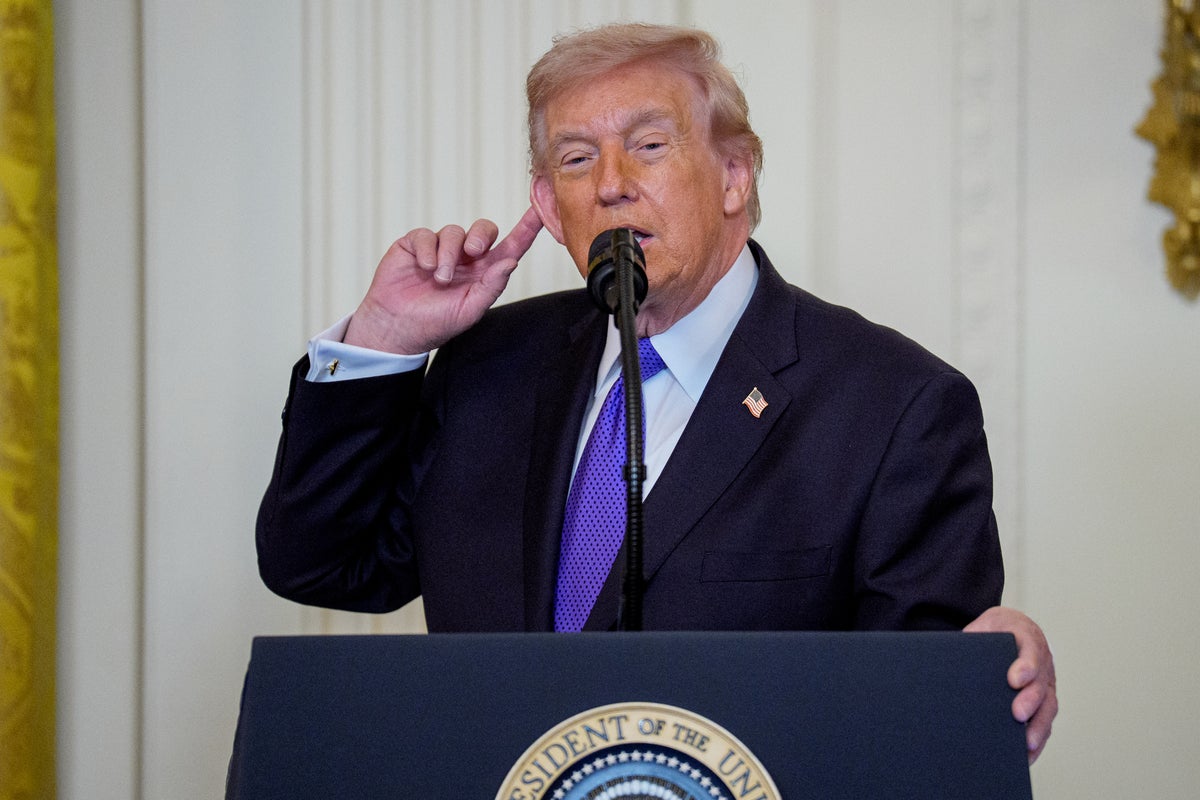
Donald Trump has issued a series of fresh threats against Iran, warning that he “expects to be bombing” when a two-week ceasefire deal expires on Wednesday.
Efforts to bring Washington and Tehran back around the negotiating table appear to have failed, despite scrambling attempts by Pakistani mediators to extend the truce, which was brought in place to allow negotiations for a permanent ceasefire.
The US president was unimpressed by the process. Asked about the possibility of extending a ceasefire, he told CNBC: “I don’t want to do that. We don’t have that much time.
“I expect to be bombing because I think that’s a better attitude to go in with. But we’re ready to go. I mean, the military is raring to go.”
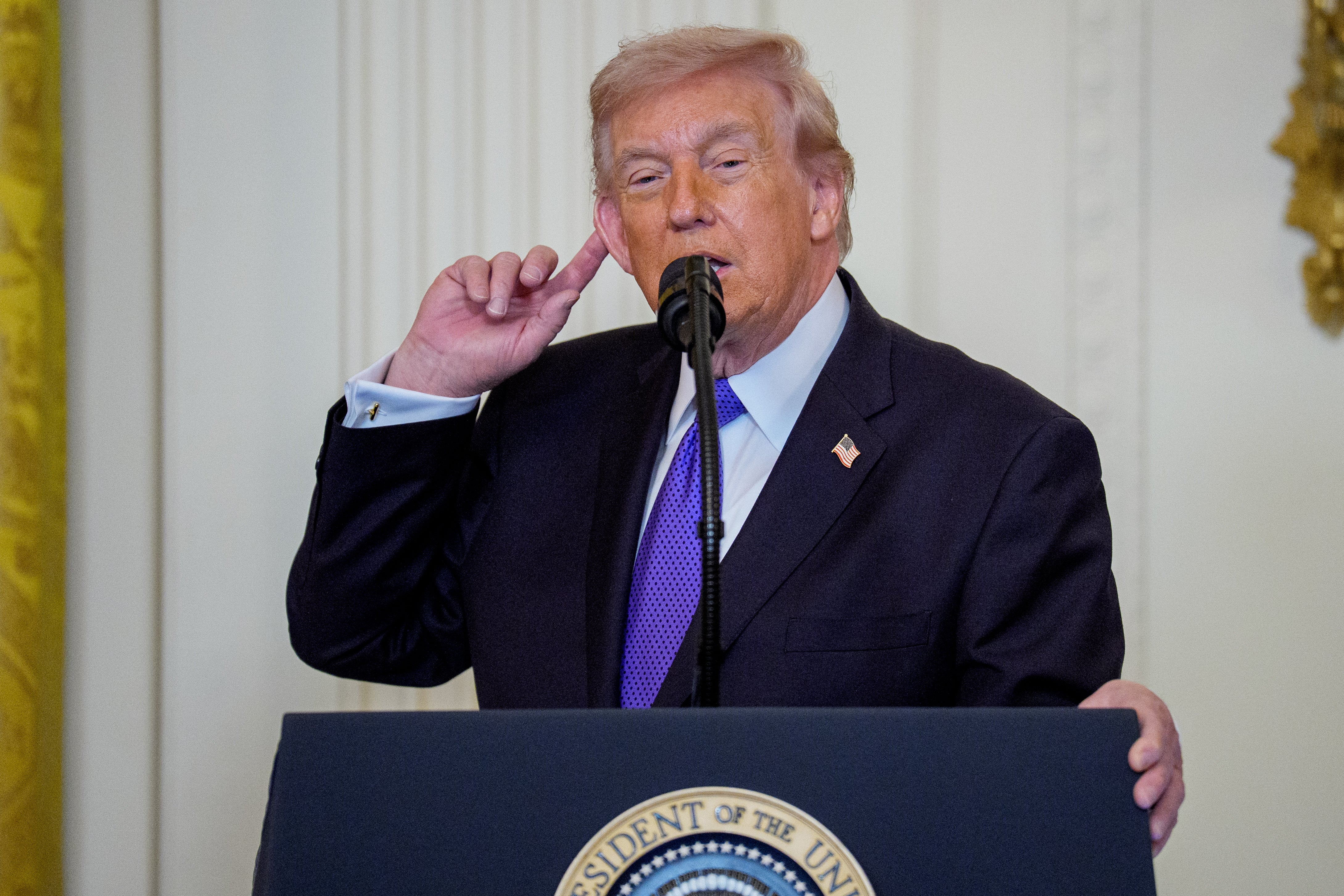
In an interview with Bloomberg, Trump said the current ceasefire will end on Wednesday evening local time, adding that it’s “highly unlikely that I’d extend it” if there is no agreement to end the war by then.
Tehran has issued threats of its own, with an ominous warning that it has “new cards to play” in case of a resumption of war with the US.
Trump wants to “justify renewed warmongering” by “imposing a siege and violating the ceasefire”, said Mohammad Bagher Ghalibaf, Tehran’s parliamentary speaker and top negotiator, in a post on X.
“We do not accept negotiations under the shadow of threats, and in the past two weeks, we have prepared to reveal new cards on the battlefield.”
Pakistan’s attempts to bridge gaps between the two countries have thus far fallen on deaf ears. The Foreign Ministry urged the US and Iran to extend their ceasefire in a statement on Thursday, following a meeting between foreign minister Ishaq Dar and Natalie Baker, US chargé d’Affaires in Pakistan.
There remains some uncertainty over whether talks could take place.
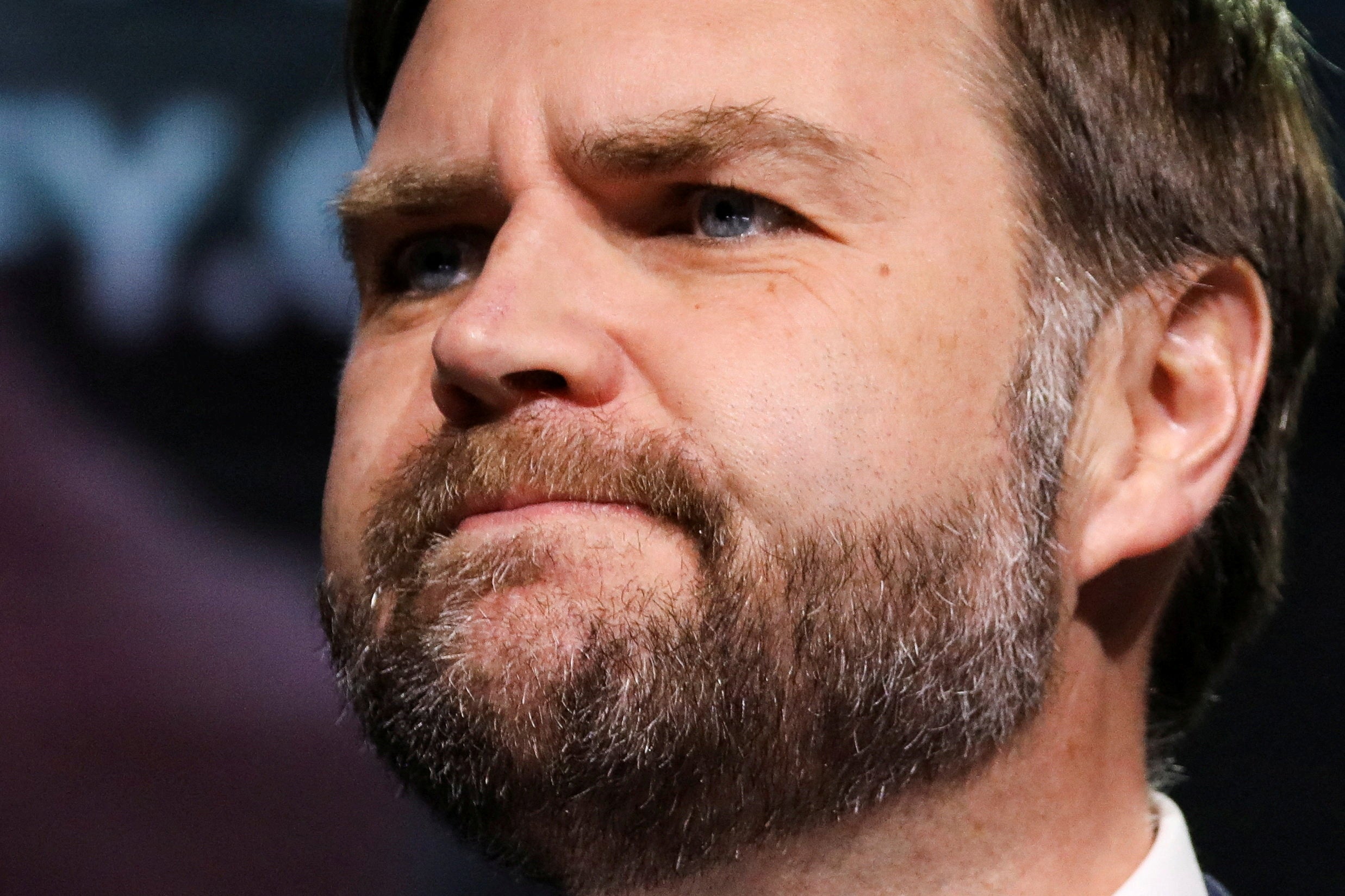
On Tuesday, US vice-president JD Vance was expected to head to Pakistan, following conflicting reports that he would fly on Monday. A Pakistani source told the Reuters news agency that he was still expected in Islamabad, claiming there was still momentum for the talks to resume.
Pakistani officials have said that if delegations from the US and Iran do attend talks, they will not arrive until Wednesday.
The first talks of the ceasefire, which took place 10 days ago, failed to produce an agreement. Tehran had ruled out a second round after the US refused to end its blockade of Iranian ports, and seized an Iranian cargo ship, the Touska.
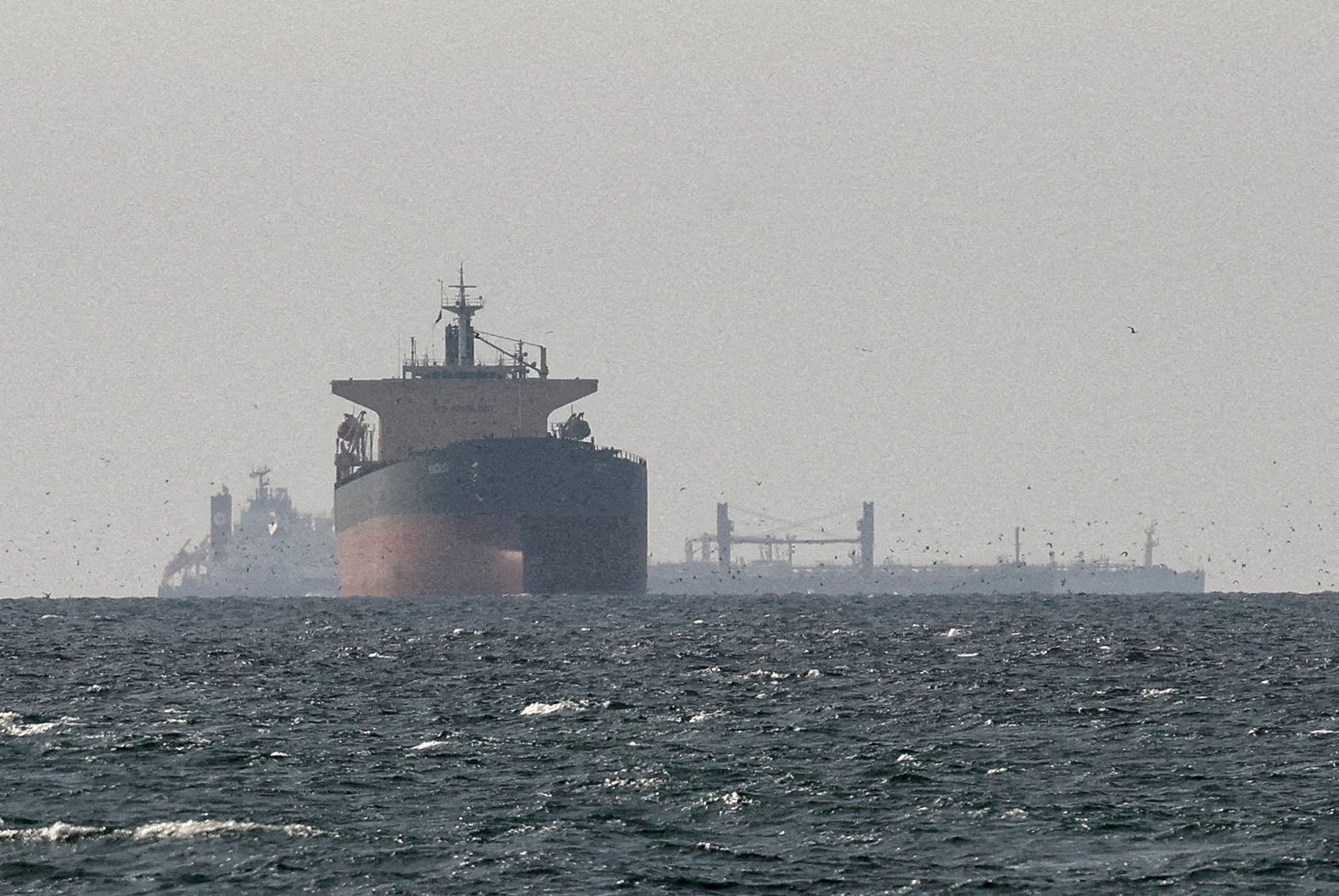
On Tuesday, the US military said it had boarded another tanker “without incident”. The Tifani, which the military says was linked to Iran, was close to fully loaded with 2 million barrels of crude oil and had signalled Singapore as its destination.
Iran had announced last week that it would reopen the Strait of Hormuz, after largely blocking it off and controlling access to all ships but its own. On Saturday, it reversed the decision after Trump refused to lift his blockade of Iranian ports.
China’s Foreign Ministry weighed in on Tuesday, calling for normal transit through the strait as soon as possible.
It also addressed comments by the US permanent representative to the UN Nikki Haley that the cargo ship intercepted over the weekend had been travelling from China to Iran, noting that it is a foreign-flagged ship and opposing any “malicious association” with it or hyping up of the matter, the Xinhua news agency reported.
Beijing added that it hoped both parties in the talks would maintain momentum towards extending the ceasefire.