
The Independent’s investigation into homophobic persecution in Nigeria reveals deeply disturbing stories of violence against entirely blameless people in the developing world. And it also serves as a much wider warning about human rights and the callous cuts in international development support now being implemented by the world’s most prosperous nations.
On a simple, human level, no one can read the testimonies carried by The Independent on Wednesday, or watch Bel Trew’s documentary, Hunted: Kidnapped, blackmailed and tortured for being LGBTQ+, and fail to be deeply moved by what is happening to other human beings who want no more than to live their lives in peace, and love who they wish to love.
In Nigeria, they call it kito, a violent phenomenon that combines gang violence, entrapment, cybercrime, extortion and social phobias. Organised gangs target people on dating apps and via social media accounts. Once entrapped, the victims are tortured and filmed in order to extort ransoms. These videos are then shared with family members and then posted online, exposing victims’ sexuality and, in some cases, their HIV status, destroying their lives.
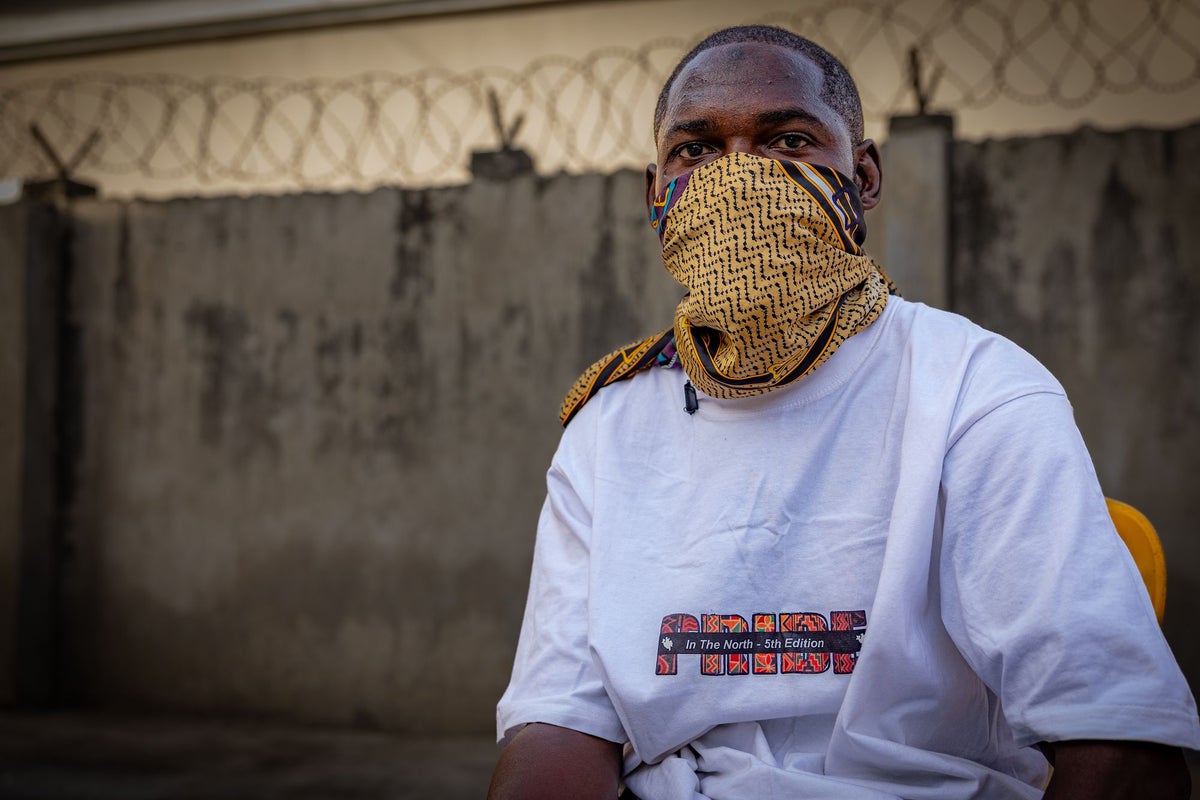
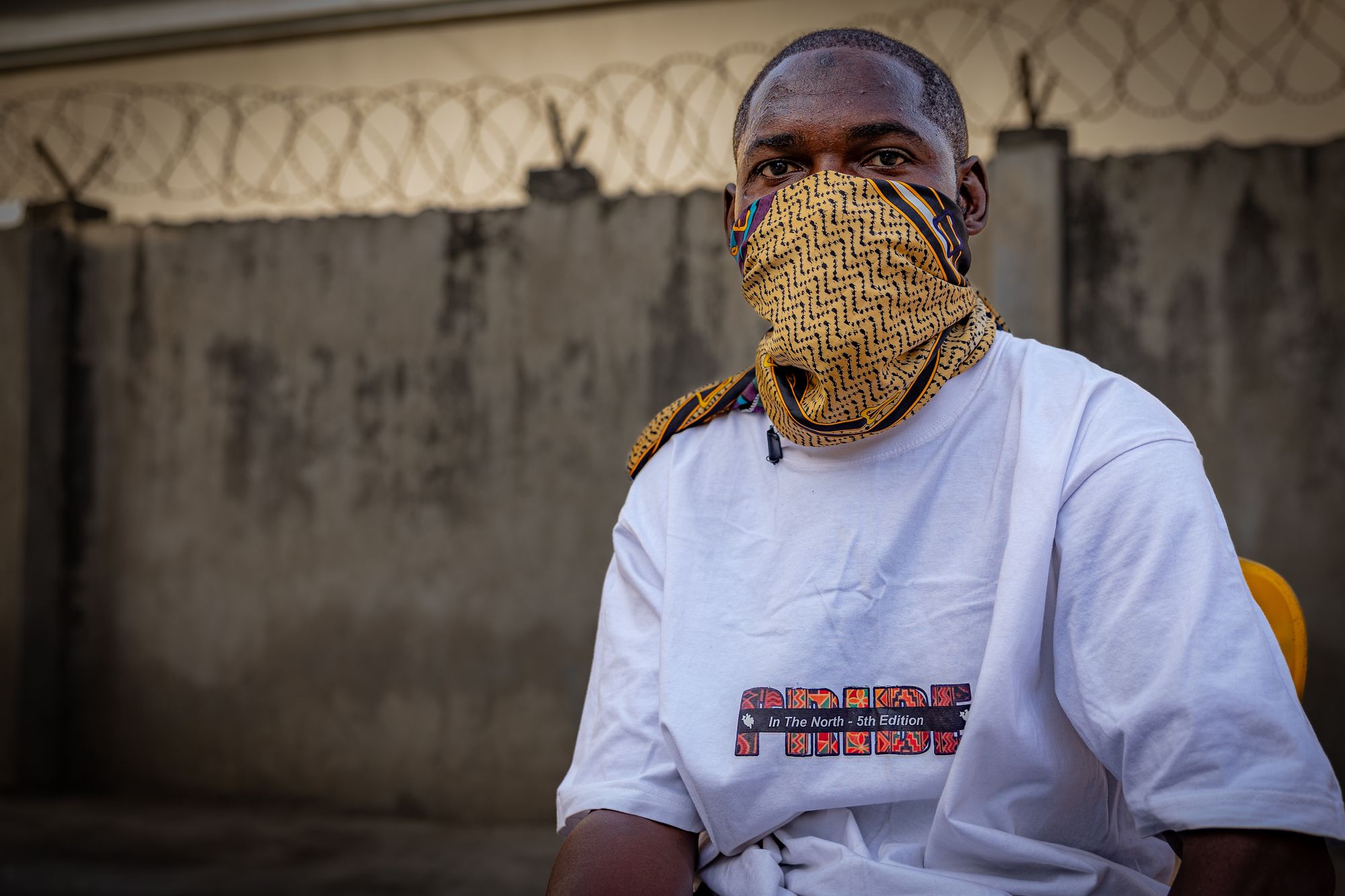
It is harrowing even for an observer to learn the details of a case. We report, for example, on the case of Amed (name changed to protect his identity). He is a 36-year-old man, HIV-positive and living in the north of Nigeria, where homosexuality remains illegal, thanks to a hangover of colonial-era laws, long since discarded among the former imperial powers. In some provinces of federal Nigeria, the “crime” is punishable by death under Islamic law.
Amed chatted to a man he liked online, but when they met up, Amed was beaten, tortured and filmed. There is a medieval quality to what befell him: “They were shouting: ‘Stone him to death, stone him to death.’ It was brutal. They were beating me as if they wanted to kill me. I was so frightened, I could not even speak. I thought I was going to die.’”
The extortion cost Amed his life savings and brought him humiliation. The police, so far as can be seen, have done nothing. Such entrapments, sometimes by the police themselves, and attempts at extortion, sometimes using secretly taken photographs, were not uncommon in Western countries during the long winter of gay repression that peaked in the early 1950s.
In Britain at that time, it resulted in the prosecution of actor Sir John Gielgud, and the suicide of mathematician and pioneering computer scientist Alan Turing. Although far from eradicated, such official barbarity has ceased and attitudes have changed radically for the better. That has been achieved in part by passing equality legislation that has entrenched universal human rights, and placed a duty on organisations to promote equity, diversity and inclusion. With rare exceptions, an end to stigma has meant an end to the blackmail.
That has not happened in Nigeria and many other countries. In some places, the legal framework and popular culture has worsened. Indeed, in some rich countries that fancy themselves “civilised”, human rights have also been eroded in the name of conservative values, as in Russia and parts of the United States. That is all the more reason for other liberal, progressive democracies to engage in dialogue and to leverage development aid in the direction of protecting human rights.
Still more to the point, the work of aid agencies and charities funded by official money in combating HIV is made far more difficult if shame and the fear of attack prevents those infected from coming forward for condoms and medical attention. Even more lives are immiserated and lost because of laws and customs that are making these nations weaker and sicker than they need to be, setting back their own economic progress.
Our reporting shows what goes so badly wrong when aid budgets are arbitrarily slashed and progressive Western nations lose their influence as a result. Thousands of people suffer and die as a result. The UK used to be a leader in this field, joining the Nordic nations in committing to reach the United Nations-mandated target of spending 0.7 per cent of national income on international development – projects that can help lift global growth and realise the great human potential of nations such as Nigeria.
It was the equivalent of setting aside 70p in every £100 that the nation earned for itself. That was one of the great achievements of the coalition government led by David Cameron and Nick Clegg – protecting the most vulnerable in the world even in hard times at home. Sadly, that ambition has not endured.
It was disappointing, to say the least, that the Starmer administration has twice chosen to raid what is left of overseas aid to fund defence commitments that should be funded from elsewhere. We should know by now that preventing civil wars in far-away lands is a good investment, because otherwise refugees will soon make their presence felt in irregular crossings into the UK. The same goes for those fleeing LGBTQ+ persecution.
It may not be the most urgent agenda item commanding the attention of Andy Burnham, who will almost certainly be the UK’s next prime minister, but a rethink on overseas aid is obviously required. Reinstating the Department for International Development, and funding it properly, would send a powerful signal from a new government willing to pursue human rights and enlightened national self-interest in the wider world. It would make a fine legacy, one day, for Mr Burnham.