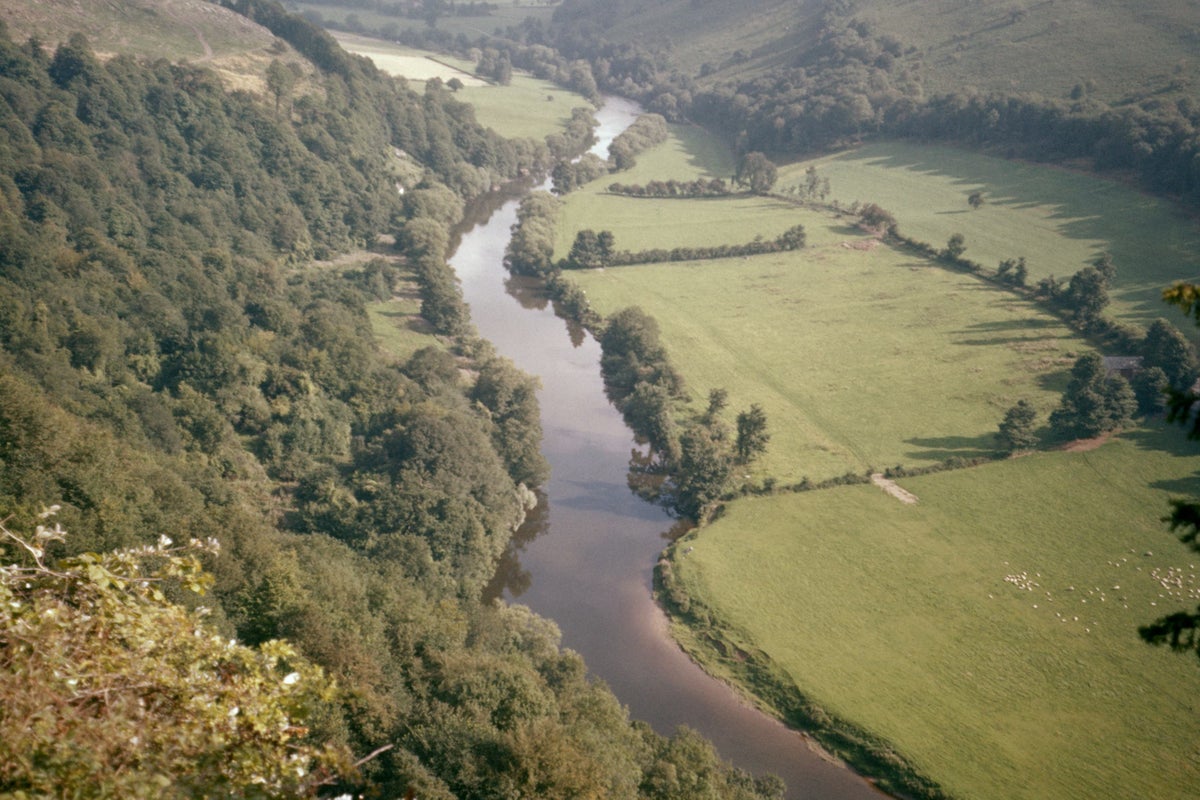
Lawyers for Welsh Water have told the High Court there will be less money available for investing in infrastructure if a claim over pollution in the River Wye and River Usk is successful.
The group, of more than 1,300 people, are suing the water company along with Avara Foods and its subsidiary, Freemans of Newent.
The claimants allege agricultural pollution and sewage have damaged the rivers and their tributaries, while it has caused a nuisance to residents from odour, insects and noise.
All three companies are opposing the claim.
Anneliese Day KC, for the group, said in written submissions for a preliminary hearing on Monday: “As a result of pollution for which the defendants are responsible through their agricultural/sewage-related activities, the health of the River Wye, the River Usk and their tributaries has declined.
“The ecological decline of the rivers has caused harm to the claimants, who bring claims for substantial damages and injunctive relief against the defendants.”
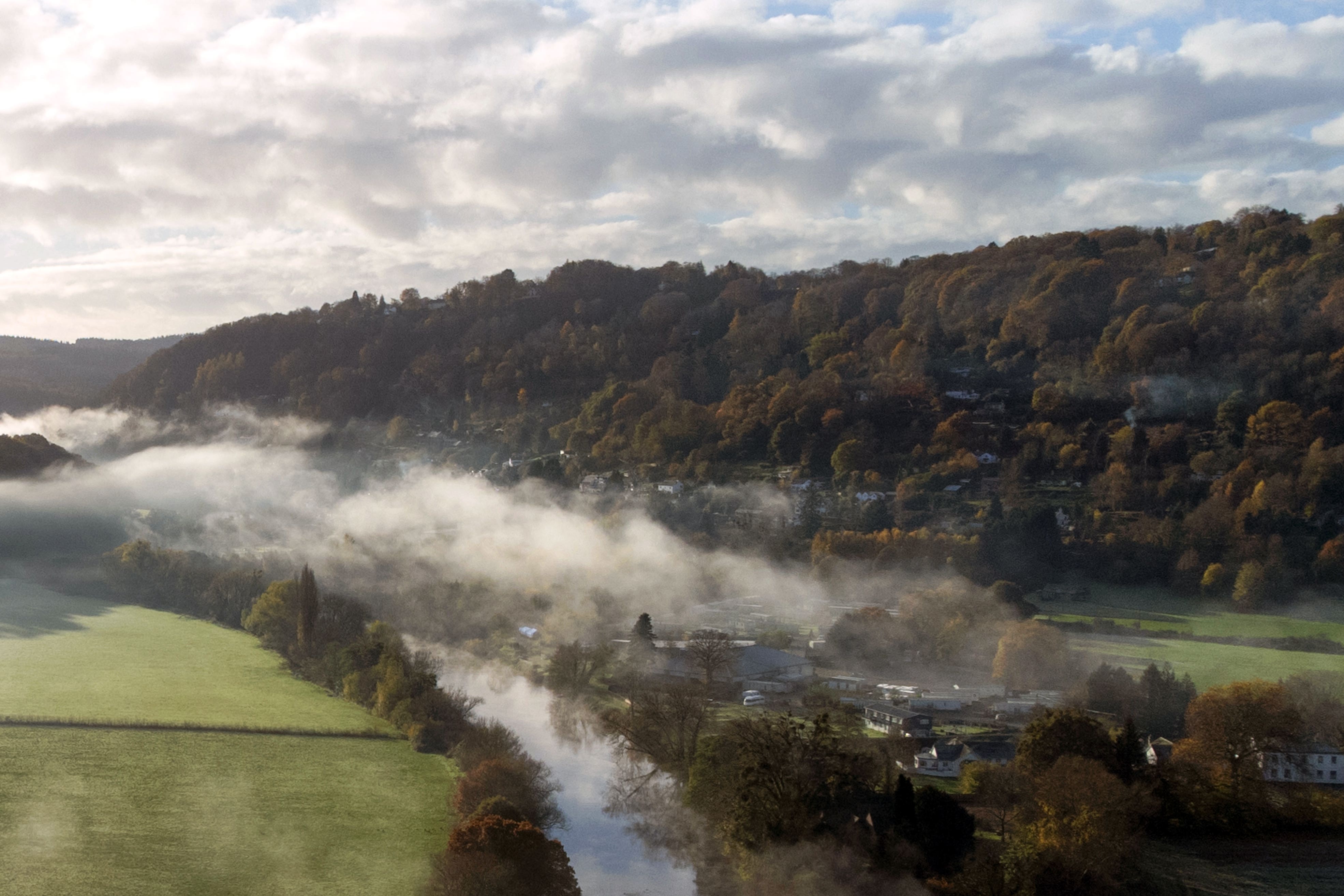
She said that 1,309 people have joined the claim so far, while around 300,000 people live in the Wye and Usk catchments and “depend on the rivers as a shared environmental resource”.
Geraint Webb KC, for Welsh Water, said in written submissions that there is an “evident paradox” in bringing the claim because Welsh Water is a not-for-profit company.
He said: “If the claimants were to succeed in recovering damages in these proceedings from Welsh Water then the effect would be to reduce the monies available to Welsh Water for infrastructure investment, as well as giving rise to the risk of adverse impacts on services to customers, communities and the environment.”
He also said there is “nothing normal” in the way the claim has been brought, highlighting an advert published by the law firm involved, Leigh Day, which suggests people can join if they use the river for leisure activities.
Charles Gibson KC, for the food companies, said the group’s claim that fertiliser has caused pollution is “entirely inferential and is an oversimplification”.
In written submissions, he said: “Their claim is fundamentally misconceived in law and in fact, lacking in any proper scientific basis, and misunderstands how poultry farms in fact operate.”
The barrister also said that those bringing claims should set out how they have been personally affected and the approximate date it began.
He said: “In all of these causes of action, it will be critical for each claimant to establish not merely that some parts of the River Wye and its tributaries had been polluted, but that the claimant himself or herself was personally affected by that pollution, and that such pollution actually caused him or her actionable loss and damage.”
Judge David Cook described the claim as an “omnibus” which “anybody can get on board”, but that “anyone who wishes to get on board the bus must plead a case”.
The judge added: “The way the claimants have gone about this is more akin to signing a petition.”
He continued: “I was quite frankly taken aback by how the claimants have gone about this.
“It seemed to be their way or the highway.”
The hearing is due to conclude on Monday.