

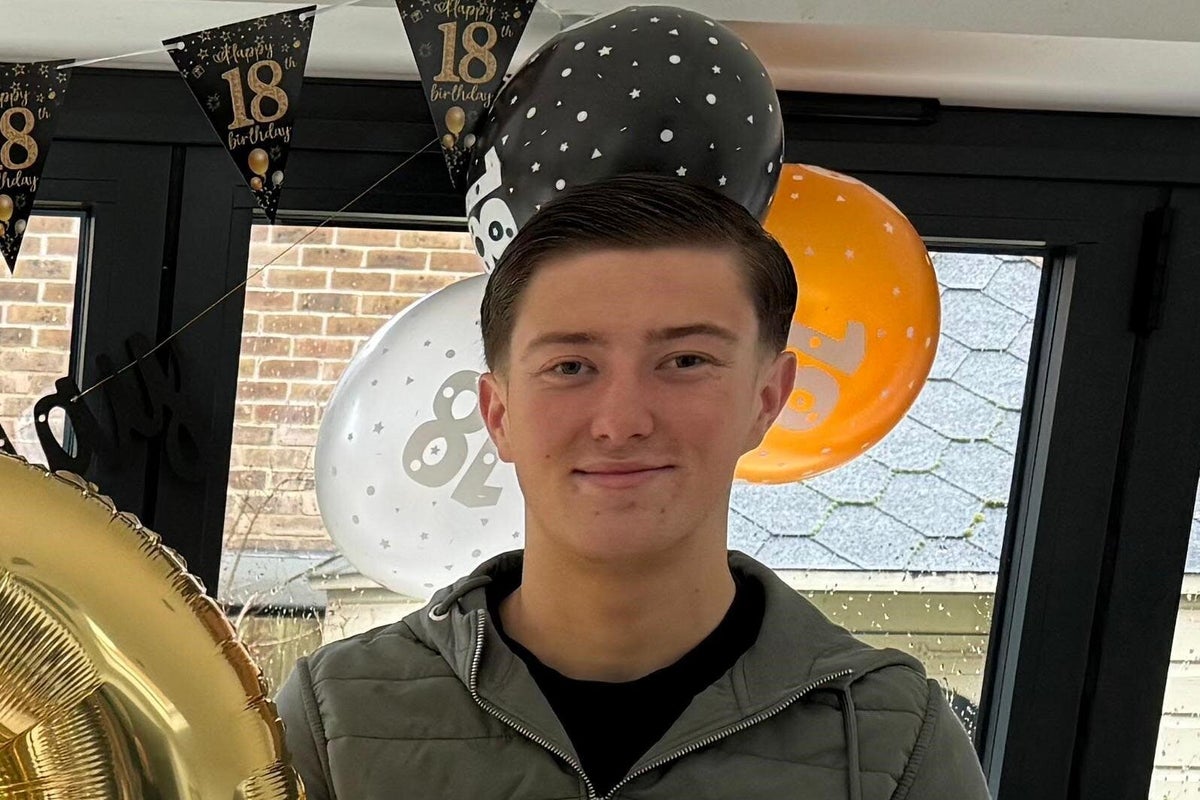
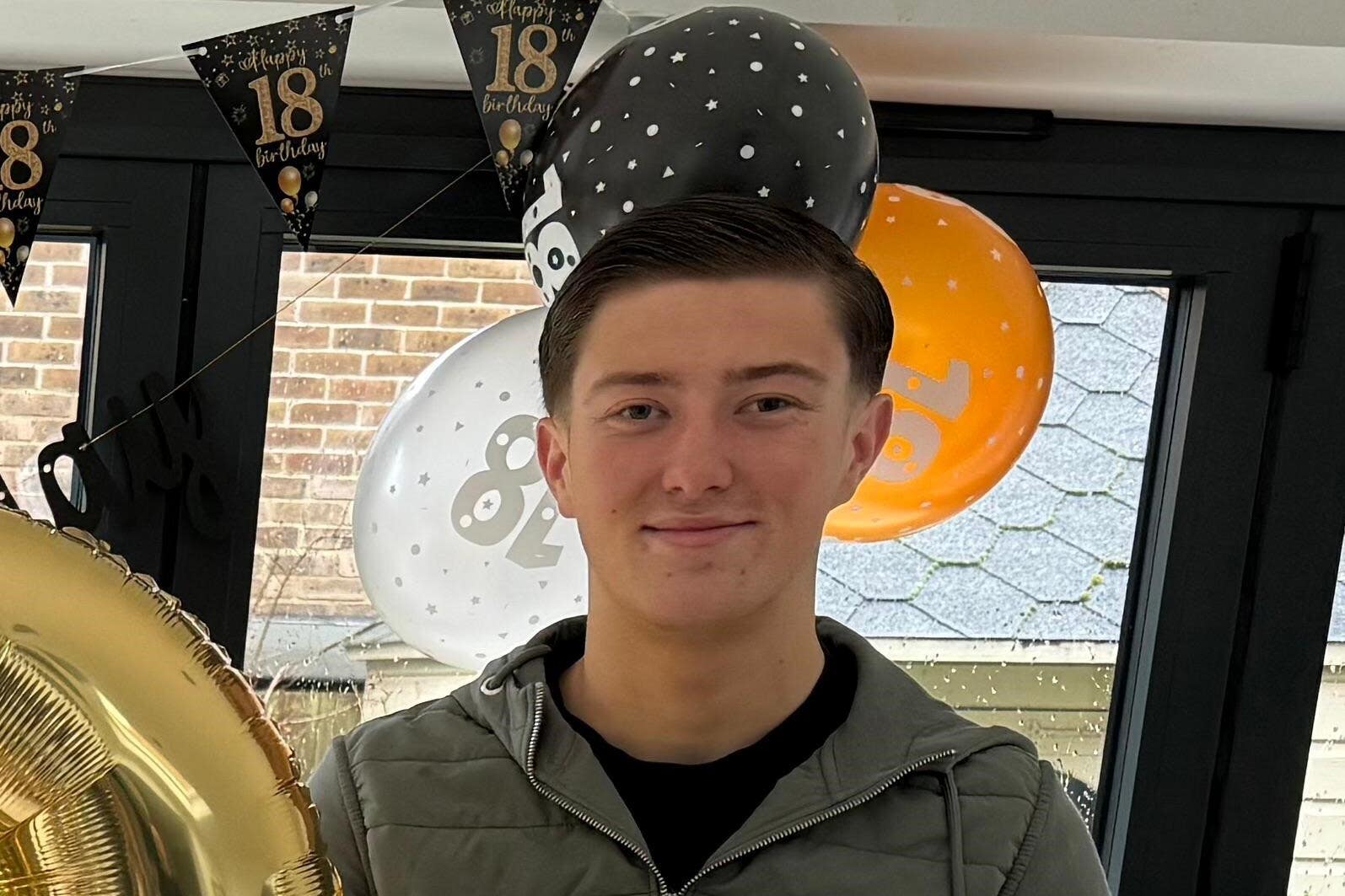
An inquest into the murder of student Henry Nowak must examine if the actions of police officers contributed to his death, a coroner has ruled.
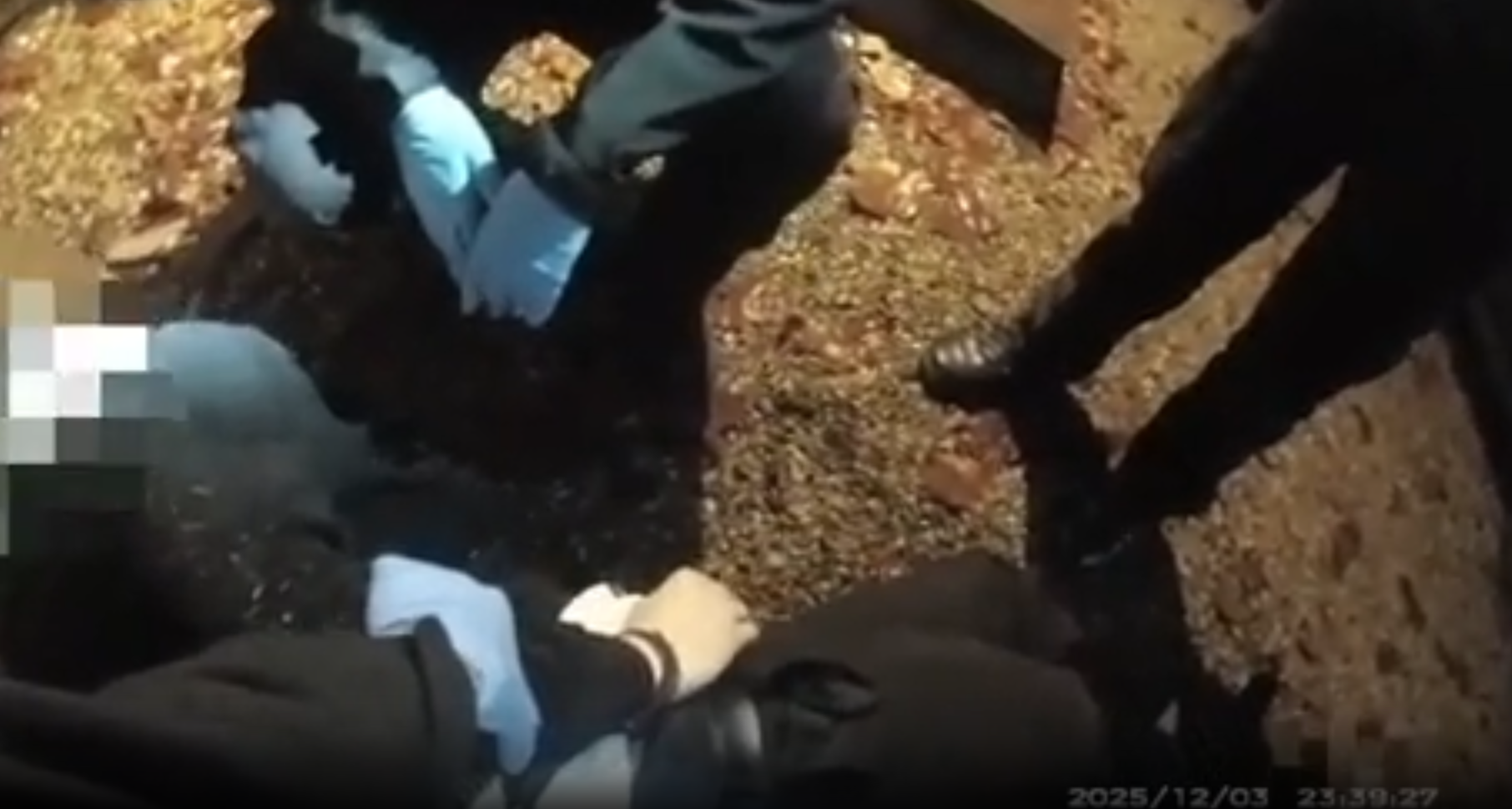
The killing of Mr Nowakprompted a national outcry after Hampshire Police officers handcuffed the 18-year-old in Southampton last December, after he had been been stabbed repeatedly by Vickrum Digwa, who was later jailed for life.
During the encounter, Digwa lied and claimed he had been racially abused by Mr Nowak. As the victim lay dying on the floor, he said that he had been stabbed, to which one officer replied: “Don’t think you have, mate”.
Hampshire Constabulary has been sharply criticised for its response to the incident and chief constable Alexis Boon described the incident as an “absolute tragedy”.
The case has prompted accusations that police equality guidance influenced the disparity in how Mr Nowak and his killer were initially treated.

Area coroner Jason Pegg said Mr Nowak’s medical cause of death was given in a post-mortem examination as “a stab wound to chest”.
He said a jury inquest would “allow public and family scrutiny of all the circumstances by which Henry came by his death”.
Mr Pegg told Winchester Coroner’s Court on Thursday that Mr Nowak’s death in custody meant the investigative duty under Article 2 of the European Convention on Human Rights had been triggered.
“The scope of any inquest where article two is engaged is not simply how someone came by their death, but also in what broader circumstances.
“I am not satisfied that the investigations that have taken place to date in relation to the death of Henry Nowak have fully discharged the investigative article two obligation.

“Indeed, those other investigations were not and are not necessarily intended to discharge such obligations.”
Mr Pegg added: “The issue in this case is likely to be whether any act or omission by a police officer or any delay in the treatment Henry Nowak received caused or contributed to death.
“An inquest will allow such scrutiny, it will be a public hearing on the broad circumstances by which Henry came by his death.
“Having an inquest will allow Henry’s family to effectively participate in those proceedings.”
The full inquest into the death of Henry Nowak will open with a jury at Winchester Coroner’s Court on 20 September 2027.
Digwa was given a life sentence with a minimum of 21 years in prison for stabbing Mr Nowak with a ceremonial knife with a 21cm blade prosecutors said was a kirpan, which he carried as part of his Sikh religion.

The police watchdog, the Independent Office for Police Conduct, is expected to report on the case within the next three months.
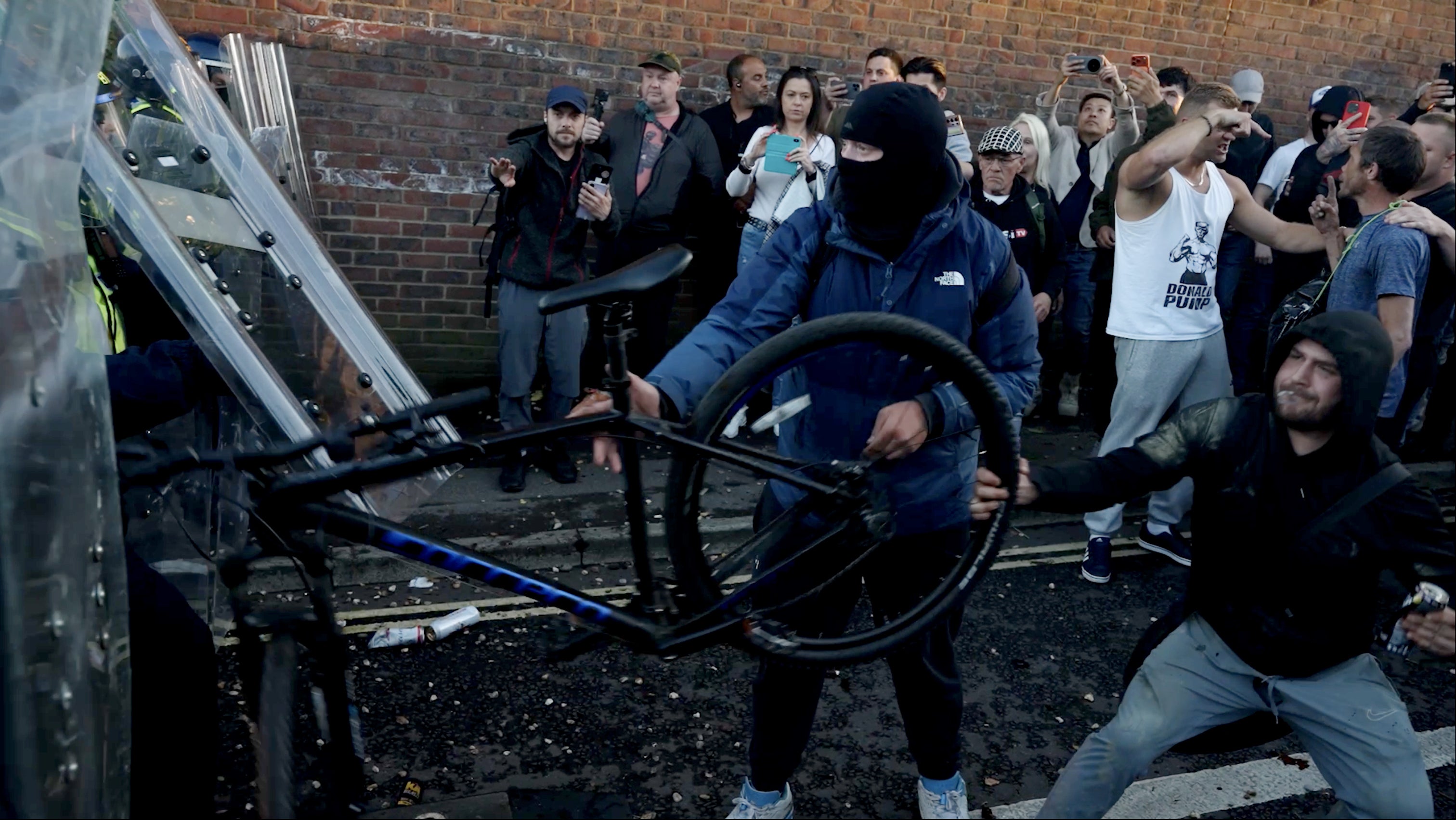
Demonstrations outside Southampton Police Station on Tuesday evening turned violent, with chairs, bins and bricks thrown towards officers in riot gear.
Two men have been charged after the disorder, which led to the injury of 11 police officers and one police dog.
Meanwhile, Nigel Farage has faced heavy criticism for suggesting the public should feel “pure, cold rage” about the case, and has been accused of stoking racial tensions with his remarks.
Pressed if there was a danger his remarks could have been interpreted as incitement, Mr Farage told Times Radio: “The division will get far worse. What you saw in Southampton last night is the beginning.
“If we get large numbers of young, white males who think the police are prejudiced against them, goodness knows where we go. This has to end.”
Before adjourning the inquest to that date, area coroner Jason Pegg said: “After having carefully considered all of the relevant matters before me, I do direct that the inquest touching the death of Henry Nowak be resumed.
“And I say that being satisfied that there are sufficient reasons including to allow public and family scrutiny of all the circumstances by which Henry came by his death and to meet obligations under article two.
“I will hear the inquest sitting with a jury in due course.
“I am going to adjourn the inquest to 20 September 2027.
“I recognise that date is some time away. It might be that the inquest is brought forward and I hope that it is.”