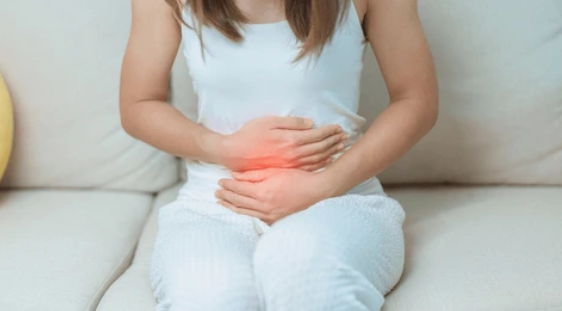
March is Endometriosis awareness month – dedicated to
raising awareness of Endometriosis which affects 1 in 7 women.
What is endometriosis and what are the symptoms?
Endometriosis occurs when tissue, similar to the lining of
the uterus, grows in other parts of the body. This tissue is often found around
the uterus, the ovaries, the bladder and the bowel. This tissue will respond to
the reproductive hormones that regulate the menstrual cycle so pain and inflammation
are very common. This can also lead to scarring.
Symptoms can vary significantly but some common symptoms
include:
- Pain – period pain, ovulation pain, painful sex, pelvic pain
- Bleeding – heavy or irregular periods or periods that go for
longer than 7 days, bleeding between cycles - Gut – diarrhoea, constipation, nausea, bloating
- Fatigue and exhaustion
- Infertility
Where can I get help?
Your doctor is a good place to start.
Tracking your period and how you feel throughout your cycle
can be very helpful. You might use a cycle-tracking app, a built-in option on
your phone, or simply note patterns and pain on a calendar.
If period pain does not settle with over-the-counter pain
relief such as Nurofen, or if it stops you from playing sport, attending school,
or going to work, it is important to speak with your doctor. Many women put up
with very painful periods believing this is normal, but it does not have to be.
Endometriosis symptoms can change over time, so ongoing
review is important. Your doctor can refer you to a specialist and arrange
investigations such as an ultrasound to check for endometrial tissue growing
outside the uterus, as well as signs of inflammation or scar tissue.