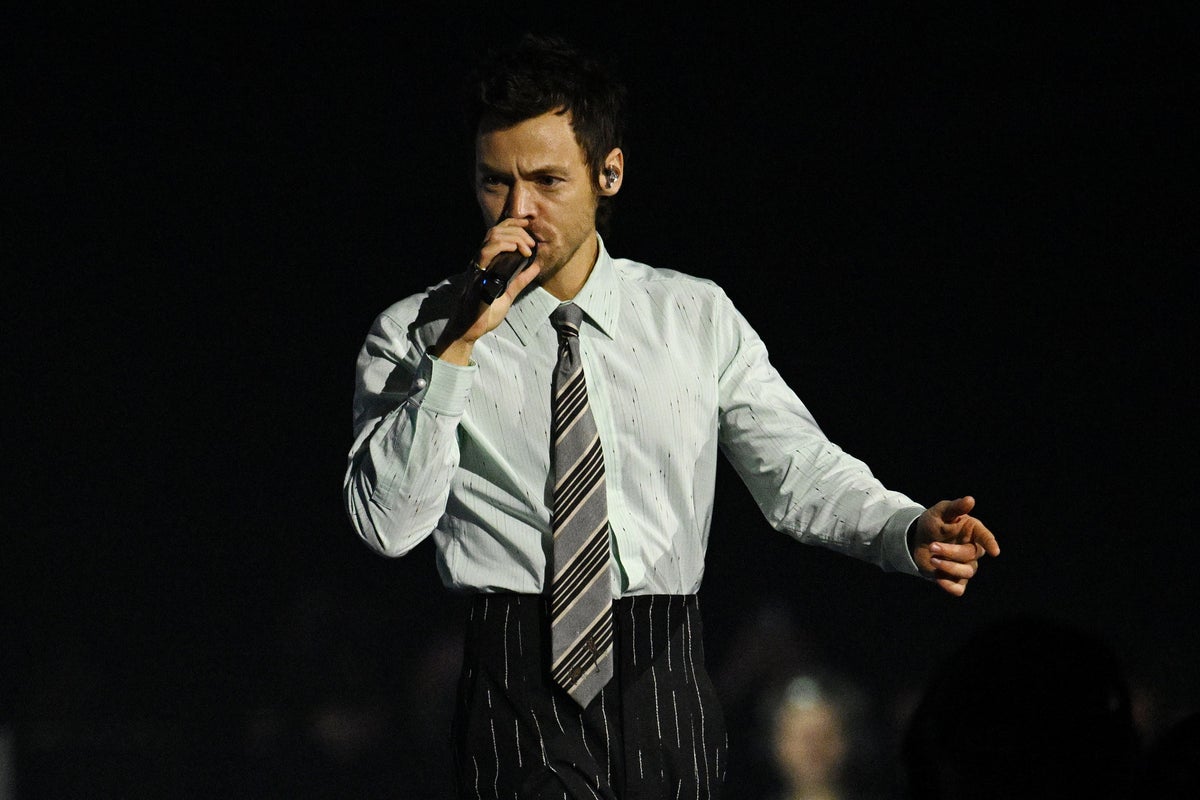
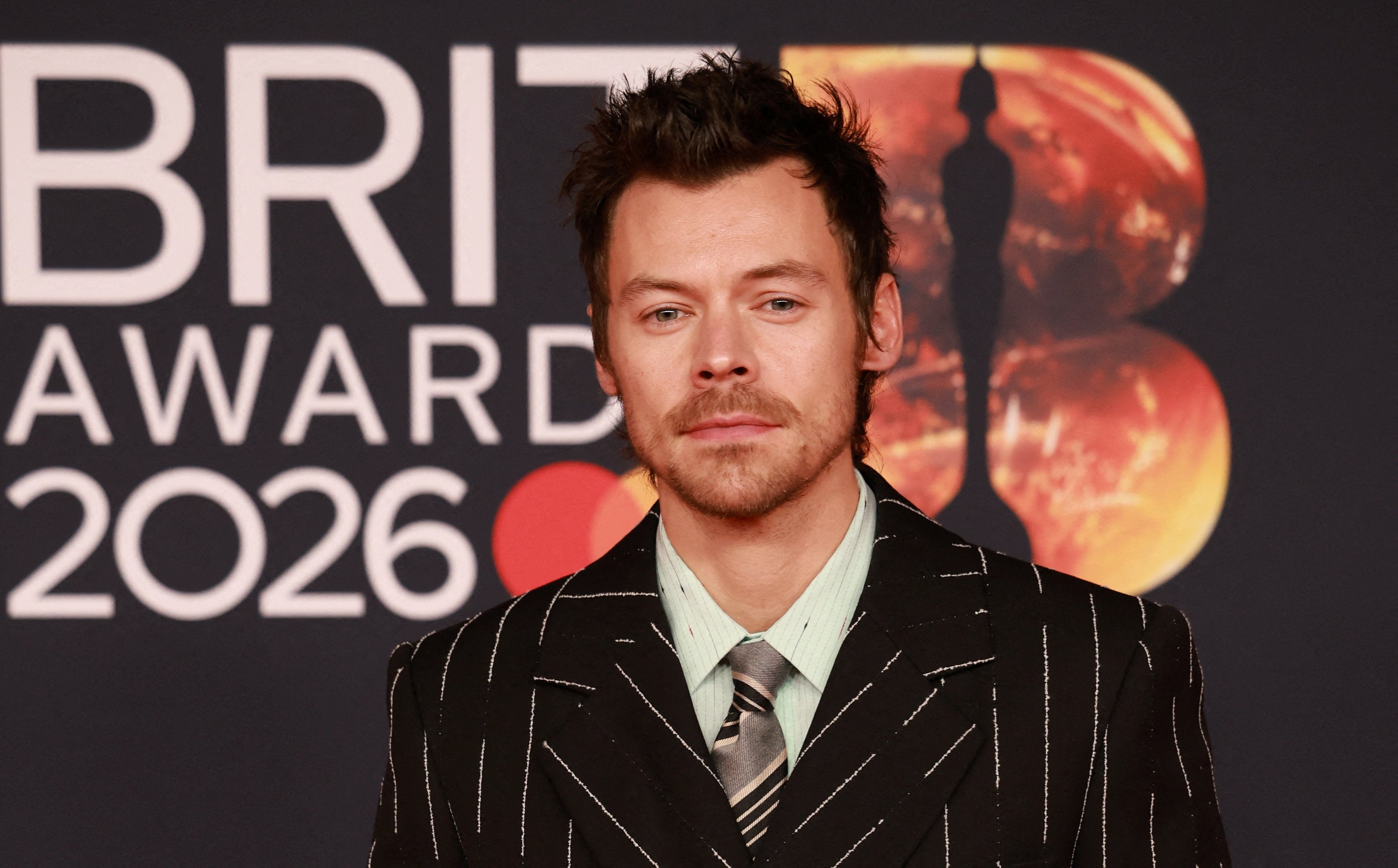
Harry Styles’ upcoming 12-night residency at Wembley Stadium is projected to inject a staggering £1.1 billion into the economy, driven by dedicated fan spending despite ongoing cost-of-living pressures, new figures reveal.
Ticket-holders for the Together, Together tour – which is exclusively limited to London in the UK, are anticipated to spend an average of £981 each. This comprehensive figure covers travel, accommodation, merchandise, and other associated costs, according to a survey commissioned by Barclays bank.
This average outlay significantly surpasses the £848 spent by fans attending Taylor Swift’s Eras Tour and the £766 for Oasis Live ’25 shows. The disparity is largely attributed to Styles’ UK dates being confined solely to the capital, leading to higher travel and accommodation expenses compared to tours spread across four different UK locations.
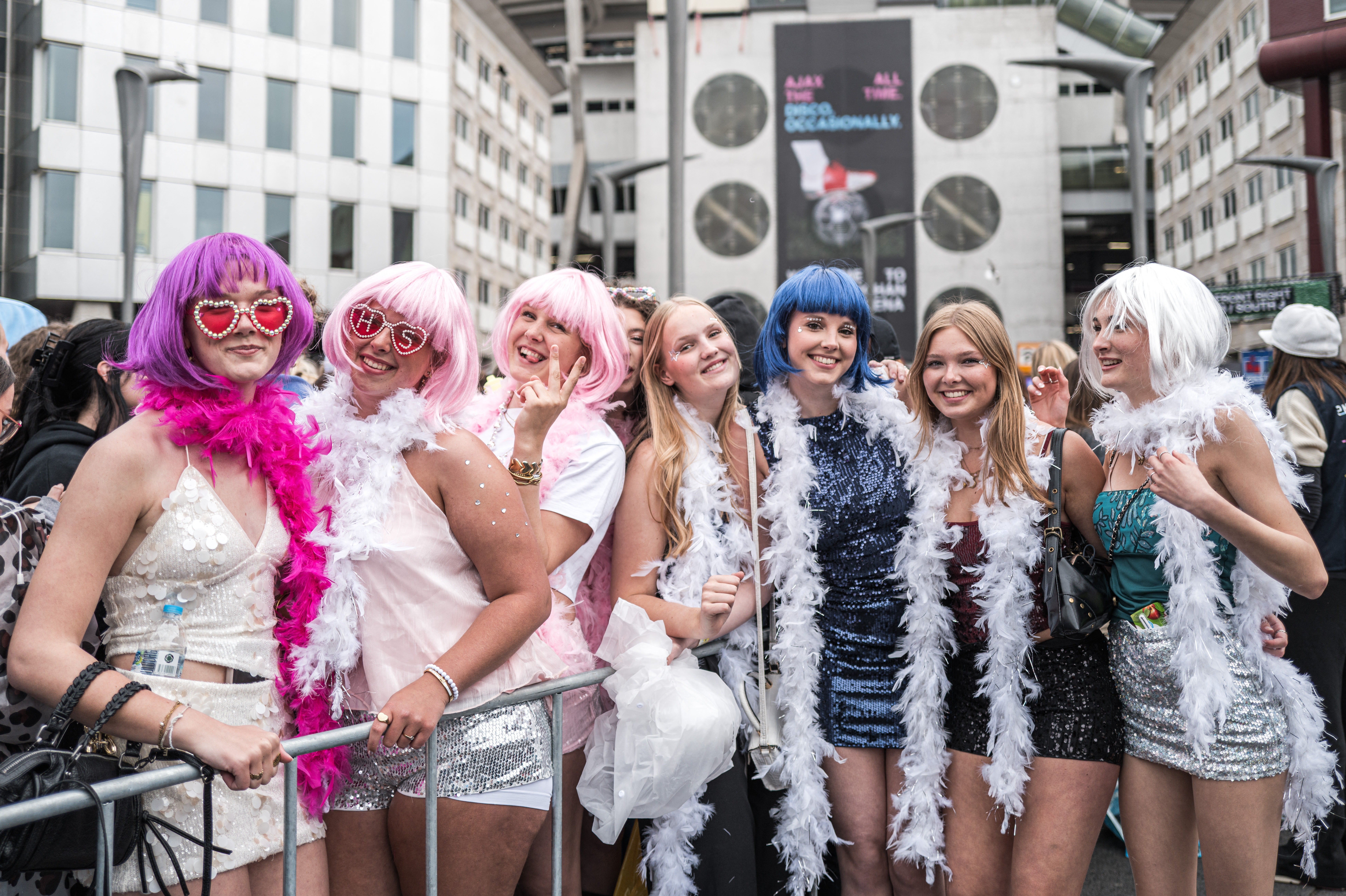
Beyond the financial commitment, the concerts are fostering a vibrant fan culture. Styles’ devotees expect to spend an average of £102 on official tour merchandise, while nine out of 10 plan to participate in a “fan trend” on the day.
This includes 63 per cent intending to wear a Harry Styles-themed look, 20 per cent coordinating outfits with friends, and 22 per cent hoping to create or exchange fan-made items.
Barclays has described the event as a “major cultural moment”, with an estimated one million ticket-holders converging on London for the 12 dates, commencing on 12 June. With only one other European stop in Amsterdam, Styles’ Wembley residency will mark the most performances by any artist in a single year at the iconic 90,000-capacity venue.
The survey further detailed the breakdown of costs, revealing an average ticket price of £143.20. While 19 per cent admitted this was more than initially planned, a substantial 66 per cent stated they would have been willing to pay even more.
Other significant expenditures include an average of £141.20 on accommodation, £103.10 on transport, and £103.10 on food and drinks before the show. A quarter of fans (28 per cent) also plan to incorporate sightseeing and other London attractions into their trip.
The motivation behind such spending is clear: over a quarter (27 per cent) of ticket-holders view the concert as a once-in-a-lifetime experience, while 17 per cent cited ‘fear of missing out’ (FOMO) as a factor in their purchase. Nearly three-quarters (74 per cent) of those polled also felt that securing tickets to sold-out or highly sought-after events now serves as a status symbol.

Enjoy unlimited access to 100 million ad-free songs and podcasts with Amazon Music
Sign up now for a 30-day free trial. Terms apply.
Try for free
ADVERTISEMENT. If you sign up to this service we will earn commission. This revenue helps to fund journalism across The Independent.
Enjoy unlimited access to 100 million ad-free songs and podcasts with Amazon Music
Sign up now for a 30-day free trial. Terms apply.
Try for free
ADVERTISEMENT. If you sign up to this service we will earn commission. This revenue helps to fund journalism across The Independent.
Tom Corbett, managing director of sponsorship and client experience at Barclays, commented on the phenomenon: “This tour shows just how powerful live entertainment can be, benefiting consumers and businesses alike.
‘Concert tourism’ is on the rise because of the extent to which people value unique, shared experiences – so much so that they’re willing to invest in them even when cutting back elsewhere, and to travel to see their favourite artists perform.”
The findings are based on a survey conducted by Opinium, which polled 2,000 respondents and an additional 200 ticket-holders between 28 April and 1 May.