

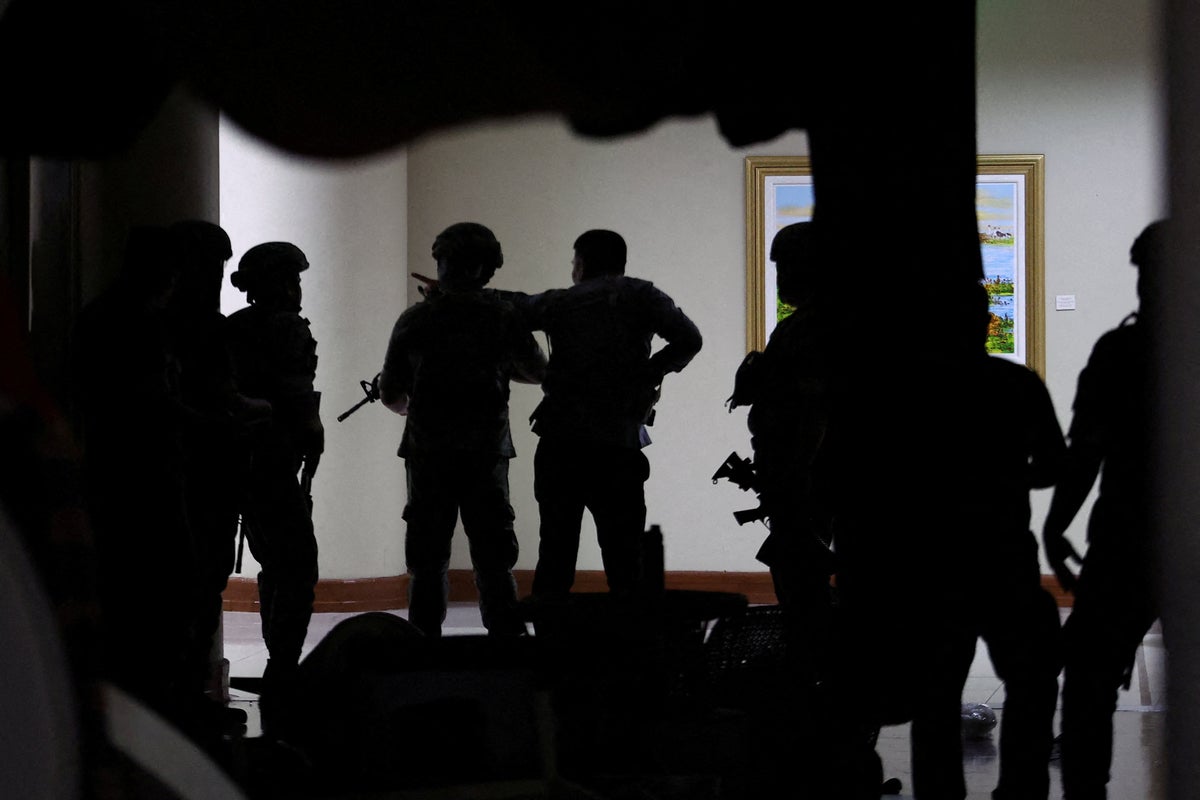
Volleys of gunshots were heard at the Philippine Senate on Wednesday, prompting calls for people to seek cover amid mounting chaos, as an attempt to arrest a prominent senator wanted by the International Criminal Court appeared imminent.
Reuters journalists observed more than 10 military personnel, clad in camouflage fatigues and carrying assault rifles, arriving at the Senate building.
However, the source of the gunfire and the precise nature of the unfolding events remained unclear, with military officials unavailable for immediate comment regarding the troops’ presence or any other security personnel inside.
There have not yet been any casualties reported after shots were fired in the Philippine Senate on Wednesday, Senate Secretary Mark Llandro Mendoza told reporters.
The situation is still being assessed after an undetermined number of law enforcers attempted to enter the building, he said.
The dramatic scenes unfolded as Senator Ronald dela Rosa, a key figure in Rodrigo Duterte’s controversial “war on drugs”, took to Facebook to declare his arrest was imminent.

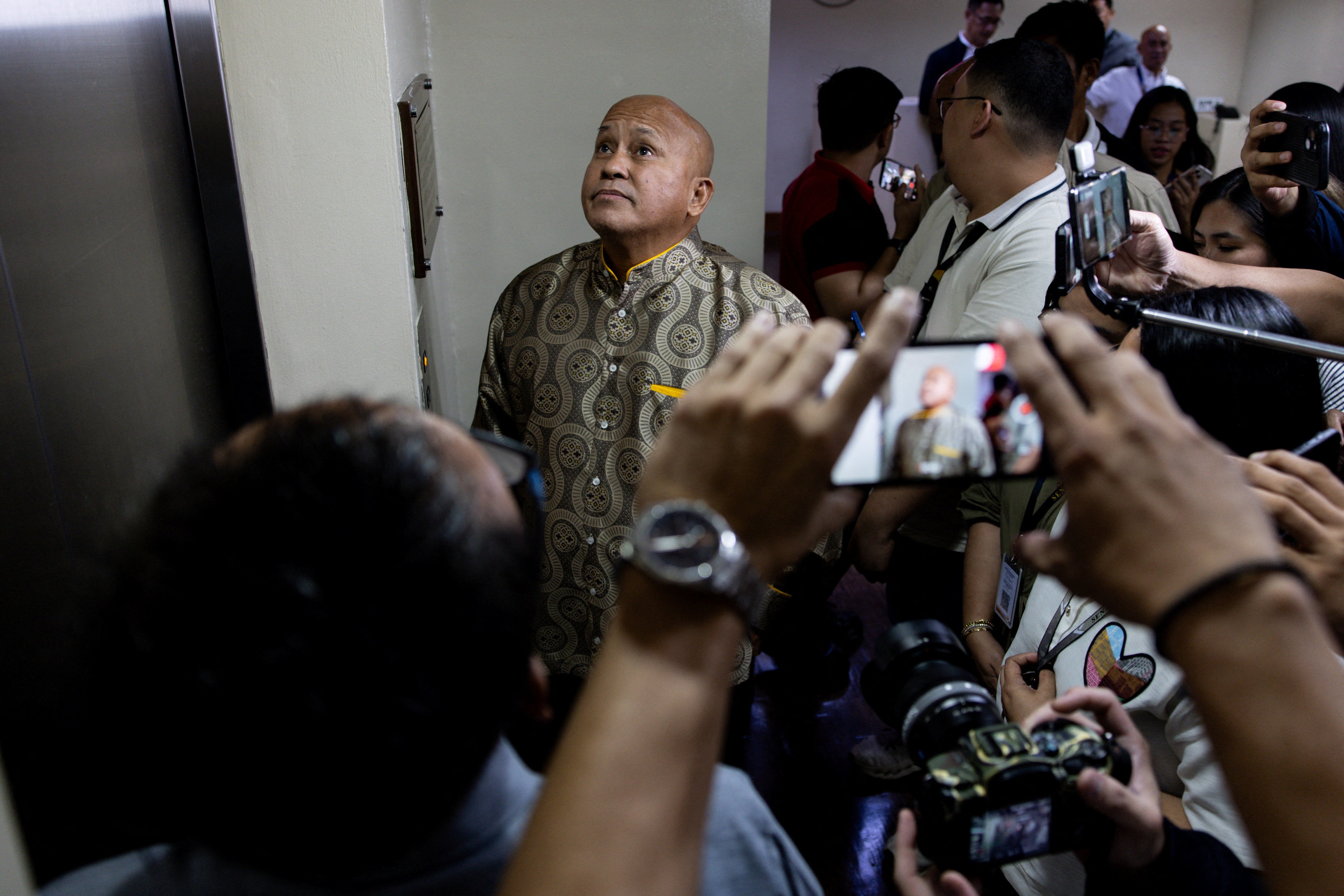
He urged the public to mobilise and prevent his handover to the International Criminal Court (ICC).
Mr dela Rosa, who has been sheltering in his legislative office since Monday, explicitly called on citizens to block his apprehension, stating that law enforcement agents were en route following the ICC’s unsealing of an arrest warrant against him.
The warrant, dated November and made public on Monday, seeks the arrest of the former police chief on charges of crimes against humanity, the same crimes 81-year-old Duterte is accused of as he awaits trial in The Hague following his arrest last year.
“I am appealing to you, I hope you can help me. Do not allow another Filipino to be brought to The Hague,” dela Rosa said in a video posted on Facebook from his Senate office.
Dela Rosa, 64, was Duterte’s top lieutenant overseeing a fierce crackdown during which thousands of alleged drug dealers were slain, with human rights groups accusing police of systematic murders and cover-ups.
Police reject the allegations and say the more than 6,000 killed in anti-drugs operations were all armed and had resisted arrest.