

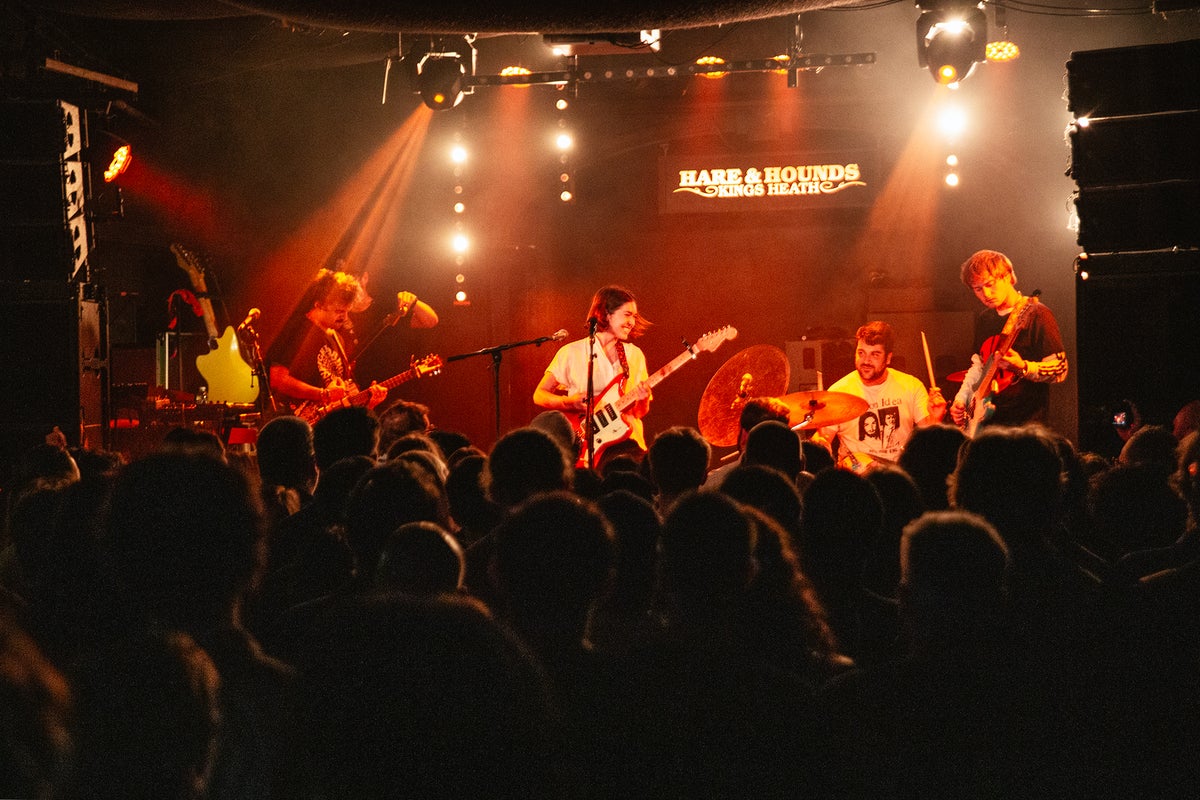
It’s no secret that the situation of Britain’s music venues has grown increasingly fraught, made worse by the Covid pandemic, the cost-of-living crisis, and shifting trends in alcohol consumption.
That’s why, when Labour pledged to reduce business rates for pubs and music venues by 15 per cent back in January, many business owners across the country breathed a collective sigh of relief.
But, after the changes finally came into effect earlier this week, just how positive are the UK’s grassroots venues feeling about the future?

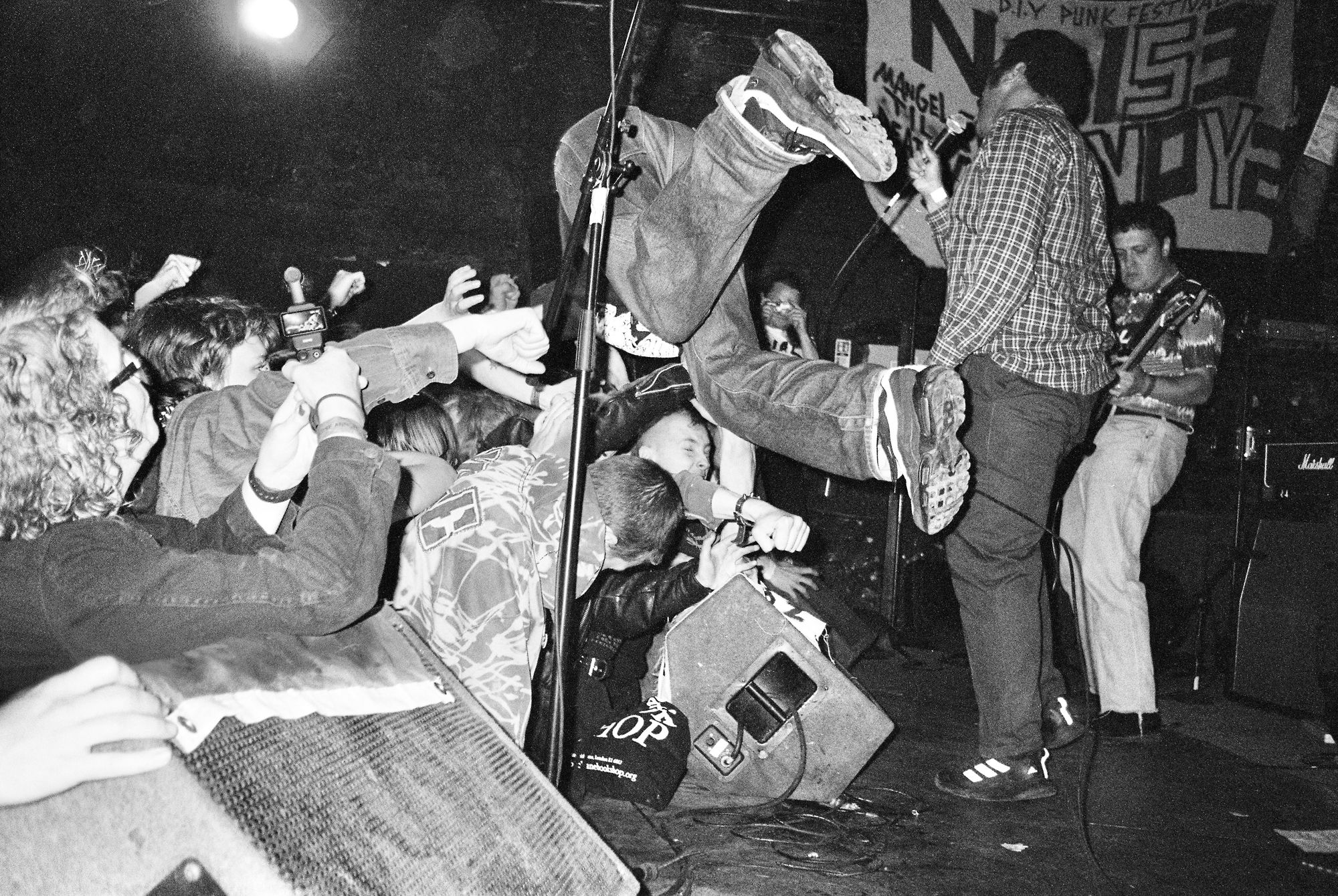
Adam Regan, owner of the historic Hare & Hounds in south Birmingham, told The Independent that the new rates relief left much to be desired, even while he feels confident that his business is in a good place.
“Let’s just say that the extra 15 per cent discount after the initial rates increase isn’t enough”, Mr Regan said. “It feels like a token gesture that most people saw through immediately.”


The 15 per cent rates relief was announced after Labour was met with backlash for scrapping the 40 per cent reduction implemented post-Covid, as part of their autumn budget in 2025.
In an open letter addressed to the government in December, the Music Venue Trust (MVT) described the possible repercussions of Labour’s decision as “chilling”.
Its statement warned: “Smaller arenas in towns and cities across the UK will teeter on the edge of closure, potentially resulting in thousands of jobs losses and hollowing out the cultural spaces that keep places thriving.”


Enjoy unlimited access to 100 million ad-free songs and podcasts with Amazon Music
Sign up now for a 30-day free trial. Terms apply.
Try for free
ADVERTISEMENT. If you sign up to this service we will earn commission. This revenue helps to fund journalism across The Independent.
Enjoy unlimited access to 100 million ad-free songs and podcasts with Amazon Music
Sign up now for a 30-day free trial. Terms apply.
Try for free
ADVERTISEMENT. If you sign up to this service we will earn commission. This revenue helps to fund journalism across The Independent.
The effectiveness of the 15 per cent rate as been dismissed by some critics, including shadow chancellor Mel Stride who branded it a “temporary sticking plaster” that would only “delay the pain for a few, while thousands of businesses despair as their bills sky-rocket”.
“Support must be permanent,” he told parliament in January.
According to the MVT’s annual report published that same month, more than half of the UK’s grassroots music venues failed to make any profit in 2025, while 30 venues permanently closed their doors and a total of 6,000 jobs – representing almost 20 per cent of the total workforce – were lost across the sector.
This transpired in spite of a rise in the number of people attending gigs at grassroots level by 13 per cent, a total of 21 million fans.
Mr Regan said that while established venues might be able to “weather the storm”, smaller music establishments would struggle “unless some changes are made very soon”.

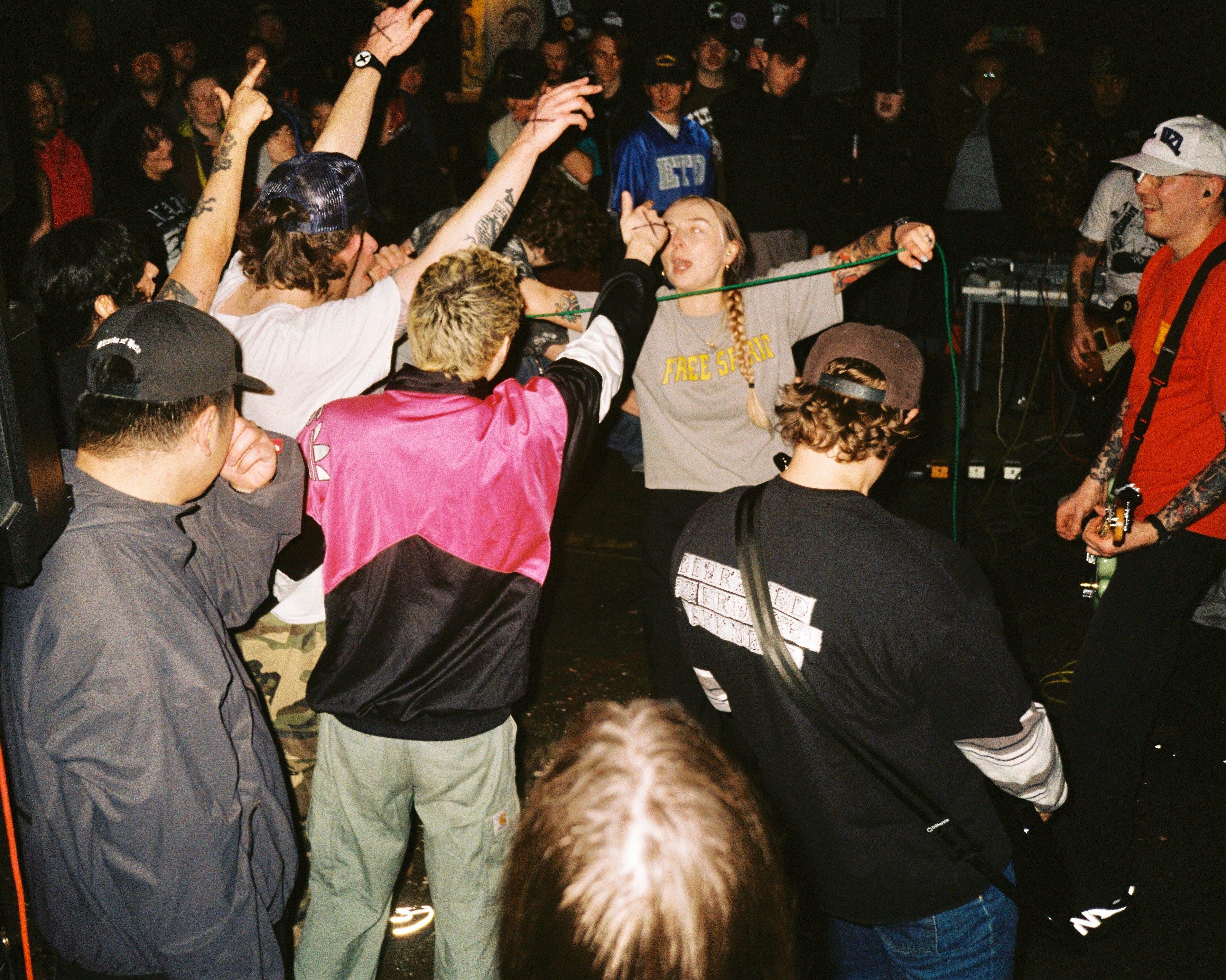
The Lughole, a community-led performance space based in Sheffield, made headlines last month when bailiffs stormed into the venue mid-gig, demanding payment for a debt that the Lughole’s founders have consistently disputed.
Alex Dev, secretary at the Lughole, estimates that the venue’s operating costs have risen by around 25 per cent over the past three years. While the Lughole is yet to be told whether they have qualified for the 15 per cent rates relief, he believed their effects would be significant.
“We strongly welcome the introduction of this relief,” he told The Independent. “This level of reduction would have a meaningful and immediate impact on our financial sustainability.”
However, he said there was much more the government could be doing to support grassroots music venues, such as making the £1 ticket levy mandatory for arena and stadium gigs.
The initiative has been supported by major stars including Harry Styles, Katy Perry, Sam Fender and Coldplay, all of whom got their starts in grassroots venues. However, the levy remains voluntary; the MVT has called for the whole industry to adopt it.
“Grassroots venues are where artists learn their craft, create scenes, take risks, and change culture,” Mr Dev said.
“Without them, the evolution of music itself is at risk.”