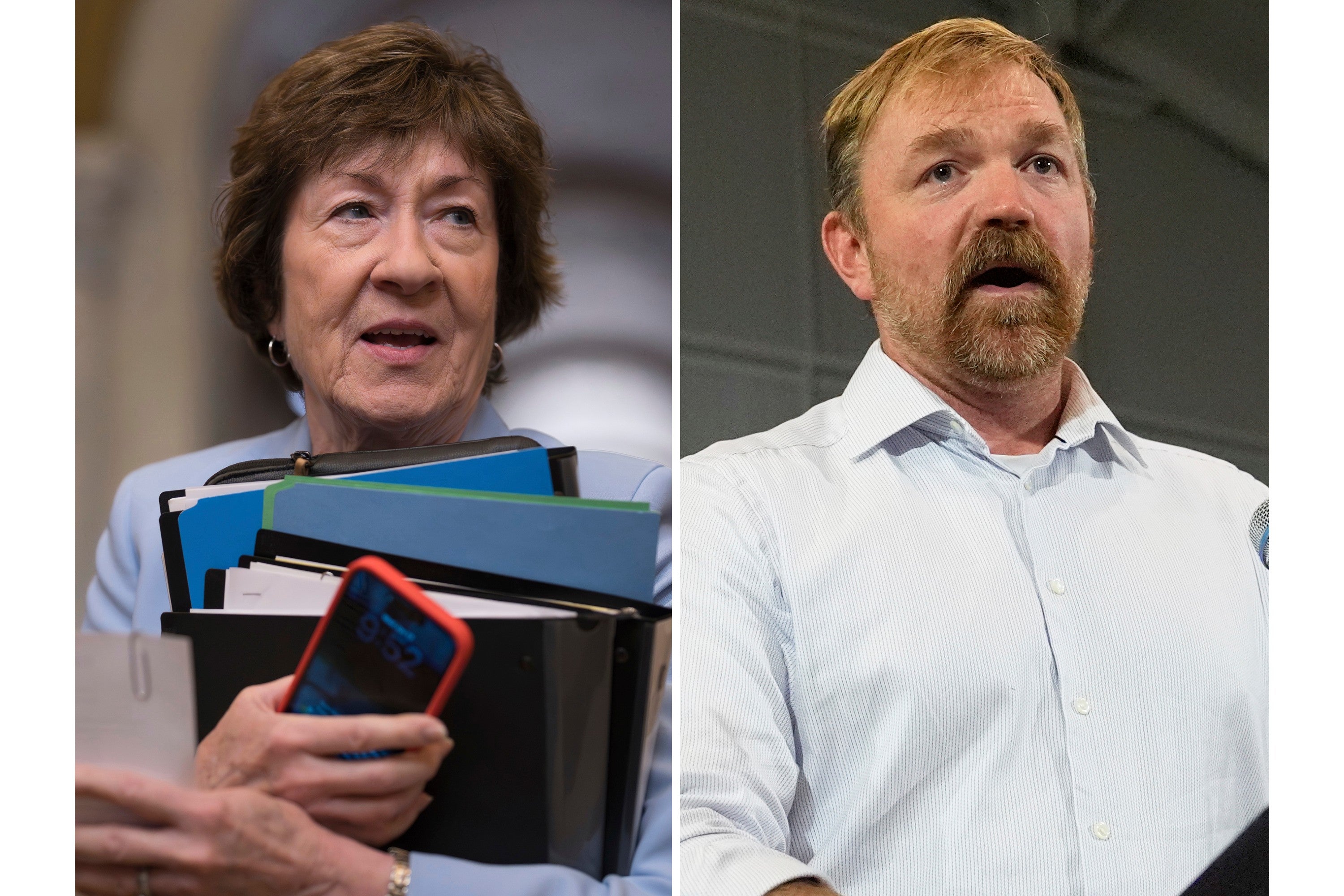
Maine Democratic Senate nominee is on life support after Politico reported on an ex-girlfriend who accused him of sexual assault.
In the 24 hours since then, Platner has lost support not just from the Democratic establishment that backed him, but also from left-wing leaders — including his primary mentor Sen. Bernie Sanders (I-Vt.) — all of whom have now called on him to drop out.
The sudden implosion could not have come in a worse race for Democrats nationally, as the party leaders believe that Sen. Susan Collins, the five-term incumbent Republican in Maine, is finally vulnerable to a challenge after she has warded off Democratic opponents for 30 years.
Collins is the only Republican senator who represents a state that voted for Kamala Harris, and every other seat they can flip this election cycle is in a state that voted for Donald Trump three times. This does not count the fact that Democrats also need to hold Senate seats in Georgia, Minnesota and Michigan.
Democrats currently have 47 Senate seats to the GOP’s 53, meaning they need to pick up four and almost any realistic path to the majority required going through Maine. But there are other routes to 51. Here’s how Democrats can get there, with and without Maine.
The Maine mess
The Politico report dropped exactly one week before the deadline for the Maine Democratic Party to get Platner off the ballot. Of course, this requires Platner, who won his primary, to willingly step aside, something he so far has refused to do.
If he does so, Maine’s party will need to come together to nominate someone by July 27 to qualify.
And even then, the state party will need to factor in name recognition, how well that candidate can raise money and if they can earn support from the national party apparatus.
Dan Kleban, co-founder of the Maine Beer Company, would b a potential candidate. He briefly ran for the Senate seat before he dropped out to endorse Platner’s then-rival, Gov. Janet Mills, who suspended her campaign before the primary.
Nirav Shah, the former director of the Maine Center for Disease Control and Prevention, ran for governor of Maine and has shown interest in campaigning. But the fact he lost his primary might make it difficult for him to make a case.
Troy Jackson, the former Maine Senate president, cuts the same profile as Platner does, having earned the endorsement of Sanders. But he, too, lost the gubernatorial primary and he also campaigned openly with Platner.

There are signs that even with all of this mess, Collins could be uniquely vulnerable. Last week, a Fox News poll showed that about an equal amount of Platner supporters were voting for him as they were against the incumbent and Platner trailed Collins by three points.
About 59 percent of Mainers have an unfavorable opinion of Trump and half of Mainers have a negative opinion of Collins. But if Democrats want this to work, the transition needs to be handled seamlessly.
The must-wins: North Carolina, Alaska and Ohio
With Maine up in the air, Democrats need to flip three seats to get to 50. So far, Democrats have done a decent job of nominating solid nominees in three states that voted for Trump.
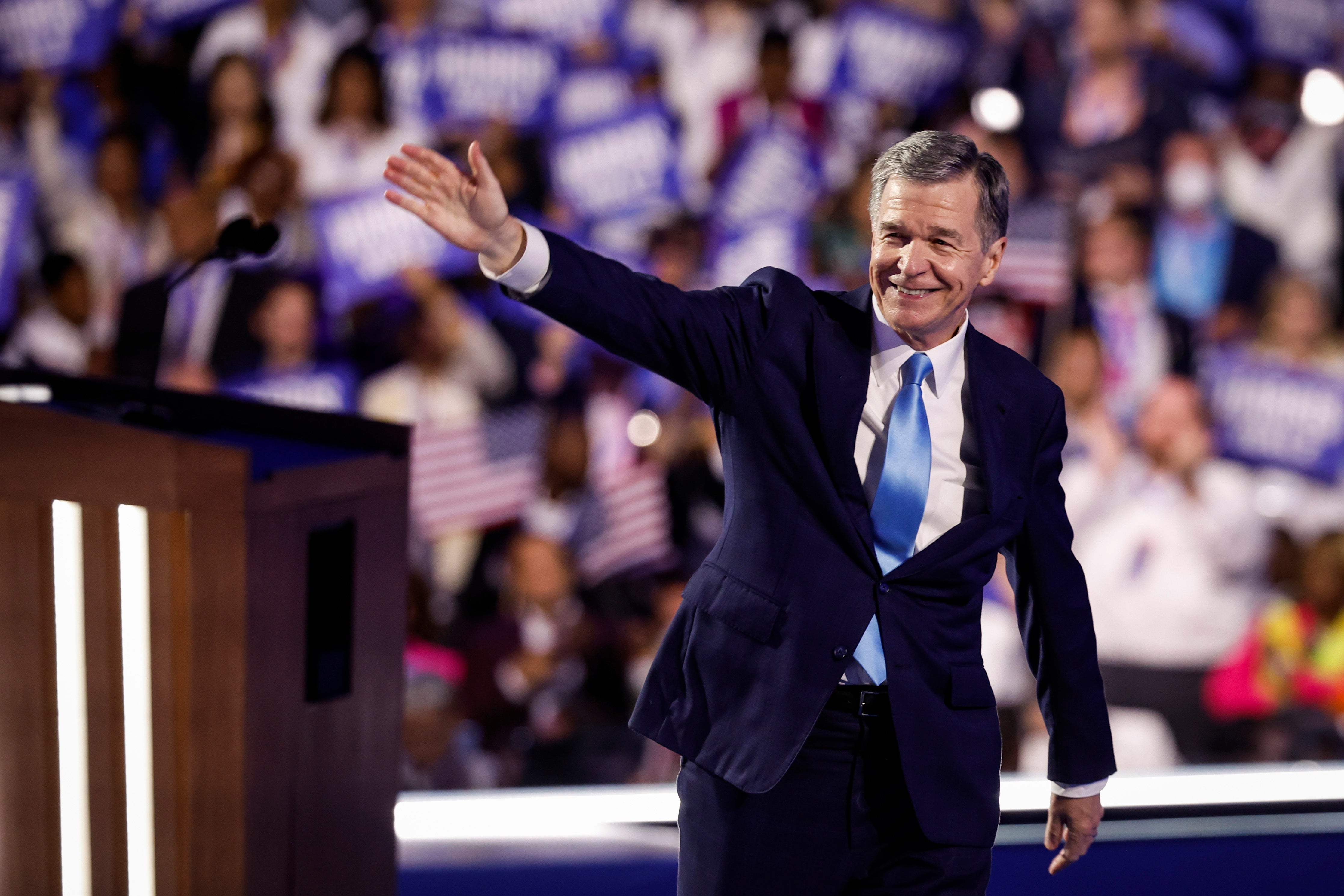
In North Carolina, Roy Cooper, the popular former Democratic governor who won with Trump on the ballot in 2016 and 2020, is running for Senate seat Republican Sen. Thom Tillis is vacating after Tillis feuded with Trump. A New York Times/Siena College poll showed him beating former Republican National Committee chairman Michael Whatley 50 percent to 43 percent. That is a slaughter in a state like North Carolina, which routinely has jump-ball Senate races.
If Cooper can hold this lead, it should be an easy flip.
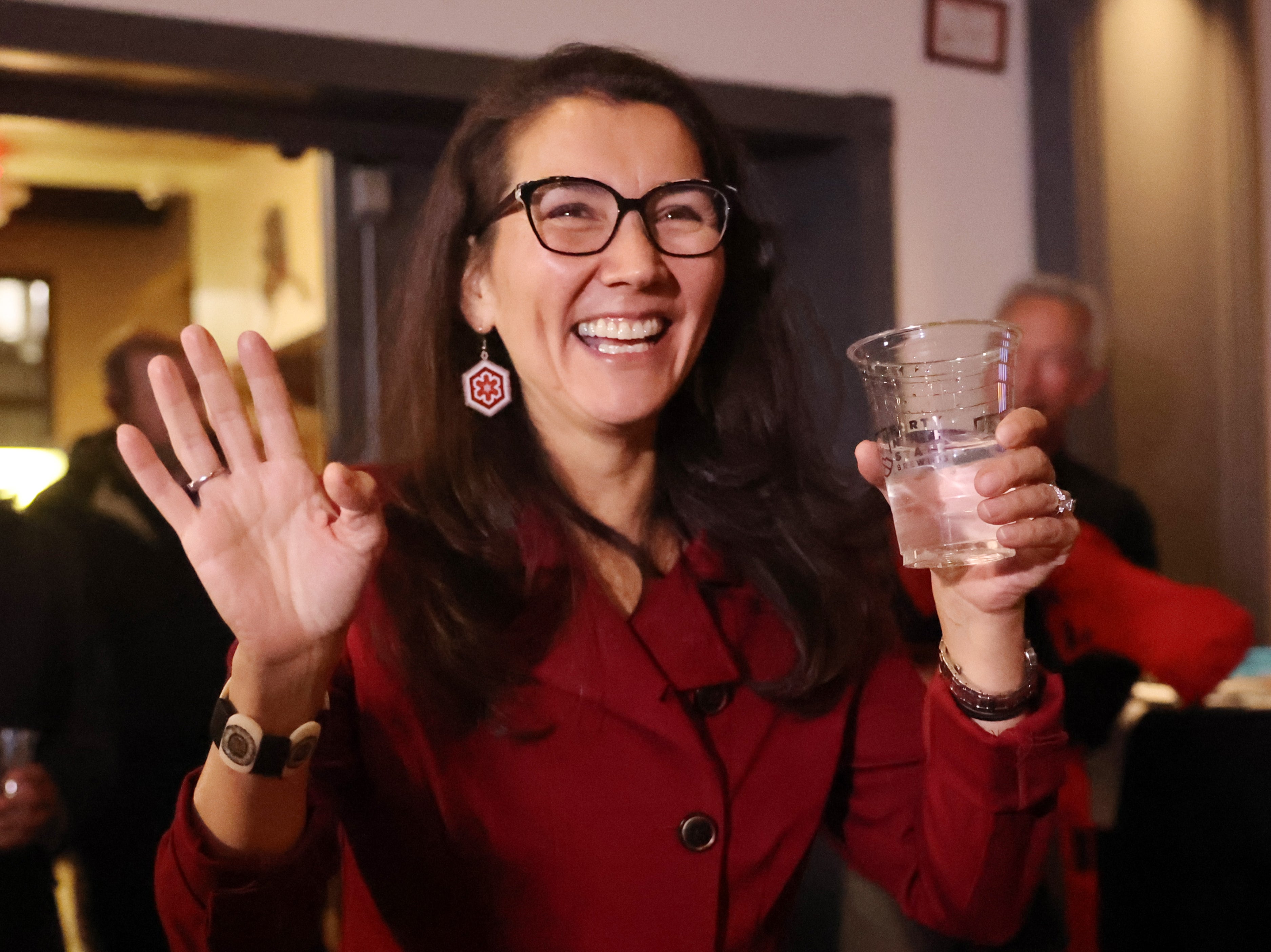
The next ones are doable, but still difficult. In Alaska, former Rep. Mary Peltola announced that she would challenge incumbent Republican Sen. Dan Sullivan. Trump won Alaska by 13 points. But Peltola shocked many in 2022 when she flipped a seat that Democrats had not held in almost 50 years in a special election. Even when she lost her bid for re-election last year, she outperformed the top of the ticket by 9.1 percentage points according to Split Ticket’s wins above replacement model.
A Times/Siena poll showed Sullivan only beating her by 2 points, an eminently doable race. That Alaska is also a ranked-choice state also gives Peltola an advantage because voters who pick another candidate as their top choice can still rank her as a lower choice.
Next is Ohio. Literally everything has to go right for Democrats to win this seat, which JD Vance vacated to become vice president.
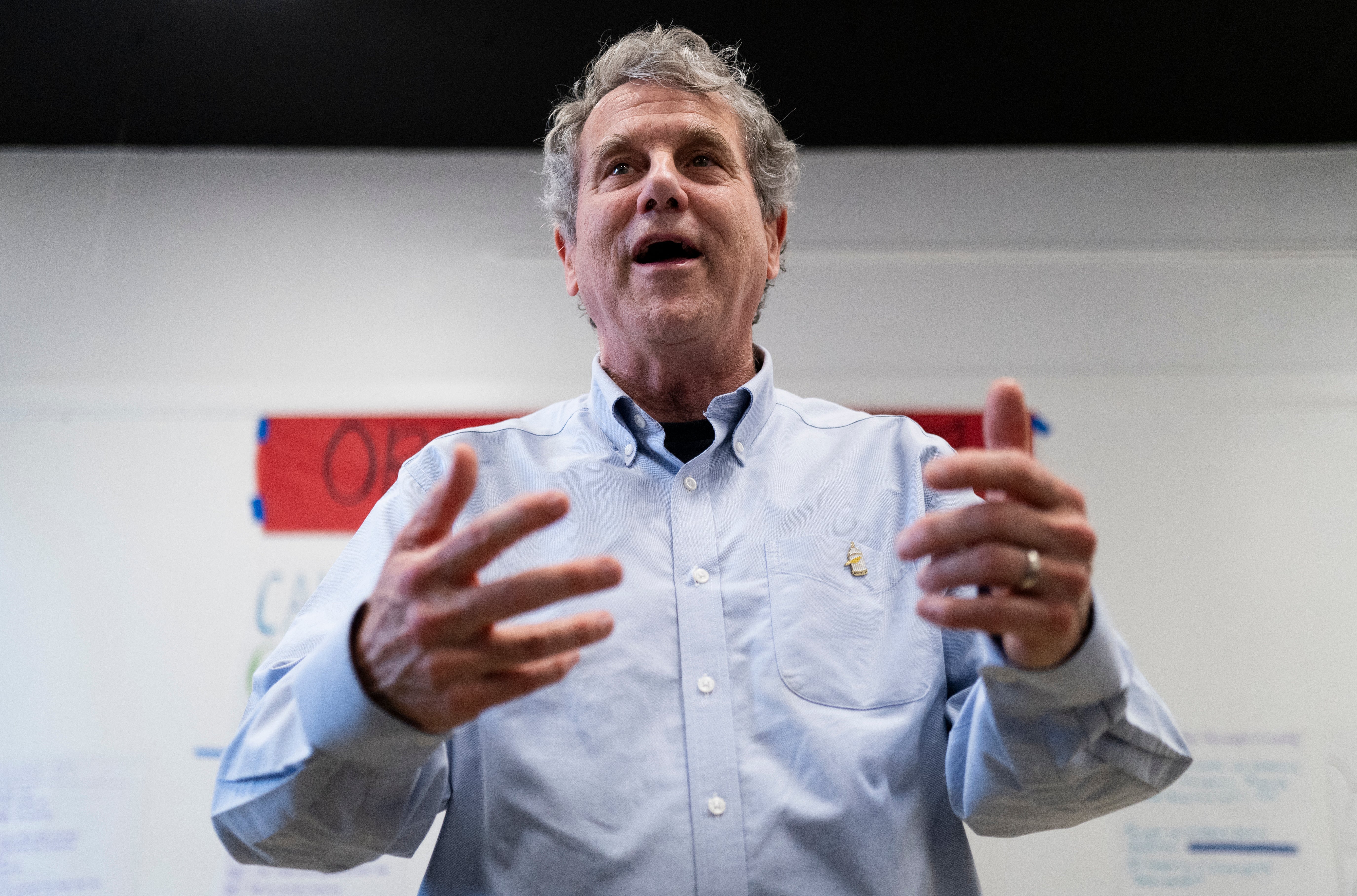
Mike DeWine, the outgoing governor, nominated his lieutenant governor, Jon Husted, to win this seat. In response, Senate Minority Leader Chuck Schumer drafted former three-term Sen. Sherrod Brown, who lost his re-election in 2024 to Republican Sen. Bernie Moreno, to run for this seat. Brown only lost his last race by about 3.6 percentage points in a state Harris lost by about 11 points. The Times/Siena poll found Husted leading this one by three points. This one will be as much about national environment as anything else.
Swing for the fences: Iowa, Nebraska and Texas
If Democrats find a way to flip all three of these seats but still lose Maine, they will need to shoot for one of these states, all of which voted for Trump by double digits. It will require a senate candidate who breaks with the party and can engage with Trump voters.
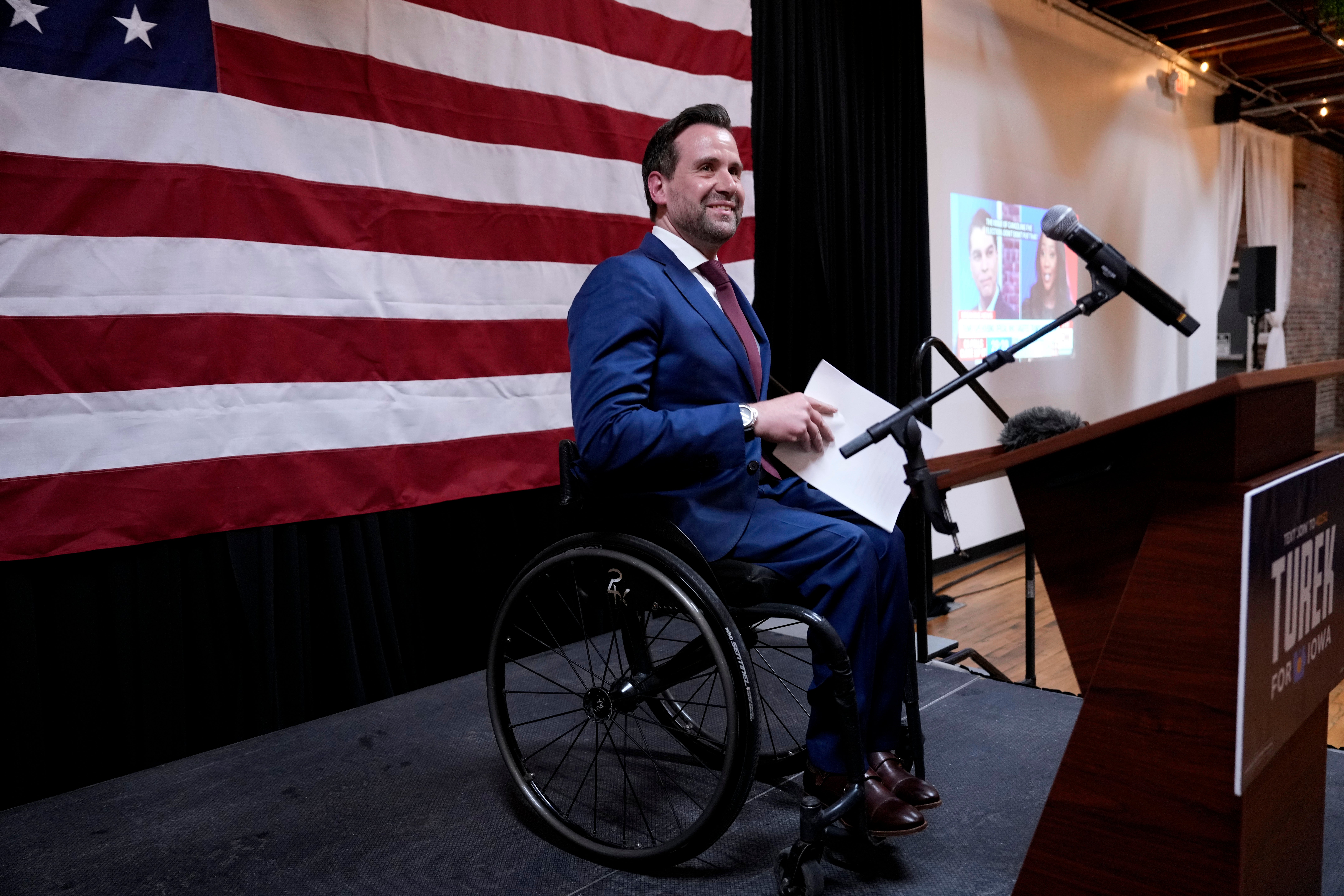
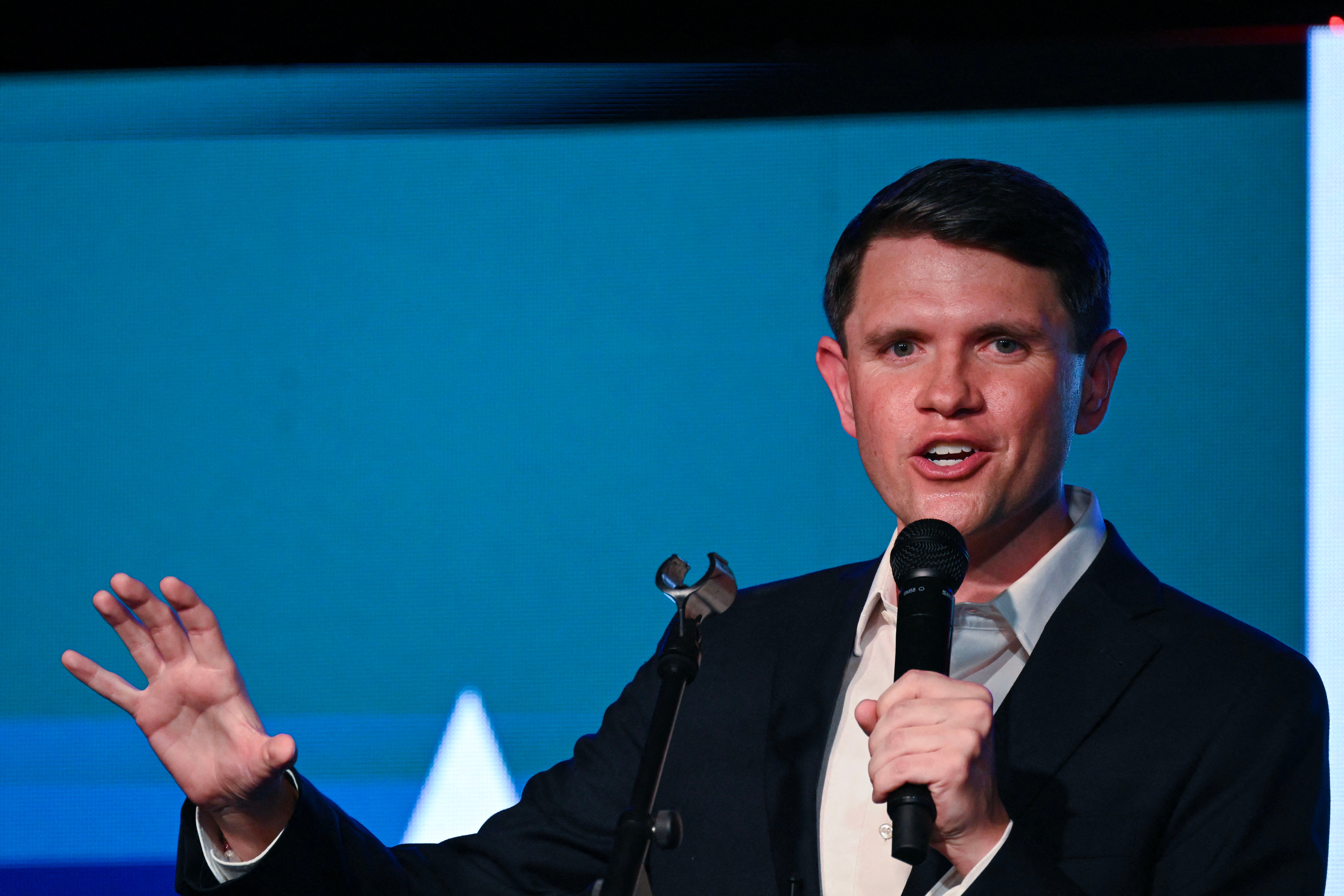
The most obvious choice is Iowa, where retired Paralympian Josh Turek is running as a Democrat against Rep. Ashley Hinson, whom Trump endorsed to replace Sen. Joni Ernst.
The Times/Siena poll showed Hinson with a two-point lead, while Fox News showed that Turek has a four-point lead. Democrats have not won a Senate race in Iowa since 2008, which Tom Harkin won his last re-election and Barack Obama won the state.
But Iowa, like Ohio, is no longer a swing state as it was a decade ago as Trump has since turned it scarlet red.
Next is the one on everybody’s mind: Texas.
Democrats have not won a Senate race in Texas in 38 years. But thanks to Trump endorsing scandal-ridden Attorney General Ken Paxton, who defeated four-term incumbent Sen. John Cornyn (R-Texas), Democrats think they can pull off an upset with state legislator James Talarico.
Nearly every poll shows him neck-and-neck with Paxton in a state Trump won by almost 13.7 points. But Democrats have a problem with Texas: It is massive and not only has the major media markets of Dallas-Fort Worth, San Antonio, Austin and Houston, but tons of smaller exurban and rural markets. If Democrats want to get serious about Texas, they have to put in some huge money that could go elsewhere.
The last one is the Hail Mary of all Hail Marys. Independent Dan Osborn, who narrowly lost to Nebraska Republican Sen. Deb Fischer in 2024, is running it back the way Sherrod Brown is. Osborn is running against Sen. Pete Ricketts, a former governor who was appointed to the seat. Nonpartisan polling is scant. But Osborn, an outspoken supporter of labor unions and a hawk on immigration, hopes he can win crossover votes.
None of these will be easy, save for maybe North Carolina. Platner’s clearing the field in the primary now puts at risk the easiest seat to flip for Democrats. That means they will need to spend extra money that they might not have and hope that the backlash to Trump is strong enough. But if Democrats somehow screw it up, nearly every wing of the party will shoulder some of the blame.