




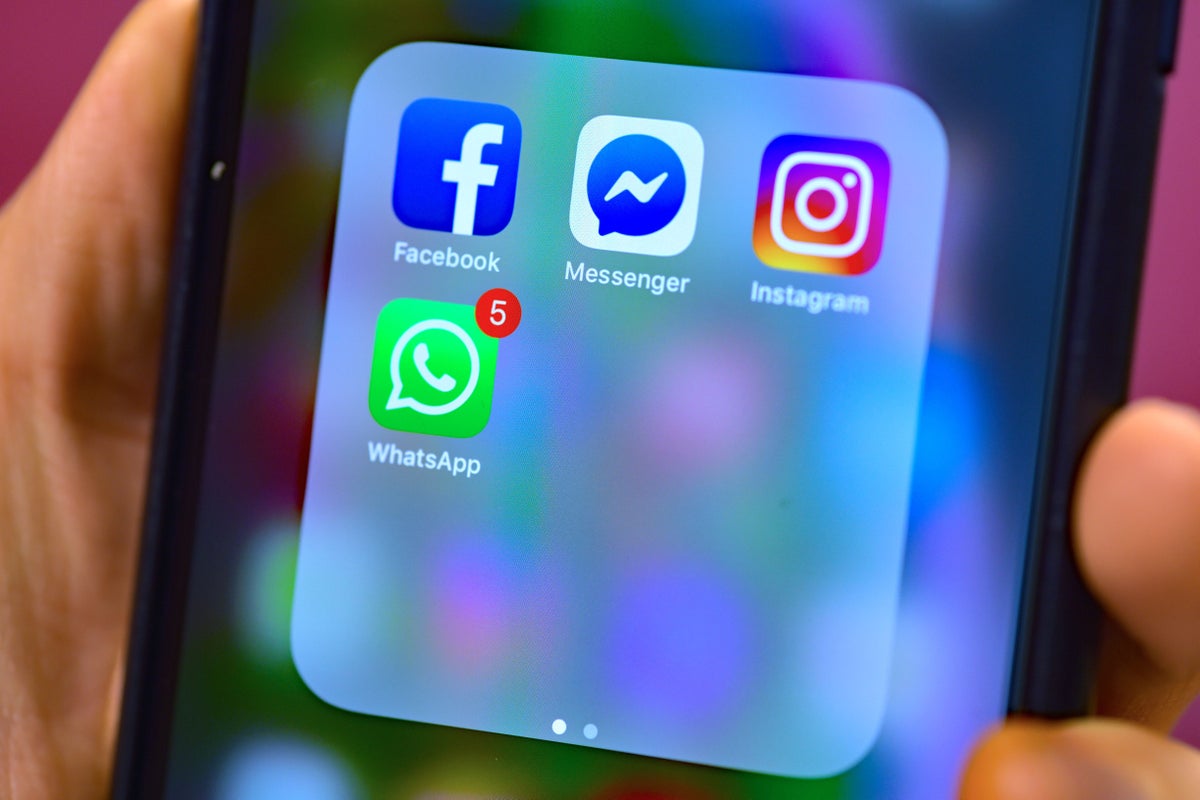
Hundreds of teenagers across the UK are set to participate in a government trial of social media bans, time limits and curfews, as ministers weigh up potential measures to enhance children’s online safety.
The six-week pilot programme, spearheaded by the Department for Science, Innovation and Technology (DSIT), will involve 300 young people aged 13 to 17.
Participants will test various restrictions on their social media usage, with researchers monitoring the effects on their schoolwork, sleep patterns, and family life.
This initiative coincides with the government’s ongoing consultation on a potential Australia-style social media ban, which is due to conclude on 26 May.
Families involved in the trial will be divided into four distinct groups.
One group of parents will be instructed on using parental controls to block or restrict access to specific social media applications, simulating a complete ban.

Another cohort will face a daily one-hour cap on popular platforms such as TikTok, Snapchat, and Instagram.
A third group will experience a social media curfew, with parents blocking access between 9pm and 7am, allowing for some online time before and after school.
The final group will serve as a control, maintaining their current social media access for comparative analysis.
Interviews will be conducted with participating families at both the beginning and end of the trial to assess the impact of the imposed limits and any challenges encountered during their implementation.
The evidence gathered from this pilot will directly inform government decisions regarding future policies aimed at improving children’s relationship with social media.
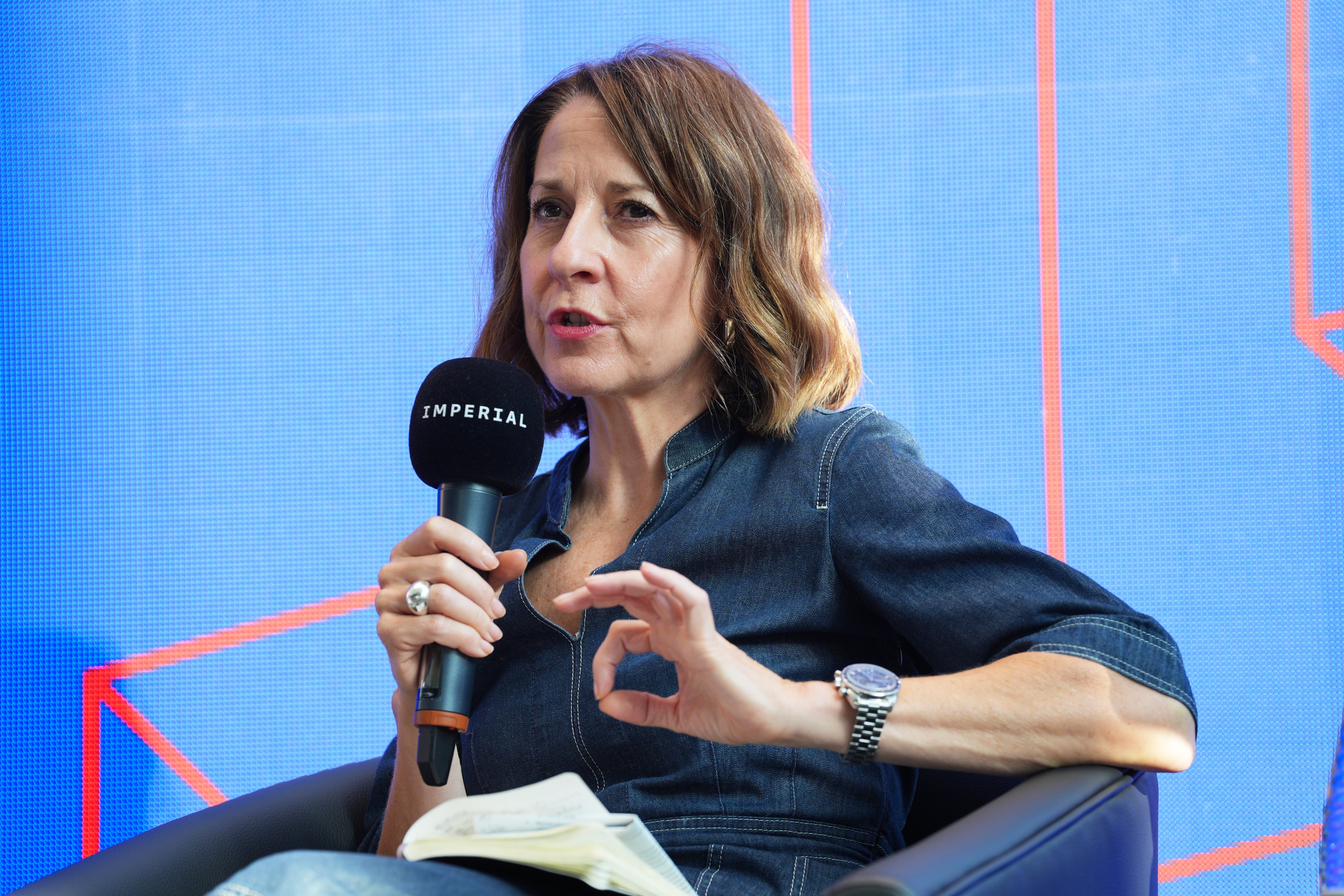
Technology Secretary Liz Kendall said: “We are determined to give young people the childhood they deserve and to prepare them for the future. This is why we are listening to parents, children and experts with our consultation, as well as testing different options in the real world.
“These pilots will give us the evidence we need to take the next steps, informed by the experiences of families themselves.”
The DSIT said that the social media consultation, launched in early March, has already garnered nearly 30,000 responses from parents and children.
It seeks public opinion on the appropriate age for a potential social media ban – Australia currently prohibits under-16s – and whether platforms should be compelled to disable addictive features like infinite scrolling and autoplay.
A separate study led by Professor Amy Orben, a University of Cambridge psychologist, and the Bradford Institute for Health Research, will recruit approximately 4,000 pupils aged 12 to 15 from ten Bradford schools.
This larger study will investigate how reducing social media time affects wellbeing, body image, school absence, bullying, time spent with friends and family, anxiety and sleep quality.
Professor Orben said: “Large randomised controlled trials, like the one in Bradford, will allow us to both better understand the impact of social media and select interventions that work for young people as well as their families.”
Earlier in March, MPs rejected an amendment to the Children’s Wellbeing and Schools Bill, which had been supported by peers, that would have introduced a social media ban for under-16s.

