





An Indonesian court has sentenced Nadiem Makarim, former education minister and co-founder of tech firm Gojek, to 10 years in prison for corruption.
The 41-year-old denies the charges, asserting political motivation, a claim backed by academics and rights activists.
Makarim, education minister from 2019 to 2024, was accused of profiting from the government’s purchase of Google Chromebook laptops for schools, causing $125m (£95m) in losses to the state.
The verdict could further undermine investor confidence in Indonesia. The rupiah and stocks have slumped this year after credit ratings agencies cut outlooks, citing unpredictable policymaking and governance.
MSCI is also weighing whether to downgrade Southeast Asia’s biggest economy due to market transparency issues.
Chief Judge Purwanto Abdullah, at Indonesia’s Corruption Court in Jakarta, confirmed judges found Makarim guilty of abuse of authority and causing state losses.
He was acquitted of directly seeking personal enrichment.

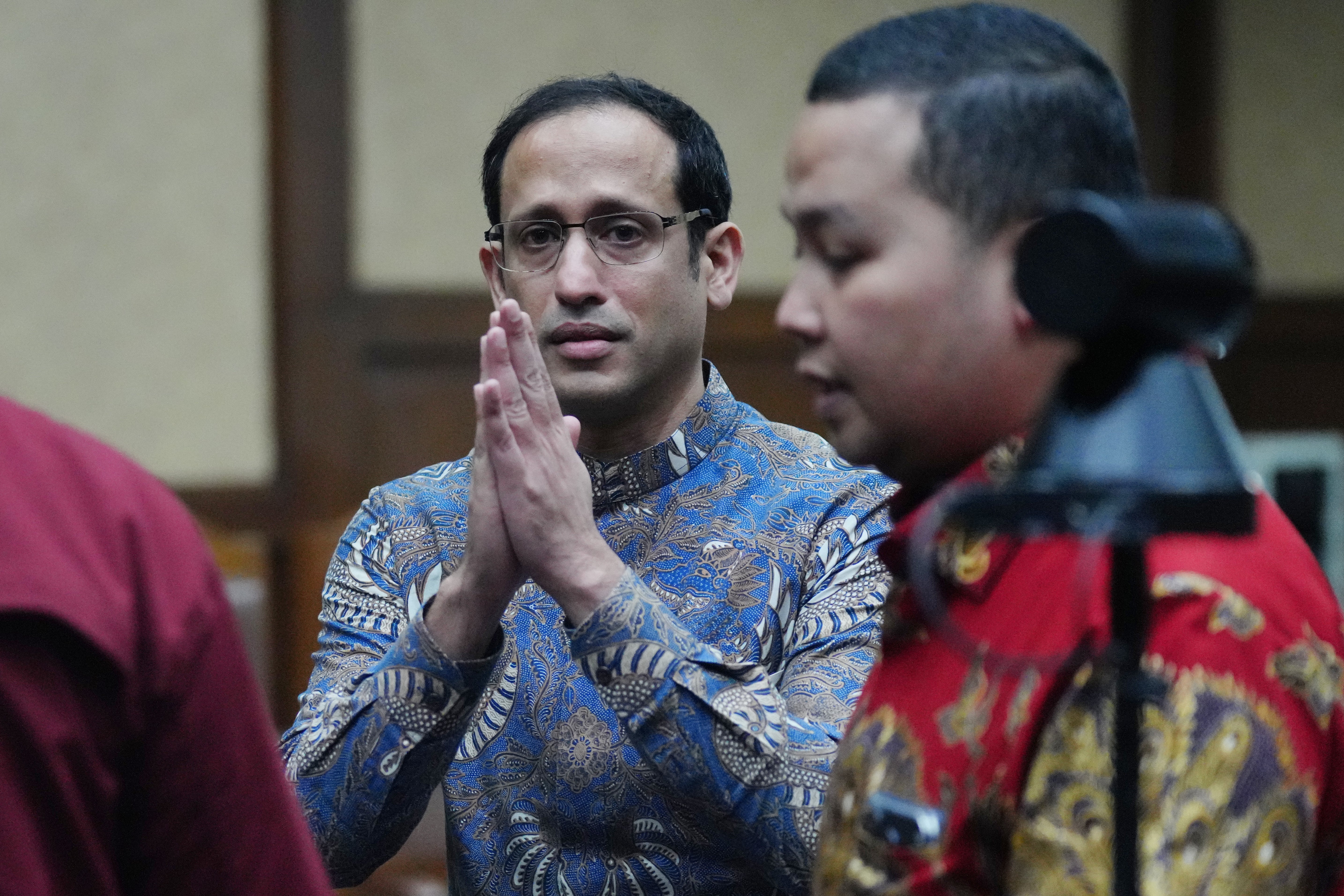
Makarim was ordered to pay 1 billion rupiah (£42,000) in fines and to return over 800 billion rupiah ($34m) that the judges said was an amount he personally gained from the deal. Failing to return the money would add another five years to his prison sentence, the judges said.
Flanked by family and friends, Nadiem said he would appeal the verdict. “I was sentenced with facts that don’t make any sense,” he said tearfully after the trial, adding he could not pay the sum ordered. “The judges couldn’t even look me in the eye.”
Prosecutors alleged that Google’s investment in Gojek’s parent company influenced the procurement decision and Makarim created tender specifications that only fit the Chrome system to “make Google the sole controller of the education ecosystem in Indonesia”.
Google was not indicted.
Makarim rejected the allegations, saying there was no personal enrichment and that Google’s investment in Gojeck’s parent company was not connected to the procurement.
He said the case was likely motivated by sweeping reforms he carried out during his time as education minister that cut into long-established corruption opportunities such as “training rackets, middlemen, and budget leakage”, while acknowledging that his leadership style at the time had ruffled feathers.