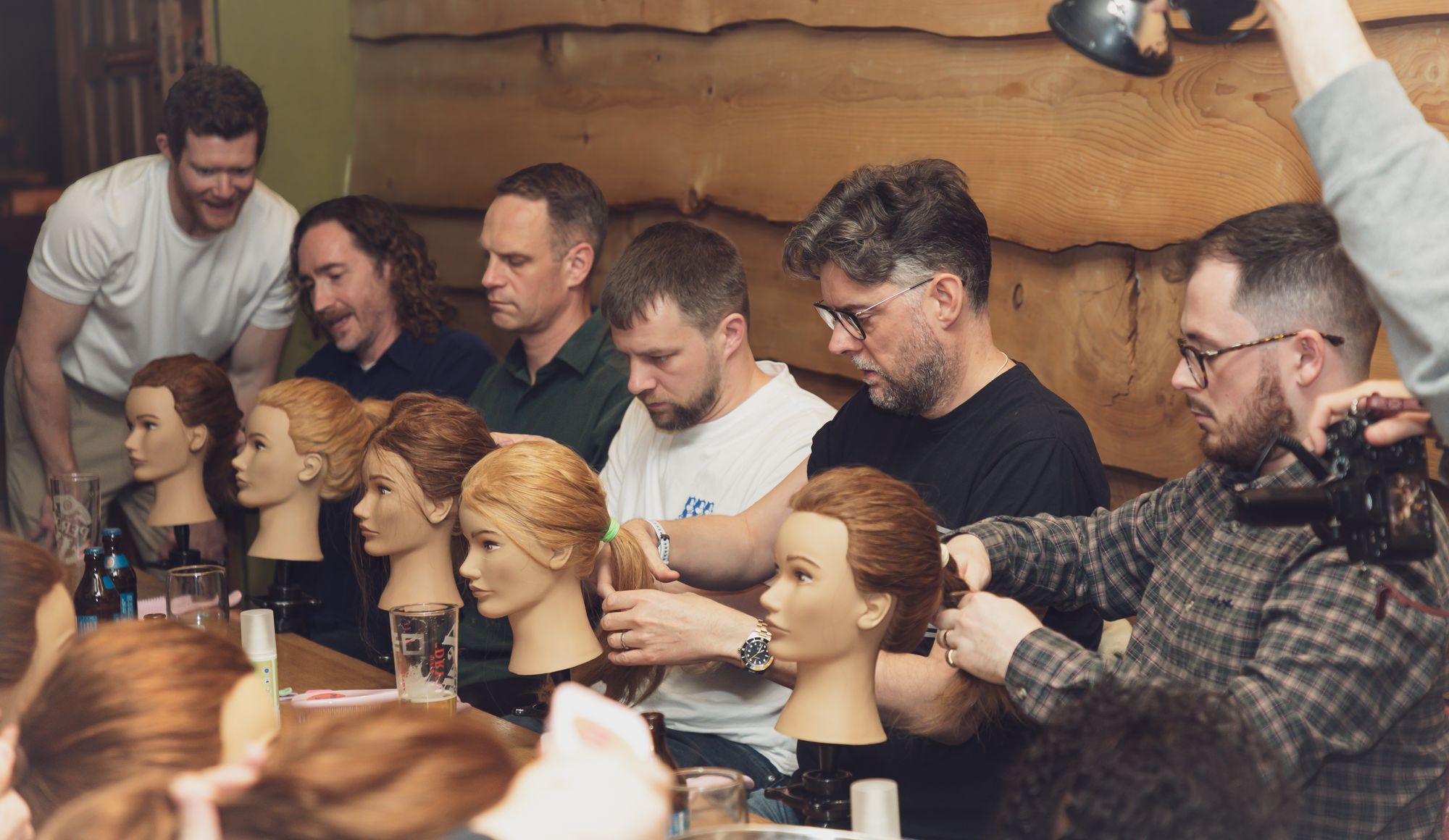
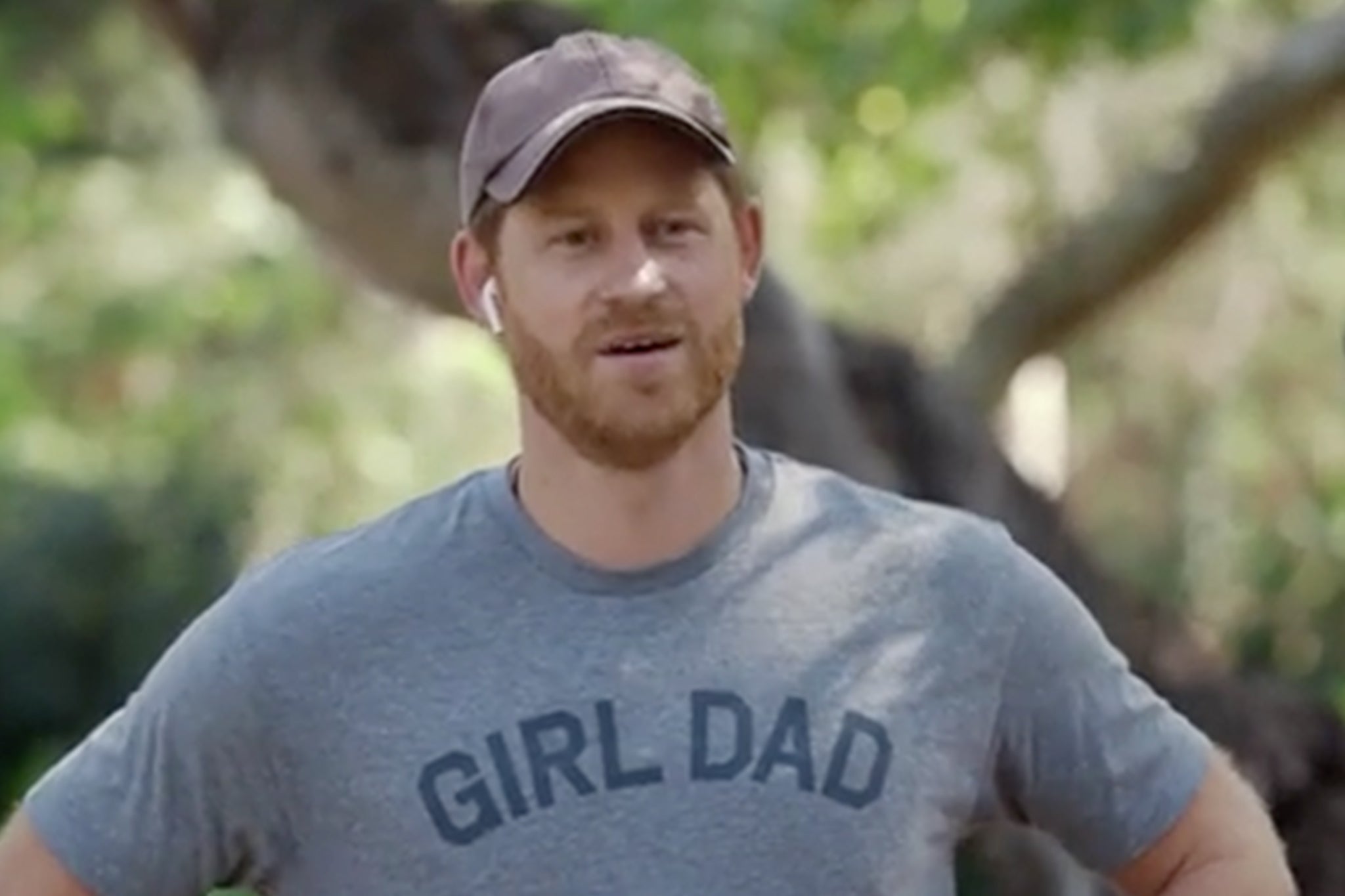
At a pub in London, two dozen young fathers sit around a table in near silence, their brows furrowed in concentration as they interlace strands of hair on a mannequin head in front of them into careful fishtail braids. The gathering is part of Pints and Ponytails, a workshop where dads learn how to braid, pigtail and Elsa-fy their daughters’ hair — all in the hope of making hectic morning routines easier and deepening their bond with their children.
Clips from the events have gone viral online, celebrating the wholesomeness of the occasion and the dad’s eagerness to learn something new for their daughters. But it wasn’t long before the manosphere weighed in. Misogynistic influencer Andrew Tate mocked the men as “cucks”, posting: “White men will never have nations again … Simply a cucked race.” The backlash was bizarre, but entirely characteristic of Tate’s brand of masculinity.
Pints and Ponytails founders, Mathew Lewis-Carter and Lawrence Price, quickly hit back. “Apparently, dads showing up in this space to learn new skills to deepen their connections with their daughters whilst breaking down old stereotypes and reducing the emotional load for mums, while being free to discuss their own mental health journeys since becoming dads… is cuck behaviour?” they said in a rebuttal social media post. “So Andrew, we’ll see you at the next Cucks and Ponytails.”
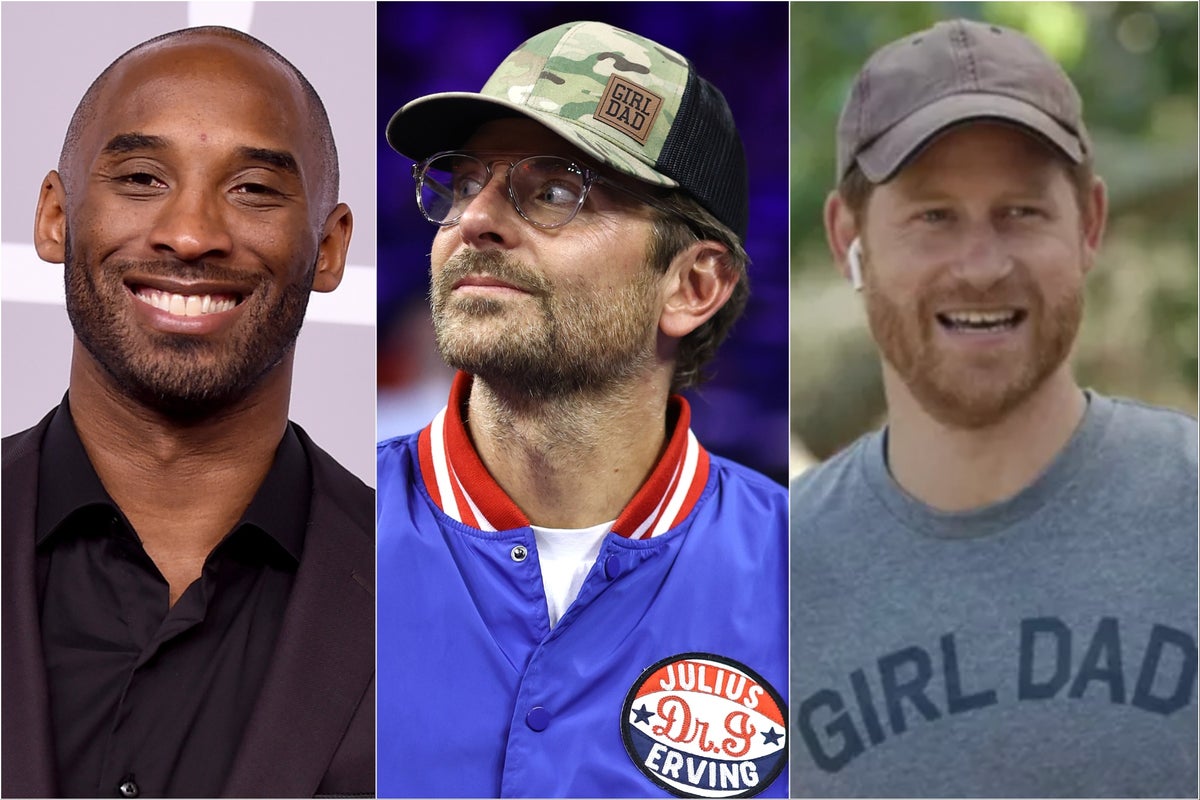
This is the resistance of the “girl dads”, the movement of fathers who proudly embrace stepping outside traditional masculine expectations to be more emotionally present parents. The term was popularized by late basketball star Kobe Bryant, father to four daughters — Natalia, Gianna, Bianka and Capri. In a 2018 interview with ESPN’s Elle Duncan, Bryant spoke glowingly about fatherhood, saying: “Girls are amazing … I would have five more girls if I could. I’m a girl dad.” Following Bryant’s death in 2020, the clip resurfaced and spread widely online, helping spark the #GirlDad movement — a celebration of fathers who reject emotional distance and embrace a more open, engaged model of masculinity.
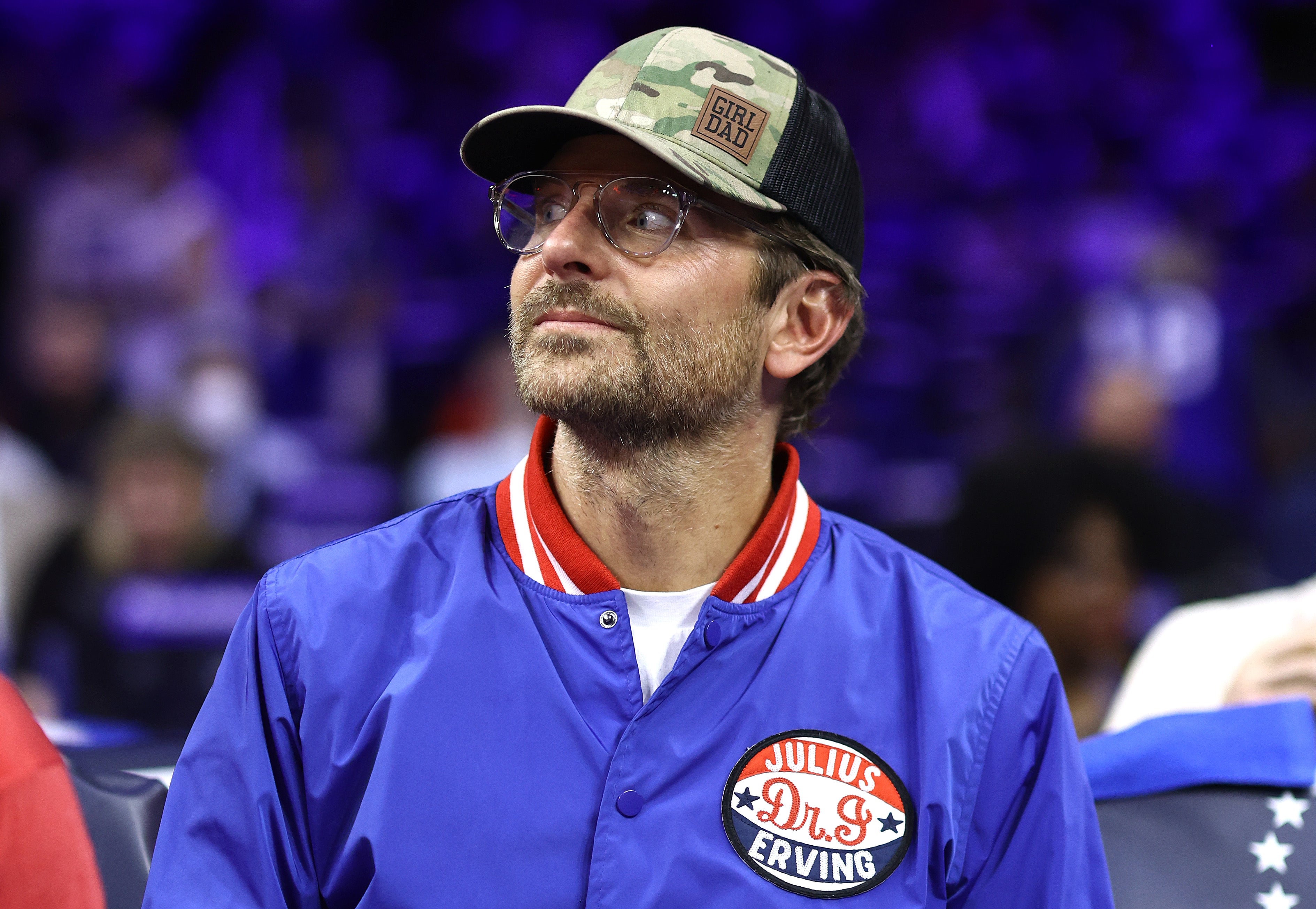
In recent years, though, the term girl dad has slowly started to occupy a corny place in the public psyche. The slogan has been printed on T-Shirts and trucker hats across the world, to display — what some people believe to be — a performative type of fatherhood. For some, it’s a passe term that conjures up images of a dad wearing a tutu and a tiara to embrace his daughter’s interest, or a man seeking credit for sitting through the entirety of Frozen while mothers receive little recognition for doing the same. And, at the same time as this criticism, proud girl dads have also become a punching bag for the manosphere.
Lewis-Carter and Price are among those at the forefront of the girl dad movement, a progressive version of fatherhood that serves as an antidote to the manosphere. As co-hosts of the popular podcast The Secret Lives of Dads, the pair discuss how millennial fathers can have a more active role in their daughters’ lives.
“We realized, that if someone like Andrew Tate — and his reduced version of masculinity and ideology — calls us out for being submissive, then we are doing the right work,” says Price. “Him calling us submissive wasn’t really an insult, it was a compliment — it aligned with what we’re actually trying to encourage with our mission and message.”
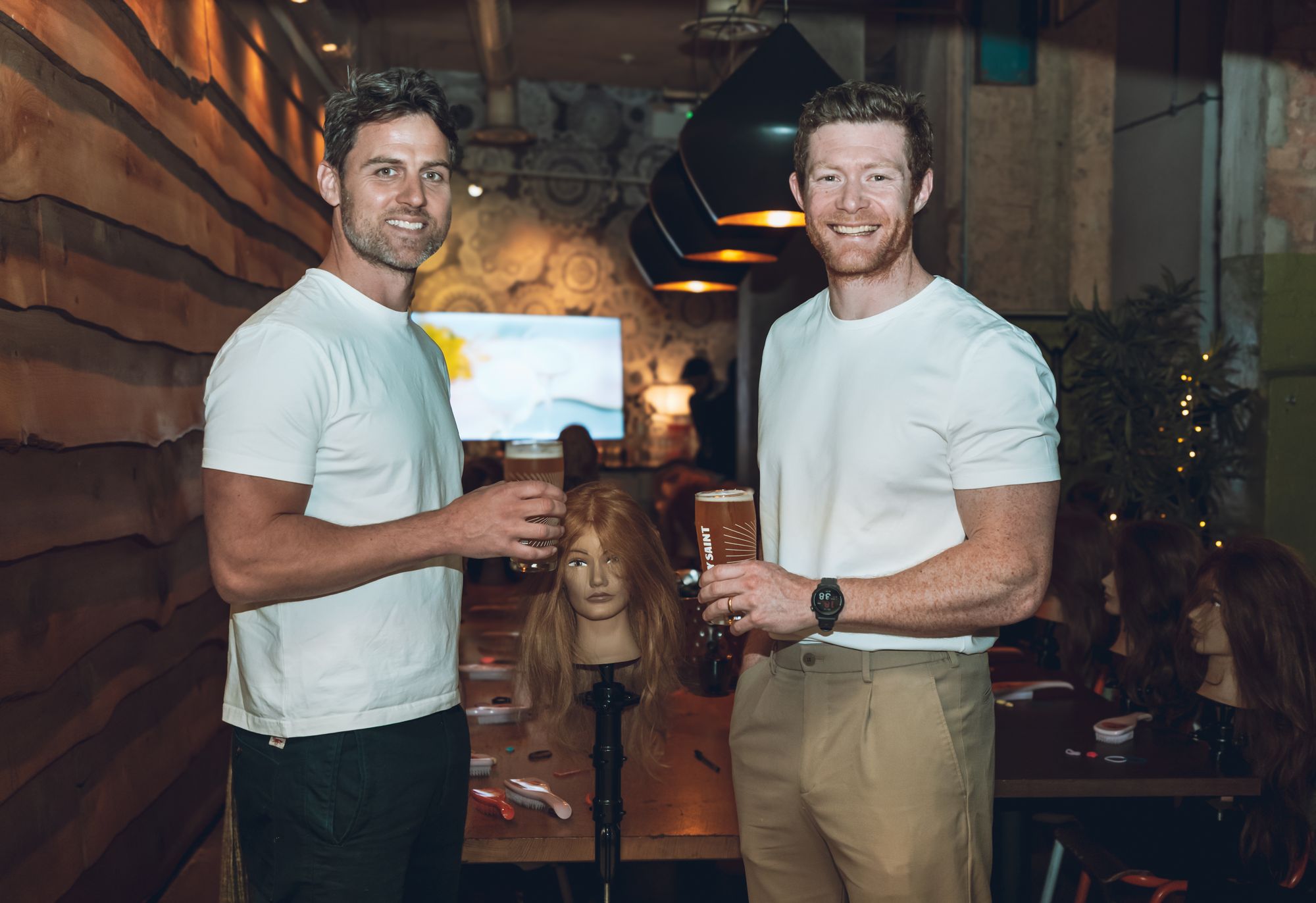
Proud girl dads are everywhere. Matthew Krekeler, a Denver-based dad who hosts the Girl Dad Nation podcast, says he proudly embraces the term because it represents fathers who are “invested in their girls’ lives and want to be present and connected with them, in a very meaningful personal way.” Krekeler started his podcast after the birth of his first two daughters. He now has four daughters whose ages range from 18 months to seven years.
“Fatherhood in general hasn’t always had the same intentionality of prioritization and respect in the way that we’re seeing now,” he says. “Being a proud girl dad feels like direct call to go outside of your natural comfort zone to embrace the different interests your daughter might have to you. It’s an invitation to encourage men to learn.”
Krekeler has noticed that sometimes men express disappointment at only having daughters, including in viral gender reveal videos. “I hear people say, well, ‘My wife’s got the girls, but I need my boy’. It’s as if there’s this distinction that daughters are for the wives and the son would be for the dad,” says Krekeler. “My daughters bring out this great sensitivity to me, which I don’t think is in opposition with masculinity. They will also do things like work on cars with me, things that are typically considered masculine,” he adds. “Seeing those videos saddens me because every life is an amazing gift.”
Both Lewis-Carter and Price, too, have found that stereotypes about fatherhood have limited how they viewed themselves as dads. “It’s the symbolism of that comment [when people say], oh, ‘Did Daddy do your hair today?’ It’s just banter, but there’s a suggestion of incompetence that plays into the dad stereotype that we’ve seen time and time again… the Homer Simpson type character,” says Price. “I think the modern dads have had enough of that.”
Terms like “dad bod,” “dad dancing” and “dad jokes” are often said in jest, but also suggest a sense of uselessness. “If you look at American sitcoms 1980s, 1990s, it’s all painting dads in a bad light,” says Lewis-Carter. “If you’re subliminally constantly being told all these things, like ‘That’s not your area, that’s not your space,’ then you don’t feel like you have permission to go there. We’re a generation where maybe that vocabulary wasn’t passed down by parents, but we’re doing our best to figure it out and shake off old stereotypes.” The duo wants to tackle topics that fathers traditionally stay away from: in two weeks, they’re hosting a “Periods and Ponytails” event.
The girl dad label, while corny to some, is a model for a progressive form of parenting, says Dr Rhonda Mattox, a psychiatrist and parenting specialist. She argues the label is a welcome celebration of the “sweet, softer side that girls tend to bring out of their dads.”
Mattox noticed a transition in her husband’s demeanor when he fathered their daughter. “Back in my husband’s day, [examples of fatherhood included] Leave It to Beaver, where there were these very distinctive gender roles. Now we’re seeing more fluidity in those examples of fatherhood.” She thinks the girl dad label works to challenge those gender disparities that often reinforce unequal gender roles.
She does wonder whether the term overcongratulates dads for taking on what should be seen as the bare minimum, though. “The other piece is that men sometimes just get credit for doing the basic stuff,” says Mattox. “They show up to a [parenting] class and it’s like, oh look at you, when women do this all the time.”
According to the Gender Equity Policy Institute, American women aged between 25 and 34 do 2.3 times as much household work and 2.8 times as much childcare as men, while the younger category (aged between 18 and 24) have 20 percent less free time per week than men their age.
“If using the term girl dad gets to them spending more time and doing more, then it’s worthwhile,” says Maddox.
Perhaps that is why so many fathers are willing to embrace the label publicly, despite the light mockery. Wear the T-shirt, post the photo, learn the braid — because being a proud girl dad could just inspire another.
“If you are a girl dad who’s just living life in your little bubble, you’re just so freaking proud to be a girl dad,” says Price. “And that’s how you’re showing up day in and day out.”