



Generation X has the most pessimistic view of the economy, and worry they don’t have enough money stored away for retirement, according to a newly released study.
This age group was born between 1965 and 1980, making them around 46 to 61 years old.
Americans can start to receive their Social Security retirement benefits as early as 62 years old, so it makes sense that Gen X would start thinking more heavily about retirement.
But their outlook on the economy and personal finances is grim, according to a quarterly study from the Allianz Life Insurance Company of North America released last week.


Gen X has the least optimistic view of the economy compared to boomers, millennials and Gen Z, according to the study. When asked whether it’s a good time to invest in the market, just 25 percent of Gen X say it is.
To compare, 32 percent of boomers, the generation older than Gen X, think it’s a good time to invest, as do the younger millennials, 40 percent, and Gen Z, 39 percent.
More Gen Xers than other generations also think inflation will worsen in the next year, and the increased cost of living will make the lifestyle they want in retirement unaffordable.
While inflation held steady in February, rising 2.4 percent from the year before, it was still above the Federal Reserve’s 2 percent target.

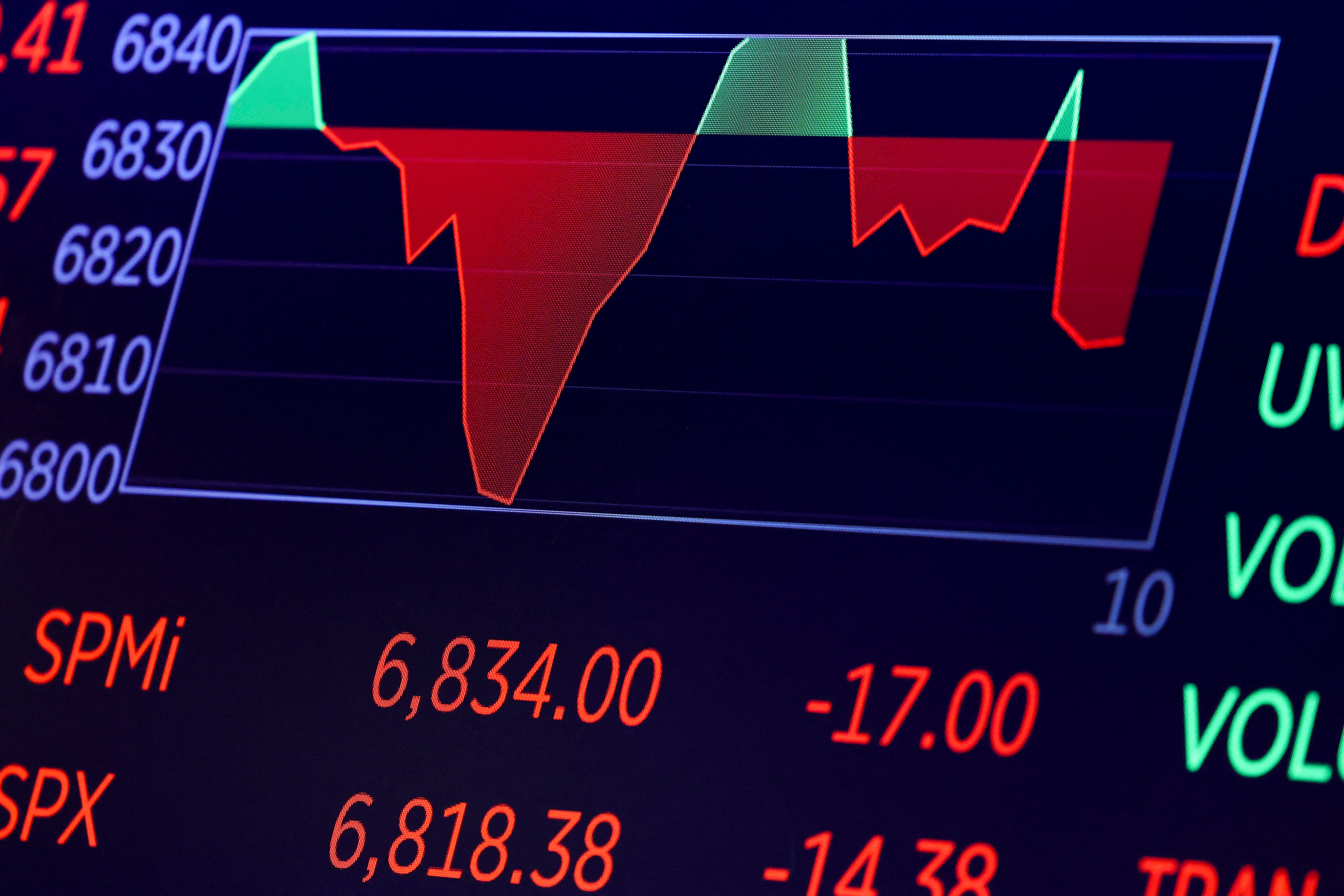
Economic worries are not just felt by the middle-aged. In a new The Economist/YouGov poll, 72 percent of Americans, no matter their age, described the economy as fair or poor while only 24 percent saw it as excellent or good.
While 72 percent of Gen Xers said in the Allianz Life study they need to save more money to retire, they also are too nervous to invest more in the market. Most millennials, 71 percent, and Gen Zers, 66 percent, also want to save for retirement but are too afraid to invest, while just 42 percent of boomers feel the same.
“Gen X is approaching the years before retirement when risks like market volatility can have an outsized effect on their long-term financial outlook,” Kelly LaVigne, vice president of consumer insights at Allianz Life, said in a press release.
“While that time can come with increased worry, Gen Xers can use that anxiety to fuel action in preparing a retirement strategy that incorporates risk management solutions, such as Defined Outcome exchange-traded funds (ETFs) or buffered annuities, to serve as a guide in the years ahead,” LaVinge added.