


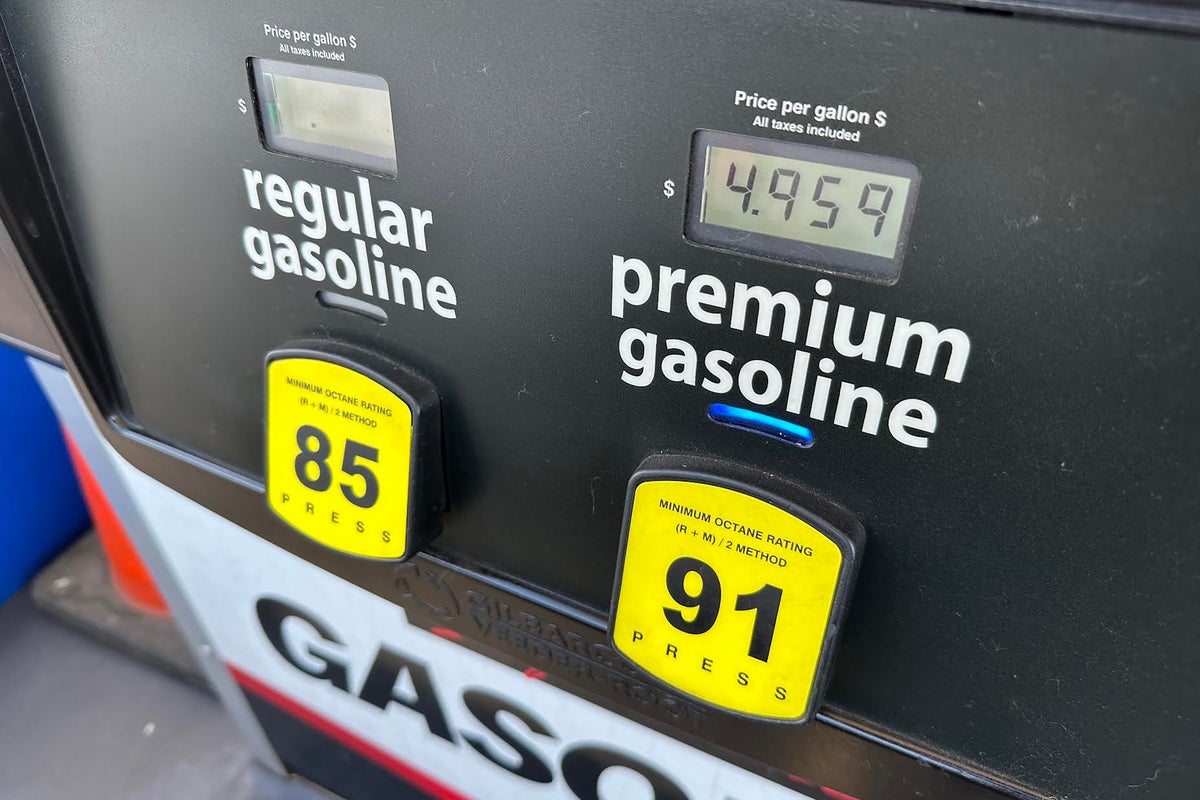
Gas prices have decreased in most U.S. states, but the price relief may be short-lived if negotiations between the U.S. and Iran sour.
Patrick De Haan, the head of petroleum analysis at GasBuddy, noted on Monday that gas prices had fallen to a national average of $4.45 per gallon, while diesel had fallen to a national average of $5.56 per gallon, which was beyond more optimistic predictions heading into the week. According to AAA, the national average for gasoline last week was $4.53 per gallon, and $5.65 per gallon for diesel.
“Average #gasprices continue to fall beyond what seemed optimistic a week ago,” he wrote in a post on X.
He noted that a prospective deal between the Trump administration and Tehran to end the war in Iran may have helped delay the expected volatility, including any potential increase, in prices, as markets wait to see the outcome of the talks. It is “too early to say how long the drop continues,” De Haan added.
On Tuesday, the national average price for gasoline rose to $4.49 per gallon. Diesel was up slightly to $5.58 per gallon.

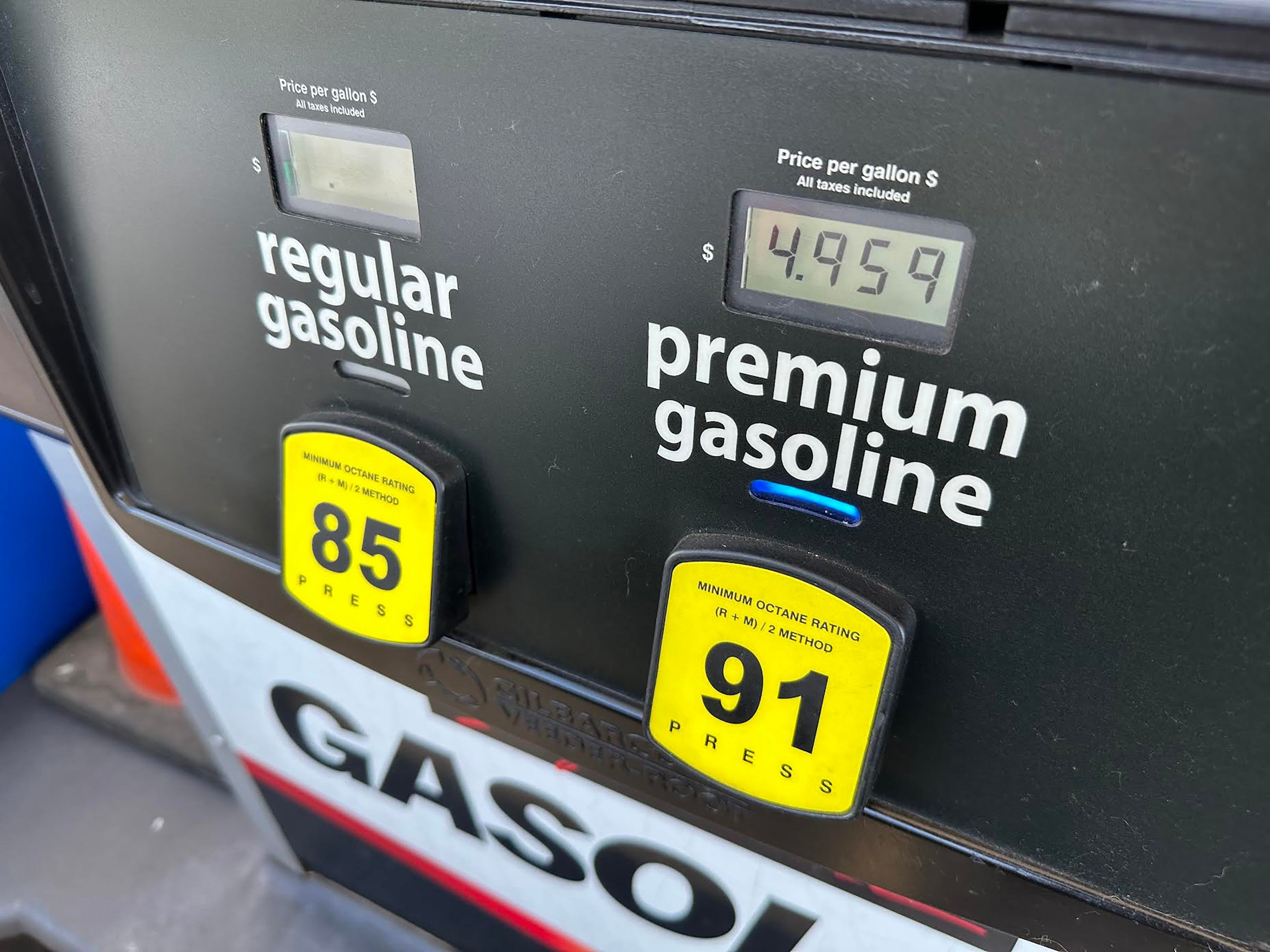
And while there is a possibility prices may climb again De Haan said Tuesday that he expects most states to see falling prices while the market waits out news on the possible Iran war deal.
“For now, the oil market remains divided on risk – more focus is on short term – gas prices in most states should continue falling for the next day or two (maybe longer) as we await whether not a deal can be had or if new attacks will raise short AND long term risk,” he added.
Many analysts in the energy sector are skeptical that any significant change to oil prices will come as a result of the current negotiations as the Strait of Hormuz remains closed.
“I’m skeptical. I’ll believe it when I see it,” Bob McNally, the founder and president of Rapidan Energy Group, told CNN on Tuesday.
“Even in the best case, a fundamental tightening of the market is baked in the cake. There is this brutal, inexorable math that can’t be changed by a deal,” McNally said. “I don’t want to be a Debbie Downer, but we don’t believe we’re done.”
Despite the recent price decreases, gas is still significantly more expensive than it was a year ago. GasBuddy reported that 12 states — Washington, Colorado, Hawaii, Ohio, Wyoming, Minnesota, Montana, Oregon, Michigan, Nebraska, Arkansas and South Dakota — all hit record high gas prices for Memorial Day. Washington was at the top of the list with a national average of $5.71 per gallon, which was 51 cents over its previous record set in 2022.
In Seattle, average gas prices fell by 5.1 cents over the last week, but prices are still 32 cents per gallon higher than they were a month ago, and $1.39 per gallon higher than the previous year, according to a GasBuddy analysis.
Gas prices in Michigan dropped 21 cents from last week to $4.61 per gallon on Tuesday. But that is still 60 cents more than it cost a month ago, and $1.42 more than a year prior, according to AAA.
Michigan was one of the five states with the most significant weekly gasoline price decreases, along with New Mexico (23 cents), Colorado (19 cents), Indiana (18 cents), and Florida (17 cents), GasBuddy added.
As De Haan noted, it’s unclear how long the downward trend will continue, and whether or not future price cycling will erase the relief created by the decrease. Considering the rocky state of negotiations between the U.S. and Iran, it seems that long-term relief may still be a ways off.
On Monday, U.S. forces attacked targets in southern Iran — despite the ceasefire — claiming they were retaliatory strikes, and Israel has vowed to continue its attacks on Hezbollah in Lebanon.
CNN Business reporter David Goldman said during a Tuesday appearance on The Situation Room that Americans should expect gas prices to drop significantly this week or even for the foreseeable future.
“You want $3 gas again? you’re going to have to wait maybe six years,” he said.
He explained that it will take years before Iran’s oil production capabilities are fully back online following attacks from the U.S. and Israel.
“You need to fix your facilities, because so much of them have blown up, literally, in the war,” Goldman said. “Particularly the largest LNG port, the largest liquefied natural gas port in the world. That’s going to take about two years to come back online. That’s no joke.”