



Easy food options in abandoned orchards of Japan’s “ghost villages” are driving encounters with bears, scientists have found in a new study that upends previous beliefs about bear attacks in the country.
In recent years, several Japanese towns, farms, and residential areas have increasingly become hotspots for encounters with Asian black bears.
Bear attack incidents have steeply increased in Japan, with over 50 such cases reported annually since 2014 and numbers spiking sharply in 2023 and last year.
“Since the 2000s, there have been incidents of bears intruding in large numbers in autumn in areas where humans are active. This phenomenon has become a serious issue of conflict between humans and bears in Japanese society,” scientists wrote in the research published in the journal Mammal Study.
Until now, it was thought bears ventured into human settlements mainly driven by hunger due to the destruction of their natural habitats.
But a new study reveals one of the key drivers of bear presence in these hotspot areas is the abandoned orchards in Japan’s depopulated “ghost villages”.

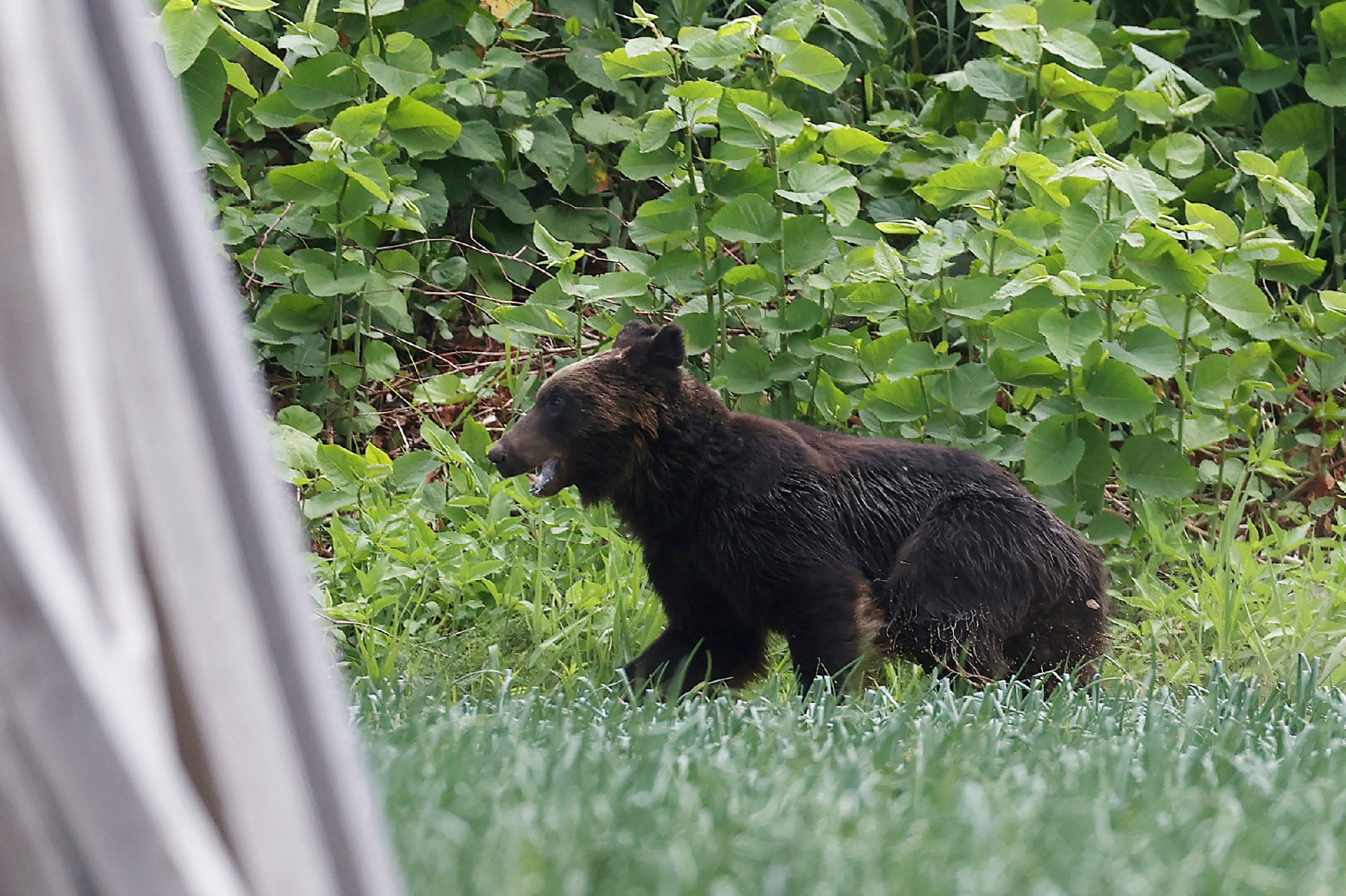
Scientists analysed fat accumulation in over 600 Asian black bears that were killed as threats to human neighbourhoods or in traffic accidents.
They examined three areas of fat storage, including subcutaneous, visceral and bone marrow regions, to track changes depending on food availability.
Previous studies have shown that when bears starve and their nutritional condition declines, they burn fat in a specific order.
Bears emerge from winter with low fat reserves and begin rebuilding energy by eating available foods.
Then in summer, they gradually gain weight by eating insects, plants, and fruits. They eat massive amounts of nuts and fruits to rapidly increase fat in their main feeding period of autumn. Once winter comes, bears return to hibernation, relying solely on their stored fat.
Earlier research has found that Asian brown bear fat levels peaked in the autumn when they fed mainly on acorns ahead of winter hibernation.
About two-thirds of the bears’ subcutaneous fat and 40 per cent of visceral fat declined in the spring after hibernation, according to previous studies.
When the bears hibernate, they first burn subcutaneous fat and later their visceral fat and bone marrow fat when their nutritional condition deteriorates. These earlier findings helped scientists understand the nutritional status of different bears at the time they encroached into neighbourhoods.
Scientists found in the latest study that the type of fat the bears utilise in autumn remained intact at these hotspot sites and that the animals entering settlements were not always nutritionally compromised.
“These intrusions were likely driven not by a poor nutritional status but by the presence of attractive food sources,” scientists concluded.