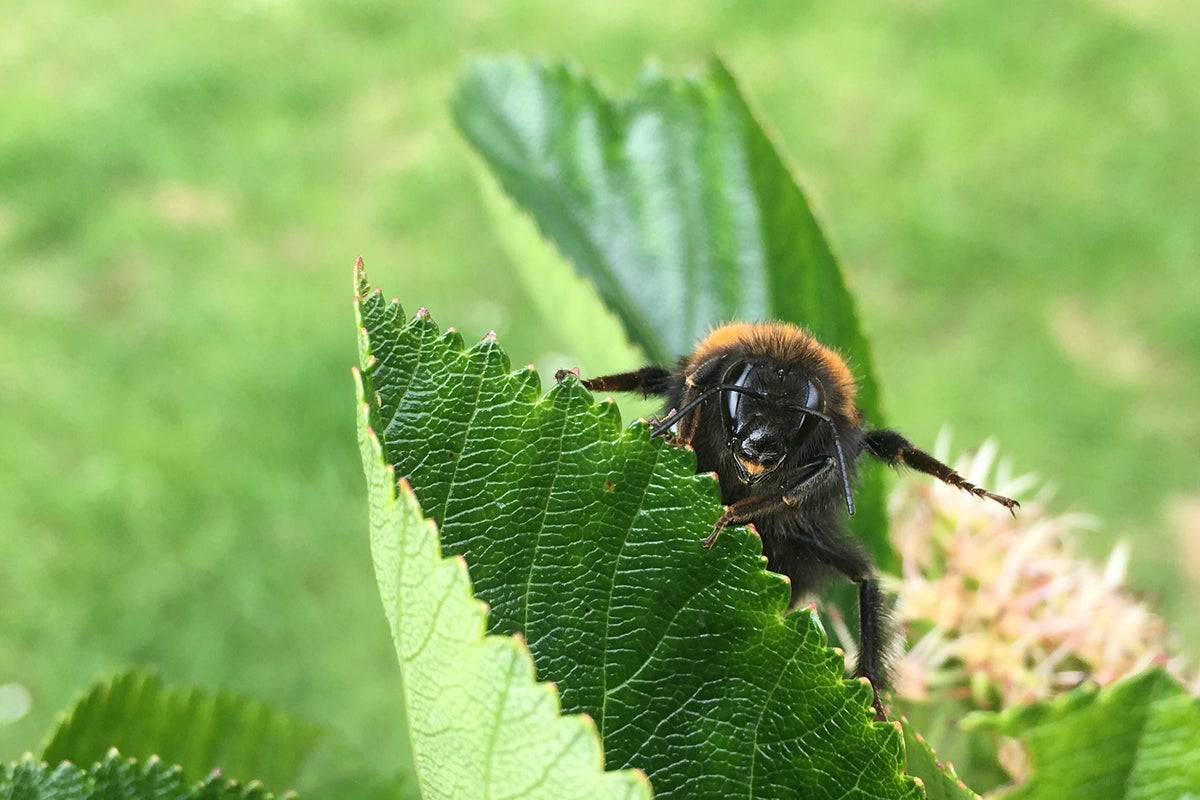
If you thought you were sweaty and uncomfortable during the recent stint of heatwaves, spare a thought for the poor bumblebees. At least we humans can strip off to cool down; bees have no way of removing their thick, furry coats.
But merely feeling “uncomfortable” is the least of their worries. New data analysis has found that heatwaves could, in fact, see a sharp decline in bumblebee numbers in the coming years as climate change delivers more extreme weather and accompanying droughts.
Data from the Bumblebee Conservation Trust’s long-running national monitoring scheme shared with the BBC found a drop in bumblebee populations after the record-smashing temperatures of 2022, which saw parts of England reach a blistering 40.3C.
That year, red-tailed, buff-tailed and common carder bumblebee numbers were down 20 per cent, 25 per cent and 35 per cent respectively when at their peak.

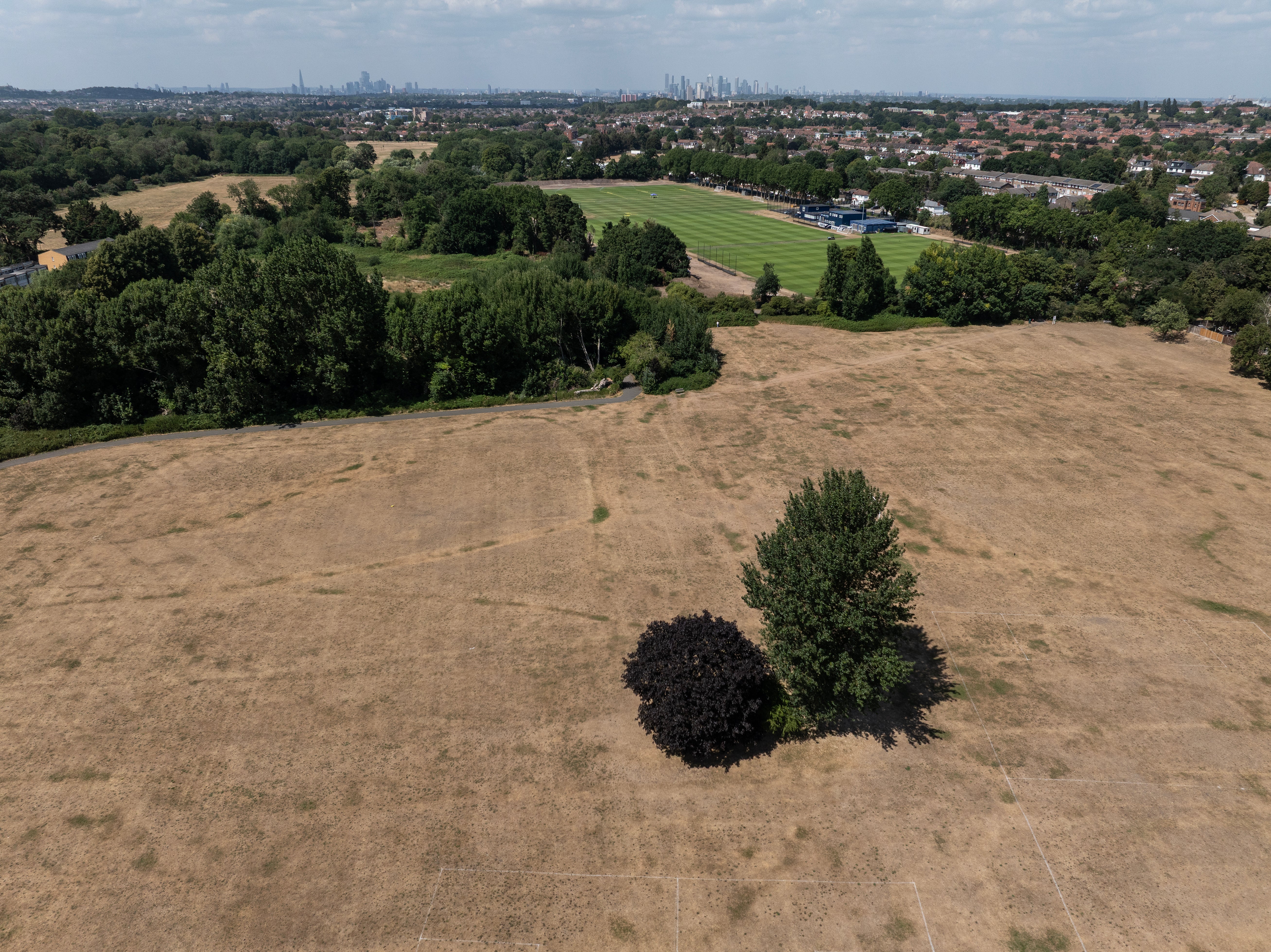
Our native bumblebees have evolved for Britain’s relatively cool climate – their bodies are designed to retain heat as they fly. During a heatwave, this design works against them: their muscles generate more heat, and their coats and round body shapes make it difficult for them to reduce their body temperature.
They actually cook themselves from the inside out. Once their internal body temperature is much above 40C, they literally start dying
Dr Richard Comont, Bumblebee Conservation Trust
Once air temperatures reach 28C and above, British bumblebees can have difficulty flying without overheating. And if they can’t fly, they can’t forage for nectar and help pollinate our plants. Bumblebee colonies grow more slowly as a result, and queen numbers dwindle.
“They actually cook themselves from the inside out,” Dr Richard Comont, the Trust’s science manager, told the BBC. “Once their internal body temperature is much above 40C, they literally start dying, they start keeling over.”
This isn’t important just because bumblebees are “cute”; they are the “foundation of life”, according to Anabel Kindersley, CEO of Neal’s Yard, bee campaigner and the head of a coalition of more than 100 British businesses that has lobbied for the government to ban hazardous pesticides that are harmful for bees.
“We always think about bees last – but one in three mouthfuls of food depends on pollinators,” she says. “There’s a potential entire ecosystem collapse if we don’t protect them.”
As well as campaigning for more nationwide action – more organic farming, better soil structure, greater biodiversity and fewer pesticides – Kindersley emphasises the importance of individuals, too.

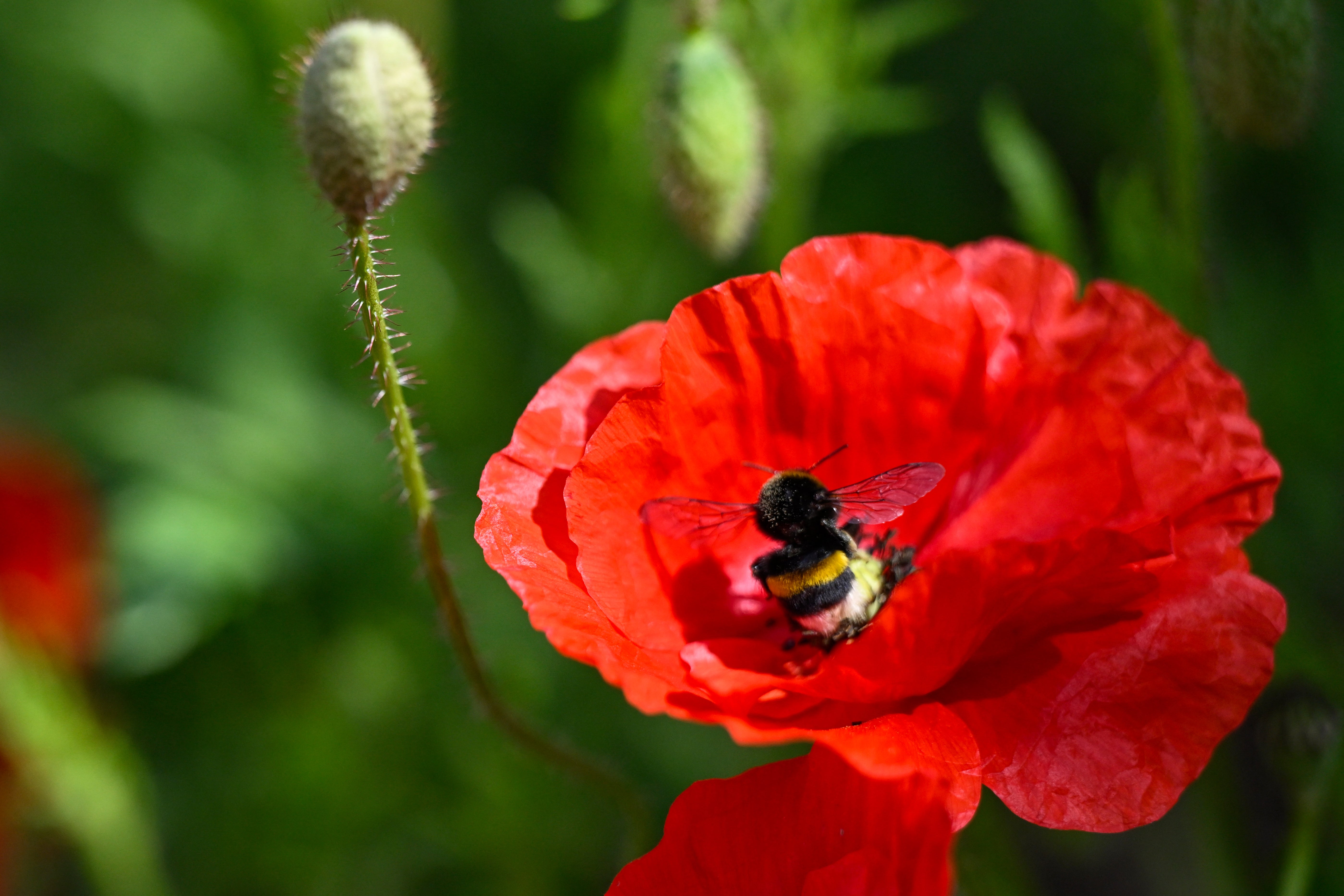
“Everyone can stand up and do something,” she says. “You can prioritise diverse planting to attract different types of pollinator in your garden. If you don’t have a garden, you can grow flowers in a window box to give bees a place to forage and rest – it all helps.”
Leaving out bowls of water can also assist them on hot days.
But seeing fewer bees isn’t the only change we’re likely to experience as the mercury rises. Here are nine other ways the British countryside might be impacted by climate change – and become unrecognisable – in the next decade.
Praying mantises and wasp spiders
You might not associate this green and pleasant land with praying mantises, but these large, carnivorous insects are likely to become more of a feature in the years to come. Last year, there were two separate sightings of the European praying mantis in Cornwall for the first time; in 2021, there were sightings in Oxford and Stratford. Populations of both European and Asian species of mantis are already moving northwards as temperatures heat up around the planet.
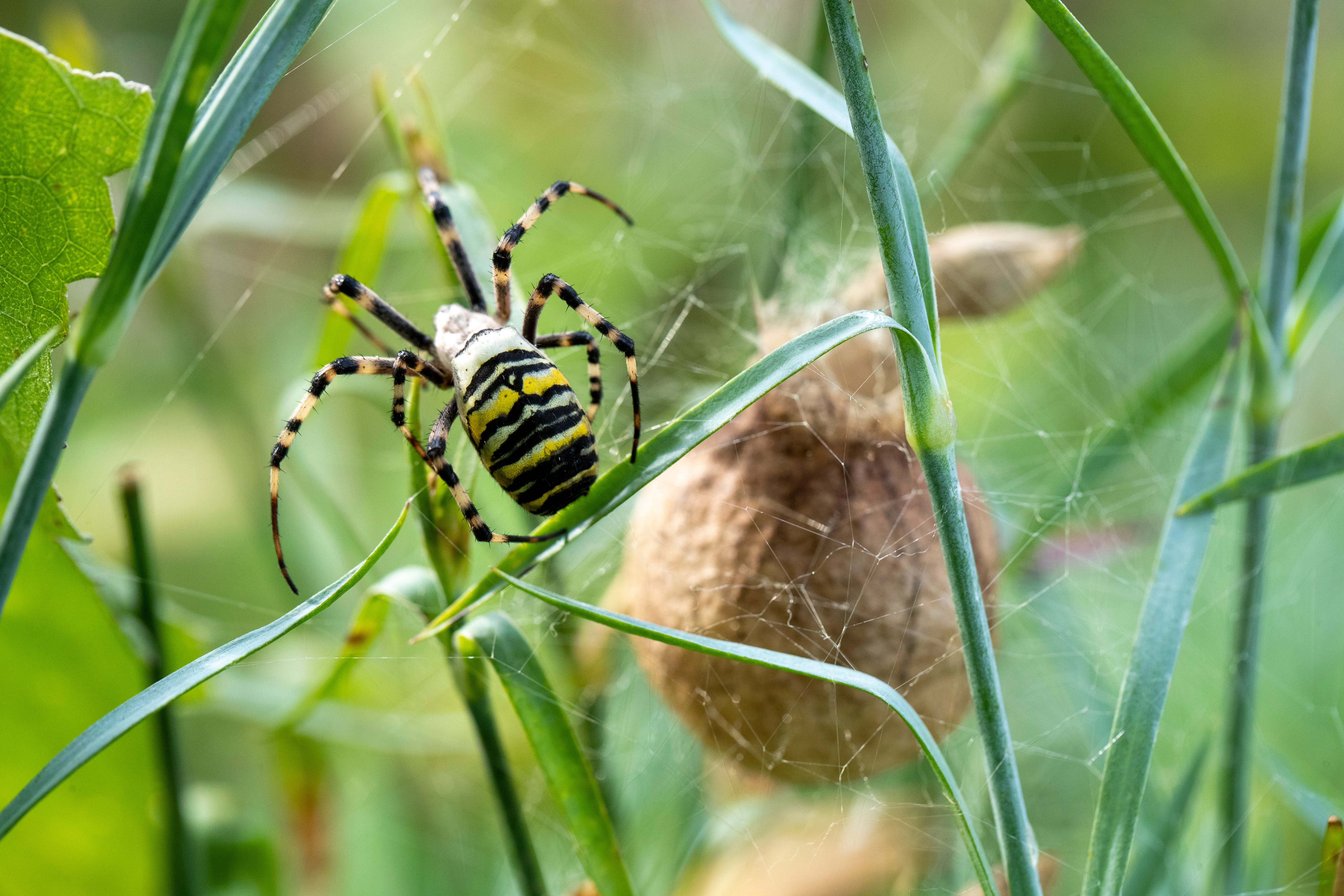
Then there are dragonflies and damselflies, whose populations have grown and become more widespread in the UK as a result of climate change, while hummingbird hawk-moth sightings are becoming more common. The latter migrates to the UK from the Mediterranean and North Africa, with numbers peaking in the summer months – there’s increasing evidence that, if they breed here, some of their offspring can now survive our milder winters. Wasp spiders have also spread from England’s south coast to further north in the warmer climate.

Less welcome increases have been noted in the number of diamondback moths, arriving in the UK in warmer months and capable of causing widespread damage to brassica crops; invasive mosquito species, which can transmit diseases like West Nile fever, dengue, chikungunya and Zika; and sand flies that spread leishmaniasis.
“Warmer temperatures in the future will increase the suitability of the UK’s climate for these invasive species, and increase the risk that they may spread disease,” according to the UK’s Health Protection Research Unit.
More vineyards
Up until very recently, the UK’s cool climate made the idea of English wine – certainly decent English wine – a laughable concept. Now, climate change has affected our terroir so much that English wines are winning international awards, and the total area of grapevines in the UK doubled between 2014 and 2022.
Soya and sunflowers
As our weather warms, the crops that we can and can’t grow will change accordingly. Over recent years, some farmers in southern England have started to grow soya; forecasts suggest that it will be possible to grow this crop in southern Scotland in the next 60 years. Farms are also experimenting with maize, sorghum and sunflowers.

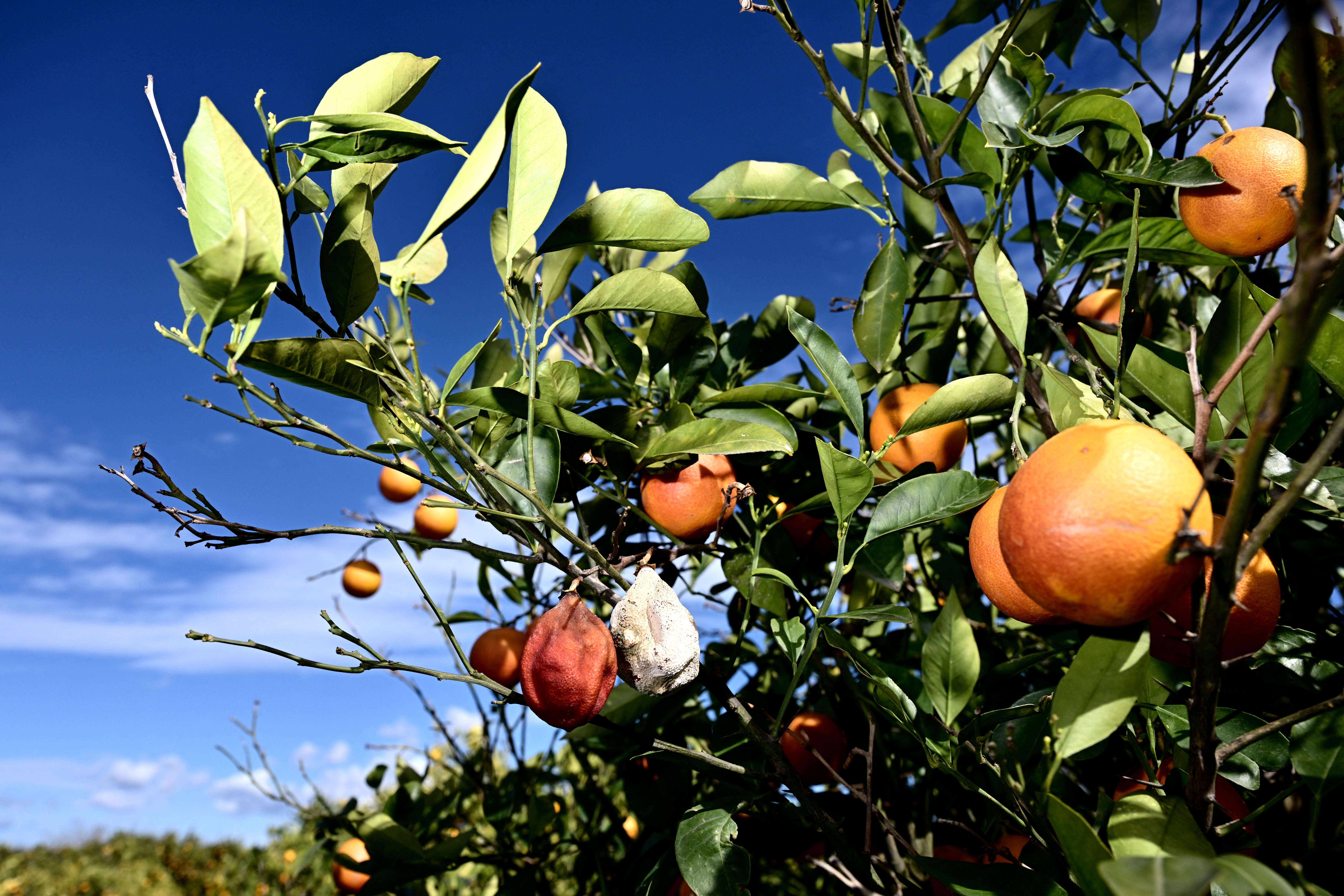
Meanwhile, a 2025 study led by the UK Centre for Ecology & Hydrology (UKCEH) predicted that, by 2080, temperatures in this country would be suitable for crops that traditionally thrive in much hotter parts of the world, including oranges, chickpeas and okra. By as early as 2035, farming stone fruit like apricots and nectarines might be a widespread reality.
Dying trees
Forests are increasingly susceptible to pathogens and pests due to changes in temperature and moisture patterns.
Chestnut blight and pitch canker of pine were previously a southern European problem; now, they’re extending their northern range as the climate heats up, according to Forest Research.
Trees are even more vulnerable to attacks, and more prone to dying, as a result of drought stress. The larger eight-toothed European spruce bark beetle, spotted in southeast England, prefers weakened trees – if rising numbers are left unchecked, they have the potential to cause untold damage. Pests like bark-boring beetles (which, as you might imagine, bore into tree bark) are also likely to benefit from warmer temperatures.
Farewell to the cottage garden
Where once a cottage garden might have contained lawns and herbaceous borders, in future an “English” country garden is likely to look far more Mediterranean: think citrus, olive and fig trees; thyme and lavender; or climbers like passion flowers, which are less water-dependent than other plants.


April is the new flower season
As climate change affects the phenology of plants – the time of year at which they go through different life stages, such as flowering – we’re already seeing some blooms appearing earlier and earlier.
Analysis of the Woodland Trust’s database of observations recorded by volunteers shows that the date of flowering of plants in the UK has advanced by almost a month between the pre- and post-1986 records.
For example, hawthorn, colloquially known as the May tree due to the fact it historically blossomed in early May, has commonly started flowering in April instead (making its moniker somewhat redundant).
As well as impacting insects, nesting birds and entire ecosystems, these changes are bad news for hay fever sufferers – earlier this year, a major study from the Lancet Countdown found that the pollen season was one to two weeks longer on average in 2015-2024 compared with 1991-2000, increasing exposure to allergens.
(Hopefully) more hedgerows
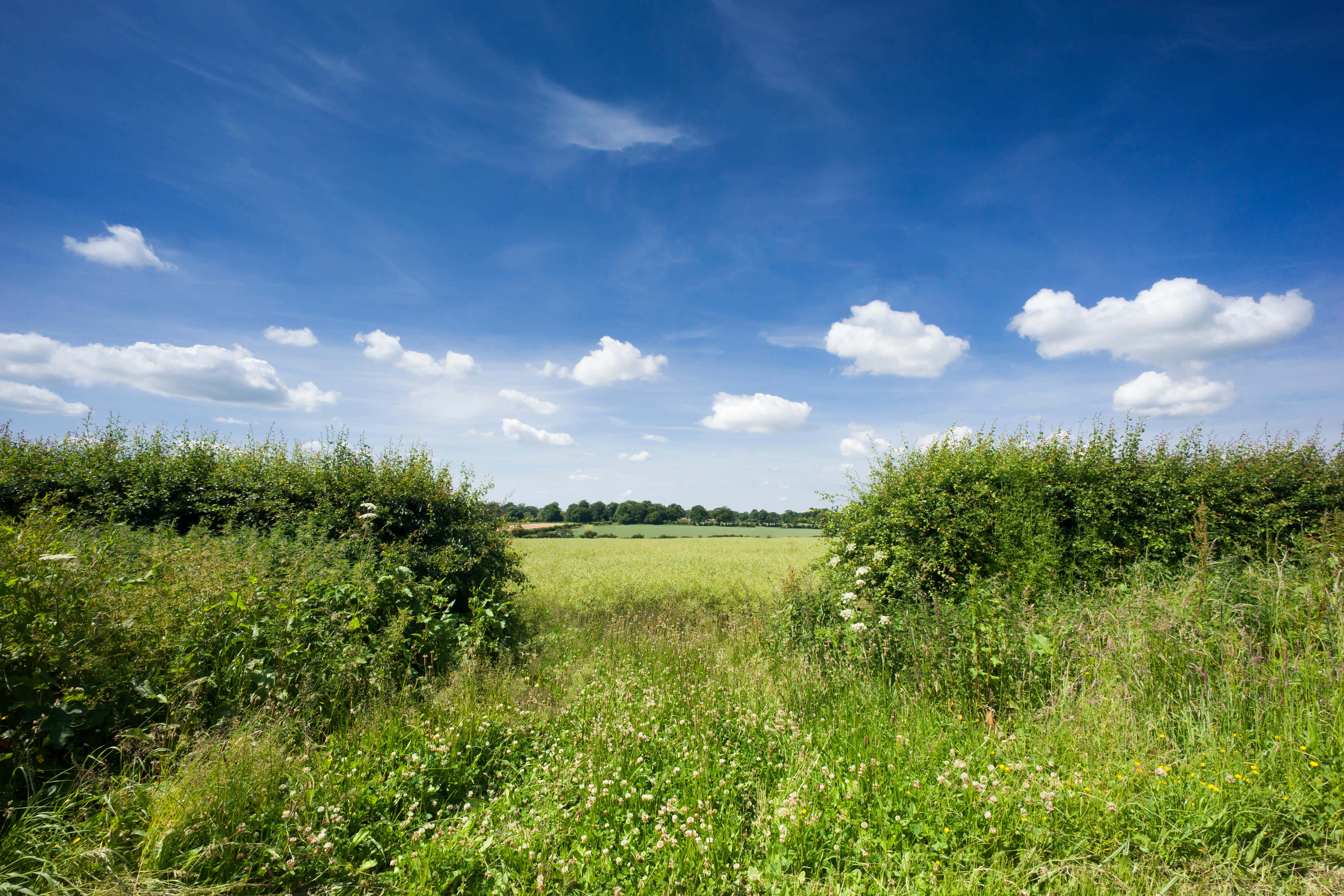
British hedgerows have been identified as one of the most effective tools farmers have to respond to climate change, helping farms adapt to more extreme weather, storing carbon and supporting wildlife.
“Hedgerows can play a significant role in building climate resilience into agricultural landscapes,” according to the People’s Trust for Endangered Species. It’s why Defra aims to create or restore 30,000 miles of hedgerow by 2037 and 45,000 miles by 2050, while the Climate Change Committee has recommended that the national hedgerow network should be increased by 40 per cent by 2050.

Bye-bye Birch trees, hello Turkish hazel
Some of our best-known and loved native trees are particularly susceptible to drought – in summers of the future, southern England’s beech trees, with their shallow root systems, will be increasingly at risk from lower rainfall and higher temperatures. Birch and sycamore trees are also sensitive to our changing climate.
Native hornbeam, oak species, douglas fir and western hemlock are more tolerant of drought – but we might also see more proactive planting of exotic trees suited to hotter, drier climates, such as eucalyptus, ginkgo biloba, sweet chestnut and Turkish hazel.
Disappearing bluebells
A carpet of bluebells, violet and fragrant, is one of the great joys of springtime in England. In fact, the UK’s woodlands are home to almost 50 per cent of the world’s population of bluebells. But our native flowers are under threat, pushed out by the more robust and vigorous Spanish variety. This interloper outcompetes our indigenous species, taking the light, water and nutrients needed to thrive, and leading to a natural decline in the latter – in much the same way as the American grey squirrel pushed out the UK’s native red squirrel.

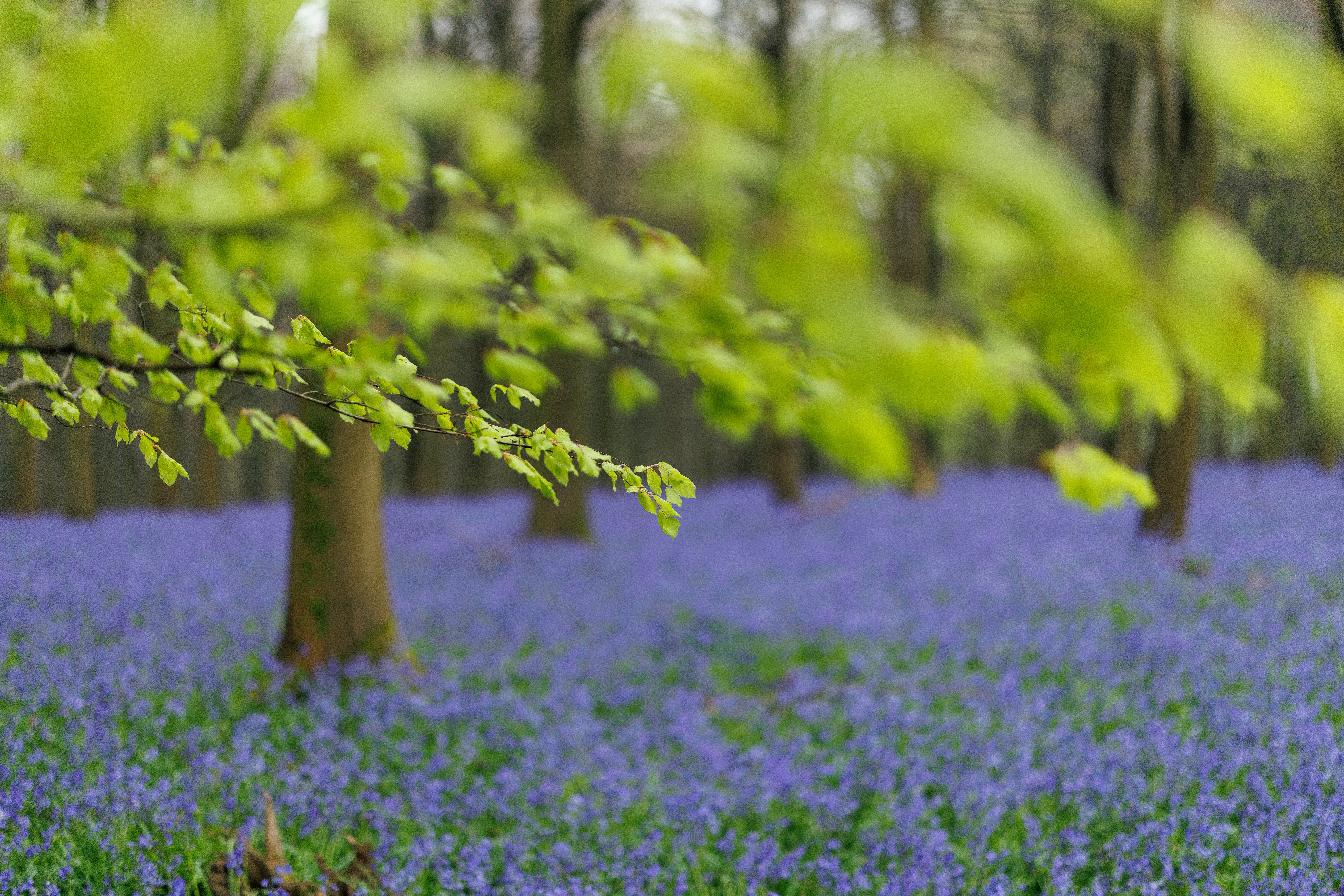
While pretty, Spanish bluebells are paler in colour and they don’t have any scent; the English variant’s heavy fragrance acts as a helpful “this way!” sign to our native insects, telling them where to forage.
Additionally, bluebells and other woodland plants are under threat if current predictions about wetter winters and hotter, dryer summers come to pass. Warmer winters may pose the added danger of allowing competitive plants such as garlic mustard and cow parsley to start leaf growth earlier in the year, stealing the early-flowering advantage that bluebell and snowdrop bulbs currently enjoy.