


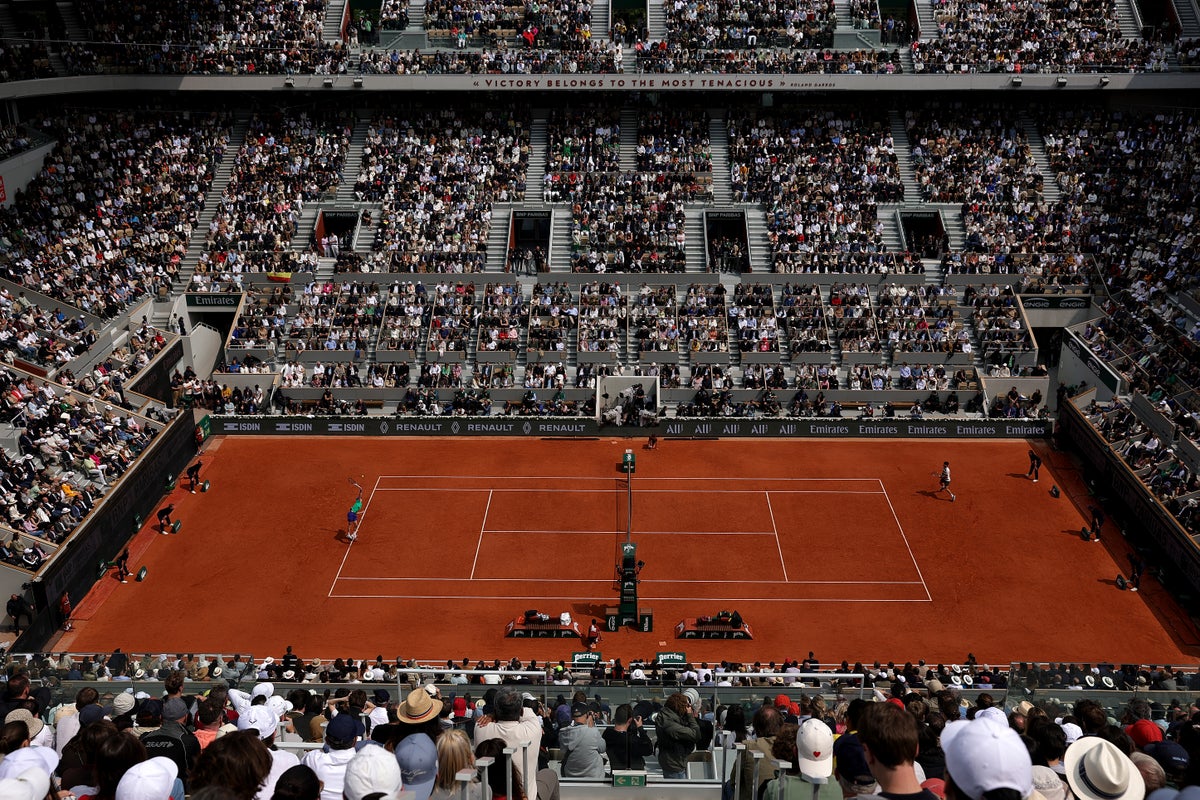
The French Open is set to commence on Sunday, 24 May, at Roland Garros in western Paris, with a significant boost to its prize fund.
The total prize money for this year’s tournament has increased by approximately 10 per cent, reaching an overall pot of 61.7 million euros (£53.7 million), marking a 5.3 million euro rise (£4.6 million) from last year.
Champions in both the men’s and women’s singles categories will each receive 2.8 million euros (£2.4 million), while the runners-up will take home 1.4 million euros (£1.2 million).
Semi-finalists are awarded 750,000 euros (£652,000), and even those exiting in the first round will secure 87,000 euros (£76,000).
In the doubles competitions, the men’s and women’s winners will pocket 600,000 euros (£522,000), with the mixed doubles champions earning 122,000 euros (£106,000).
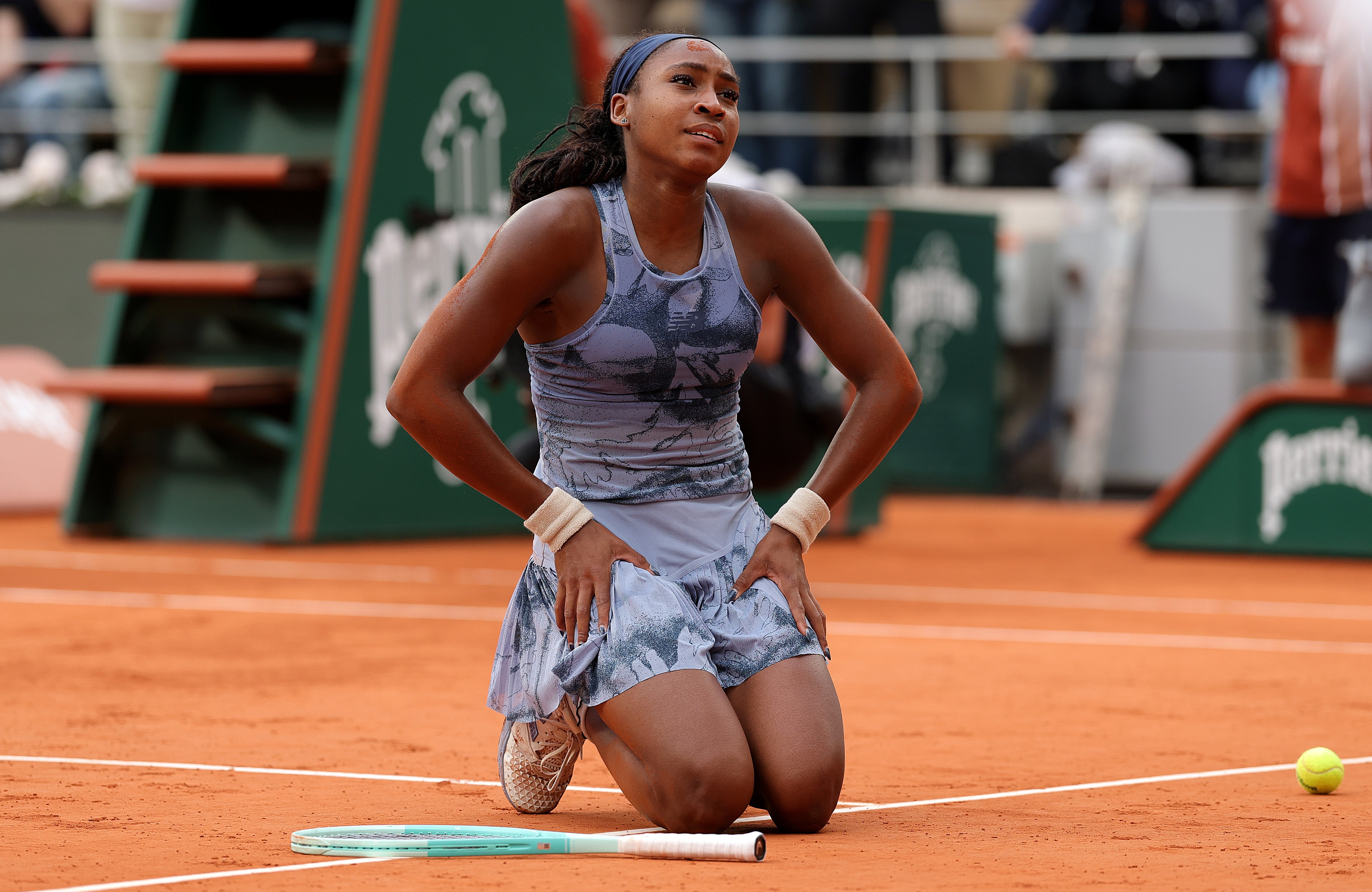
Last year saw Carlos Alcaraz stage a memorable comeback against Jannik Sinner in the men’s final, while Coco Gauff triumphed over Aryna Sabalenka for the women’s title.


This year’s event will introduce an opening ceremony, lasting around six minutes, before the men’s and women’s finals, orchestrated by French choreographer Benjamin Millepied.
Additionally, for the first time, players will be permitted to wear data-collecting portable devices on court, enabling them to gather information on their physical performance, as announced by tournament director Amélie Mauresmo.
Mauresmo also addressed the critical issue of player privacy, a concern previously highlighted by Iga Swiatek and Coco Gauff at this year’s Australian Open.
Gauff’s racket smashing incident away from the court went viral, while Swiatek expressed feeling like “animals in the zoo” due to the pervasive nature of cameras tracking players.
Without directly referencing the Australian Open, Mauresmo emphasised the need for tennis to “maintain respect for privacy” and ensure secluded spaces for athletes.
“Players need a private area, something which will not change,” she stated. “No cam access (there).”
While embracing some innovations, Roland Garros remains steadfast in upholding certain traditions. Mauresmo confirmed that the tournament would not adopt novelties such as the “1 Point Slam” seen at the Australian Open.

“Our ambition is not to repeat everything that’s done elsewhere,” she explained. “This is not something that corresponds to us, to the image of Roland Garros.”
Similarly, the French Open will continue to rely on human line judges, eschewing the electronic line-calling systems adopted by Wimbledon and many other major tournaments.
“They are not 100% reliable,” Mauresmo conceded, “but our decision was to stick to our way.”
However, Mauresmo expressed an openness to women playing five-set matches, mirroring their male counterparts.
“You can’t change a format overnight to go from best of three to best of five. But if we think about it, would it be only the semifinal, the final, or for all matches?” the former Wimbledon champion pondered. “This could be a win-win situation but we have to talk about this with the women players.”
Recalling her own playing days, Mauresmo added, “as a player when I did the Masters final (in 2005) they had just stopped this. I would have wanted to do the final in best of five. So maybe one day, you never know.”
Regarding evening match scheduling, Mauresmo indicated flexibility.

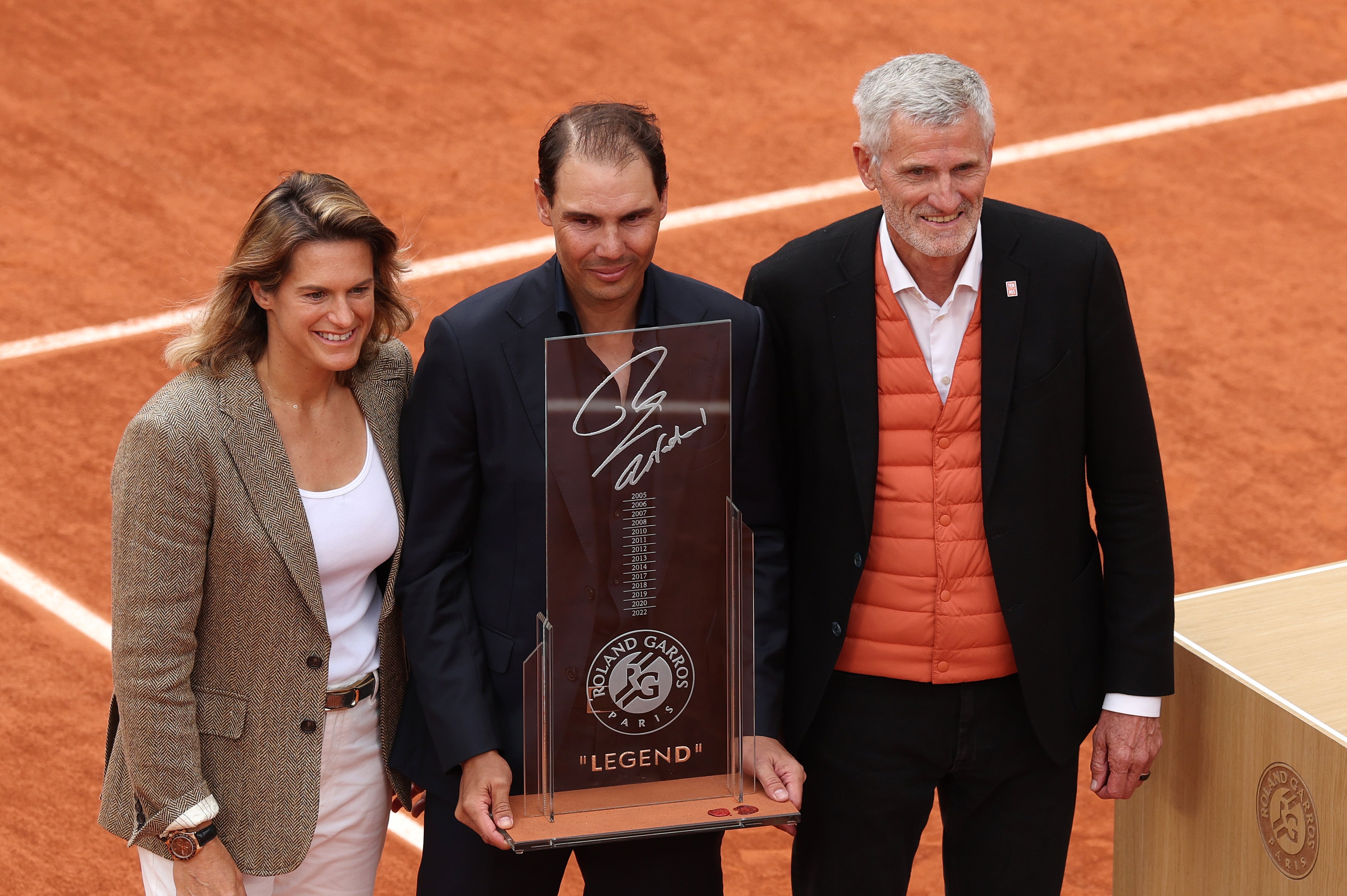
“We will talk about scheduling when the time comes,” she said, adding, “Nothing is closed and nothing is set in stone, it depends on the draws and the lineups.”
This follows criticism last year concerning a lack of women’s matches during the night sessions. One confirmed change for the final Saturday is that the men’s doubles final will now precede the women’s singles final.
For fans, a “Jardin des Chefs” will offer French gastronomy next to Court Simonne-Mathieu, featuring 13 French chefs throughout the tournament.
The iconic Concorde Square will also host a big screen showing matches for free during the second week, from 3-7 June.
The tournament will pay tribute to French veteran Gaël Monfils and 2015 champion Stan Wawrinka, both of whom are retiring at the end of the season.
Underscoring the tournament’s unique identity, French Tennis Federation director Gilles Moretton affirmed a strong investment in building more clay courts, both real and synthetic, to further embrace the surface synonymous with Roland Garros.
Currently, only 13 per cent of courts in France are clay.