





Struggling to fall asleep or experiencing annoying muscle pain after work? You could be inadvertently harming your own health. experts warn.
We may think our daily habits won’t have that much of an effect on our physical health – especially if they’re fairly widely practiced.
But knowing associated risks can help to prevent negative outcomes and improve your overall quality of life.
“Many people want to live long healthy lives, into their seventies, eighties and nineties,” Northwestern Medicine’s geriatrician Dr. Lee Lindquist, said in a video on social media. “But there might be something that you are doing to sabotage that ability.”
Binge bummer
Whether you’re a student, in the workforce or retired, there’s no avoiding screens.

And who doesn’t love binge-watching the new season of Bridgerton when it comes out on Netflix? There were 40 million viewers in the first four days, Variety reported.
But binge-watching can lead to back pain, increase loneliness and interfere with our ability to sleep, according to Northwestern Medicine.
The light from screens keeps the brain awake, suppressing the sleep hormone melatonin, according to Harvard Health.
Adults need at least seven hours a night for optimal health, so they should cut off screens one or two hours before bed, Dr. Brian Chen, a sleep specialist at the Cleveland Clinic, said Friday.
“If you’re getting [fewer hours of sleep] than [seven], then it’s probably not enough sleep. Can you survive? Yeah, you probably do fine, you scrape by, you’ll be OK,” he explained.
“But that’s not the optimum amount of sleep for you to feel good and be efficient and productive the next day.”
Catch-22
You may think you’re helping to keep off weight that leads to obesity, diabetes, cancer and heart issues when you skip a meal.
But the truth is that skipping a meal can be just as harmful as overeating. Low blood sugar caused by not eating enough in a day can make you feel tired, unsteady and dizzy, according to Banner Health.
Skipping meals can lead to cravings for unhealthy foods, including carbohydrates and sweets, and you may overcompensate by eating more than you intended during the next meal.
And skipping meals can actually impact muscle instead of fat, Amanda Spina, a registered dietitian at Banner Health, warns.
“In starvation mode, when your body finishes its preferred energy source (glucose), it will switch to burning fat (a state of ketosis),” Spina said. “As this fasting phase continues, it may also start breaking down protein in the form of muscle tissue, which can damage your kidneys.”
People can prevent this by keeping healthy snacks on hand, scheduling time for lunch and prepping nutritious meals.
“If breakfast is tough in the morning, try overnight oats, yogurt and hardboiled eggs as a quick and easy breakfast option on-the-go,” Banner Health says.
Work slump
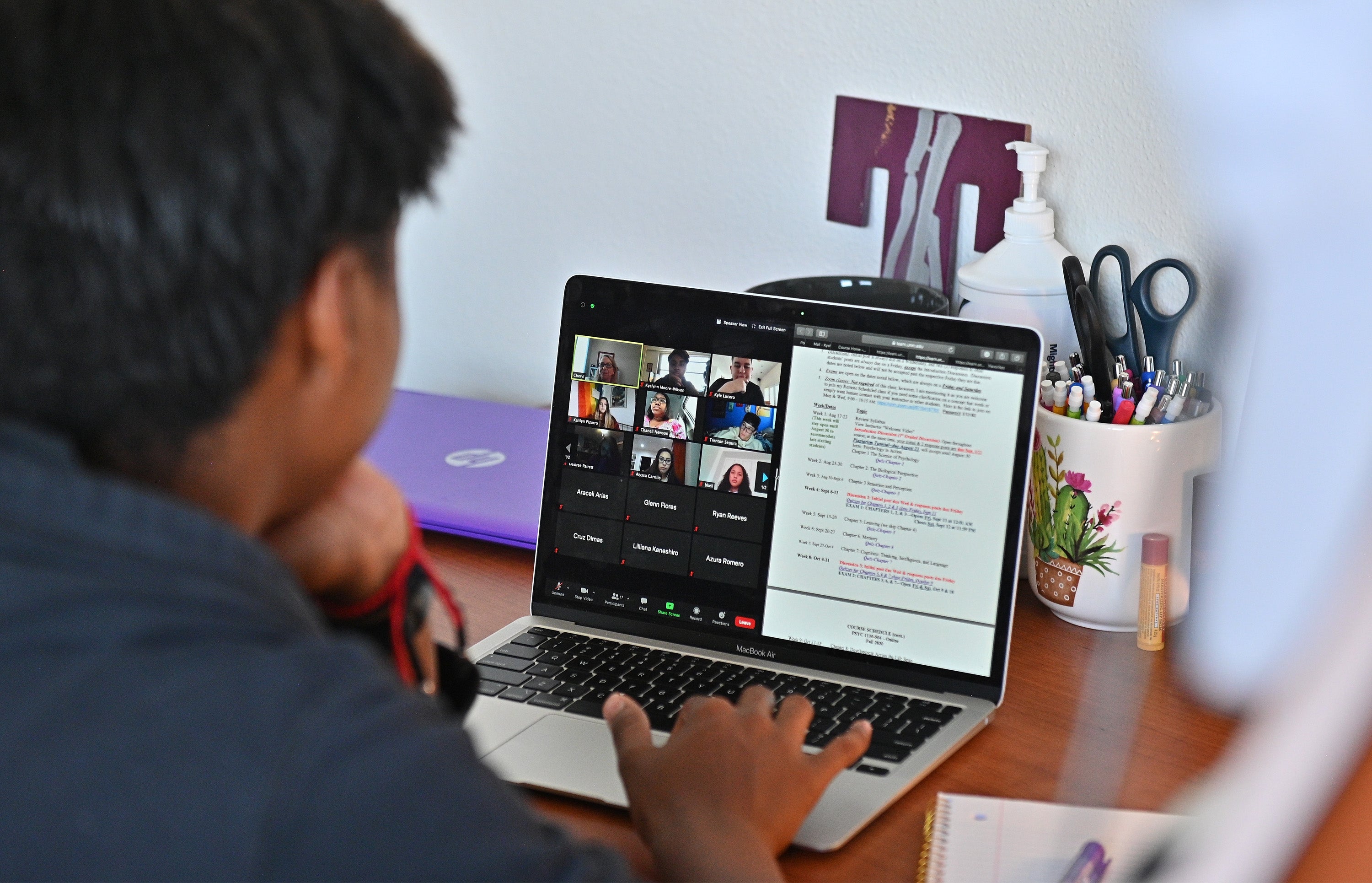
If you’re sitting at your desk for hours every day, you’re probably not sitting up straight the entire time.
But maintaining good posture can be the difference between a life of back and neck pain and an imbalanced body.
“Having poor posture may lead to aches and pains, but having it over the long term is when you get real damage,” chiropractor Andrew Bang told the clinic.
Long-term, slumped shoulders can cause stiffness, heartburn or stress incontinence due to increased pressure on the abdomen and bladder.
It can also lead to arthritis caused by inflammation as the immune system works to heal the muscles you work in your neck and back when you’re sitting.
The best way to sit at your desk is as close as possible with your upper arms parallel to your spine and your elbows at a 90-degree angle.
“Your buttocks should be pressed against the back of your chair, and there should be a cushion that causes your lower back to arch slightly so that you don’t slump forward as you tire,” UCLA Health says.
Overthinking overthinking
One in eight Americans are overthinkers, according to a Talker Research survey from last year.
Overthinking is generally negative and is associated with developing depression and anxiety, the clinic notes. And repetitive negative thoughts have been tied to cognitive decline and memory issues, Harvard researchers say.
They also had higher levels of hallmarks of Alzheimer’s disease in the brain: the proteins beta-amyloid and tau.
But finding a distraction or talking to a friend about these thoughts can help to reduce this risk.
There are a lot of benefits to spending time with friends, which triggers the production of the feel-good hormone oxytocin, U.C. Berkeley researchers note.
“Socialization is so important for your brain,” said Lindquist. “And also for loneliness and helping to avoid depression.”

