
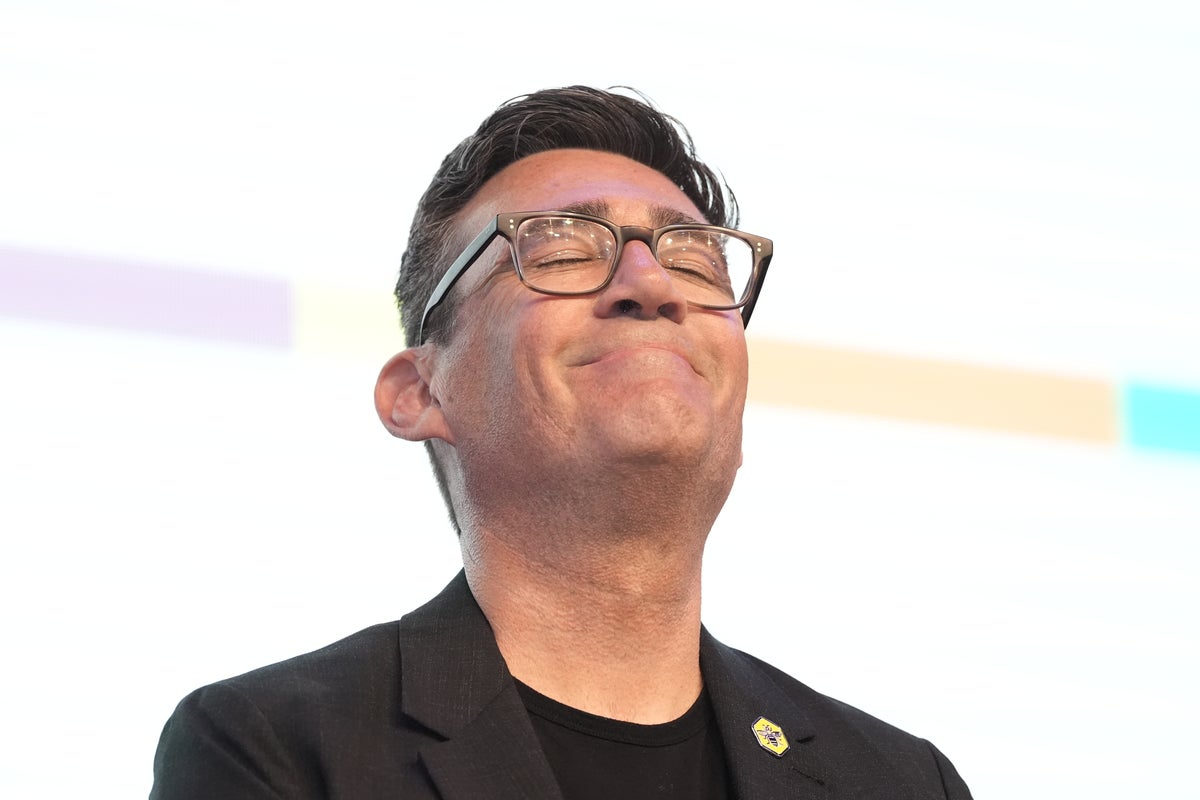
The size of the task facing Andy Burnham when he becomes prime minister on Monday is underlined by a new poll: 18 million Britons cannot identify him.
Asked to put a name to his face from a photograph in a survey, nearly four in 10 voters (38 per cent) are unable to do so.
Curiously, one person who took part in the JL Partners poll for the Independent mistook Mr Burnham for quiz show host and author Richard Osman.
The two share dark hair and bushy eyebrows, and both were born in 1970. But there the likeness ends, with Osman, at 6’ 7”, towering over the Labour MP’s 5’ 10”.
More flatteringly perhaps, one participant in the survey identified Mr Burnham as Mel Gibson, the Hollywood actor, while another thought he was Amazon boss Jeff Bezos.
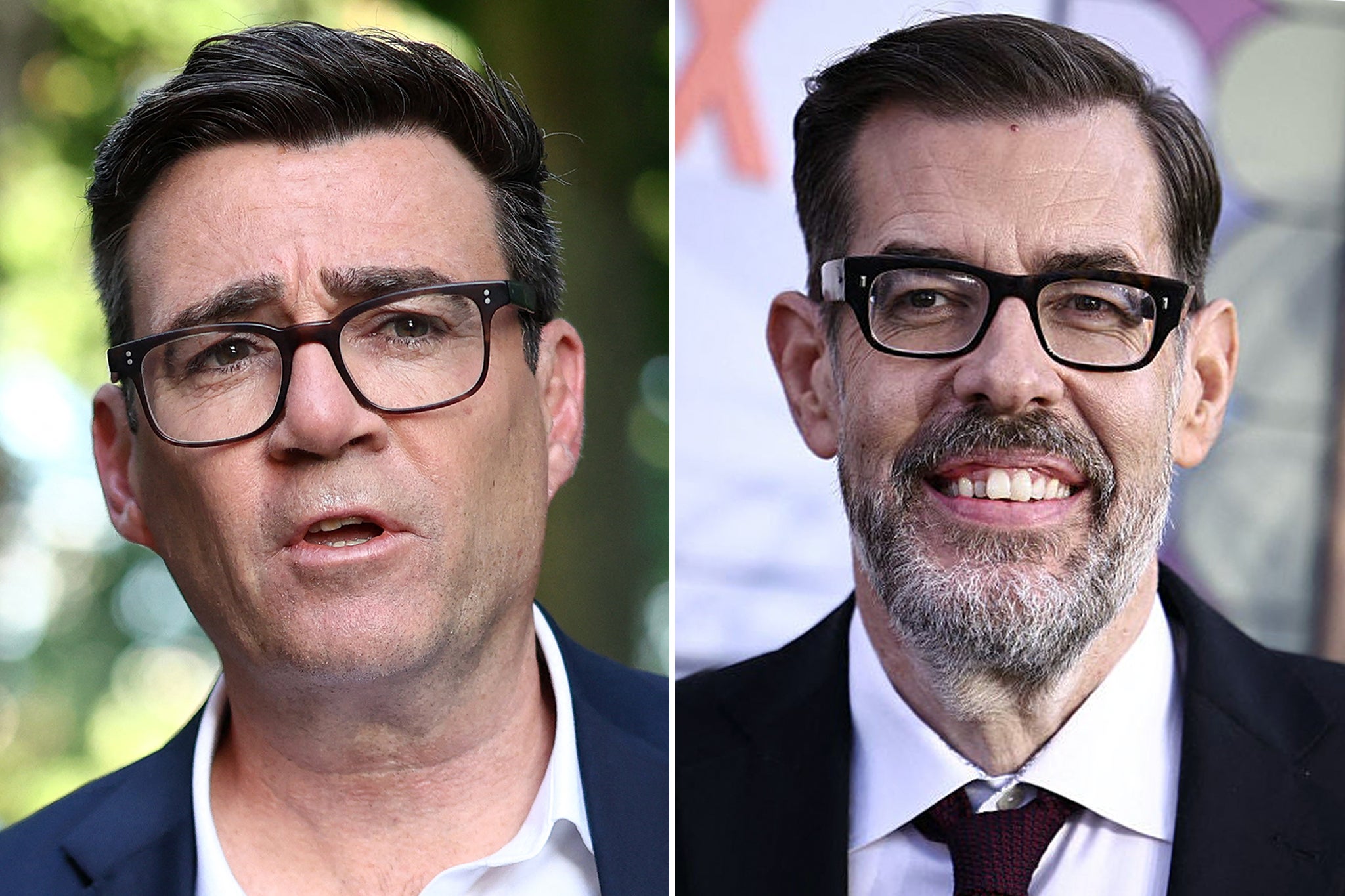
According to the survey, some voters may struggle to notice the difference when Mr Burnham replaces Sir Keir Starmer in No 10: a handful of people wrongly identified Burnham as Starmer.
Just over six in ten (62 per cent) were able to name Mr Burnham from a photograph of him. With a British electorate of approximately 48 million, it indicates that although about 30 million know who he is: 18 million do not.
James Johnson of JL Partners says the results suggest a significant opportunity for the incoming PM, as he is a “blank slate” to many people.
But they also posed a “danger” to Mr Burnham – and to Labour supporters counting on their new leader’s personal popularity to boost the party’s dismal standing in opinion polls.
The survey shows many voters do not have a clue who Burnham is or what he stands for, says Mr Johnson. And Labour’s and Burnham’s ratings could change fast for the better – or worse – now they are about to find out.
Other prominent Labour figures set to have key roles in Burnham’s cabinet fare no better in the identity parade-style political survey.
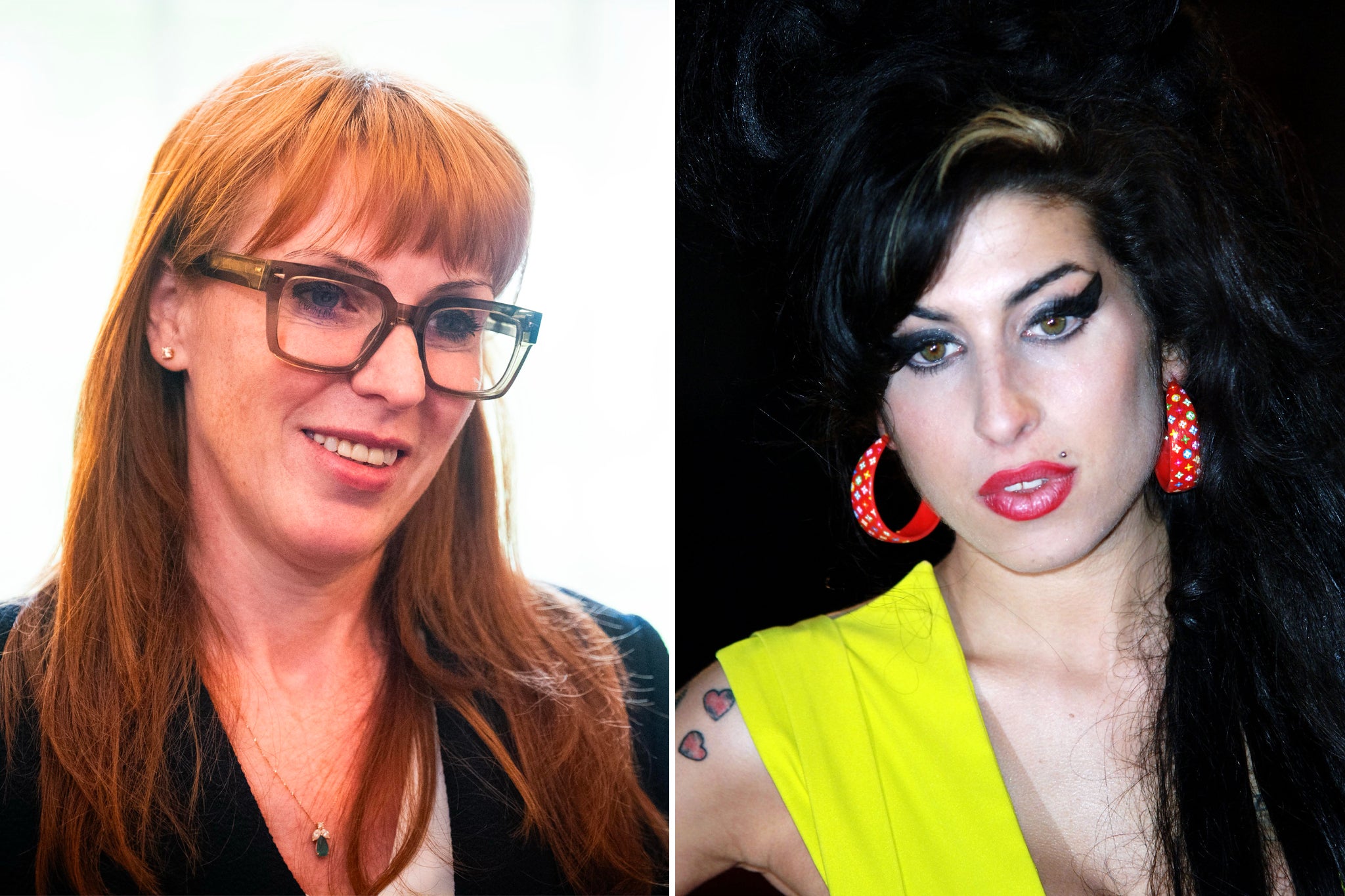
Fewer than half (45 per cent) of voters can identify former deputy prime minister Angela Rayner. Many got her mixed up with chancellor Rachel Reeves. One mistook her for the late singer Amy Winehouse; another thought she was ex-Tory prime minister Liz Truss.
Ed Miliband, who reportedly aims to be Burnham’s chancellor, has a more complex image problem.
While a total of 43 per cent correctly recognised him, a significant number confused him with his older brother David, considered to be a candidate for the post of foreign secretary.
Two participants in the poll named Ed Miliband only as ‘bacon man,’ a reference to a well-known photograph of him taken some years ago showing him awkwardly eating a bacon sandwich on the campaign trail.
One individual in the survey identified him merely as ‘Wallace,’ thought to be a reference to the Wallace and Gromit cartoon character.
Most bizarre of all, a sizeable chunk of voters wrongly appear to think Left-winger Ed Miliband is in fact ex-Conservative prime minister Rishi Sunak.
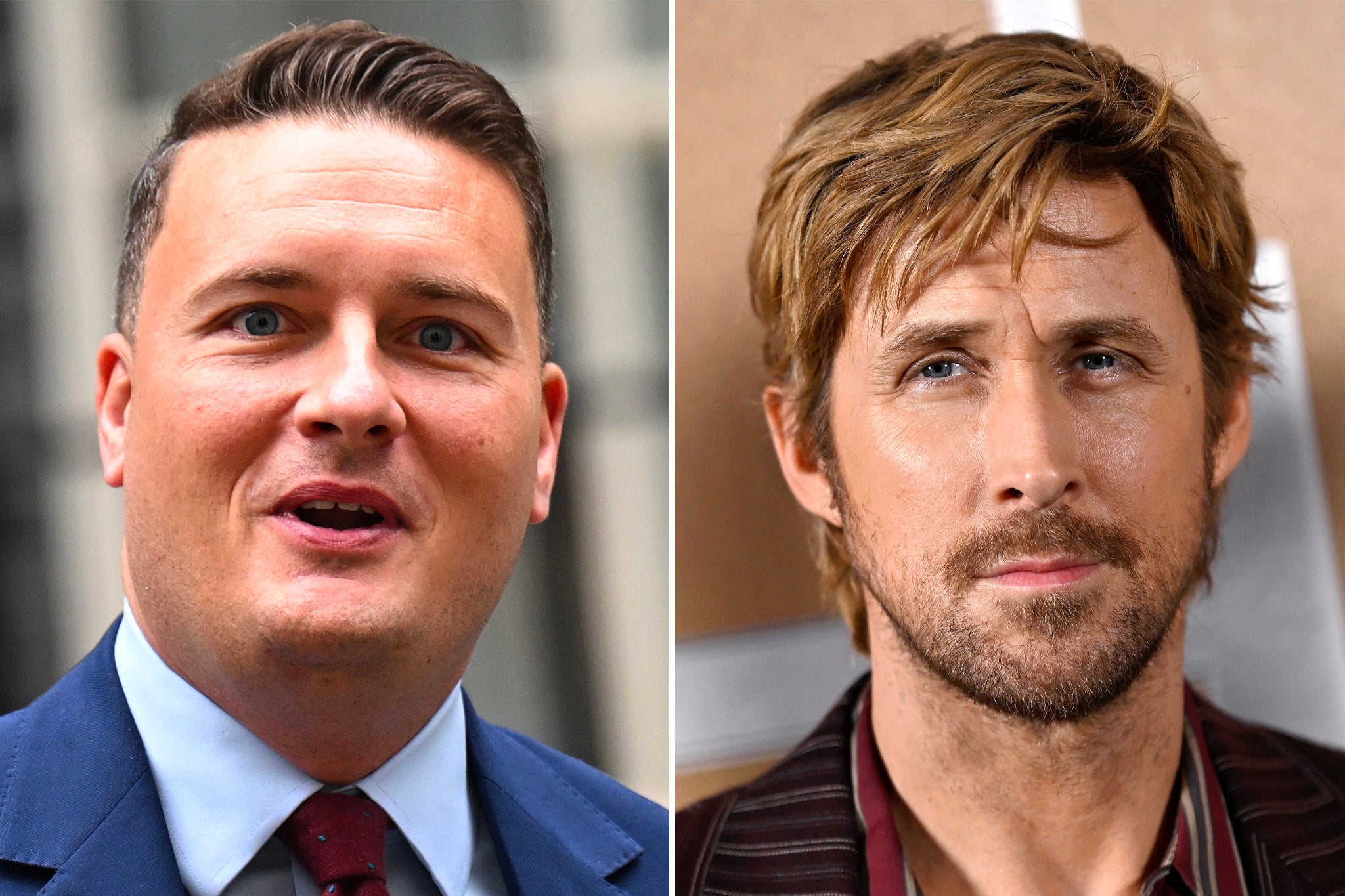
Outspoken former health secretary Wes Streeting, seen as being on the right wing of the Labour Party, and who played a leading role in forcing Starmer to resign, is recognised by just over one in three (37 per cent) of voters.
One individual wrongly named Mr Streeting as actor Ryan Gosling, while another confused him with Reform leader Nigel Farage.
Just over one in four (27 per cent) were able to identify home secretary Shabana Mahmood, with some confusing her with Tory leader Kemi Badenoch.
Ambitious former defence minister Al Carns, the ex-army officer who was the last person to withdraw from the Labour leadership contest, is recognised by barely one in 20 (six per cent) of voters. One individual who took part in the poll thought Carns was a character from Emmerdale.
Mr Johnson says the results of the survey are a ‘reality check for those in Westminster who assume the public are following everything as closely as they are.
”It also tells us that much of Burnham’s brand is undefined – because millions do not yet know who he is.”
The outcome of the poll indicates an opportunity for Mr Burnham, says Mr Johnson, ‘because he is the definition of a blank slate: his first speech in Downing Street will be his first introduction to tens of millions of Britons.’
But it also signified a ‘danger’ for him – and should serve as ‘a word of caution’ for Labour supporters expecting the Party’s poor standing in opinion polls to rise thanks to Burnham’s own ‘positive personal ratings.’
Mr Johnson says: “Everything can change fast when it comes to how the public view a politician, and that is doubly the case when many people do not even know who Burnham is.
“His current personal ratings may look good in most polls, but they are going to be more malleable than ever in the weeks ahead as he introduces himself to an electorate with little sense of Burnham the man or Burnham the politician.”
A total of 1,500 adults in the UK took part in the JL Partners online survey on 4-6 July.