

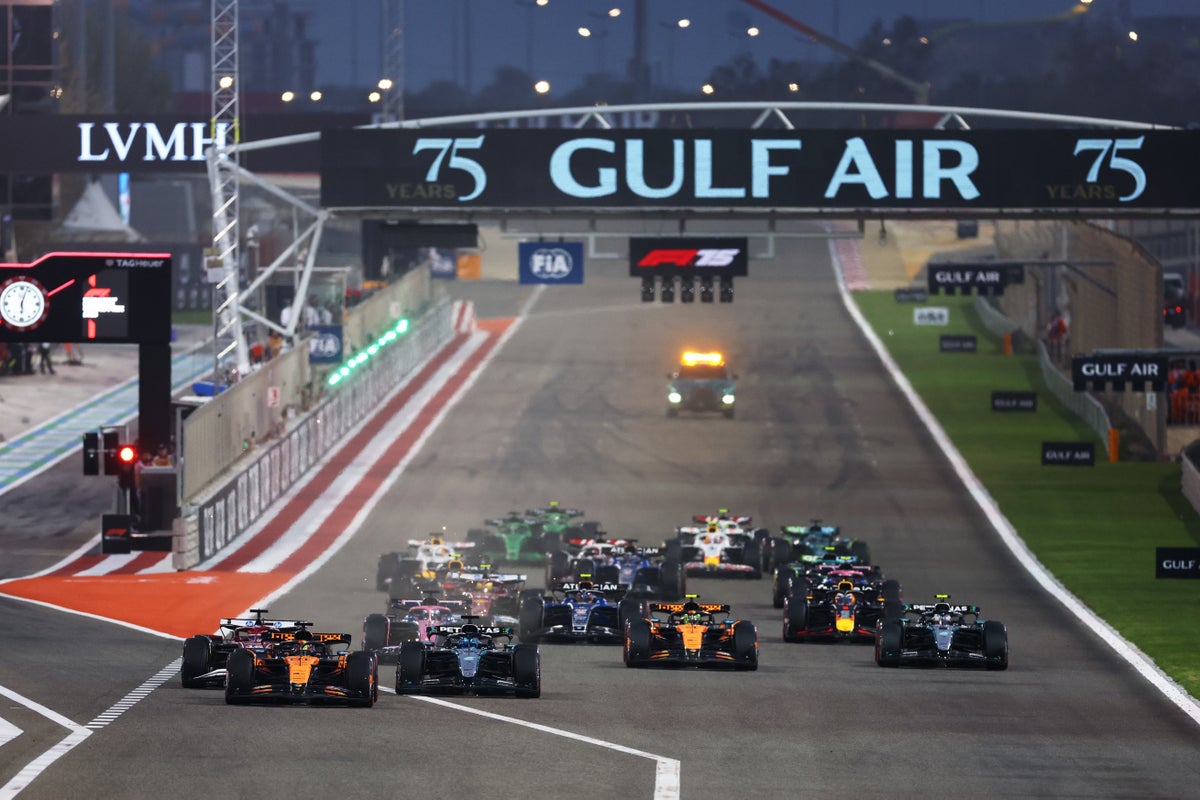
Formula 1 is “continuously evaluating” the possibility of reinstating one – if not two – of the Middle Eastern races cancelled last month due to the conflict in the Gulf.
The Bahrain and Saudi Arabian GPs, scheduled for April, were taken off the 2026 calendar in mid-March, a fortnight after Donald Trump targeted missiles at Iranian military and government sites, provoking retaliatory strikes throughout the region.
However, recent noises from the sport’s American owners, Liberty Media, and the sport’s governing body, the FIA, suggest that solutions to rescheduling the cancelled races are on the table. In a conference call with investors last week, during which details of a 53% year-on-year revenue rise were announced, Liberty Media CEO Derek Chang stated that executives were “continuously evaluating the calendar this year.”
Chang added: “As Stefano [Domenicali, F1 CEO] mentioned to Bloomberg News last week, it might be possible to reschedule one race toward the end of the season.” He did ensure that any decision would be made in a “timely fashion.”
But what are the options on the table? What is at stake? And could the end-of-season races in Qatar and Abu Dhabi also be at risk?
‘Humans are always the priority’
The most obvious point to state is that neither Bahrain nor Saudi Arabia will be reinstated unless there is a permanent end to the conflict in the Middle East.
On Monday, Trump described the ceasefire with Iran – in force since 7 April – as on “massive life support” after dismissing Iran’s peace proposals. Trump said: “I would call it the weakest right now, after reading that piece of garbage they sent us – I didn’t even finish reading it.”
The US president also hinted at reinstating the country’s naval escort of ships through the Strait of Hormuz, as he looks to end the Iranian blockade of the vital trade waterway, situated 250 miles east of Bahrain.
As such, F1 bosses acknowledge that there will be no change to the current 22-race schedule – at least with events in the Gulf – until a resolution to the hostilities.
On the flip side, if the conflict continues throughout the summer and into the autumn months, the sport will have a decision to make regarding the final two races of the season in Qatar (29 November) and Abu Dhabi (6 December).
If F1 is forced to cancel those two events, the season would be reduced to 20 races and would currently end on Saturday, 21 November, with the Las Vegas Grand Prix. However, executives would likely want to find a solution to such cancelled races, given the impact of lost hosting fees and the sport’s calendar.
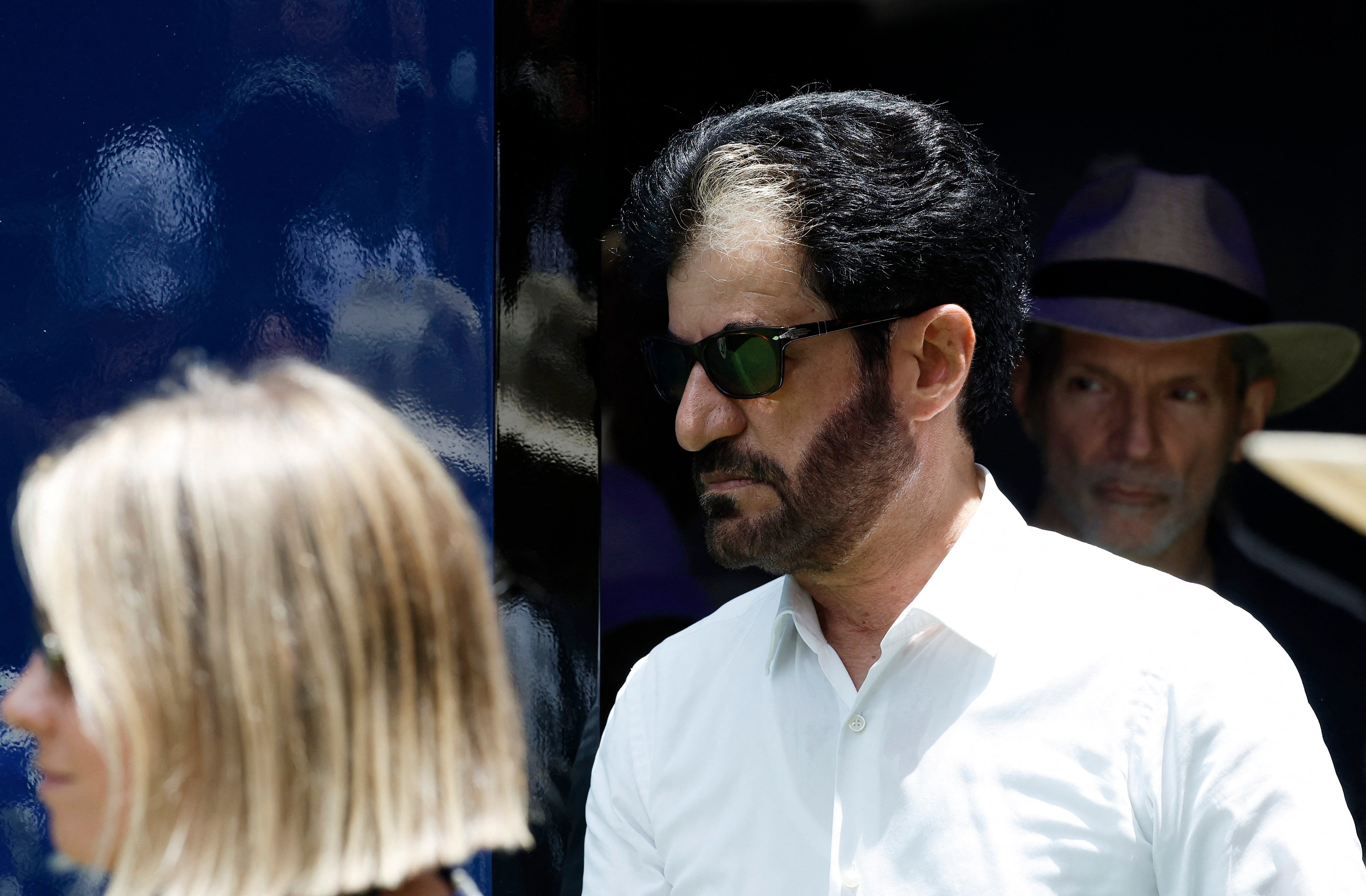
Yet in Miami, while floating the prospect of one race returning, FIA president Mohammed Ben Sulayem insisted that “security and safety come first.” He added: “There is a bigger issue than just motorsport. It is the way we live, it’s the changes, it’s the stress in that area.
“Sport can wait. What is more important? Humans or motorsport? Or any sport? Humans are always the priority. Hopefully, this [the war] will be over soon, so that we can go back to normal and not live in the way that we are living, with this stress.
“God forbid, if it goes on to October, November, we’ll just have to not do it because security and safety come first,”
When could Bahrain or Saudi be rescheduled?
The most obvious gap in the calendar for a reinstatement is between the Azerbaijan GP (26 September) and the Singapore GP (11 October).
In fact, a race in Bahrain or Saudi Arabia would work ideally in terms of direction of travel for freight and equipment. However, adding a third ‘triple-header’ slot to an already congested end-of-season schedule would stretch the teams to nine races across the world in 11 weeks.
There is another concern with a 4 October slot. The staging of the 2023 Qatar GP in October left drivers severely affected by extreme heat, with a few retiring from the race and Esteban Ocon vomiting in his helmet. Would conditions in early October in the Gulf be safe enough for those on the track?
Otherwise, the only other viable slot is amid the concluding triple header: Las Vegas, Qatar and Abu Dhabi. This would only be possible if the Abu Dhabi GP was pushed back by one week, to 13 December, yet causes issues as Abu Dhabi pays an expensive annual premium to host the final race of the season and the current 6 December date coincides with the week of their national day celebrations.
Even if the race was pushed back by one week – with Bahrain slotting in between Vegas and Qatar, for example – it would result in an unprecedented ‘quadruple header’, which would likely push the teams and personnel to breaking point and undoubtedly receive a substantial amount of pushback.
Which race is more likely to be reinstated?
Like the situation across the Gulf, this is somewhat up in the air.
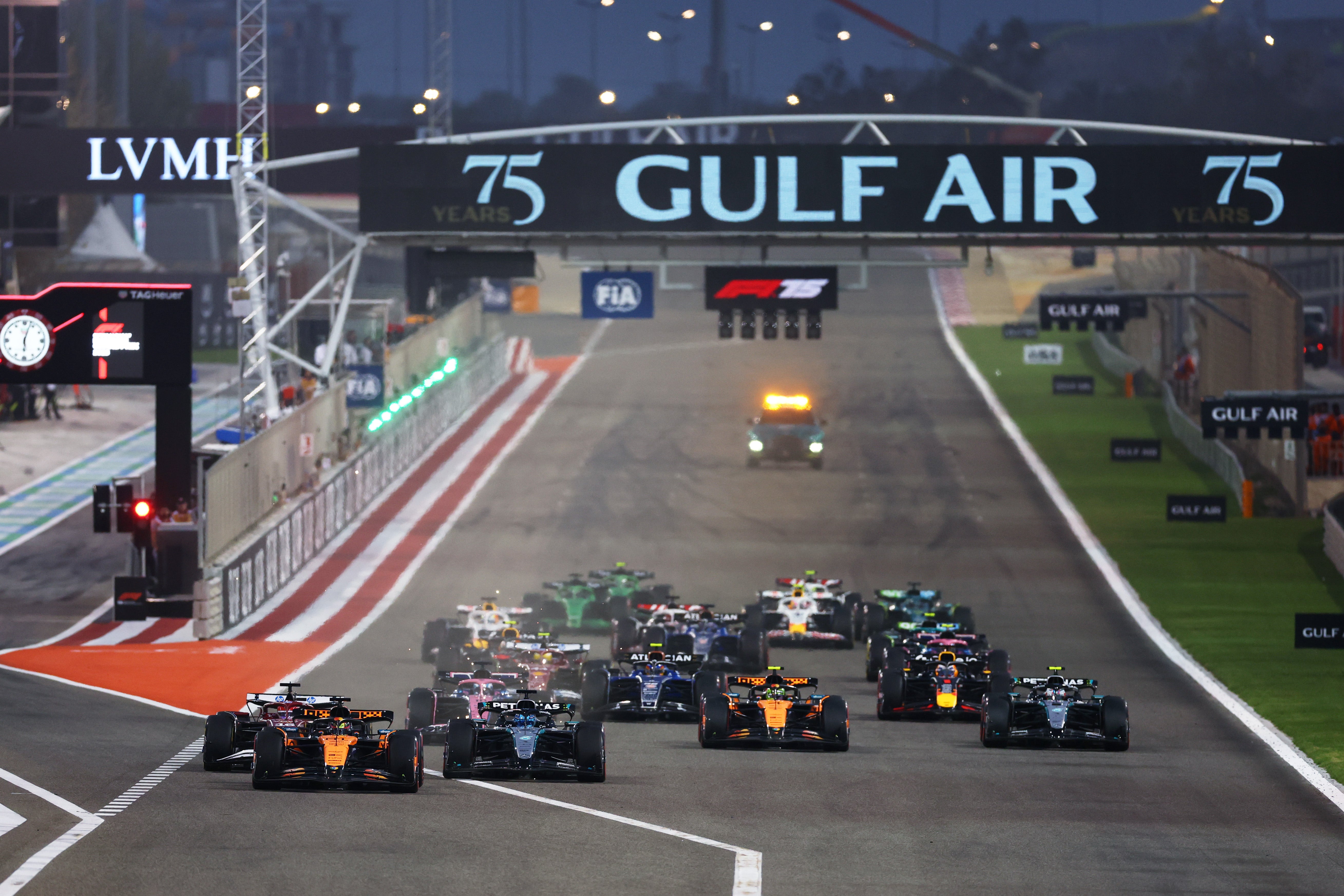
Given Bahrain’s longstanding agreement with F1 (first hosting a race in 2004) as well as the fact it hosts a permanent track and pre-season testing, the Sakhir circuit is generally seen as the preferred option.
However, the Saudi race is situated on the country’s western coast in Jeddah which, unlike Bahrain, has not been targeted by Iranian strikes. This perhaps makes the street circuit a more realistic proposition for reinstatement.
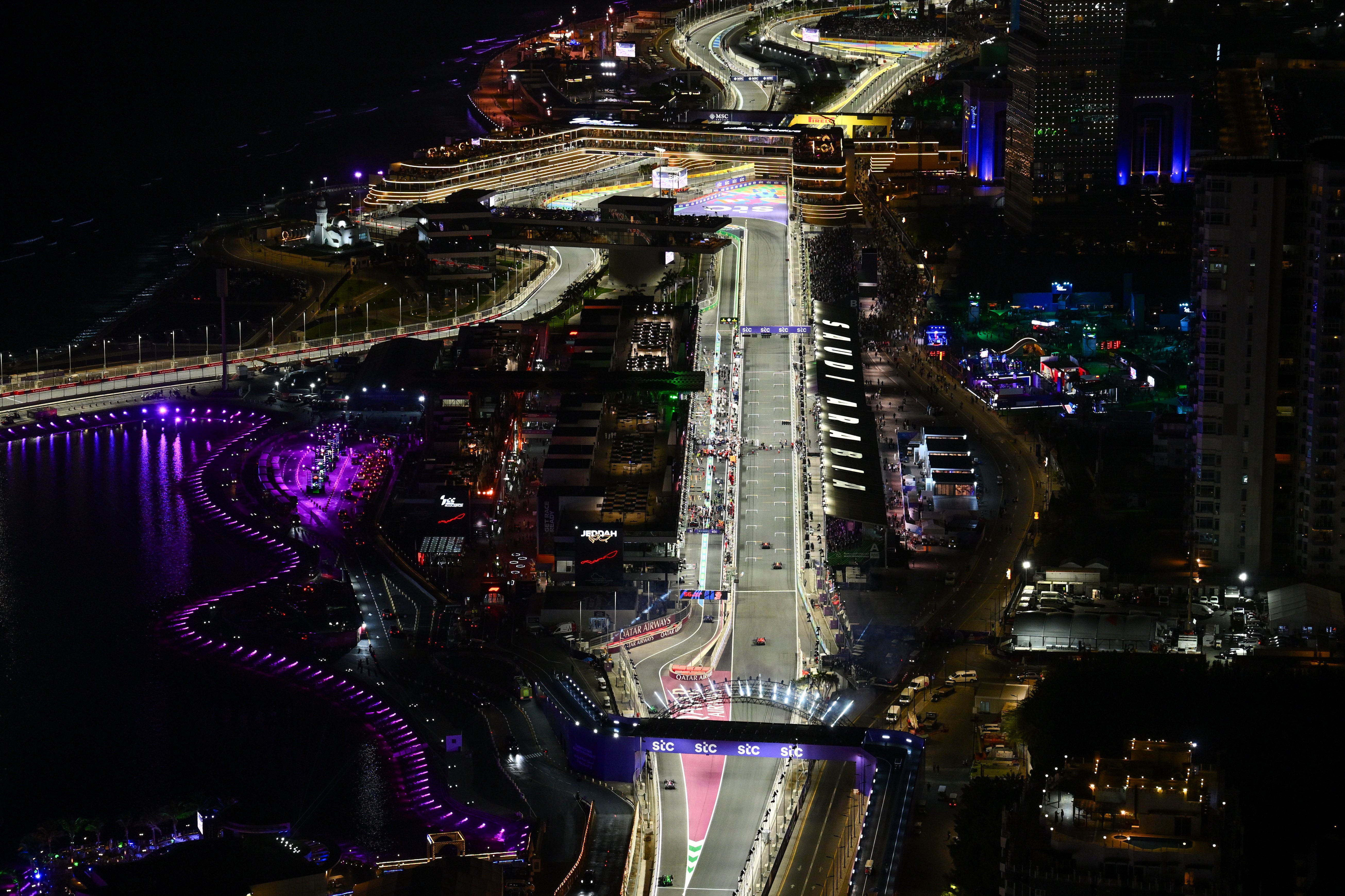
Currently, F1 stands to lose an estimated £100m in hosting fees (Saudi – £55m; Bahrain – £45m), but the situation is fluid and F1 is not overly concerned, given the sport’s strong financial footing.
Domenicali said in Miami: “The lead time or the cutoff is different between the fact that we can eventually recover what has not been run in April versus what could eventually happen or not happen in (the) end of November or beginning of December.
“We are aligning with the teams, with the promoters, because that’s something that has a big chain of reaction. In due time, we will keep everyone informed.”
Could another country step in?
Ben Sulayem has mooted that Turkey’s Istanbul Park – returning to the calendar in a five-year deal next year – could be a potential option for staging a race this season.
“Maybe we could have Turkey this year if it finishes its homologation and the rest of their needs,” he said. “Logistically, [it’s a case of] what’s the best scenario?
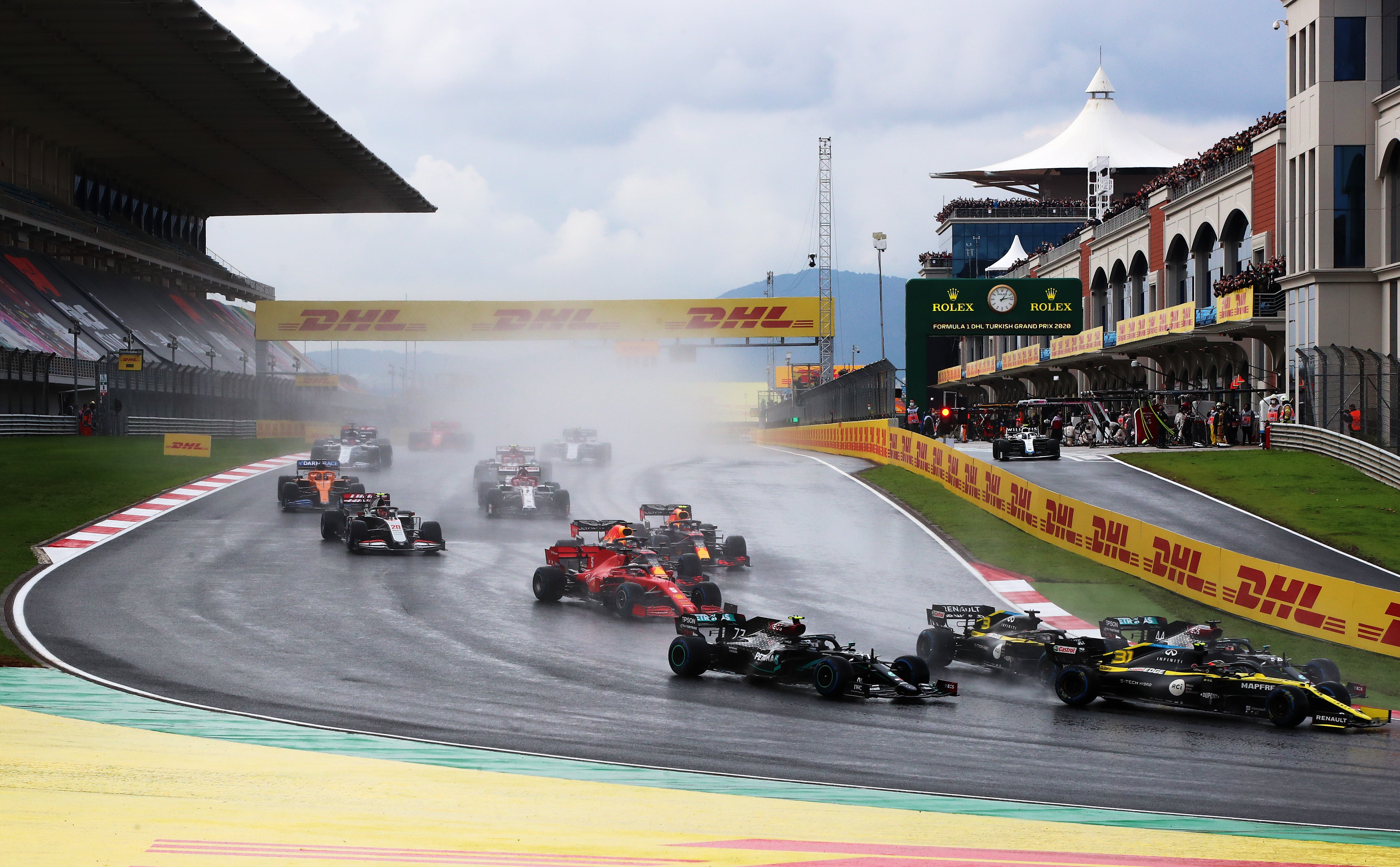
“We’re consulting with the promoters. It’s about where we want to go, and we will try to facilitate, but not without putting stress on our staff. That would be too much.”
Although seen as an unlikely option at this stage, everything will depend on how the situation evolves in the Middle East over the coming months.