


Former MI6 chief Sir Alex Younger, the widely respected former head of Britain’s Secret Intelligence Service, has died aged 62.
The news was confirmed by his family. Sir Alex died in Boston in the early hours of the morning on Tuesday after being diagnosed with prostate cancer last year.
He was the longest-serving MI6 chief in 50 years and served in the Balkans in the 1990s, was stationed in the Middle East and served as heads of MI6 station in Kabul, Afghanistan.
Sir Alex was a significant figure in secret intelligence throughout Britain’s “war on terror” and was appointed as head of counter-terrorism in 2009. Part of this role involved ensuring security for London’s Olympic Games in 2012.
He went on to become deputy director in the same year and was nominated as chief of MI6 in October 2014, a position known as “C”, after Sir John Sawers retired.
An expert on international security, cybersecurity and global conflicts, he publicly and repeatedly warned of threats from hostile states, passionately urging intelligence services to use evolving technology to their advantage.
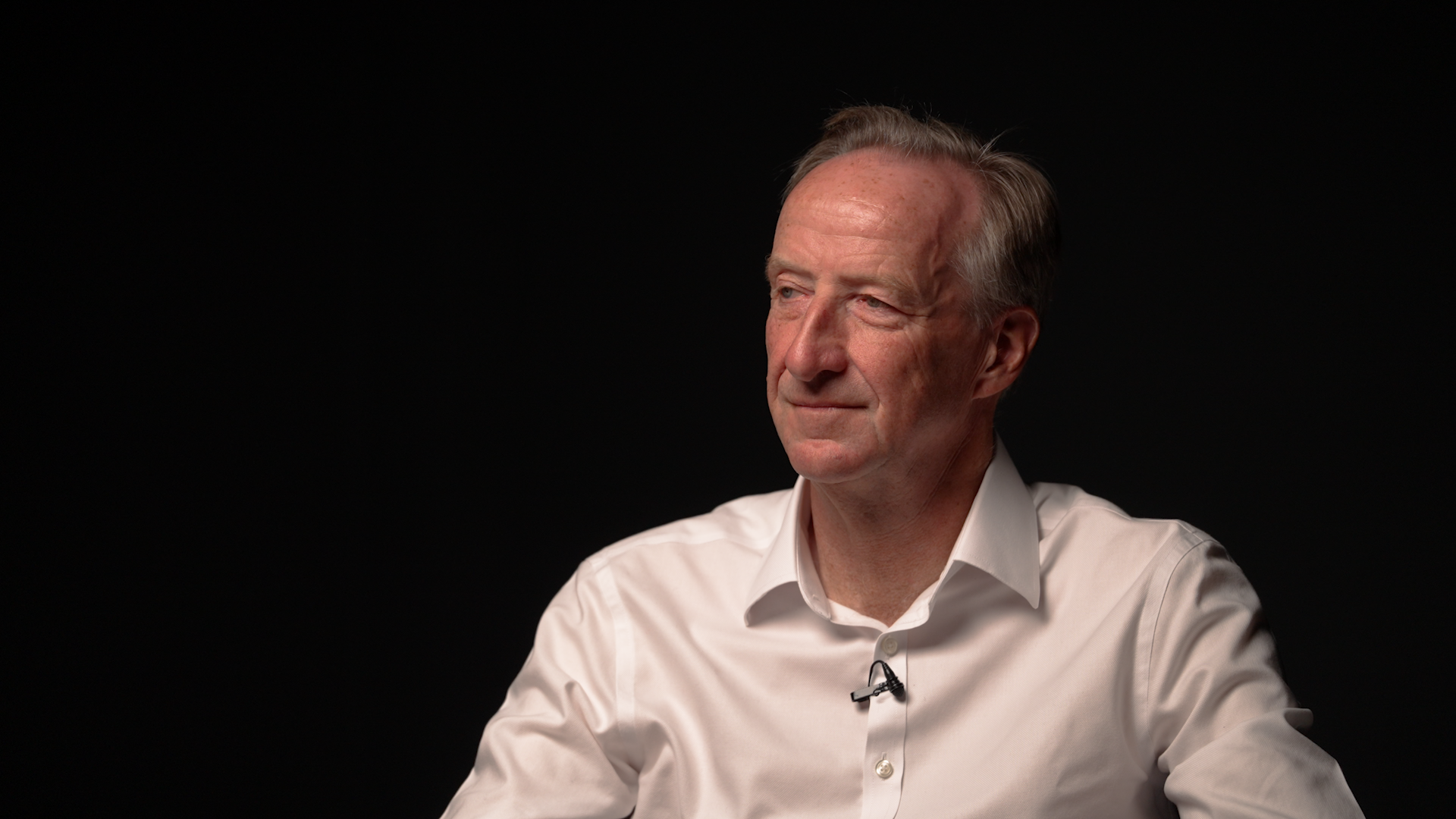
Sir Alex was educated at Marlborough College before studying economics and computer science at the University of St Andrews.
The computer science graduate began his career in MI6 in 1991 while working for the Halo Trust in Afghanistan as a Scots Guard officer, after being recruited via “a tap on the shoulder”, as he later described the approach. He nursed a lifelong ankle injury incurred during his role as an officer, becoming an admired operational spy.
A close friend told The Independent that he took the role incredibly seriously and would share no details of his ongoing operations.
After he had left the position he would recall personal anecdotes from his experience including the time that a false moustache fell off during a secret agent meeting which meant he was then forced to go to the toilet to glue it back on. But he almost passed out from the fumes while trying to fix it.
Sir Alex spent a considerable period of his final years warning against the threat of Russia and urged the United Kingdom to take the importance of military preparedness for a direct conflict seriously.
During an interview with The Independent’s The World of Trouble podcast he warned Britain must rearm and rebuild its reserves – potentially through national service – to face the growing threat from Russia and the destabilising influence of leaders like Putin and Trump.
He said in April 2025: “We have, for many years, been completely free of any form of existential threat. We’ve unforgivably… launched a set of wars of choice, which have imposed sacrifice needlessly on young people and there’s great cynicism about this idea of collective effort to defend your country.
“I think we’re more comfortable thinking about the army as like the England football team; they go and do their thing over there and we watch it on telly – and that can’t happen anymore.”
One of the darkest and most significant periods of his life included the death of his son Sam Younger in March 2019. Sam died in a car accident while on a private estate in Scotland.
The 22-year-old was a student at the University of Edinburgh at the time.
Sir Alex continued his work and extended his role with the intelligence agency following the UK’s decision to leave the European Union as it was determined that it would help maintain the country’s stability.

“He was very modest and took his job to protect the nation very seriously,” the close friend told The Independent. “During the War on Terror, he took the moral challenges and dangers of his role very seriously where the risk of becoming detached from ethics was high. He was very careful to ensure that didn’t happen and to keep all of his decisions and operations within strict moral bounds in an age when the gloves were off.”
They added: “He was part of a very close family and extended family and friends. He was loved by many.”
In addition to this professional achievements, Sir Alex was an enthusiastic and talented sailor.
In the shadowy world of MI6 where secrets can lead to distrust and paranoia his colleagues in the spy agency were openly admiring of a straightforward leadership style that reassured an agency shifting from coping with Islamic terror to the traditional threats from Moscow, the fall out from Brexit (which he considered an act of strategic idiocy), and a world of hybrid warfare.
During his retirement he entered the public arena debating matters of foreign policy and international affairs and was outspoken on. He had reportedly been frustrated by the extent to which the War on Terror had drawn resources away from Britain’s old rival, Russia.
He warned about President Donald Trump’s seemingly close ties to Russia, and when asked if he thought the US leader was a Russian agent said: “I mean, who knows? I personally don’t think he’s a Russian agent. I went out of my way not to find out because why would you want to know? So I don’t know.
“In a sense, that’s not the point. The point is he agrees with Vladimir Putin. He agrees that big countries get additional rights over small countries, particularly in their own backyard.”
Sam Kiley, world affairs editor at The Independent, said: “Alex was discreet and guarded. He tried to obfuscate his brilliance as one might expect of any British spy chief. But he was open and generous with his love for his family and friends.”