


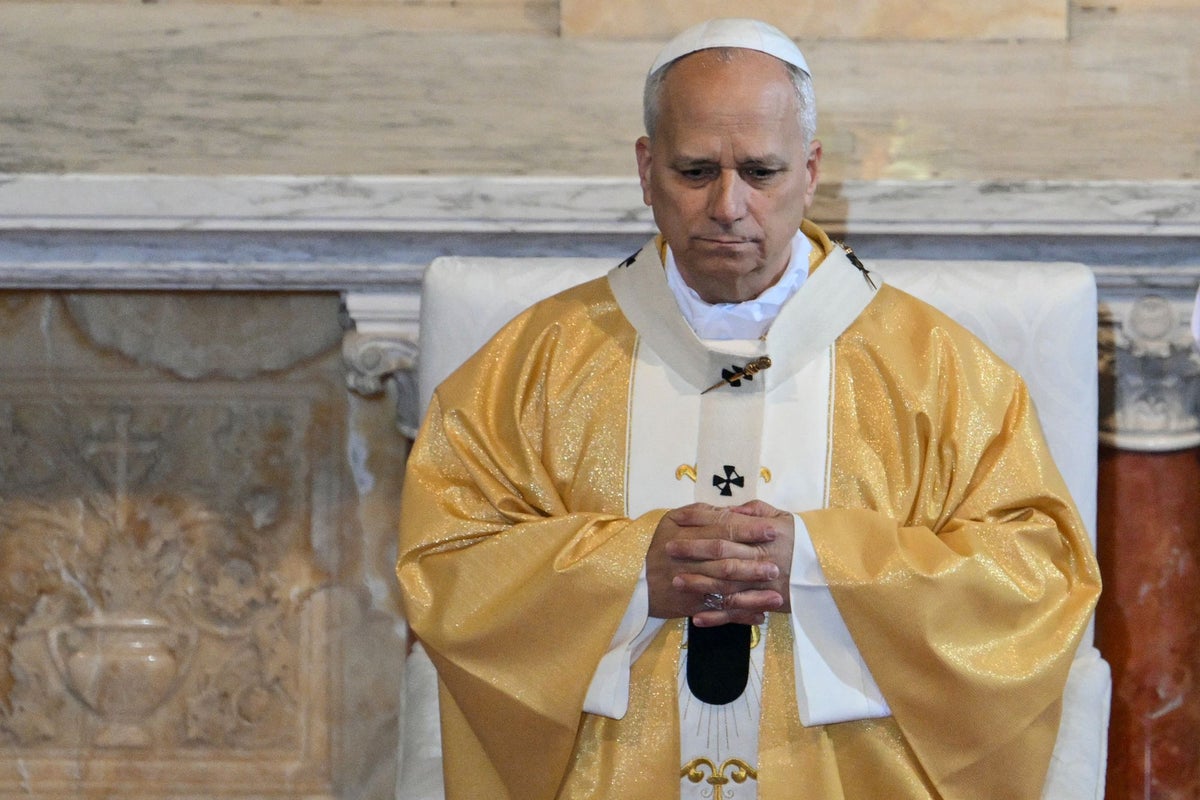
Pope Leo XIV is heading to Cameroon, embarking on a visit aimed at delivering a message of peace to the nation’s separatist region and engaging in talks with President Paul Biya.
The 93-year-old leader, the world’s oldest, secured an eighth term in a widely disputed election last year, extending his grip on power since 1982.
The Vatican has indicated that the Pope’s agenda will focus on combating corruption within the mineral-rich country and advocating for the proper exercise of political authority.
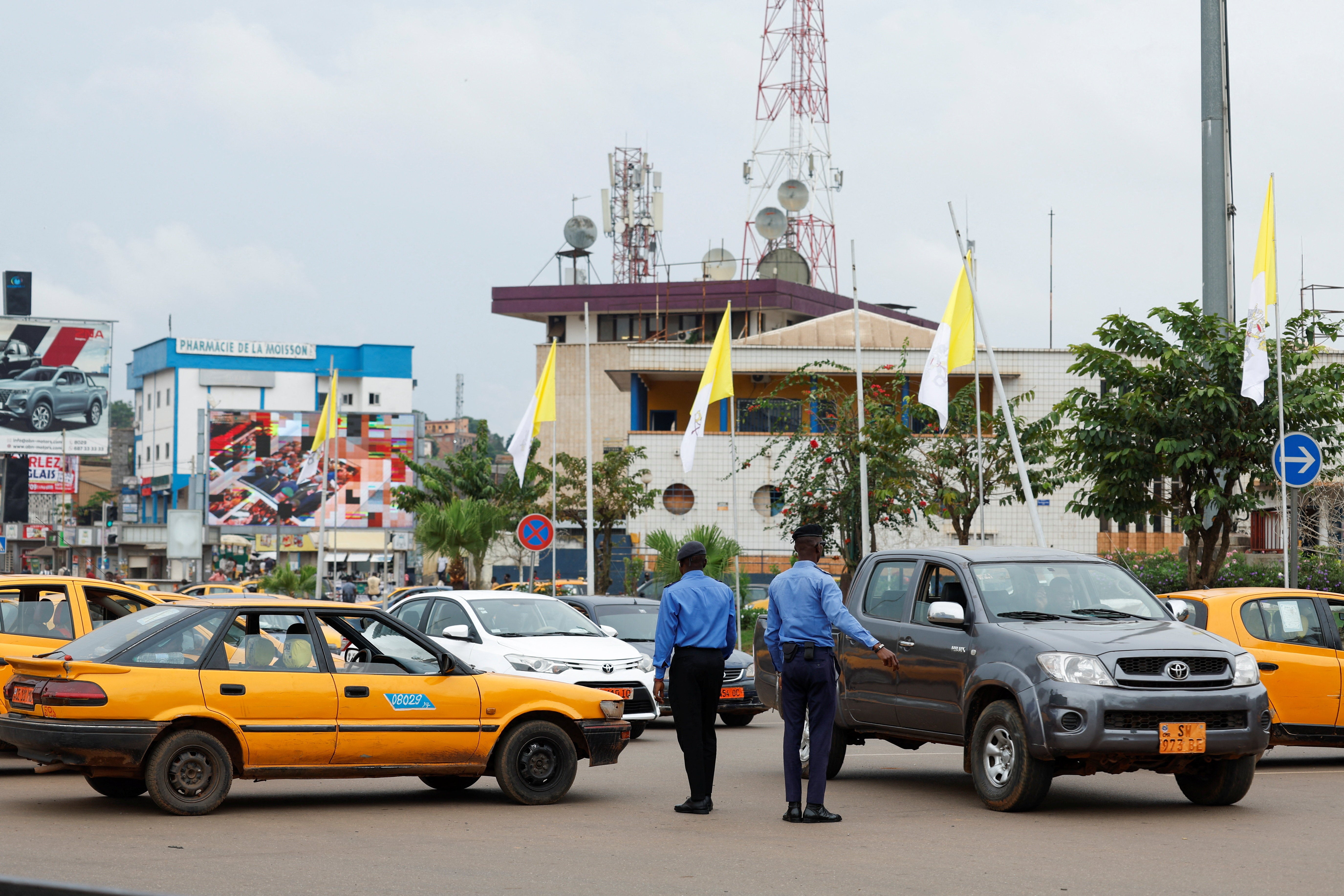
This visit, which began in Yaounde after the pontiff travelled from Algeria as part of a four-nation African tour, marks the first time history’s first American Pope has visited the continent.
The Holy See has previously expressed its disapproval of the authoritarian leadership styles that Pope Leo is encountering during his engagements.
Upon his arrival, Pope Leo is scheduled to meet President Biya at the presidential palace. He will then address Cameroonian government authorities, civil service representatives, and diplomats, before visiting an orphanage run by a Catholic religious order.
Meanwhile, Cameroon’s opposition continues to contest the results of the 12 October election, with rival Issa Tchiroma Bakary claiming victory and urging citizens to reject the official outcome.

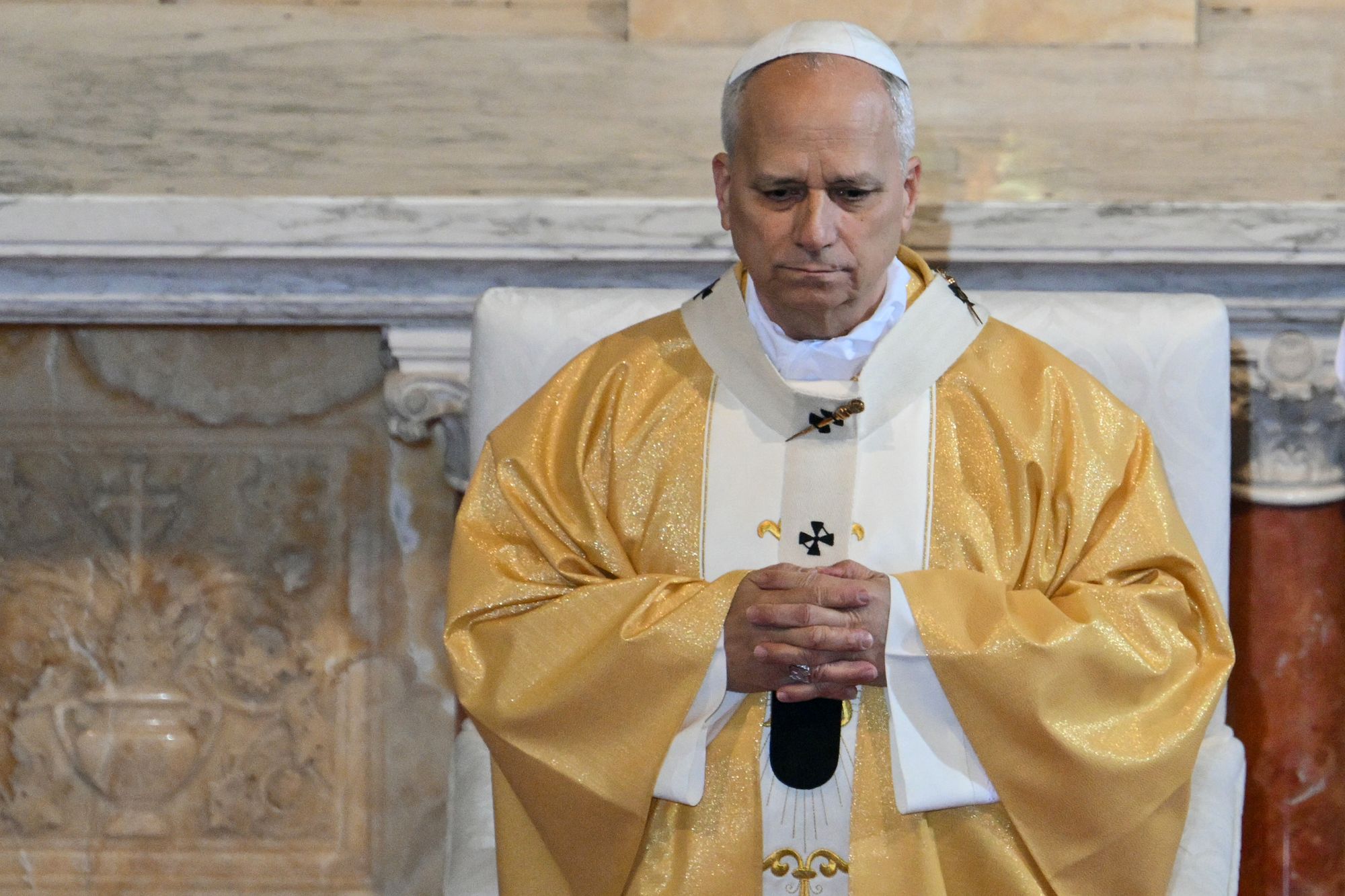
Just this week, Leo issued an unrelated message on the correct role of political leaders and the need for “authentic democracy” to legitimise their authority and act as a “guardrail against the abuse of power.”
In a message to a Vatican academy for social science, Leo wrote that democracy remains healthy only when it is driven by morality and a vision of humanity that respects the dignity of everyone.
“Lacking this foundation, it risks becoming either a majoritarian tyranny or a mask for the dominance of economic and technological elites,” he warned in a message that wasn’t directed at any particular nation or leader and was dated April 1.
A peace meeting and a pause in fighting
Leo has two major events in Cameroon, with the highlight a “peace meeting” on Thursday in Cameroon’s north-west city of Bamenda, which has been plagued by separatist violence.
English-speaking separatists launched a rebellion in 2017 with the stated goal of breaking away from the French-speaking majority of Cameroon and establishing an independent English-speaking state.

The conflict has killed more than 6,000 people and displaced over 600,000 others, according to the International Crisis Group, a think tank.
On the eve of Leo’s arrival, the English-speaking separatists announced a three-day pause in fighting to allow “safe travel” for Leo’s visit.
The Unity Alliance, which includes several separatist groups, said in a statement late Monday the pause reflects the “profound spiritual importance” of the visit and is intended to allow civilians, pilgrims and dignitaries to travel safely.
Leo’s other big event in Cameroon, where about 29 per cent of the population is Catholic, is a Mass on Friday in the city of Douala, where some 600,000 people are expected to turn out.
On Saturday, Leo heads to Angola for the third leg of his trip, which ends next week in Equatorial Guinea.