


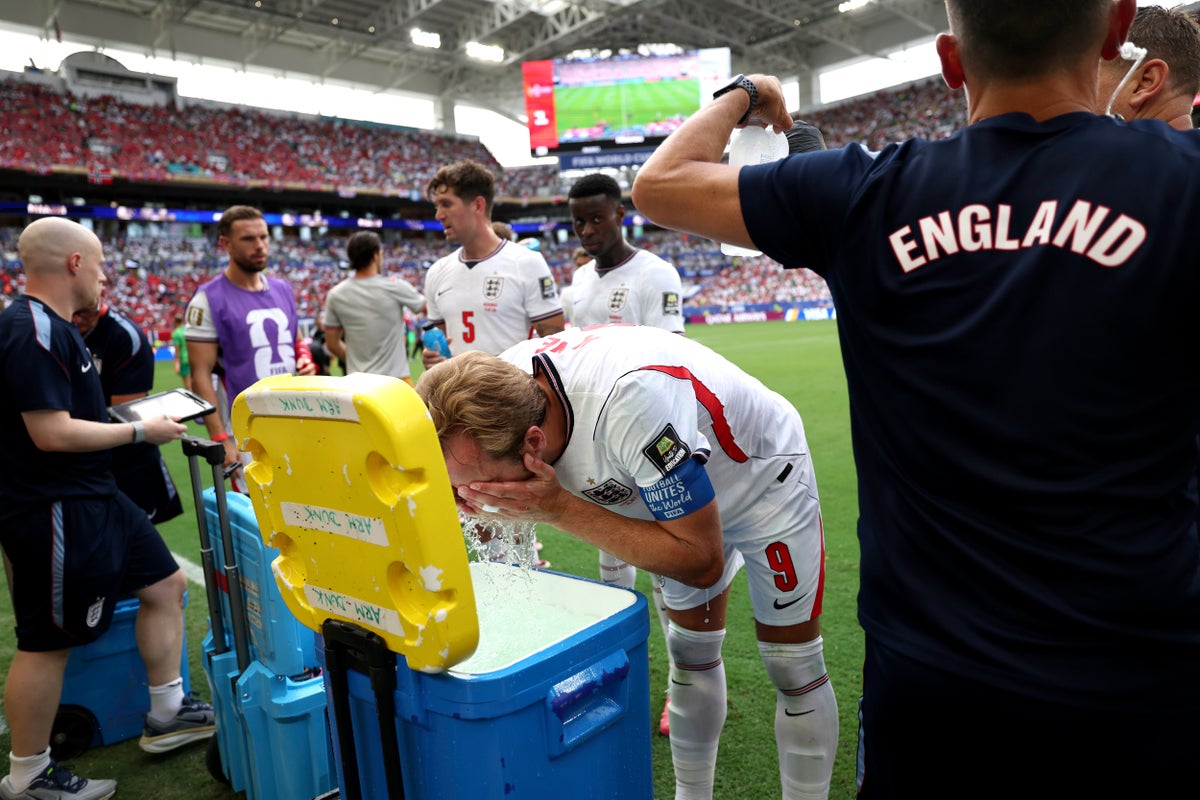
Hydration breaks introduced at the World Cup did not impact the flow of play or match results, according to Arsene Wenger, FIFA’s Chief of Global Football Development.
But their future remains undecided, with a post-tournament review planned.
Speaking ahead of Sunday’s final between Spain and Argentina, the former Arsenal manager stated FIFA would assess the breaks before deciding on their use in future competitions.
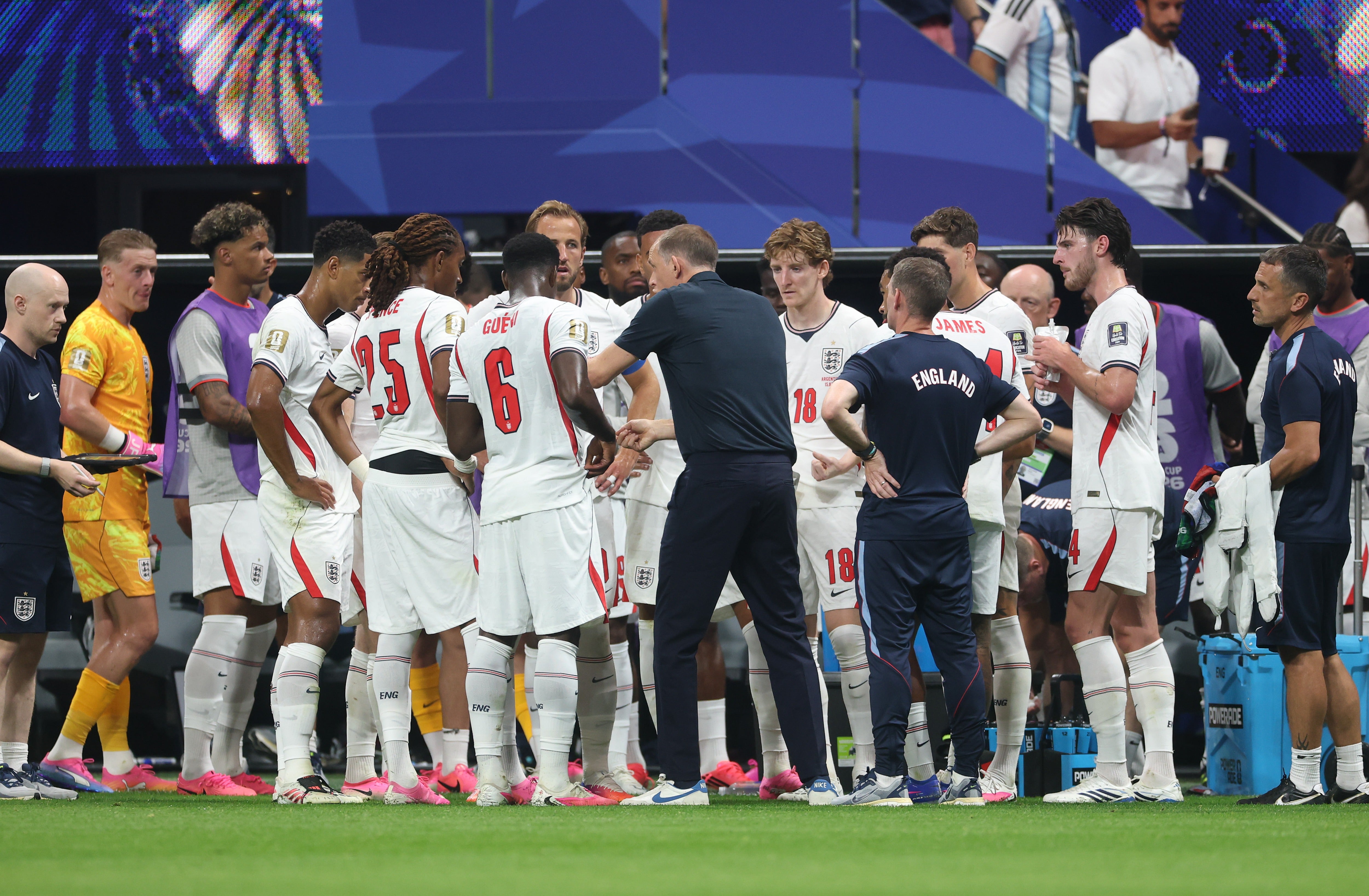
The mandatory three-minute stoppages, midway through each half, were not universally embraced.
Critics argued they disrupted momentum, effectively creating four quarters, and benefited broadcasters with commercial breaks. Fans booed during these intervals early in the tournament.
Wenger dismissed their impact on games. “No,” he told a press conference. “Sometimes they did not like them and we have to analyse after the World Cup what is the impact.”
He added: “It did not look to me that it (hydration break) changed the results of the competition. But we are here to serve people who watch football.”
Coaches complain about hydration breaks
During the tournament, Spain coach Luis de la Fuente and Netherlands captain Virgil van Dijk supported the intent behind the rule in extreme heat, but questioned the need for it in cooler conditions and at covered venues. England coach Thomas Tuchel said they had a bigger impact than initially anticipated and broke the moment of matches.
Uruguay coach Marcelo Bielsa was even more critical, saying the breaks had added nothing to football while destroying the sport’s cultural essence.
There were considerable differences in playing conditions during the World Cup, held across Mexico, Canada and the United States, with some matches played in extreme heat and others in much cooler conditions, especially in Canada and Boston.
“In some games it was really needed and because we did not want to make any difference between games we decided to do it (for every match),” Wenger said. “We will have a deep analysis after the competition.”
“In some games where stadiums were covered, people were not happy with it. Medically it was needed in many games. We have not come to a conclusion yet.”