


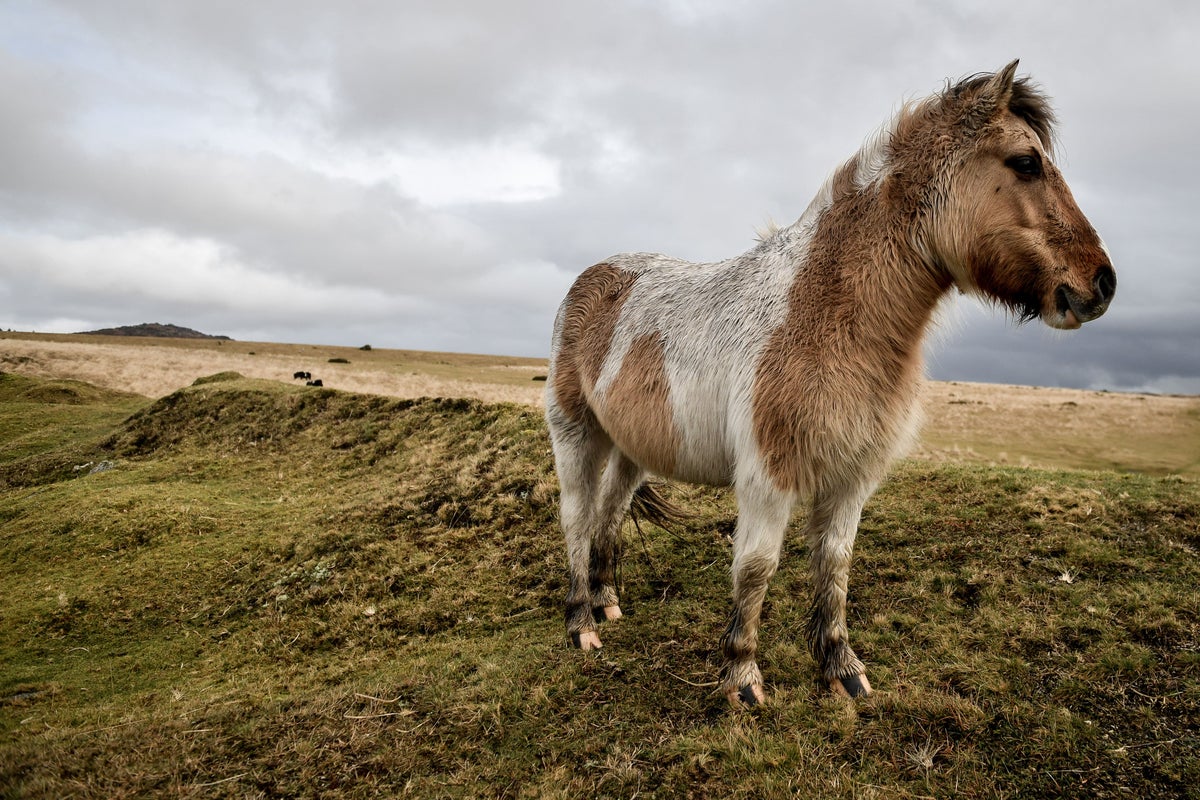
A dispute is brewing over the future of Dartmoor’s iconic hill ponies, with local campaigners warning that new conservation measures could lead to the “devastation” of the endangered breed.
The controversy centres on requirements from Natural England, the government’s conservation agency, to reduce livestock grazing on the moor’s commons.
Campaigners fear that these new contracts, designed to benefit nature, could result in the removal of up to 90 per cent of the semi-wild ponies and would likely necessitate a cull.
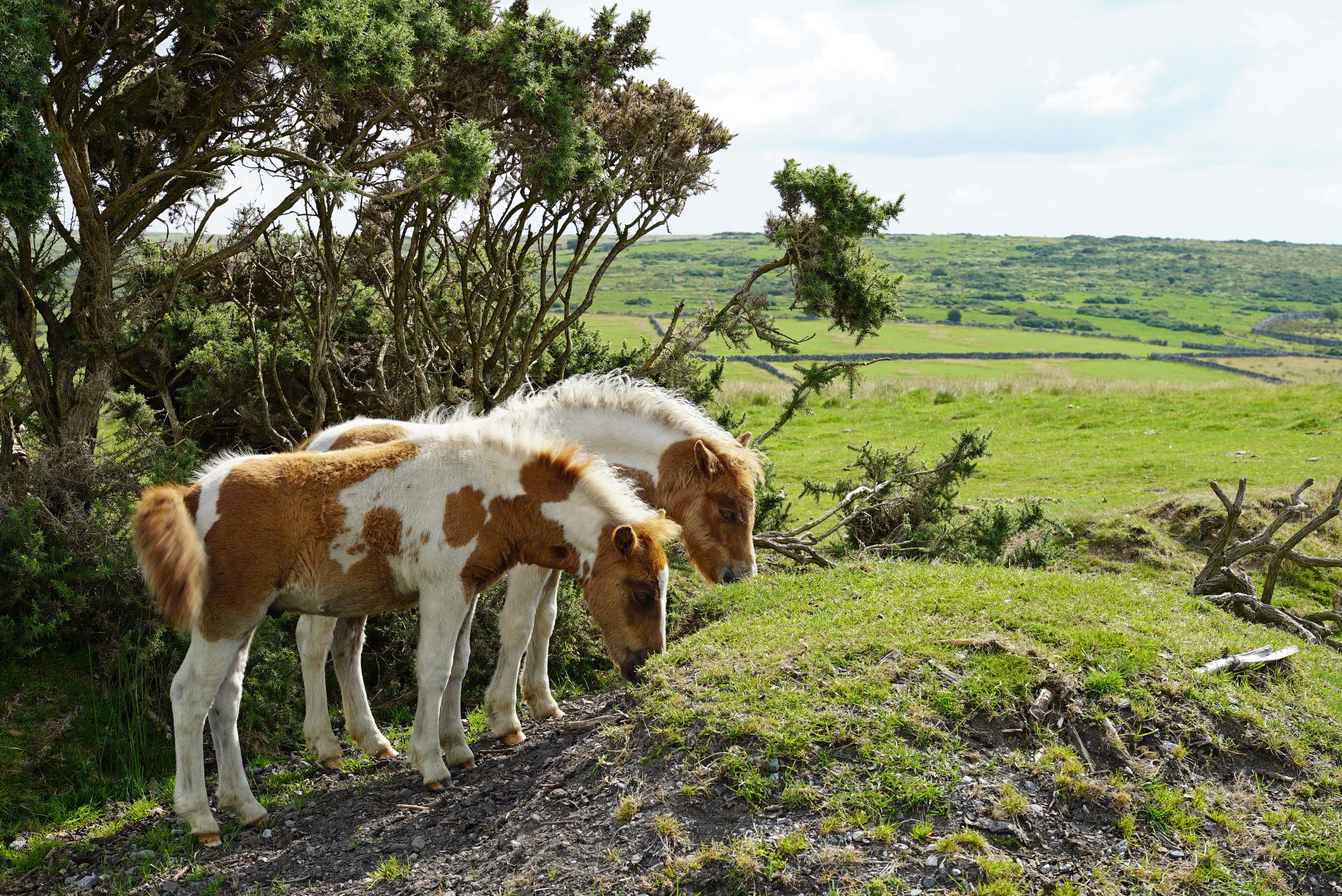
They highlight the ponies’ deep historical roots on Dartmoor, having been present for 4,500 years, and their current endangered status, with numbers plummeting from 6,000 a quarter-century ago to fewer than a thousand today.
However, Natural England insists it aims to maintain the pony population “for generations to come”.
A Downing Street spokesperson said that a cull of Dartmoor hill ponies would not be permitted and the animals are safe under the current Labour government.
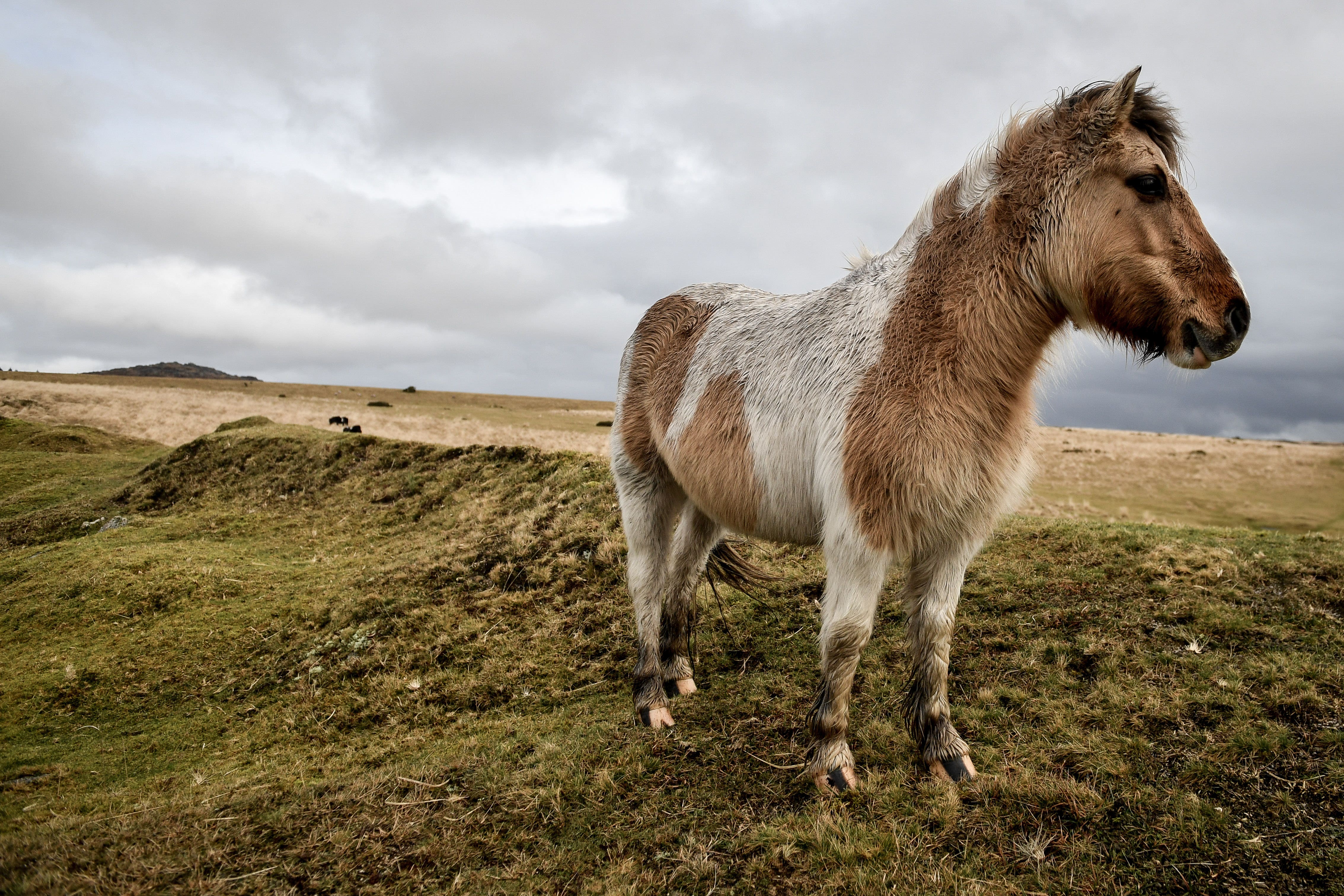
The core of the issue lies in Natural England’s decision to include Dartmoor hill ponies within livestock counts under its new moorland agri-environmental schemes, which offer payments to farmers for grazing practices that support nature.
Campaigners warn that the new schemes will cut livestock, including ponies, by 56 per cent to 89 per cent, even though they say previous cuts to stocking densities – which the ponies were previously protected from – have not boosted biodiversity on Dartmoor.
The Dartmoor Hill Pony Association says the move will force commoners, who have rights to put livestock on the commons of the moor, to choose between commercial sheep and cattle and the ponies for which they have traditionally been guardians.
The loss of ponies would be damaging for the biodiversity of the landscape, as they are the best grazer of the “monoculture” Molinia grass that has come to dominate the moor, Joss Hibbs, secretary of the DHPA which represents commoners who keep the ponies, said.
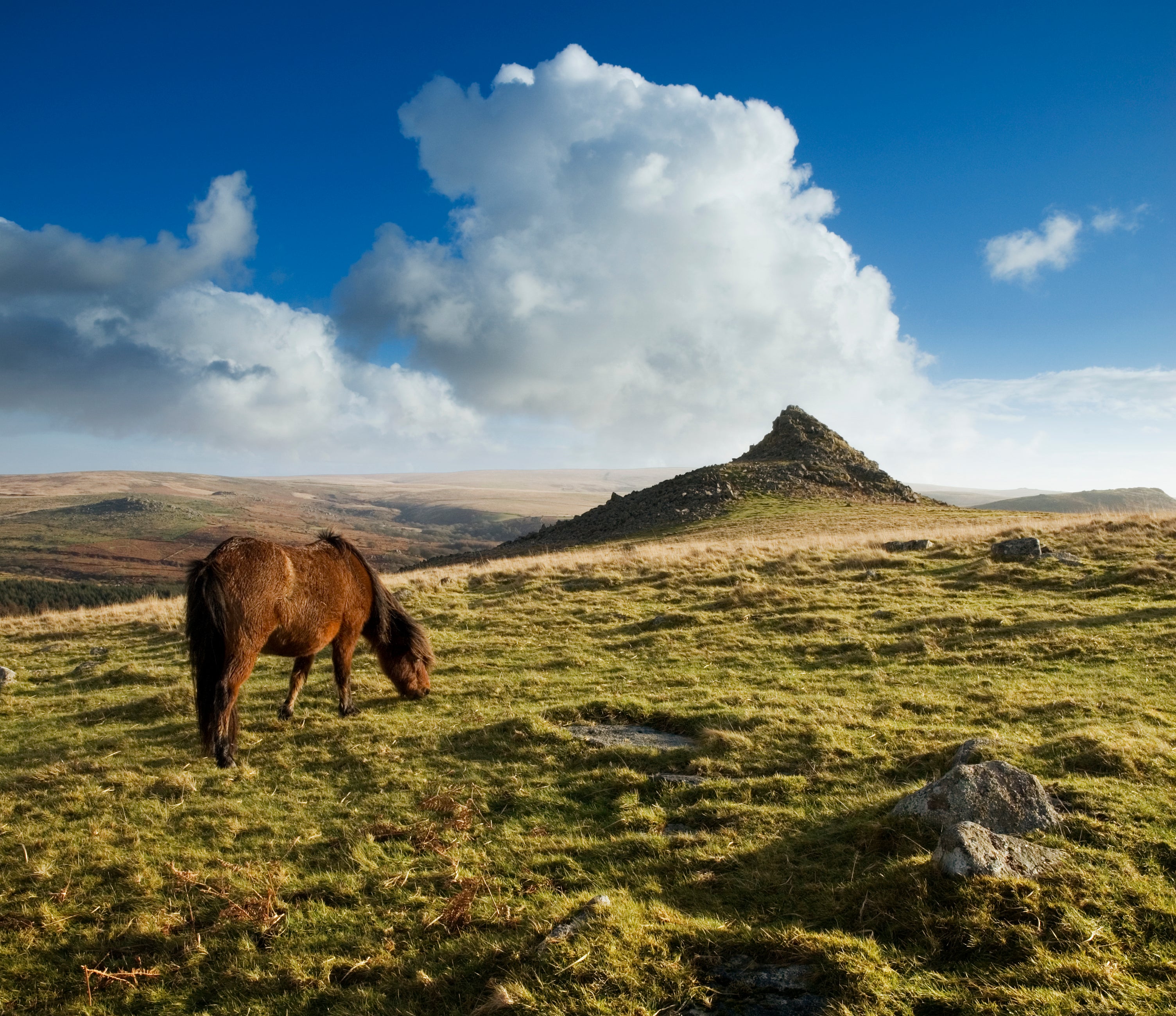
Ms Hibbs said: “We are in a situation if Natural England pushes their approach through of this number cut and bringing the ponies in, the impact on the ponies will be greater than it is on livestock because they will lose that competition.
“We know, therefore, Natural England’s approach will devastate the Dartmoor hill pony population, it will make farms financially unviable and it’s extremely doubtful there will be any environmental benefit.”
She warned that if commoners chose commercial livestock to earn a living, the ponies would be lost – and if they chose the ponies they would become unviable and the farms would go, which would in turn lead to the loss of the ponies which are safeguarded by the farmers.
Campaigners said the contracts could come into force as early as the end of this year, meaning the majority of ponies rounded up in annual “drifts” in October would not be returned to the moor – with the most likely outcome being a cull.
The Devon-based Friends of the Dartmoor Hill Pony charity is calling for long-term, legal protection of the remaining hill pony herds in recognition of their rare status, and a separate agreed moor-wide herd size, as was in place with previous contracts.
Campaigners also said Natural England should wait for the outcomes of the Land Use Management Group set up to implement the recommendations of a government-commissioned review in 2023, which is drawing up a land use plan for Dartmoor by 2027.
Amid a growing row over the situation, Conservative leader Kemi Badenoch labelled the situation as “total madness” and demanded the government overrule Natural England and make it stop immediately.
“Keir Starmer is on his way to making his last acts in office the shameful underfunding of our military and the mass slaughter of Dartmoor ponies,” she said.
A Downing Street spokesperson said: “So, let me be very clear on this: this government will not allow a cull of Dartmoor ponies and we don’t manage feral pony populations by culling in this country.
“Natural England has not recommended a cull of Dartmoor ponies and it does not have the power to order a cull and has not advised one.
“And, more broadly, Dartmoor ponies are part of the cultural landscape of Dartmoor and play a vital role in the health of its moorland habitats.”
An Environment Department (Defra) spokesperson said: “In line with the Independent Review of Protected Site Management on Dartmoor, we are working with partners, including the Dartmoor Hill Pony Association, to help ensure that we maintain numbers of semi-wild ponies on the moor for generations to come.”
.jpg?trim=0,0,0,0&width=1200&height=800&crop=1200:800 "Luigi Mangione due to appear in court again after secret hearing in CEO murder case – UK Times")