



Formula One has cancelled grand prix events in Bahrain and Saudi Arabia next month amid heightened tension in the Middle East region.
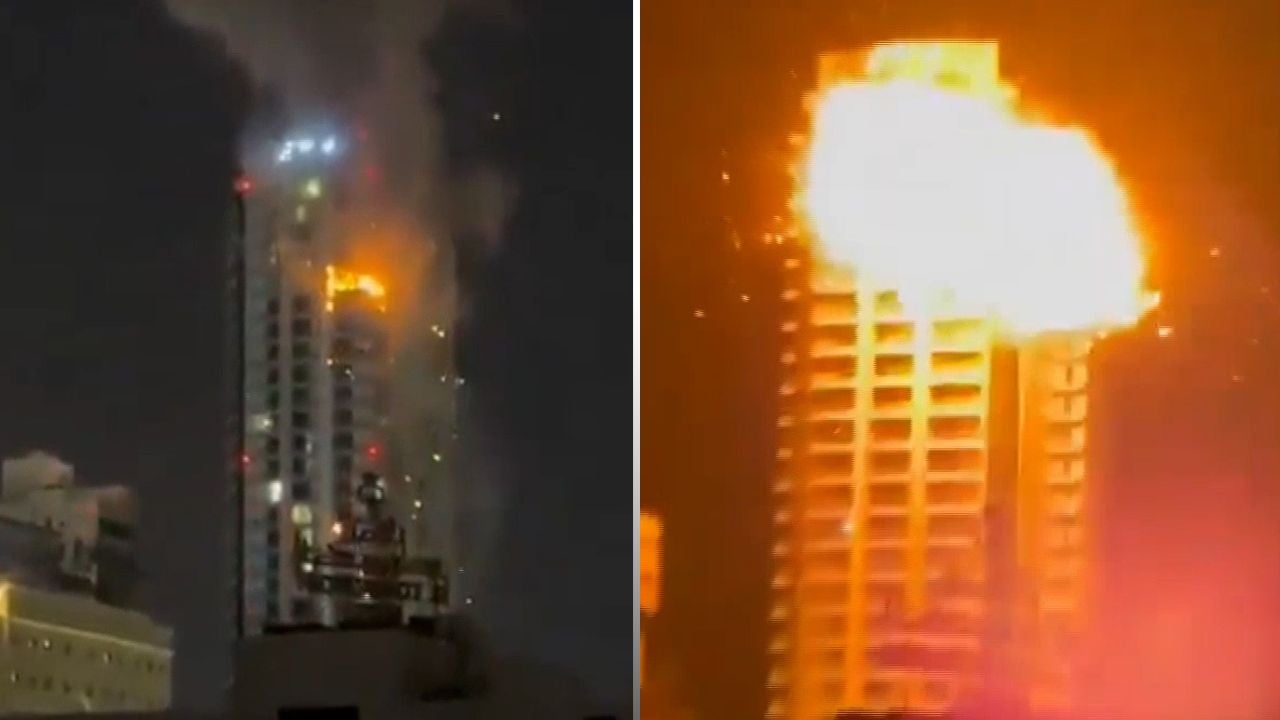
Bahrain’s capital, Manama, has been attacked by Iranian missiles, while locations in Saudi Arabia have also been targeted. Just on Monday, according to the state-owned Bahrain News Agency, 32 people were injured near Manama after an Iranian drone attack.
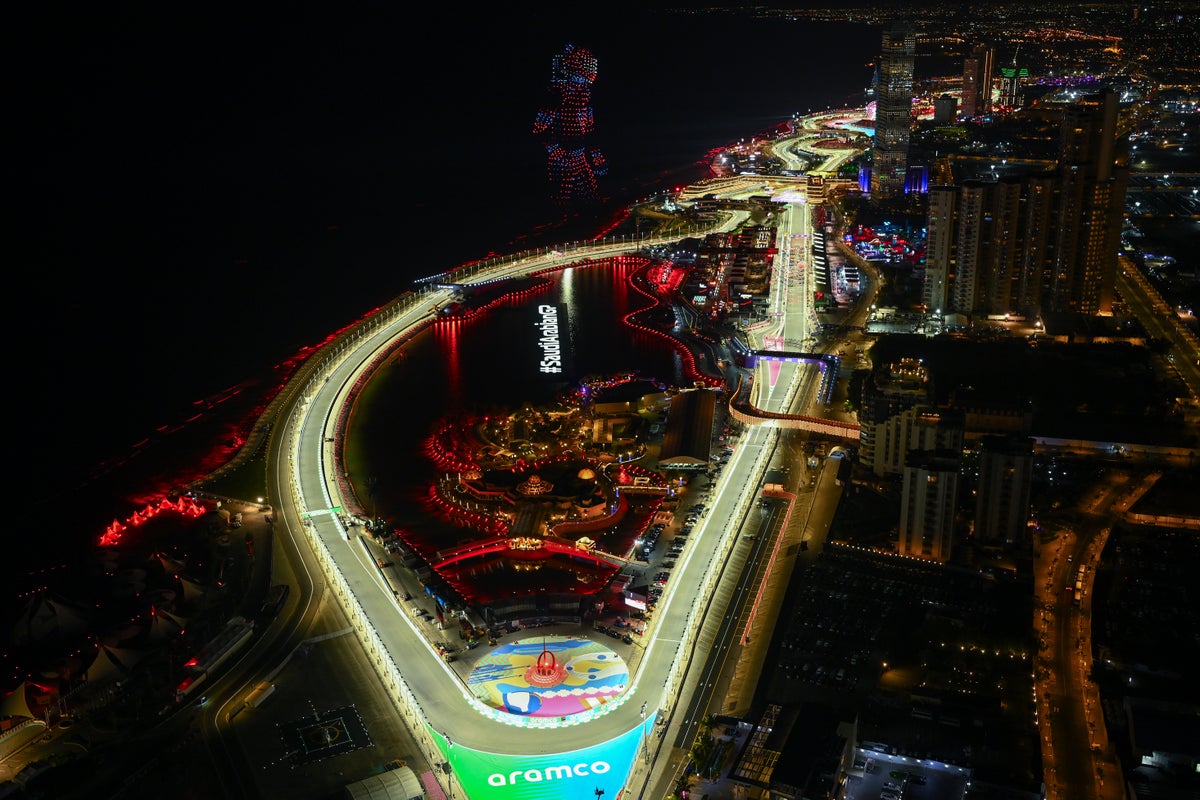
With less than a month until F1 was set to return to the Sakhir circuit, 30km south of Manama, on 12 April and with the Saudi race in Jeddah a week later on 19 April, the sport has confirmed both races are off hours before the Chinese Grand Prix.
There had been speculation as to whether F1 could replace the races, with tracks in Italy, Turkey and Portugal suggested for a mid-April date. Yet, inevitably, but the last-minute nature made the logistics too difficult and the sport will now have a five-week gap between the Japanese Grand Prix (29 March) and the Miami Grand Prix (3 May).
After rounds four and five of the 2026 season were cancelled, here is everything you need to know about the huge move by F1 to alter the calendar:
Why has F1 said after cancelling the Bahrain and Saudi races?
Formula 1 President and CEO Stefano Domenicali said: “While this was a difficult decision to take, it is unfortunately the right one at this stage considering the current situation in the Middle East. I want to take this opportunity to thank the FIA as well as our incredible promoters for their support and total understanding as they were looking forward to hosting us with their usual energy and passion. We cannot wait to be back with them as soon as the circumstances allow us to do so.”
While Mohammed Ben Sulayem, FIA President, added: “The FIA will always place the safety and well-being of our community and colleagues first. After careful consideration, we have taken this decision with that responsibility firmly in mind. We continue to hope for calm, safety and a swift return to stability in the region, and my thoughts remain with all those affected by these recent events.”

Could the races be rescheduled or replaced?
The races have not been replaced, for April at least, anyway, with F1 emphasising in its statement that “no substitutions will be made in April.” That does leave the door open to a potential new set of dates for the races later in the year, though the Independent understands any kind of rescheduling for later in the 2026 calendar is unlikely.
Rescheduling the Formula One races at their original venues later in the year presents considerable challenges. Temperatures in the Middle East region soar during the European summer and autumn, making racing impractical.
Furthermore, the existing F1 calendar offers no obvious alternative slots, as the sport is keen to preserve its August break and alleviate the demanding schedule for teams.
While alternative circuits such as Italy’s Imola, France’s Le Castellet, Portugal’s Portimao, and Turkey’s Istanbul Park have been suggested, the logistical complexities of relocating the entire F1 operation are immense, even with a great build-up.
Promoters would also have little incentive, facing a limited window to sell tickets to cover hosting fees, alongside the time-consuming organisation of marshals, security, and transport.

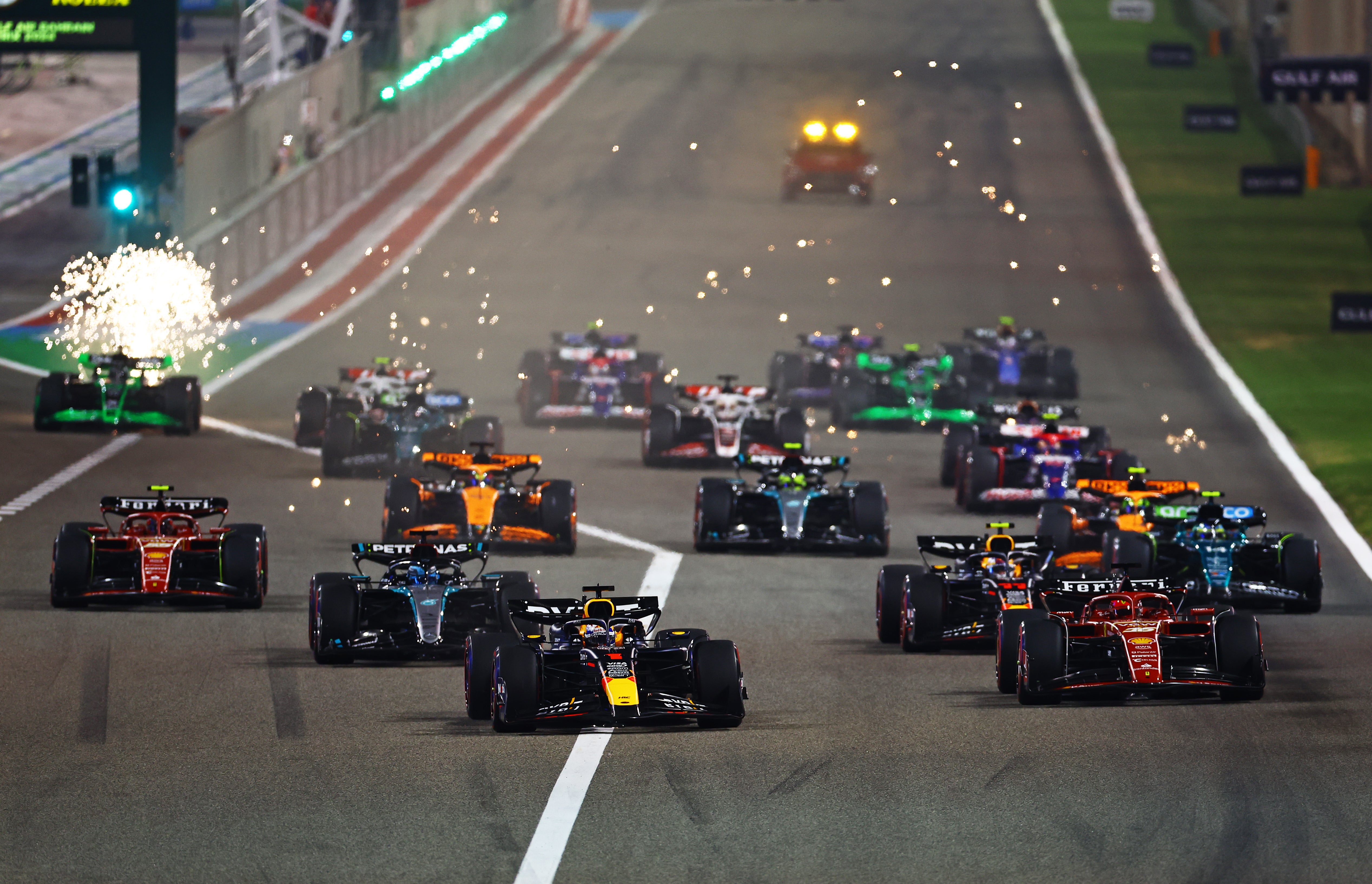
An option to host a second race at Japan’s Suzuka after round three has also been mooted, but this would introduce its own set of problems, not least for track owners Honda, who would likely be reluctant to draw further attention to their engine partnership issues with Aston Martin.
Although races were held behind closed doors at stand-in venues during the Covid-19 pandemic, sometimes with two events in succession, there was a pressing need then to complete a season.
A reduced 22-race calendar, while still extensive by historical standards, would nonetheless fulfil commercial obligations, albeit with a likely reduction in Formula One’s overall revenues.
How much money would it cost F1 to cancel?
Though not confirmed, Formula 1 stands to lose an estimated £100m after both races were cancelled.
F1 could miss out on some of its most astronomical hosting fees. It is understood Saudi pays the joint-most of any race, alongside Qatar, at approximately £55m ($72m). Bahrain, which hosted the first-ever race in the Middle East in 2004, pays F1 an estimated £45m ($60m) for the right to host a grand prix.
Not only are the Middle Eastern races significant financial contributors to F1, but both Bahrain and Saudi Arabia have deep ties to the sport; Bahrain owns McLaren, while Saudi Arabia is a prominent sponsor and investor via state-owned oil company Aramco.

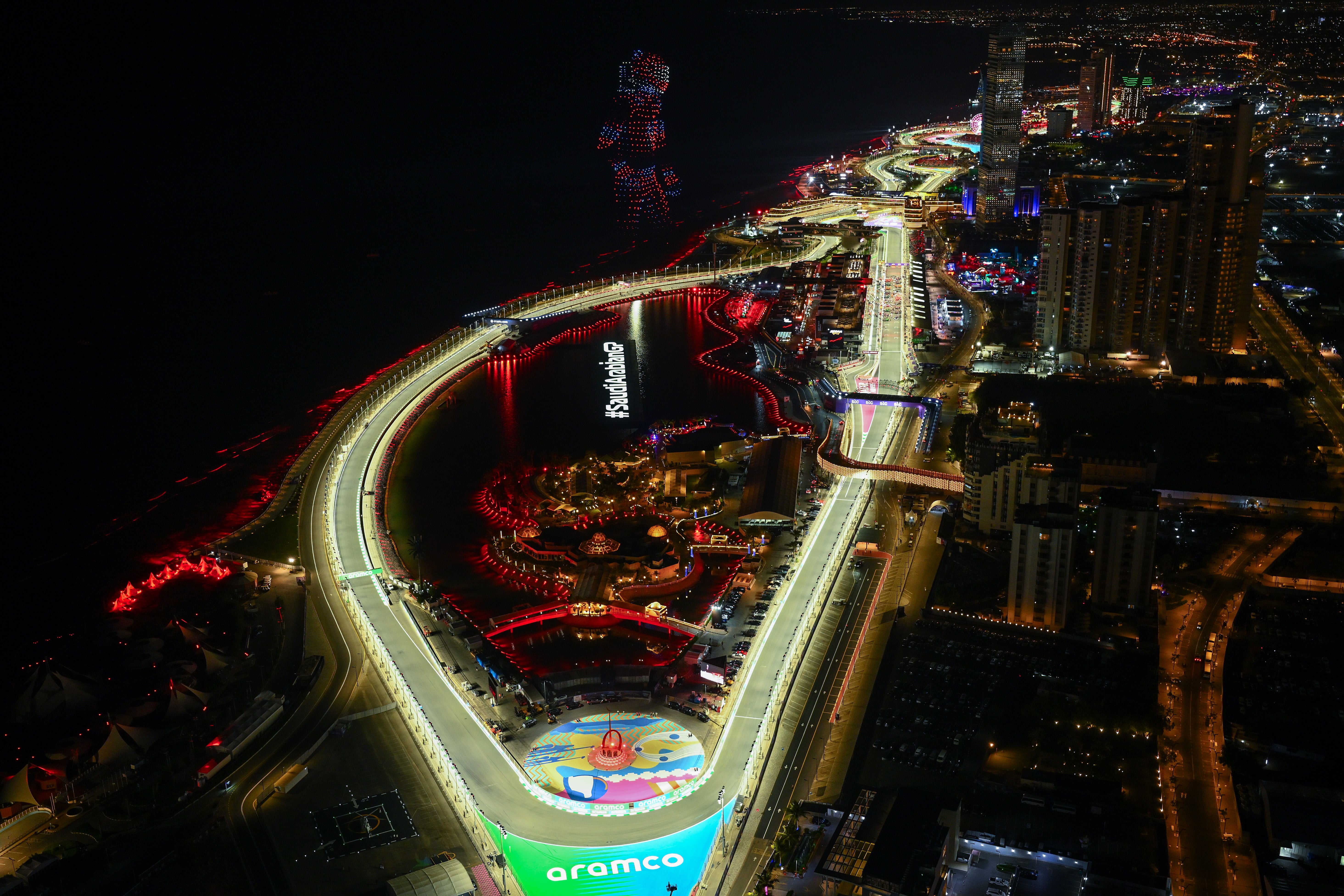
A precedent for cancellation without replacement exists: the 2011 Bahrain Grand Prix was called off due to unrest in the kingdom and was not rescheduled after teams objected to a late October date.
Formula One’s then-commercial supremo Bernie Ecclestone later confirmed that Bahrain had paid its hosting fee regardless. Whether the Bahrain (Sakhir) and Saudi (Jeddah) races would do the same remains to be seen.


