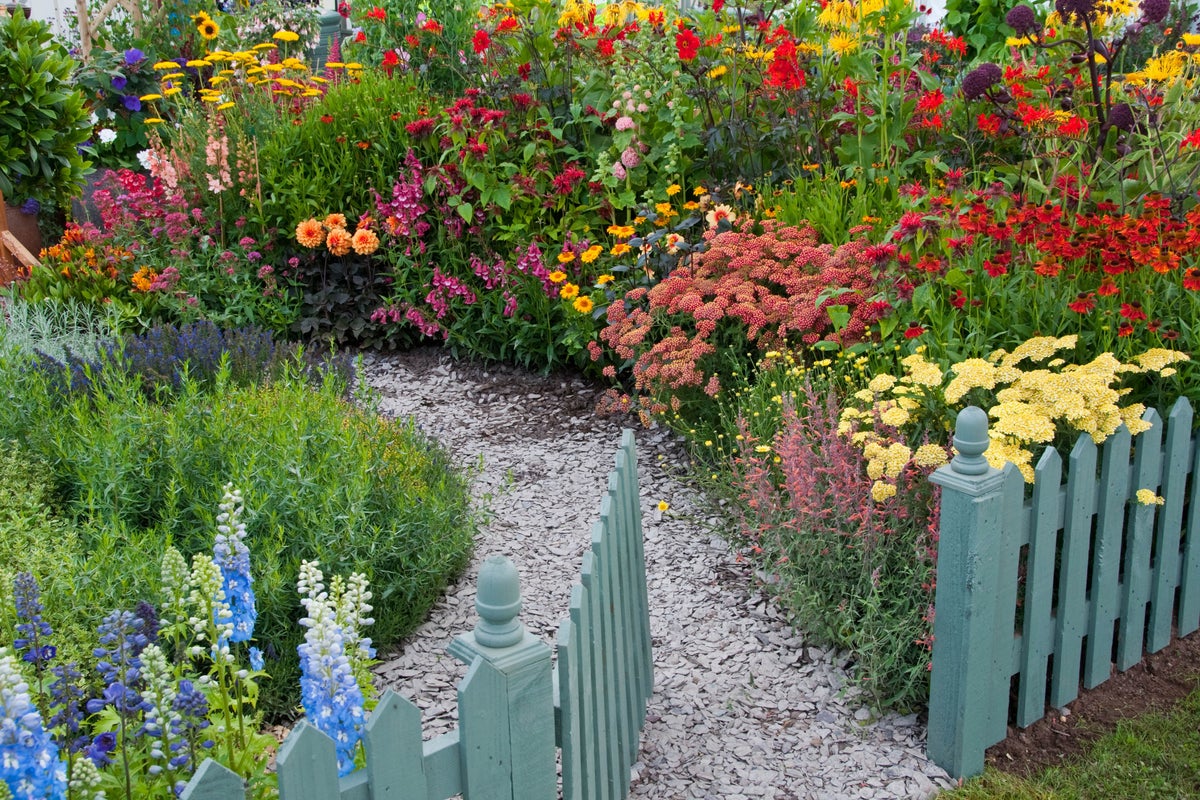
The vibrant array of plants at your local garden centre might be a fleeting sight, as new research reveals a stark decline in cultivated species across the UK and Ireland.
More than half of the plants historically grown in these regions are no longer commercially available, according to conservation charity Plant Heritage.
Their Threatened Plants Programme further highlights the precarious state of biodiversity, finding that one in six species exists in only one or two known locations, or has vanished entirely.
Plant Heritage, fresh from showcasing its inaugural RHS Chelsea Flower Show garden, The Missing Collector Garden, stresses that even small efforts from home gardeners can significantly aid conservation.
“The key is to understand that cultivars of plants (plants that have been bred for their characteristics) aren’t just for the moment, they’re for perpetuity,” says Saul Walker, the charity’s partnerships and events manager.

“So if anyone goes and buys plants now that are fashionable – because that’s generally what happens when you go to the garden centre – you need to love them beyond that time and see them as an investment for the future, for your garden, rather than just a one-off hit.”
“Trends are important, because breeders obviously produce plants of the moment, whether it’s for colour or a certain group that’s become interesting,” he continues.
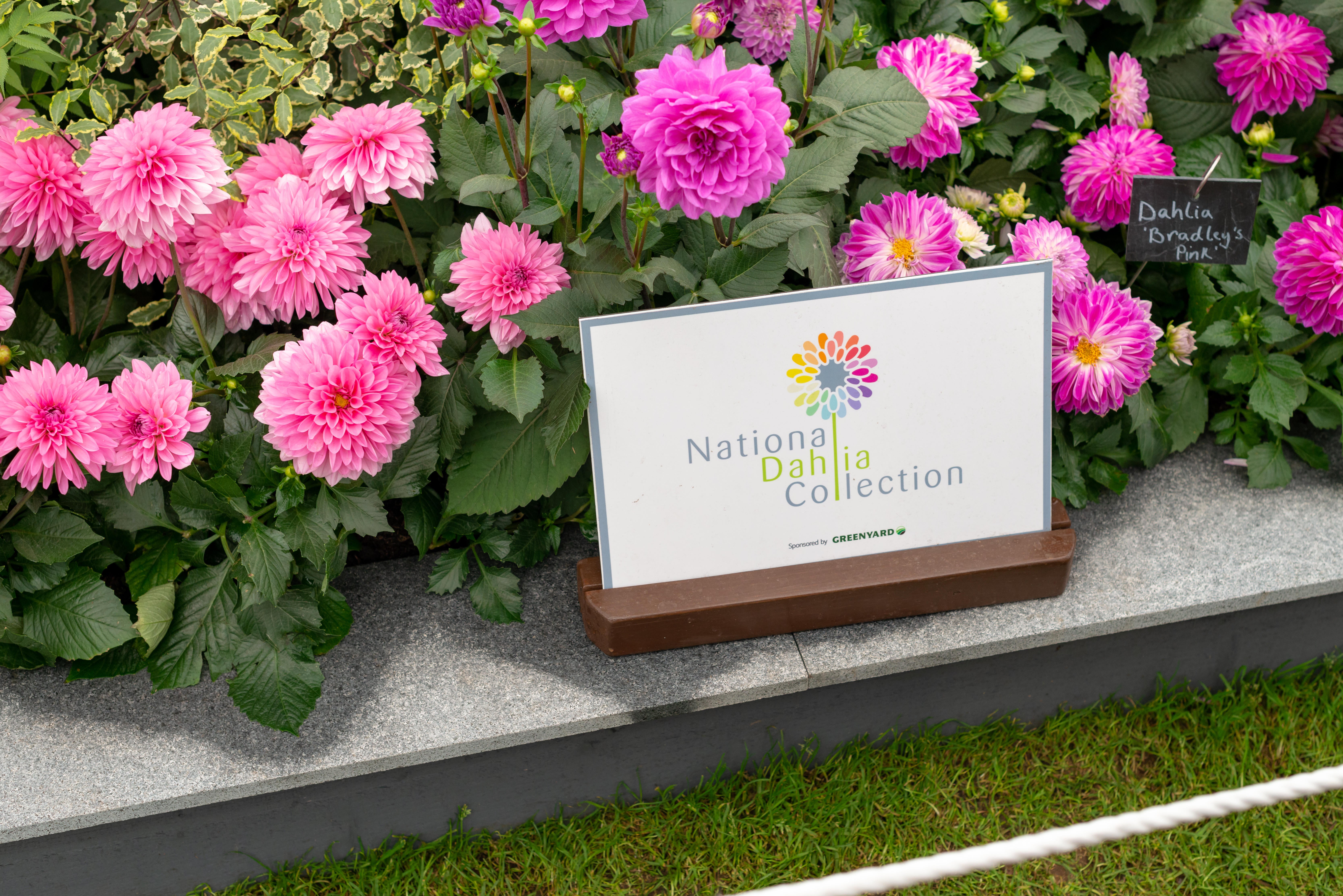
“But plants can go in and out fashion. A really great example of that was dahlias. Back in the day, they became a bit of a none-go-to for many gardens, and now they’re obviously very popular. But during those periods when they’re not so popular, lots of varieties can fall out of favour and then they just disappear.”
Breeders are going to have to focus on plants which are more resistant to different weather patterns, with climate change, and it’s also important to retain the great variety of colours of plants which have been bred, he adds.
His advice is:
1. Adopt a ‘pick and mix’ approach
“Don’t just stick with one cultivar. Pick and choose different types of plants,” Walker says.
“If you’re really into your plants and your garden, and also going into the whole biodiversity/environmental considerations, that diversity of plants will be of great benefit to your garden, not only for all the things visiting the garden, but also just for your garden.
“Different cultivars may be able to withstand different environmental conditions, going forward, changes in our climate, and just having that diversity will help your garden to thrive a bit better.”
You could still stick to one genus (a group of related plants), such as dahlias, or whatever perennial takes your fancy.

“When you start getting into that group of plants, then the whole world opens up, and you suddenly realise how much variety there is. It could be the gateway into one set of plants that could lead you into conserving some of these cultivars,” he says.
2. Propagate and share
If you propagate your plants and then introduce them to other people, that is a good way of keeping a variety going, he advises.
“Whether you’re going to sell it through plant sales or just giving it to your neighbour or a group of friends, it’s surprising how many plants have started, or someone’s found a cultivar, and suddenly once they get it propagated and hand it out, it suddenly comes back from the brink of being lost forever.”
3. Conserve your outdoor planting space
“Gardening today can get a little bit heavy on the hard landscaping. We’re trying to fight this trend of people paving over their front gardens.

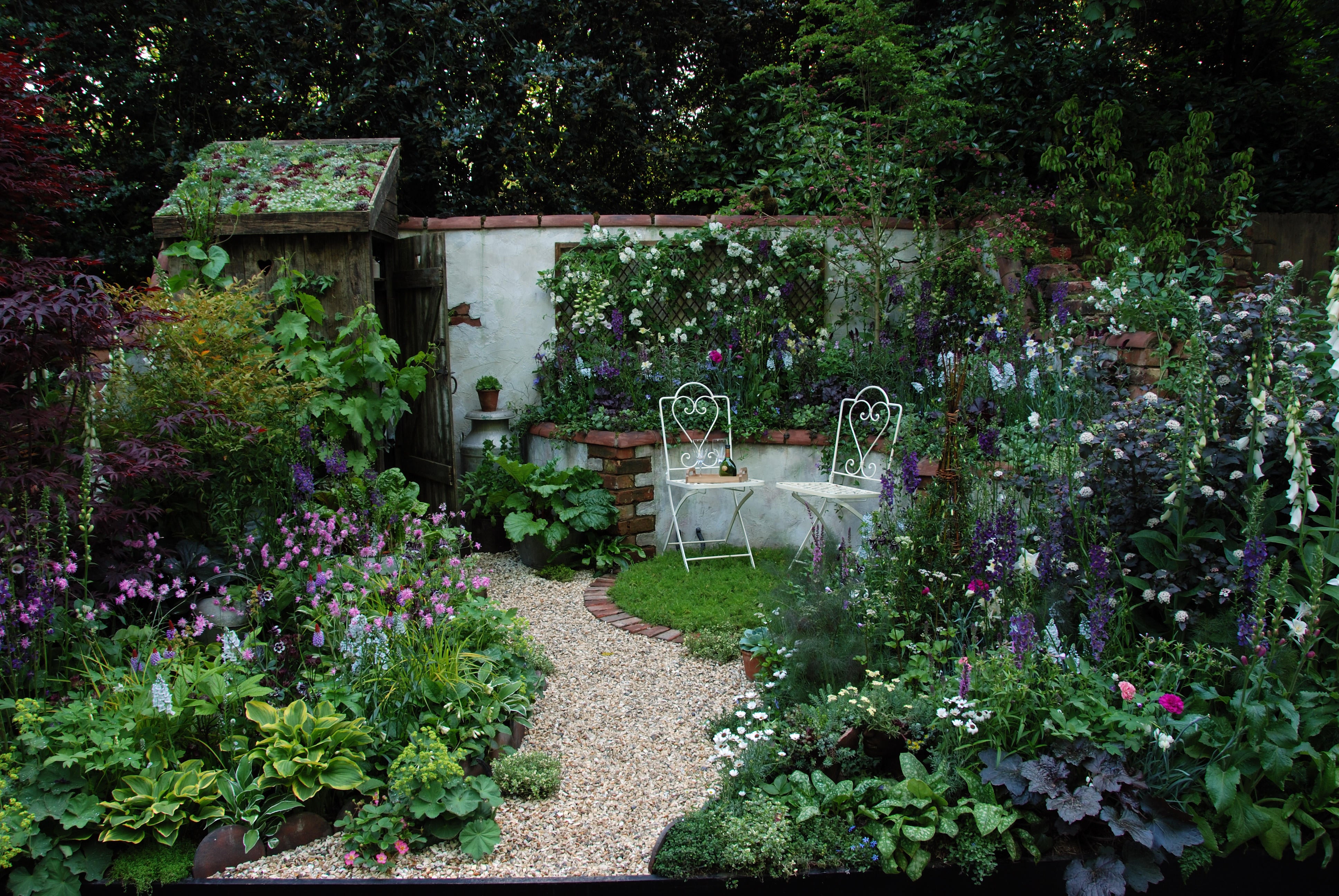
“Learning that you can actually conserve these things will make you think about your space a bit more ecologically and more in terms of what a small space, even something like a balcony or small courtyard, can be used to preserve some of our plants.
“You may actually plant more of your space up with plants rather than trying to make it too artificial.”
4. Understand the plants you already have
If you move house or adopt a new garden space, you may not know what you have – it may be something that is rare, he observes.
Don’t be in a hurry to pull it all up and start again – find out a bit more about what you already have, he advises.
“We have so many resources available, not just the internet but the old school books, and there are so many different gardening societies and lots of knowledgeable garden professionals.
“See if the plants you’ve got are treasures we are trying to conserve.”
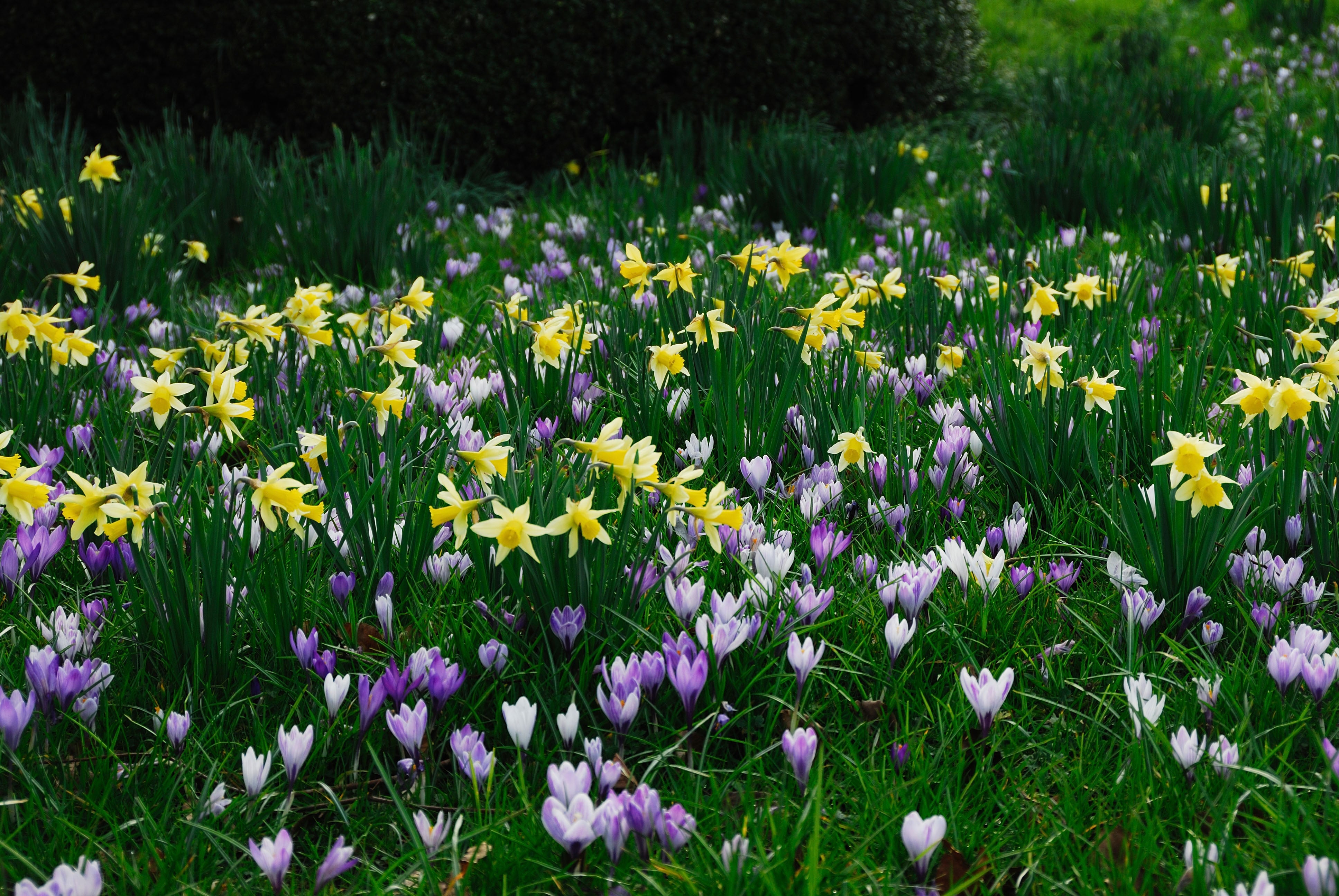
If you’ve moved house, leave your garden for a year to see what comes up. You may have spring bulbs and other plants which only come into their own at different times of the year.
Apps can help point you in the right direction with plant identification, he says, and once you know the plant group, it’s easy to contact National Collection holders to find out the specifics. The directory of National Collection holders is available through the Plant Heritage website.
5. Join Plant Heritage
“Plant Heritage is the only charity in the UK dedicated to conserving cultivated garden plants,” Walker explains. “We have so many local groups, so not only is it all about plants, but there’s also a social element to it as well, with lots of people visiting plant gardens, plant fairs and flower shows.”