






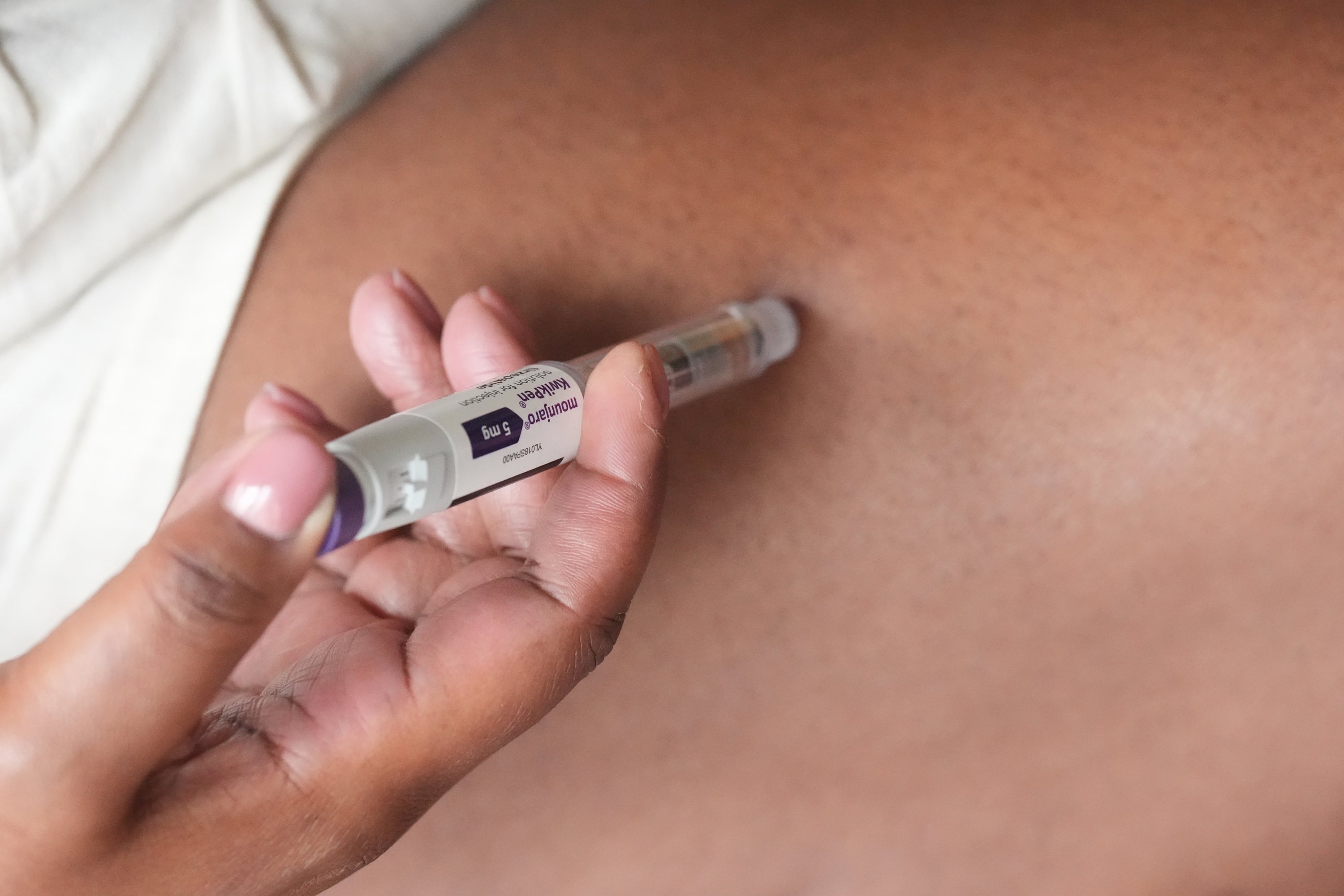
Weight loss injections should be investigated as potential “cancer prevention agents”, experts have urged, following a study that linked the medication to a reduced risk of cancers associated with obesity.
Being overweight or obese is a known risk factor for 13 types of cancer, including those affecting the breast, bowel, pancreas, kidney, liver, and stomach. Glucagon-like peptide-1 receptor agonist (GLP-1) drugs, such as Mounjaro, Wegovy, and Ozempic, are currently prescribed to treat obesity and type 2 diabetes. However, new research suggests that the use of these medications could offer wider health benefits beyond their primary indications.
In the latest study, researchers looked at GLP-1 use and whether the drugs were linked to a reduced risk of obesity-associated cancers.
Experts from the US examined data on more than 161,000 patients who were obese, did not have diabetes and had not been diagnosed with an obesity-related cancer.
Of these, half used weight-loss injections while the other half were given consultation on diet and exercise.
The average age of people in the study was 47 and they were followed up for two years.
The analysis, published in the Annals of Oncology, revealed that those who took GLP-1s were significantly less likely to be diagnosed with an obesity-related cancer during the follow-up period, with a reduced risk of 41%.
The data revealed the size of the reduction was not found among Black people.

“Our study found that over an average follow-up of two years, GLP-1 RA use was associated with a significantly lower incidence of cancers directly fuelled by excess body weight,” said the senior author of the study, Dr Aparna Kamat, director of the Division of Gynaecologic Oncology at Houston Methodist Hospital in Texas.
“Overall cancer risk was reduced by 41% and we saw even larger reductions in certain subgroups, including men, where the risk dropped by nearly 70%.
“Among gynaecologic cancers, there was a 58% reduction in the incidence of endometrial cancer, one of the malignancies most closely linked to obesity.
“The reduction in obesity-related cancer risk among white patients was about 50% but this risk reduction was not observed among black patients. This may reflect additional causes such as access to care, differing risk profiles and other biological differences.
“We also studied the different GLP-1 RA formulations and found that while all of them reduced the incidence of obesity-related cancers, the greatest reduction was seen among tirzepatide users.”
Dr Kamat said the results suggest the impact of GLP-1 medicines “may reach further and transform how we think about cancer prevention”, adding: “Our findings do not prove causation, and cancer risk reduction should not yet be a standalone reason to prescribe GLP-1 RAs. However, for obese, non-diabetic patients who are already candidates for these medications, our data provide an additional and potentially important reason to have that conversation.
“For policymakers and other researchers, our study is a clear signal that GLP-1 RAs deserve serious investigation as cancer prevention agents, particularly as obesity-related cancers increasingly affect adults in their 40s and 50s.”
Second author of the study, Professor Pedro Ramirez, who is chairman of the Department of Obstetrics and Gynaecology at Houston Methodist Hospital, said: “Our study suggests GLP-1 RAs may have benefits that extend beyond weight management.
“It should be noted that while the findings do not prove that GLP-1 drugs directly prevent cancer, they provide early evidence that deserves further study in long-term clinical trials.
“This study highlights the potential for a major shift in how we think about obesity treatment and cancer prevention. As the use of GLP-1 RA medications continues to grow worldwide, understanding their broader health impact is critically important.”


