
)
Excessive caffeine consumption from energy drinks can raise the risk of stroke, heart rhythm disorders and dehydration, doctors warn, urging moderation and awareness of hidden stimulants.
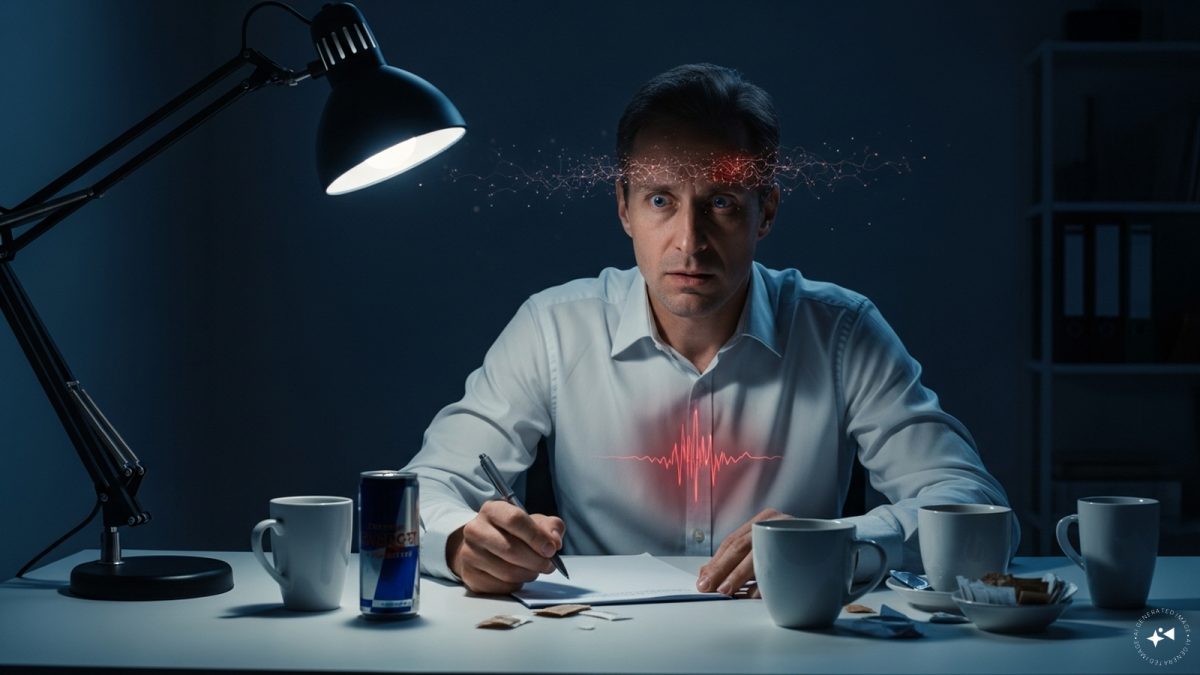
A recent case in the United Kingdom where a 50-year-old man reportedly suffered a stroke after consuming eight energy drinks a day has renewed concerns among doctors over the underestimated dangers of excessive caffeine intake particularly from energy beverages.
Health experts warn that while caffeine is widely consumed for alertness and fatigue relief, heavy and prolonged intake, especially when combined with other stimulants and sugar can place severe stress on the heart and brain.
How excessive caffeine strains the heart and blood vessels
Dr. Basavaraj S Kumbar, Consultant in Internal Medicine at Aster Whitefield Hospital said that large doses of caffeine can overwhelm the body’s ability to regulate blood pressure and heart rate.
According to him, high caffeine intake can trigger sudden spikes in blood pressure and pulse rate, placing acute strain on the cardiovascular system. In extreme cases, it can lead to irregular heart rhythms, narrowing of blood vessels, altered blood flow, and conditions that promote clot formation, all of which raise the risk of stroke.
“Prolonged exposure to caffeine keeps the nervous system in a constant state of stimulation without allowing time for recovery,” Dr. Kumbar said, adding that this continuous stress response can have cumulative effects on the heart and circulation.
Stress hormones, inflammation and long-term risk
Doctors also point to the role of caffeine in stimulating stress hormones such as adrenaline and cortisol. Dr. Kumbar said that regular excessive caffeine intake keeps the body locked in a persistent “fight-or-flight” state.
Over time, this hormonal imbalance can contribute to inflammation, endothelial dysfunction, and impaired regulation of blood vessels, creating conditions that increase the likelihood of cardiovascular events. Individuals with underlying conditions such as hypertension, diabetes, or high cholesterol are at particularly high risk.
Dehydration and sugar add to the danger
Another concern linked to heavy energy drink consumption is dehydration. Dr. Kumbar warned that caffeine’s stimulant effect can disrupt fluid balance, especially if energy drinks replace water in daily intake. Dehydration can thicken the blood, increasing the strain on blood vessels and elevating stroke risk.
He also highlighted the role of excessive sugar in energy drinks, which can damage blood vessels over time and compound cardiovascular risk.
Cardiology experts urge moderation
Dr. Sanjeeva Kumar Gupta, Consultant Cardiologist at the CK Birla Hospital (Delhi) said most health authorities recommend limiting caffeine intake to no more than 400 mg per day for healthy adults. Regularly exceeding this limit, particularly through energy drinks, can have serious consequences.
Dr. Gupta explained that excessive caffeine stimulates the release of adrenaline, raising heart rate and blood pressure. Over time, this strain may lead to irregular heartbeats and increase the risk of heart attack or stroke even in individuals without known heart disease.
He added that caffeine also narrows blood vessels supplying the brain. When combined with high blood pressure, reduced blood flow can raise the likelihood of blood clot formation and ischemic strokes.
Energy drinks, he noted, are particularly risky because they often contain additional stimulants such as taurine and guarana, which intensify caffeine’s effects.
Effects on sleep, nerves and overall health
Beyond cardiovascular risks, excessive caffeine affects the nervous system, causing anxiety, restlessness, tremors, and sleep disturbances. Dr. Gupta pointed out that poor sleep can further worsen blood pressure control, metabolism, and heart health.
High caffeine intake may also lead to electrolyte imbalances, placing added stress on the body.
Doctors warned that caffeine tolerance varies widely between individuals. What seems manageable for one person may be dangerous for another, especially those with pre-existing heart conditions, high stress levels, or chronic lifestyle disorders.
While moderate caffeine consumption can be safe and even beneficial, experts stress that excessive intake particularly from energy drinks marketed as performance boosters carries real and potentially life-threatening risks.
End of Article