



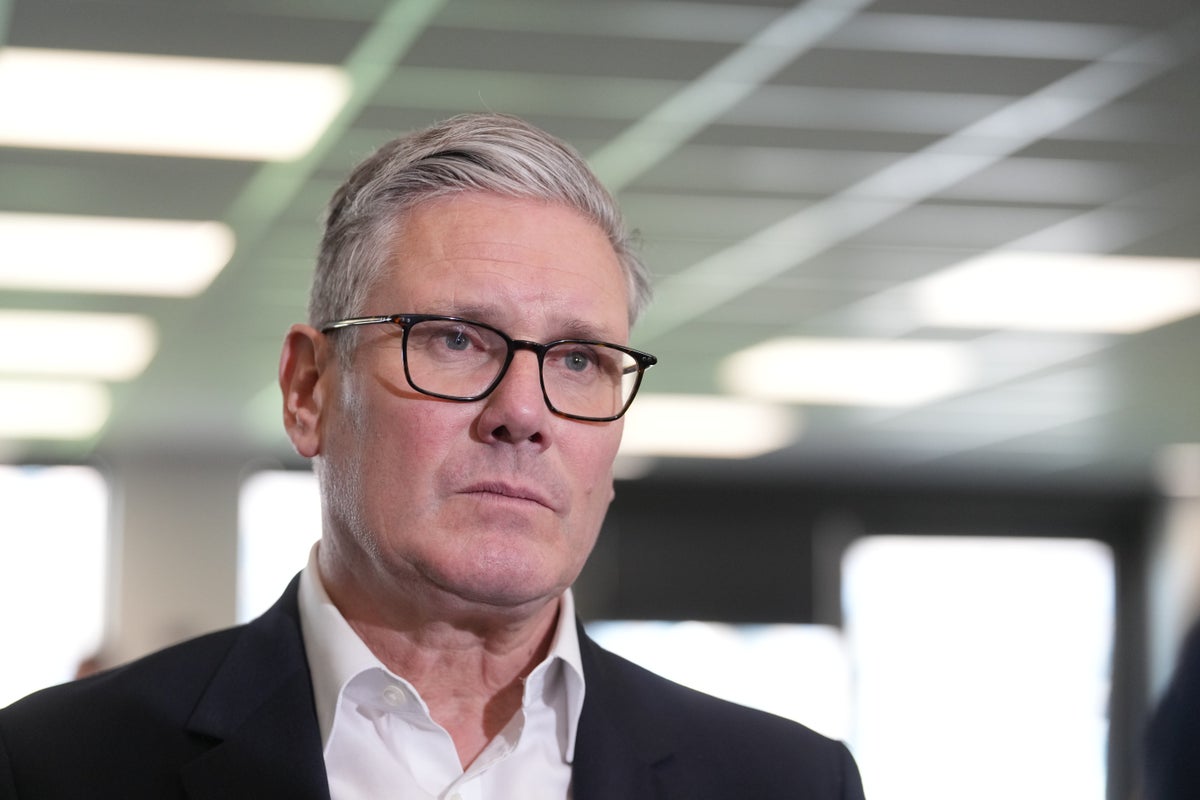
Sir Keir Starmer could face a leadership challenge in the coming days after Wes Streeting quit as health secretary in a scathing letter criticising the prime minister’s premiership.
The Labour leader has insisted he will not resign amid the fallout from last week’s disastrous local election results, which were the worst on record for the Labour Party.
However, nearly 100 of his own MPs have now spoken out against him, as potential leadership challengers are understood to be lining up for a contest.
Mr Streeting – widely seen as a leadership hopeful – did not suggest he intended to challenge the prime minister in his letter, but he did urge him to set a timeline for his departure.
Hours earlier, former deputy prime minister Angela Rayner announced she had been cleared of deliberate wrongdoing over her tax affairs.
Ms Rayner did not rule out running in a Labour leadership race but told The Guardian she would not trigger a contest.
And Greater Manchester mayor Andy Burnham pulled out of his weekly radio slot to “prioritise discussions arising from last week’s local elections”, prompting speculation that he is preparing to make moves to return to Westminster.
The three are seen as the frontrunners to replace the prime minister in the event of a leadership contest, although Mr Burnham would first need to become an MP and so could not stand in the immediate future.
Amid the drama, over 100 Labour MPs have also signed a statement urging Sir Keir Starmer not to stand down, saying “this is no time for a leadership contest” and revealing a fresh split in the party.

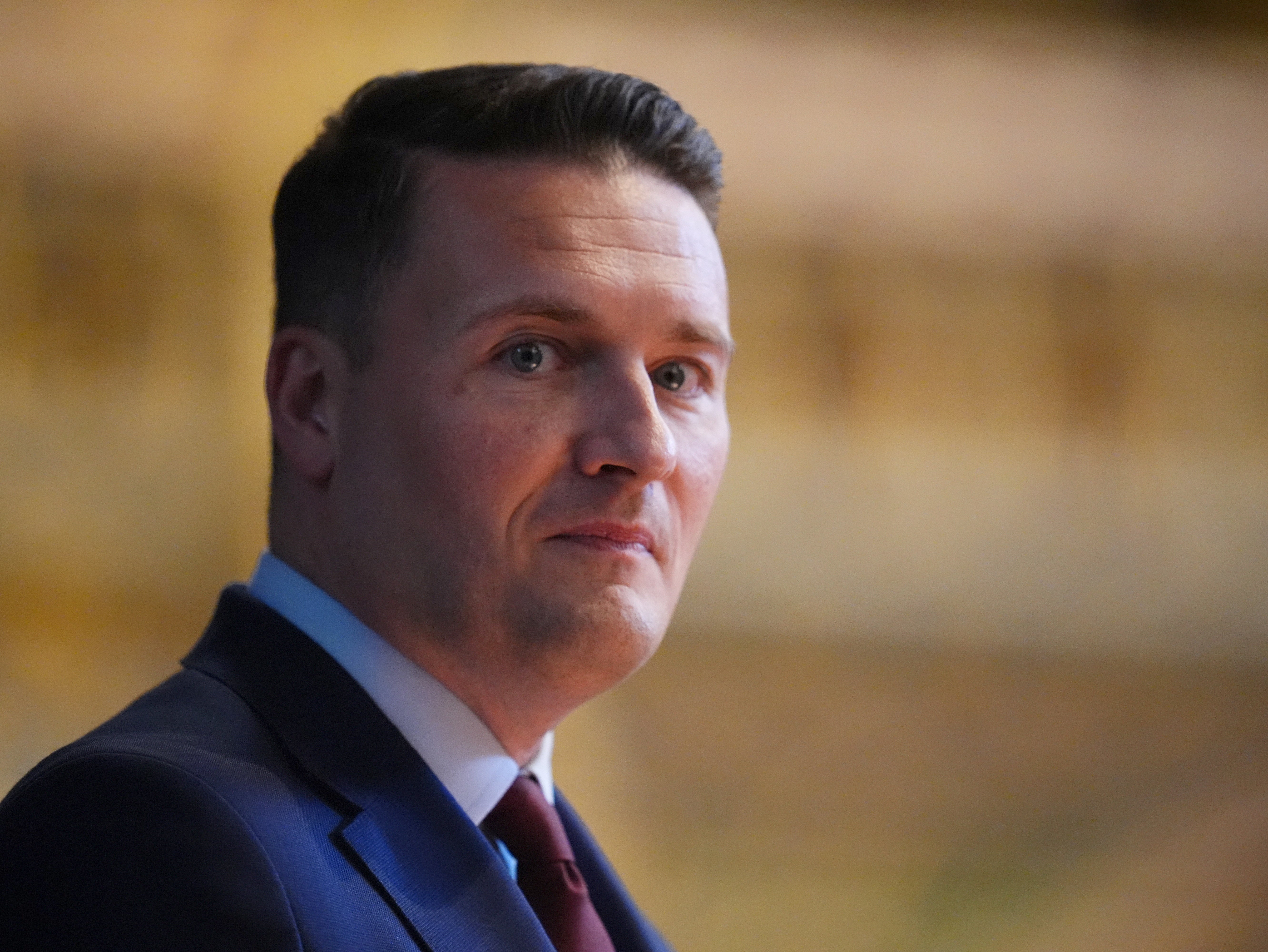
In his resignation letter, Mr Streeting wrote: “Where we need vision, we have a vacuum. Where we need direction, we have drift.
“It is now clear that you will not lead the Labour Party into the next general election and that Labour MPs and Labour unions want the debate about what comes next to be a battle of ideas, not of personalities or petty factionalism,” he added.
His is the most high-profile resignation of the saga so far, but follows several other more junior government ministers. These were:
- Dr Zubir Ahmed, former health and innovation minister
- Jess Phillips, former safeguarding minister
- Miatta Fahnbulleh, former devolution minister
- Alex Davies-Jones, former victims minister
Ms Phillips announced she was quitting in a letter to the prime minister, writing: “I think you are a good man fundamentally, who cares about the right things however, I have seen first-hand how that is not enough”
She added: “…I’m not seeing the change I think I, and the country expect, and so cannot continue to serve as a minister under the current leadership.”
There is no formal confidence vote procedure to oust a Labour leader. Any challenger to Sir Keir would instead require the support of 81 MPs – 20 per cent of the party in the Commons – to trigger a contest.

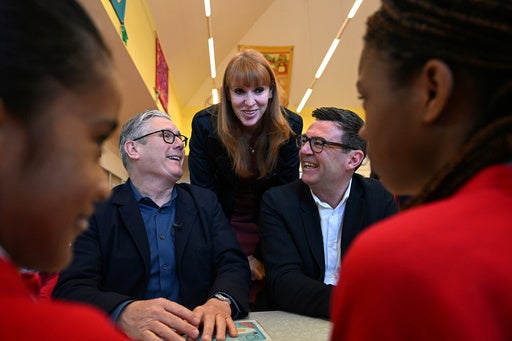
These MPs would all have to back the same candidate to succeed the prime minister.
Four ministerial aides have handed in their resignations amid the chaos, including Joe Morris, a ministerial aide to Wes Streeting, widely considered a potential leadership contender.
Tom Rutland, a parliamentary private secretary (PPS) to environment secretary Emma Reynolds and Cabinet Office PPS Naushabah Khan, also resigned while calling on Sir Keir to step down.
The growing list of Parliamentary Labour Party (PLP) members who have spoken out against the prime minister goes beyond the list of usually vocal opponents, echoing the 100-plus strong rebellion over welfare cuts that the cabinet faced last July.

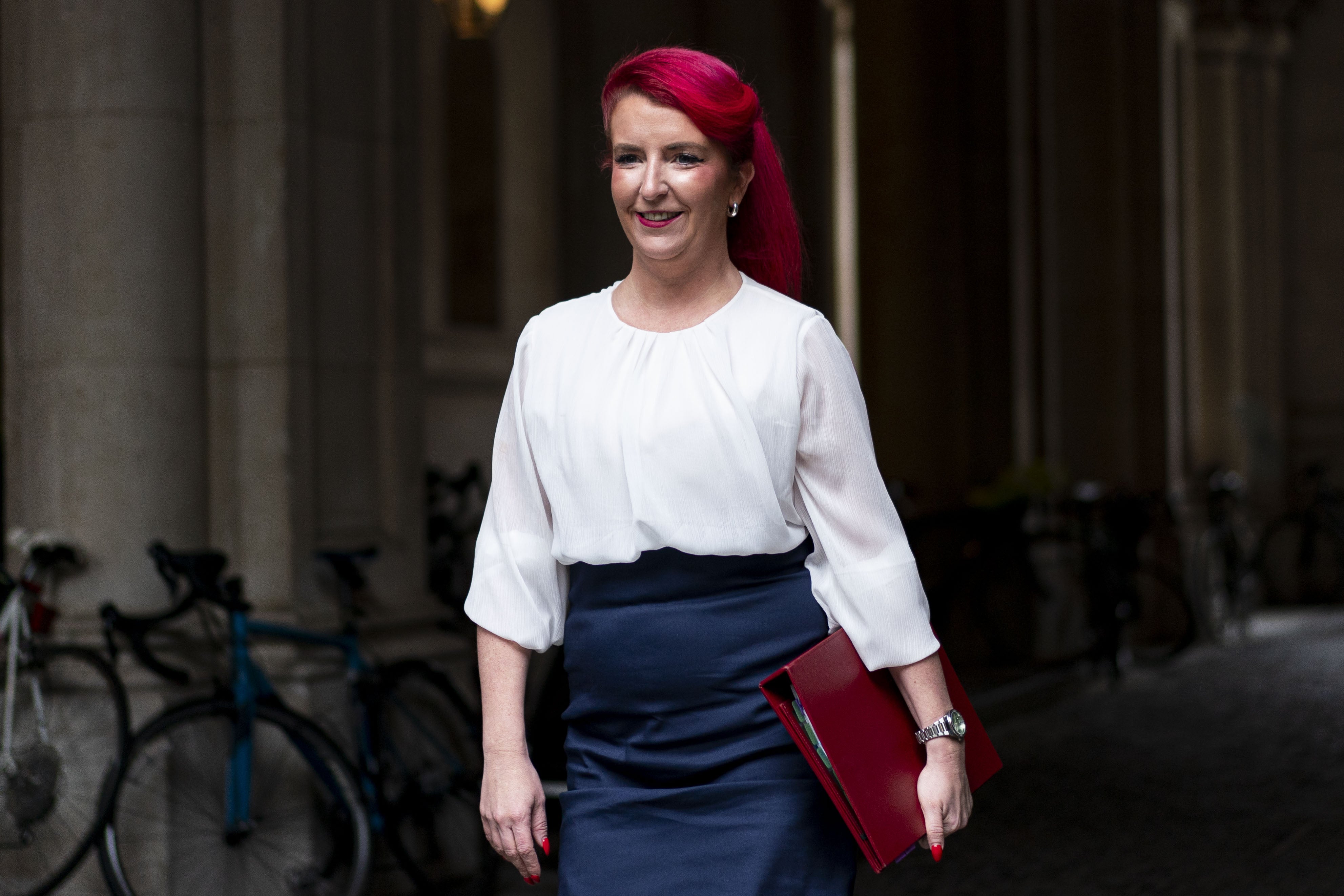
Among them are former transport secretary Louise Haigh, former shadow chancellor John McDonnell and veteran MP Barry Gardiner.
Signalling for Sir Keir to resign, Jonathan Hinder, MP for Pendle and Clitheroe, claimed that the prime minister “has never been an electoral asset.”
He said on BBC Newsnight: “The blunt reality is, and every single Labour MP will tell you this, he has never been an electoral asset.
“Our best electoral asset was the unpopularity of the Conservatives and the fact that Reform split their vote and that is why I’m sat here today, most of all, but I don’t underestimate the amount of work he did.”
“I think he’s in it for the right reasons. I know his team worked incredibly hard, like we all did, to get us here, but we have to face the facts now,” he continued. “We need a new leader for the Labour Party and our country, most importantly, needs a new leader.”
Labour was elected with 411 seats at the 2024 general election – a 174-seat majority – marking the best performance for the party since 2001. With this many sitting MPs, it technically becomes harder for a leadership challenge to be launched against the prime minister, as 20 per cent of these members would be needed to nominate a contender, which translates to 81 MPs.
However, with the figure of Labour MPs voicing their calls publicly, it will be cause for huge concern within Downing Street.