Experts agree that Donald Trump’s executive order aimed at restricting mail-in ballots will likely fail under court challenges due to the Constitution’s provisions mandating state governments as the ultimate authority over elections in their jurisdictions.
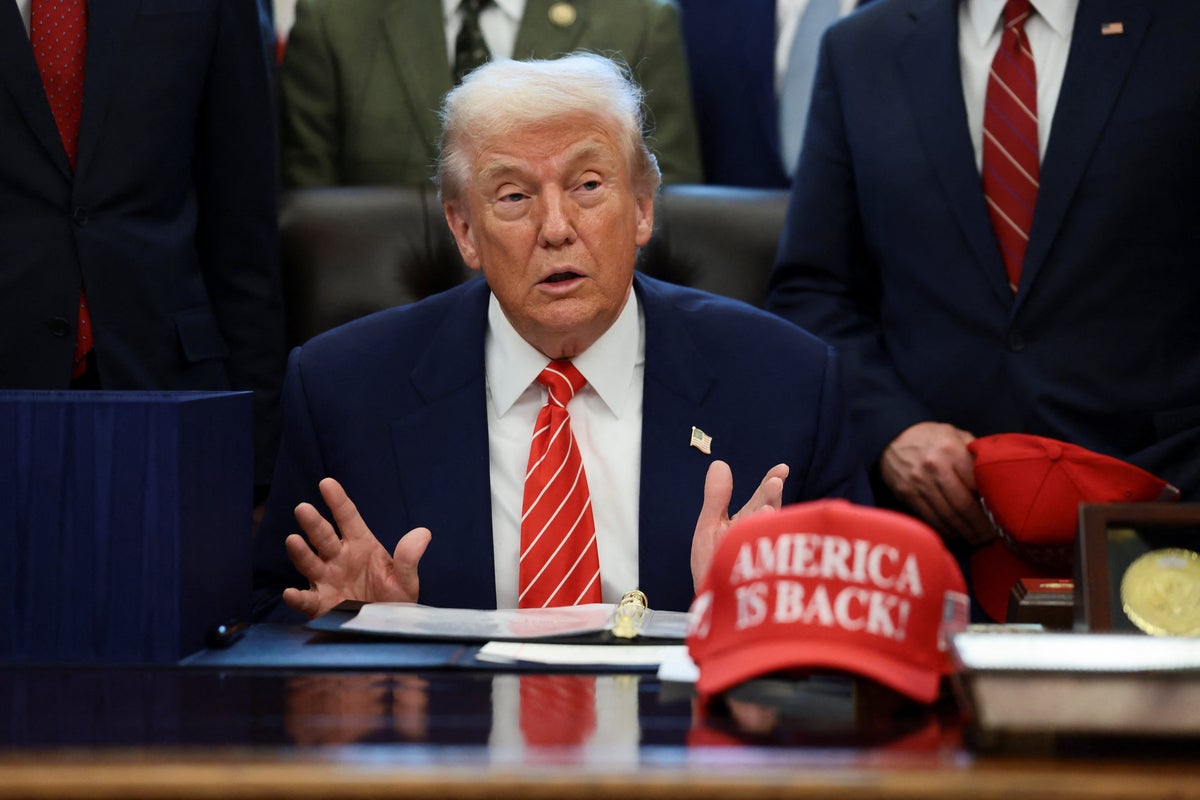
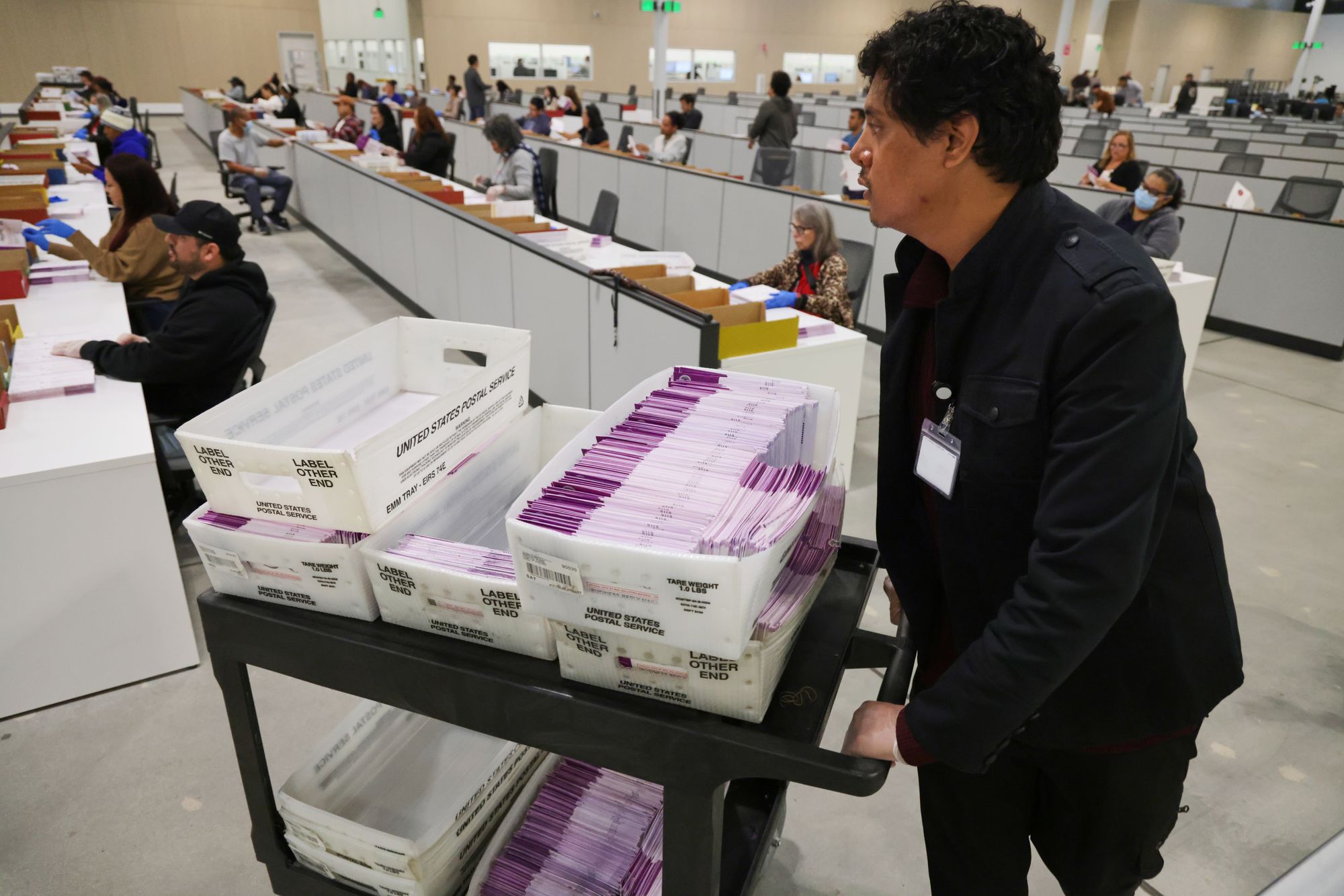
Trump signed an order Tuesday that would ban the U.S. Postal Service from sending absentee or postal ballots to any voter who does not appear on a list of legal, documented citizens he has ordered the Department of Homeland Security to collect with the help of the Social Security Administration.
Two Republicans with experience overseeing elections themselves said as much on ABC’s This Week on Sunday, saying they expect lawsuits challenging the order to result in Trump’s mandate being tossed.
Al Schmidt, the Republican secretary of the Commonwealth of Pennsylvania, said he was “confident” that Pennsylvania’s legal challenge against the Trump administration would prevail.
“Americans should rest assured … that Pennsylvania, the birthplace of our republic, and Gov. [Josh] Shapiro are going to stand up for our voters, and know that the Constitution is on our side,” Schmidt said.

Stephen Richer, the former Republican elections chief in Maricopa County, Arizona, said the order is likely to be stopped “very quickly.”
Both men characterized Trump’s order as an unnecessary attempt to address a problem that does not occur at a large scale: Noncitizen voting in federal elections.
They argue that Trump’s order was meant to stir the pot and introduce further suspicion of a system he has undermined for years ahead of a midterm election season that is likely to decide the fate of his legislative agenda in his final years in office.

The order comes as Trump has fought unsuccessfully for weeks to see the Republican-held Senate do away with the 60-vote filibuster threshold and pass the SAVE America Act, a piece of restrictive voter ID legislation that many critics argue will disenfranchise poorer voters and those without easy access to identification documents.
Only five states currently print driver’s licenses — the most common form of identification in America — that also indicate citizenship.
The SAVE America Act (or SAVE Act, another iteration of the bill) currently sits in the Senate unable to reach 60 votes with Democrats unified in opposition and at least one Republican senator currently against the legislation.
As a signature piece of Trump’s agenda, the bill’s fate has weighed heavily on the president and he has demanded that the chamber not pass other legislation until it reaches his desk.
Pennsylvania’s suit is one of several already filed against Trump’s executive order, and the list is growing. Other litigants include the Democratic National Committee and American Civil Liberties Union, among others.
“Once again, President Trump is attempting to rewrite the rules of our democracy through a blatant abuse of executive power, this time targeting mail-in voting,” ACLU Voting Rights Project director Sophia Lin Lakin said this week.
“He does not have the authority to dictate how Americans cast their ballots, and no executive order can override that fundamental limit,” she added. “This latest move is not about election integrity — it’s about injecting confusion and chaos into our elections as midterm season ramps up.”
Trump remains convinced that large numbers of noncitizen voters contributed to his loss to Joe Biden in 2020, which his own attorney general and other top officials disputed at the time. To this day, he continues to insist at public events that the 2020 election was “stolen” and accuses Democratic election officials of committing fraud.