A €90 billion (£77 billion) European Union loan package for Ukraine, previously stalled by Hungary, could now be back on the table.
The financial aid, intended to bolster Kyiv’s defence against Russia, faced opposition from outgoing Prime Minister Viktor Orban.
However, his recent election defeat and the resumption of Russian oil deliveries to Hungary via Ukraine have paved the way for its potential revival.
EU leaders had agreed last December to jointly borrow the funds, with frozen Russian assets earmarked as a potential guarantee to ensure Moscow ultimately bears the cost of the conflict for this year and next.
How will Europe lend Ukraine the money?
The EU is set to offer interest-free loans for 2026-2027, funded by its borrowing on capital markets and underpinned by the EU budget headroom.
This headroom represents the margin between the maximum contributions the EU can request from member states and its anticipated expenditure.

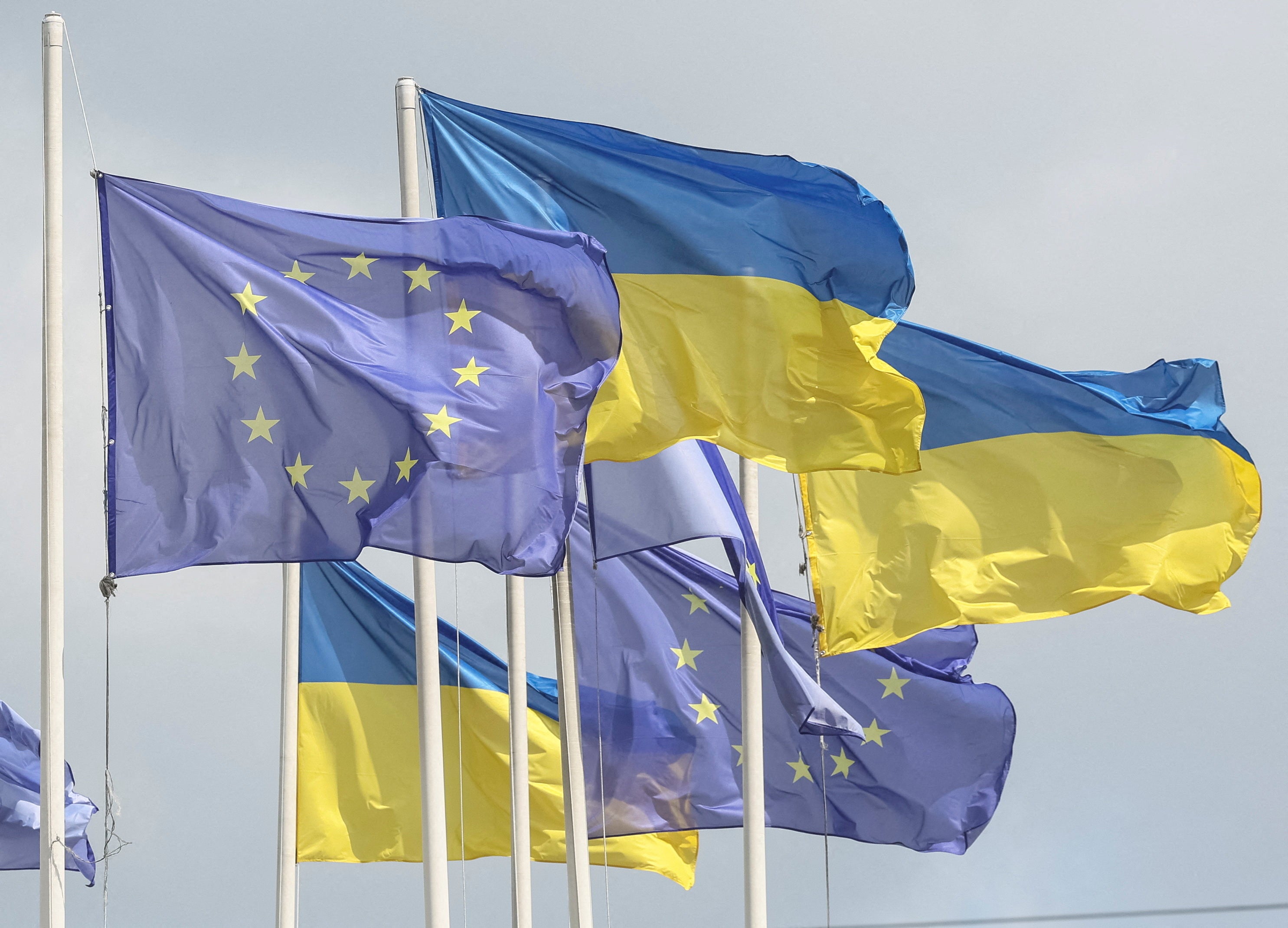
However, three nations – Hungary, Slovakia, and the Czech Republic – have secured exemptions from this joint borrowing initiative.
These countries, whose governments are often perceived as having closer ties to Moscow, will therefore not participate in the collective financing arrangement.
Repayment
Ukraine is not expected to pay the money back from its own funds, with the capital only due for repayment once Russia pays war reparations after the conflict is over.
Russia has central bank assets that are frozen in the EU which are worth around €210 billion and which could be used for the repayment.
The scheme was designed to effectively make use of the frozen Russian funds to help Ukraine without confiscating the money, a step that had been rejected as legally risky.

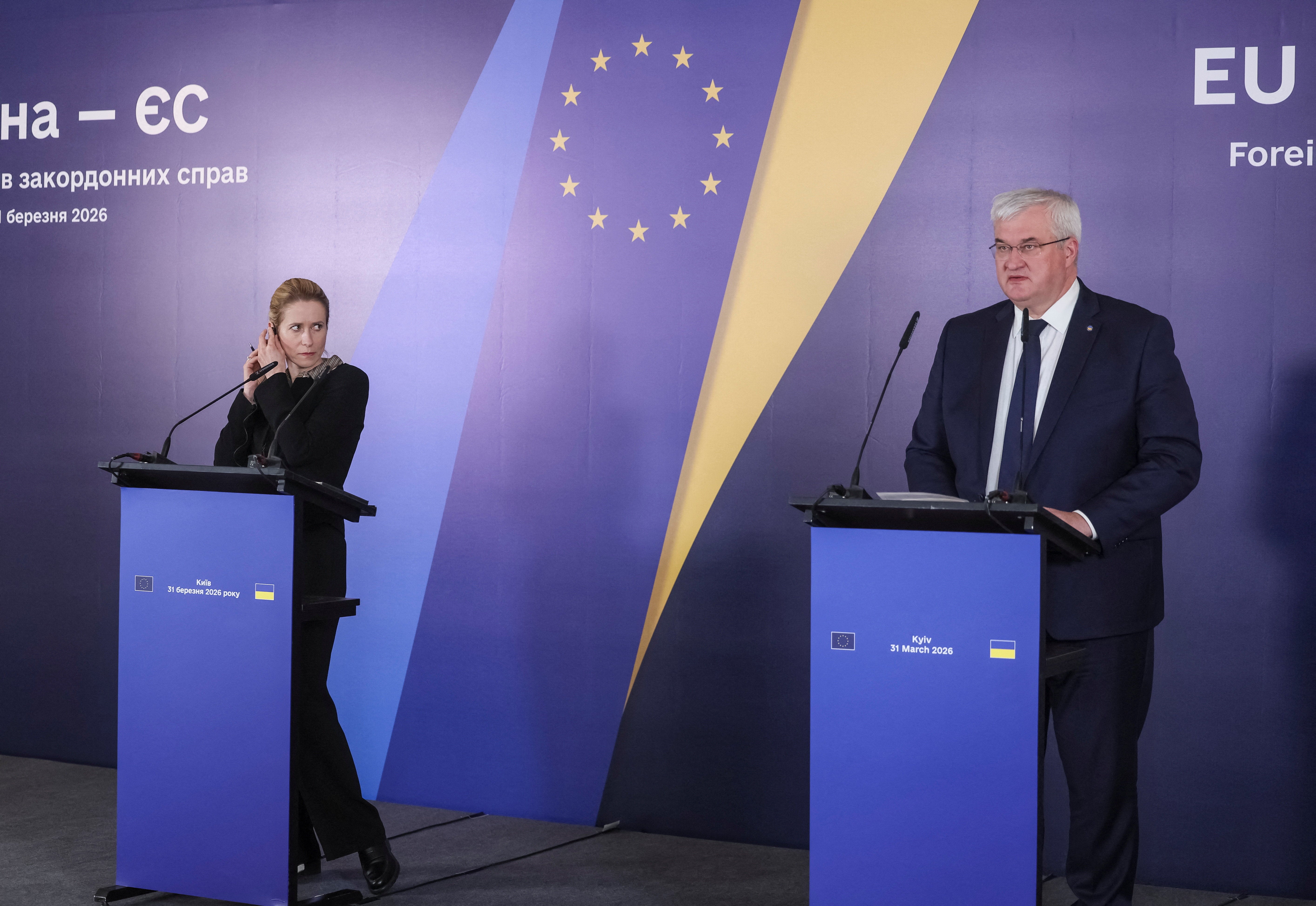
What will the EU’s €90 billion loan cover?
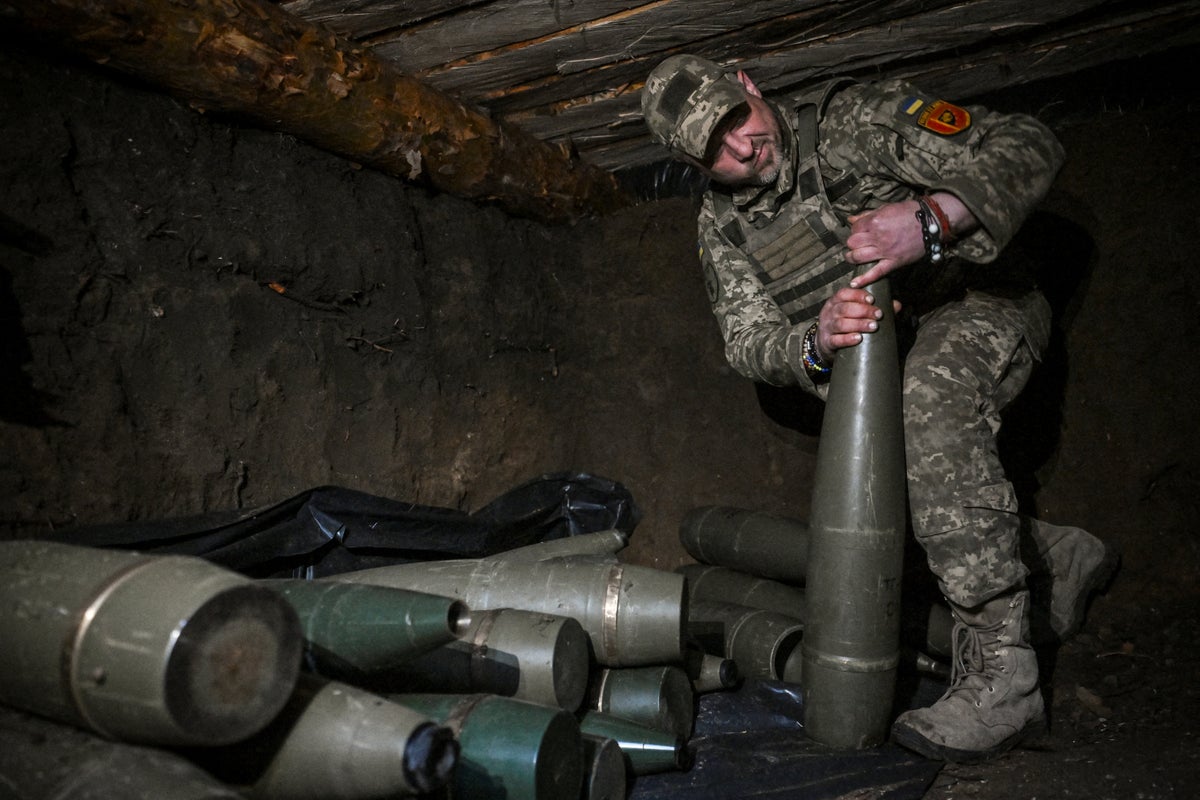
The €90 billion is to cover two-thirds of Ukraine’s needs for the next two years, estimated at €135 billion in total. Of the total, Ukraine will get €45 billion in 2026 and another €45 billion in 2027.
Each year, €28 billion will be spent on military needs and €17 billion on general budget needs.
Brussels expects other developed countries sympathetic to Ukraine to provide the rest of the funding, which has already been promised for 2026.
What were the hurdles?
The idea of joint EU borrowing against the EU budget seemed initially impossible as it required unanimity and faced opposition from Orban.
Hungary, Slovakia and the Czech Republic agreed to let the scheme go ahead after EU leaders agreed it would not impact them financially.

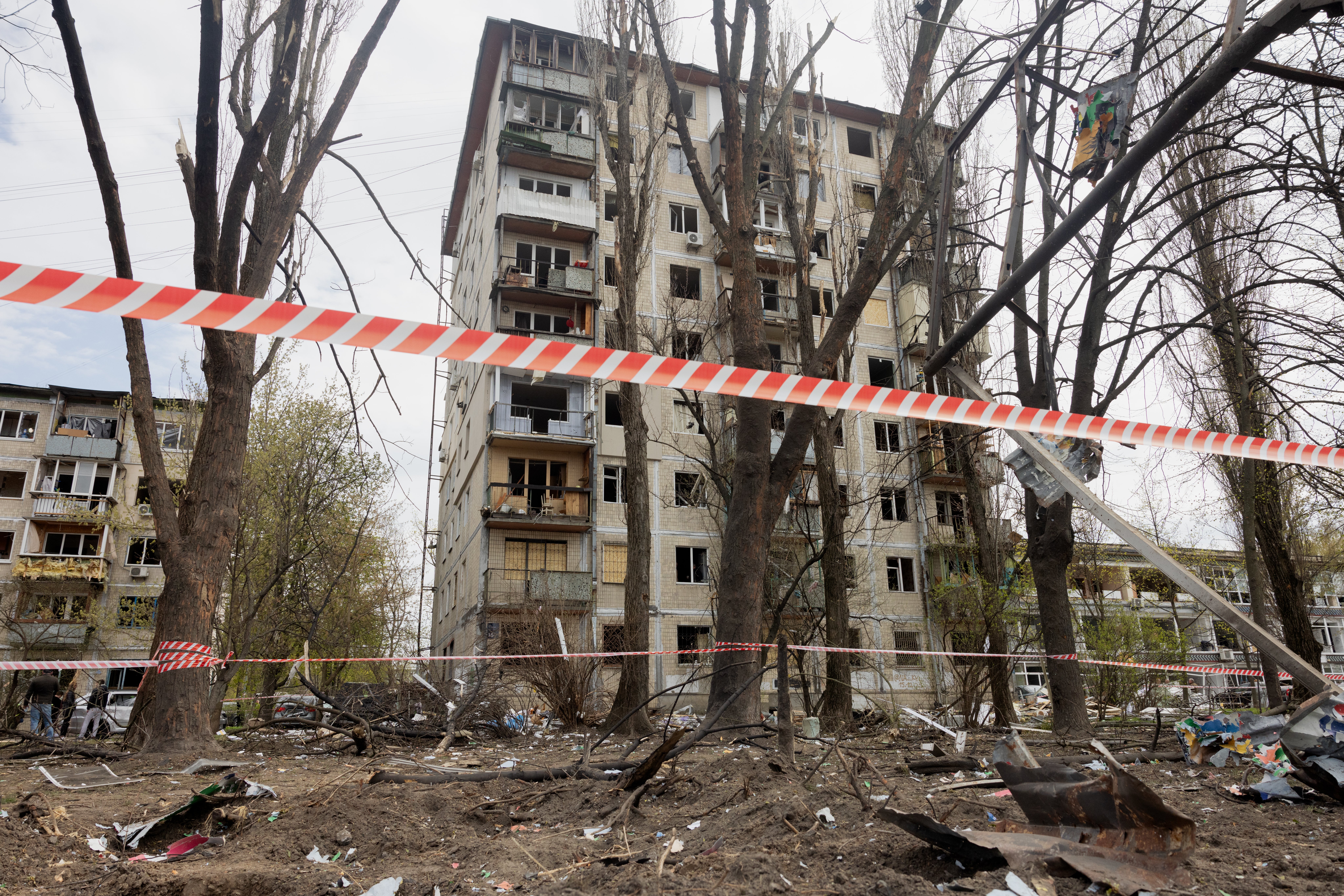
Hungary later blocked the loans after it stopped receiving Russian oil via the Druzhba pipeline across Ukraine’s territory. Kyiv says the pipeline was shut as a result of damage from a Russian strike.
Prospects for unblocking the loan brightened when Orban lost an election on 12 April and the incoming prime minister Peter Magyar said he would not oppose the disbursements. Also, the Druzhba pipeline has been repaired by the Ukrainians and oil is about to start flowing.