





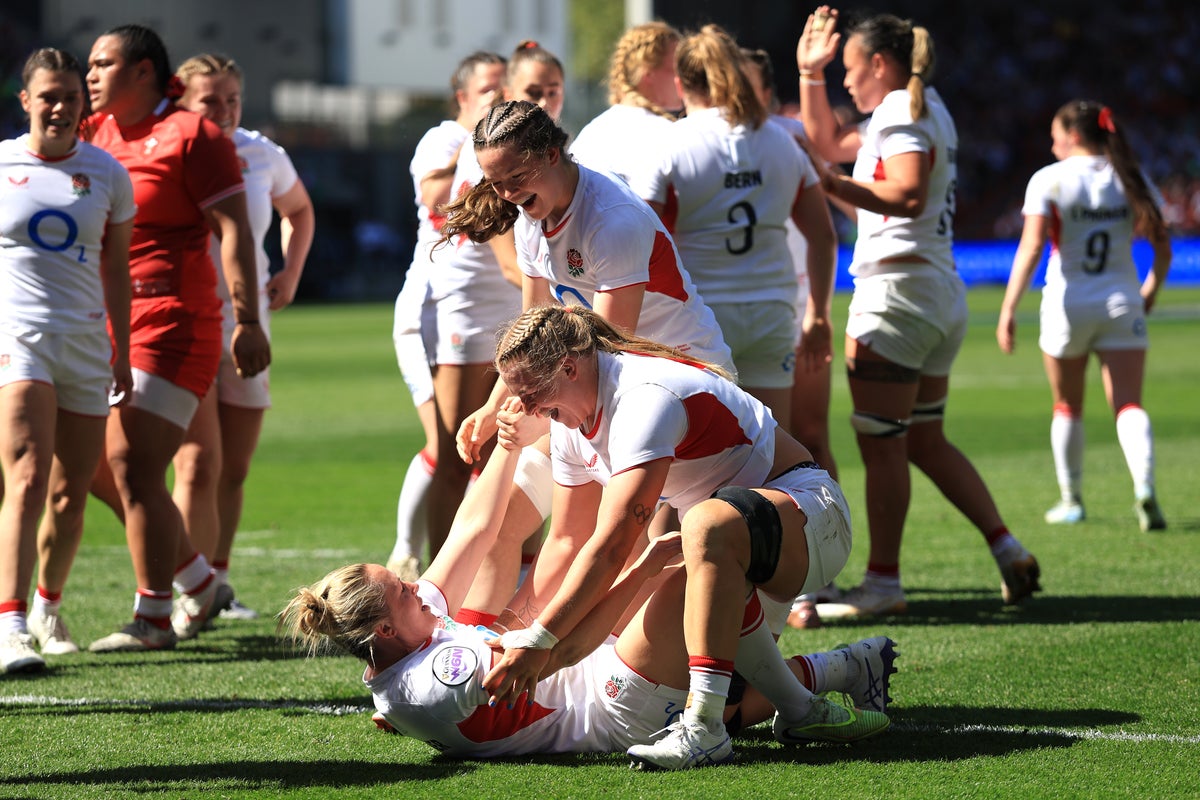
There was Women’s Six Nations victory for a Cardiff-born captain at Ashton Gate; the problem, of course, for Wales is that Meg Jones proudly wears English white. In a different world – one, perhaps, in which greater investment had been made in women’s rugby long ago – then Jones might have been a star for the country of her birth. But, with opportunities limited in her teenage years, a special talent left Cardiff for Hartpury – and the rest, as they say, is history. Having been such a key cog on and off the pitch in England’s World Cup win, this now looks a team built in their stand-in skipper’s image, full of creativity, quirk, and a relentless energy.
’Twas ever thus in this competition, of course, but the last two weeks have been impressive even by the sky-high standards by which England judge themselves. Having put Scotland to the sword with 12 tries a week ago, the scoreline did not swell quite as high in Bristol, yet a 62-24 win was nonetheless a significant success in the context of an injury crisis seemingly ever-deepening. A concerning shoulder issue for Sadia Kabeya here means that six of the starting World Cup-winning pack are currently unavailable to John Mitchell; it seems to matter not a jot, at the moment.

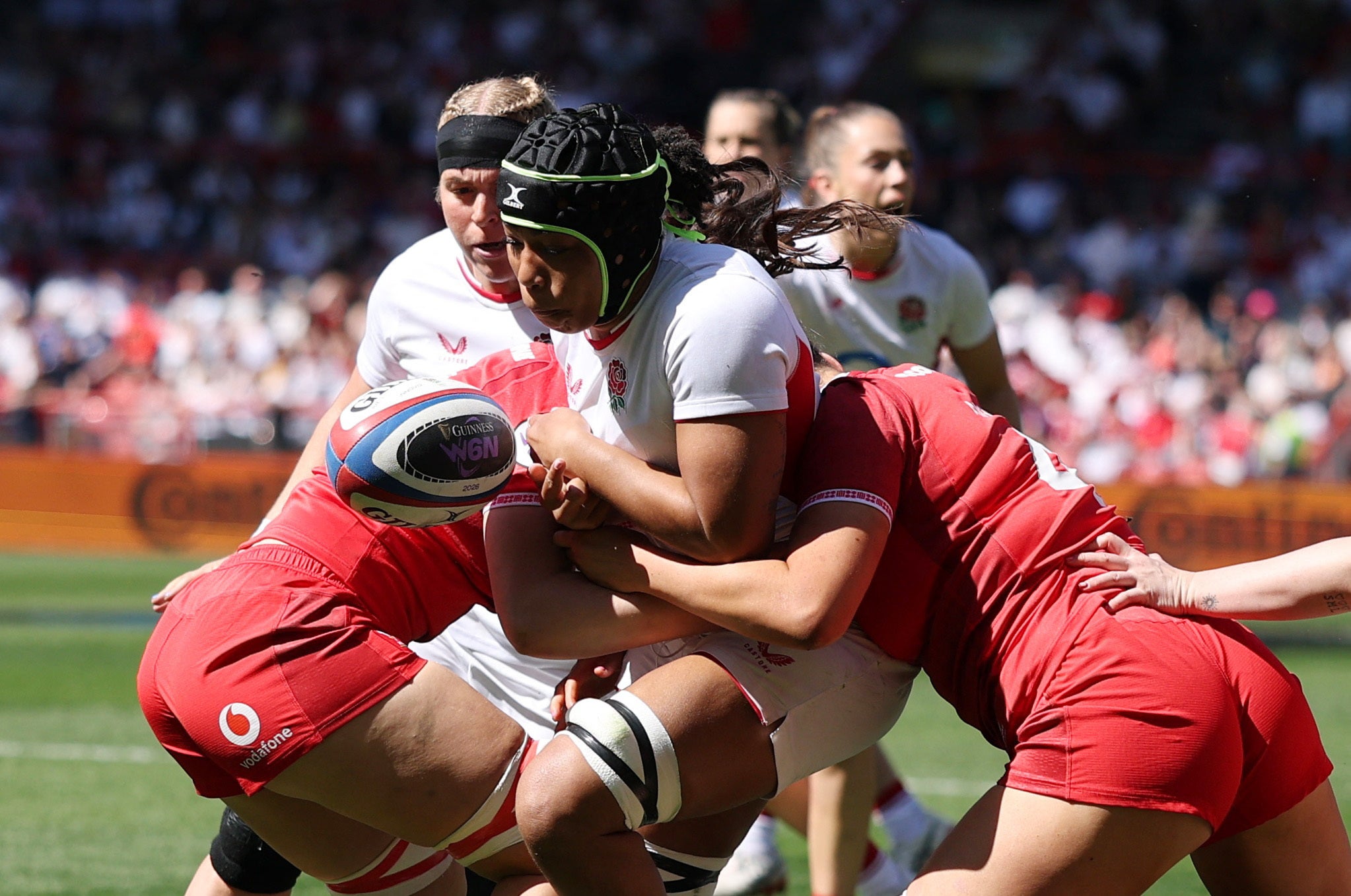
Perhaps it will in time. While their first three opponents have not been able to truly test the world champions for long periods, their familiar French foes should. Francois Ratier’s side should be sniffing a real chance in Bordeaux – England do not lack for talent, but the sight of Delaney Burns calling the lineout and being involved in leadership meetings, having not originally been named in the Six Nations squad, shows how threadbare the Red Roses are at lock, particularly. It is hoped that Lilli Ives Campion may be available for the Italy game in a fortnight; the fallow week comes at a good time.
“I’ve never experienced anything like this,” Mitchell admitted. “It’s credit to the group – I think we’ve lost close to 17 girls now, and there’s lots of moving parts. We are doing our best to prepare really well every week. Some of the girls have had to learn new roles that they have never really played in their international careers. It’s a really good challenge, really good for our coaching and good for our group.”
Kabeya, sadly, was not the only English casualty of a stop-start first half. After Maddie Feaunati, coming of age in this campaign, had got the hosts going, Millie David raced on to a gorgeous Holly Aitchison pass to mark her debut with a score – before departing for a head injury assessment, which ended her first cap prematurely.
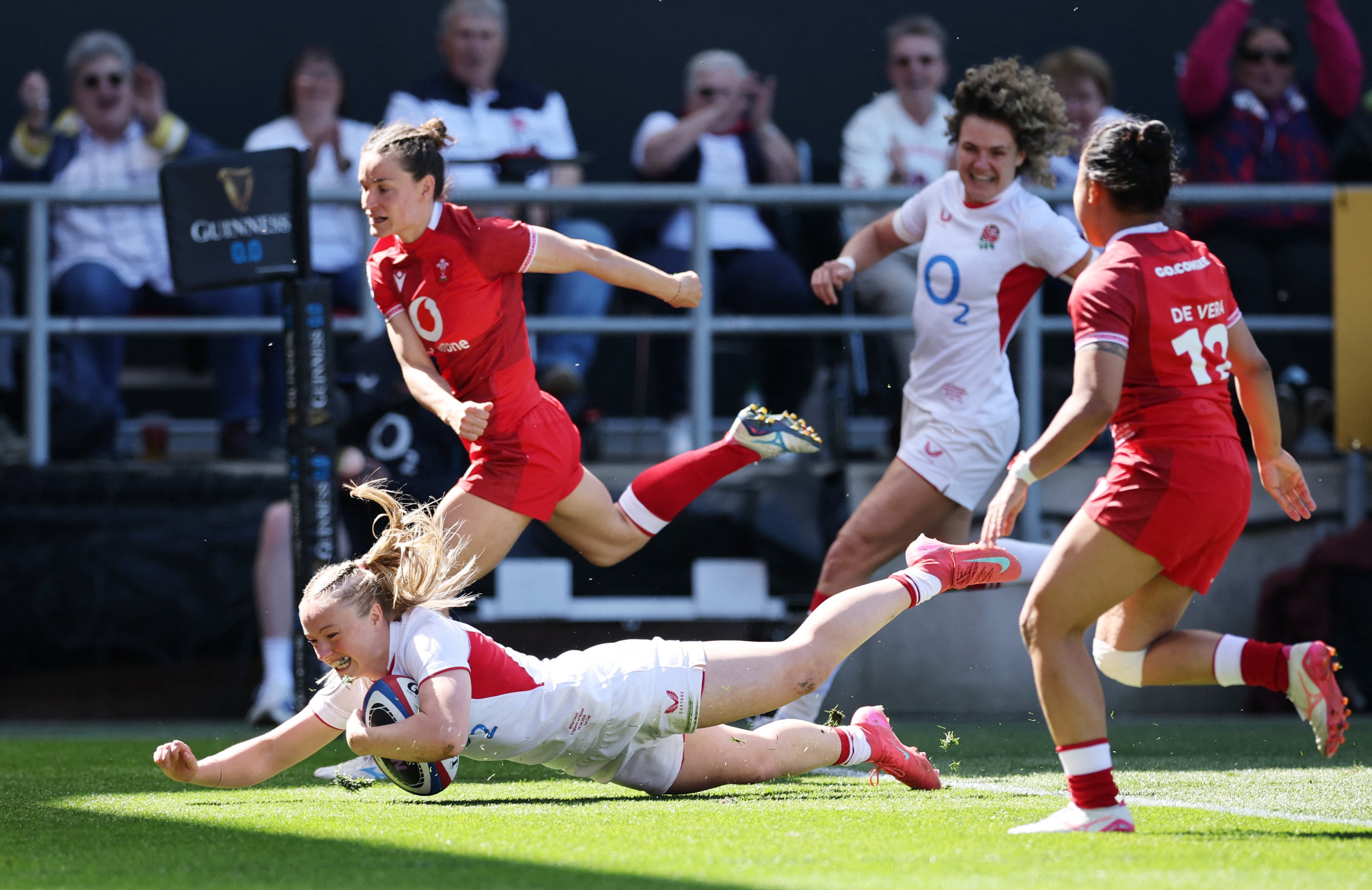
Wales, to their credit, stuck at it, keeping their discipline if not always their defensive solidity. Keira Bevan and Kelsey Jones provided two nicely taken tries to break up the flow of English scoring, yet five tries were still celebrated by a close-to-capacity home crowd before the interval. Two, perhaps unsurprisingly, were provided by their Cardiff-born captain, the second a score of immaculate construction involving just about the entire backline and sparked by her own right-to-left pass.

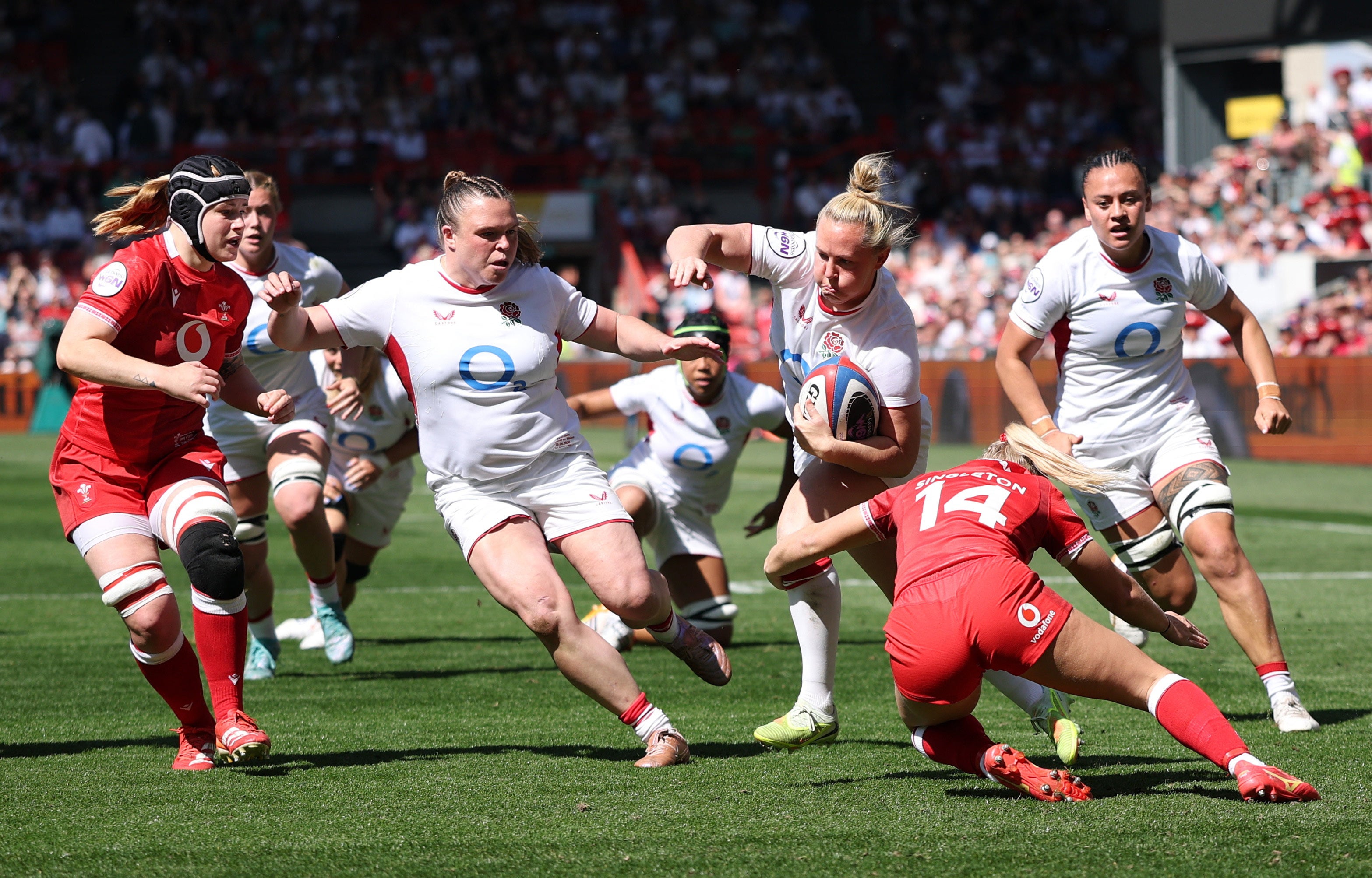
Marlie Packer also chipped in, the veteran suddenly looking a figure of renewed centrality within the England pack. Some had wondered if this might be something of a farewell tour for the 36-year-old, but there is precious little experience around her within the back five of the forward pack, and her performance levels remain high. “Her tenacity is unmatched,” skipper Jones said as a predecessor. “She’s got this natural competitive edge that you can never coach. She wears her heart on her sleeve, and from a leadership point of view, she’s been exceptional for me. She knows the pressure that comes with this role.” Mitchell may need her at her best in France in round five.

Of course, that depleted depth may not prove an inhibiting factor on England’s ambitions of an eighth straight title. The second-half surge here brought tries for Amy Cokayne, Claudia Moloney-MacDonald, Jess Breach, Maud Muir and a second for Packer to take England past the 50 mark.
It felt tough on a Wales team who had battled hard. Captain Bethan Lewis and replacement Seren Lockwood ensured they snatched a late bonus point, and their best ever tally against England. Sean Lynn has experienced being at the helm of a women’s rugby winning machine; the Wales head coach is increasingly aware of how it feels to be on the other side of an unequal playing field.

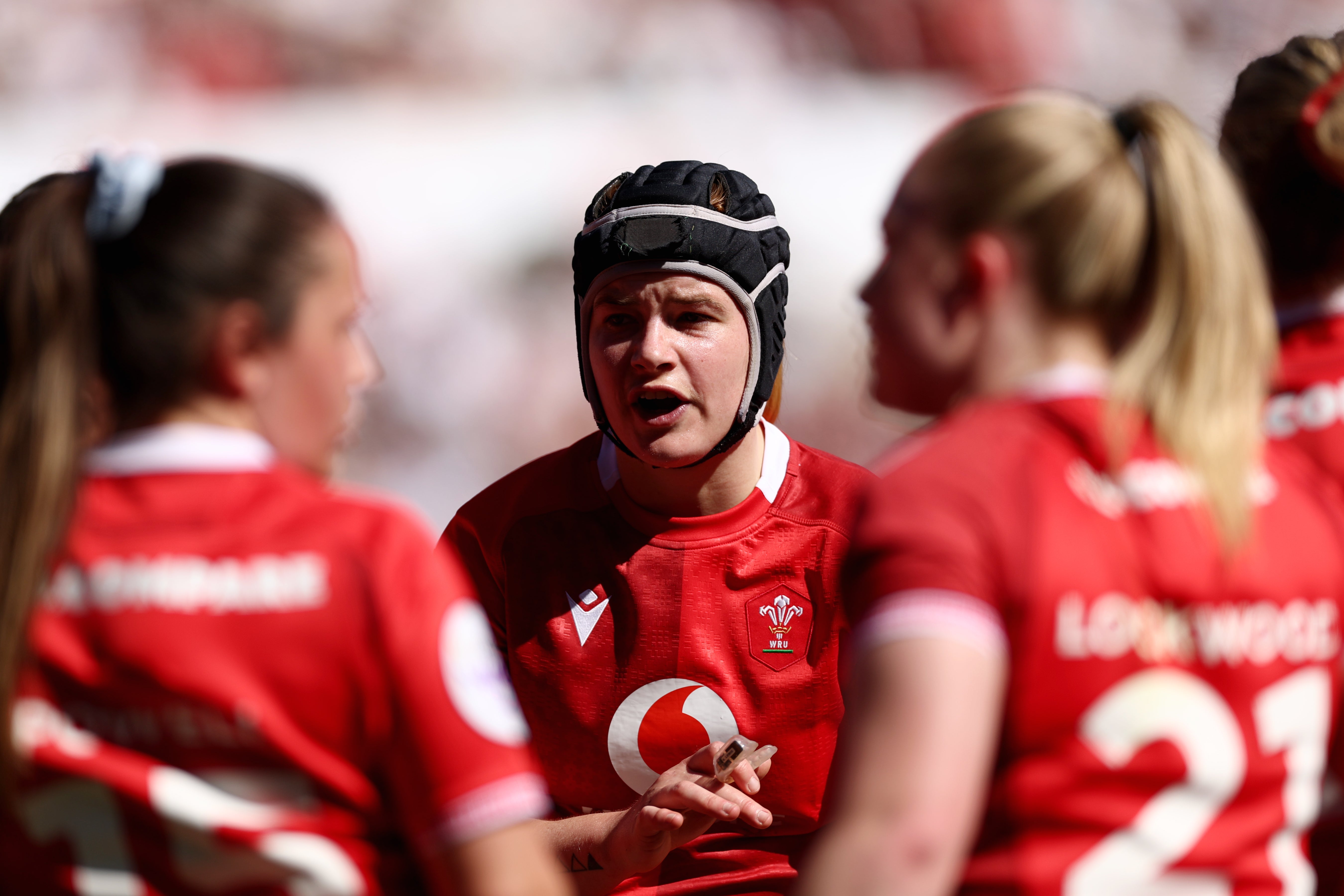
Under Lynn’s leadership, Gloucester-Hartpury won three consecutive Premiership Women’s Rugby (PWR) titles before the boss answered his country’s call – his coaching qualities are not in question, but Wales are still seeking a first Women’s Six Nations win under the head coach. There were plenty of positives to take here, though, with Bevan and Kelsey Jones first-half beneficiaries of some nice lineout variety inside the English 22. After the fallow week comes a trip to Belfast and an improving Ireland, who will offer a good gauge of where Wales are. “This experience is just going to help our youngsters,” Lynn stressed.


