


Elon Musk’s rocket and spacecraft manufacturer, SpaceX, has made history by pricing the largest-ever U.S. initial public offering at $135 per share, instantly catapulting it into the rank of the world’s most valuable companies.
The monumental offering raised a record $75 billion from the sale of 555.56 million shares, valuing the space, satellite, and AI provider at an unprecedented $1.77 trillion for an initial offering.
This pricing culminates months of effort, realizing one of Musk’s most ambitious projects, even as it challenged several financial traditions.
The move has prompted some analysts to question whether its lofty valuation is truly justified. Despite reporting losses last year and its revenue being significantly outpaced by other mega-cap firms, SpaceX is set to rank seventh among U.S.-listed companies when its shares commence trading on the Nasdaq on Friday.
The company’s valuation now surpasses that of diverse giants such as JPMorgan Chase, Berkshire Hathaway, and Eli Lilly, as well as tech behemoths like Meta Platforms and Musk’s own Tesla.
Adam Sarhan, chief executive of 50 Park Investments in New York, commented on the market’s likely reaction, stating, “The real test will be how the market digests the IPO over the next several weeks, not just one day. The pricing came in just about right – not too hot, not too cold. Clearly retail investors are buying and, at this stage, they are a big component of this. We need to see follow-through after the first day of trading.”
The communication of the IPO price itself deviated from standard practice. SpaceX announced the price just after 3 p.m. EDT, while U.S. markets were still open, via a “free-writing prospectus” filed with the Securities and Exchange Commission, followed by a press release half an hour later.
Typically, such announcements occur after the 4 p.m. market close to mitigate the impact of macroeconomic or news events on share sales.
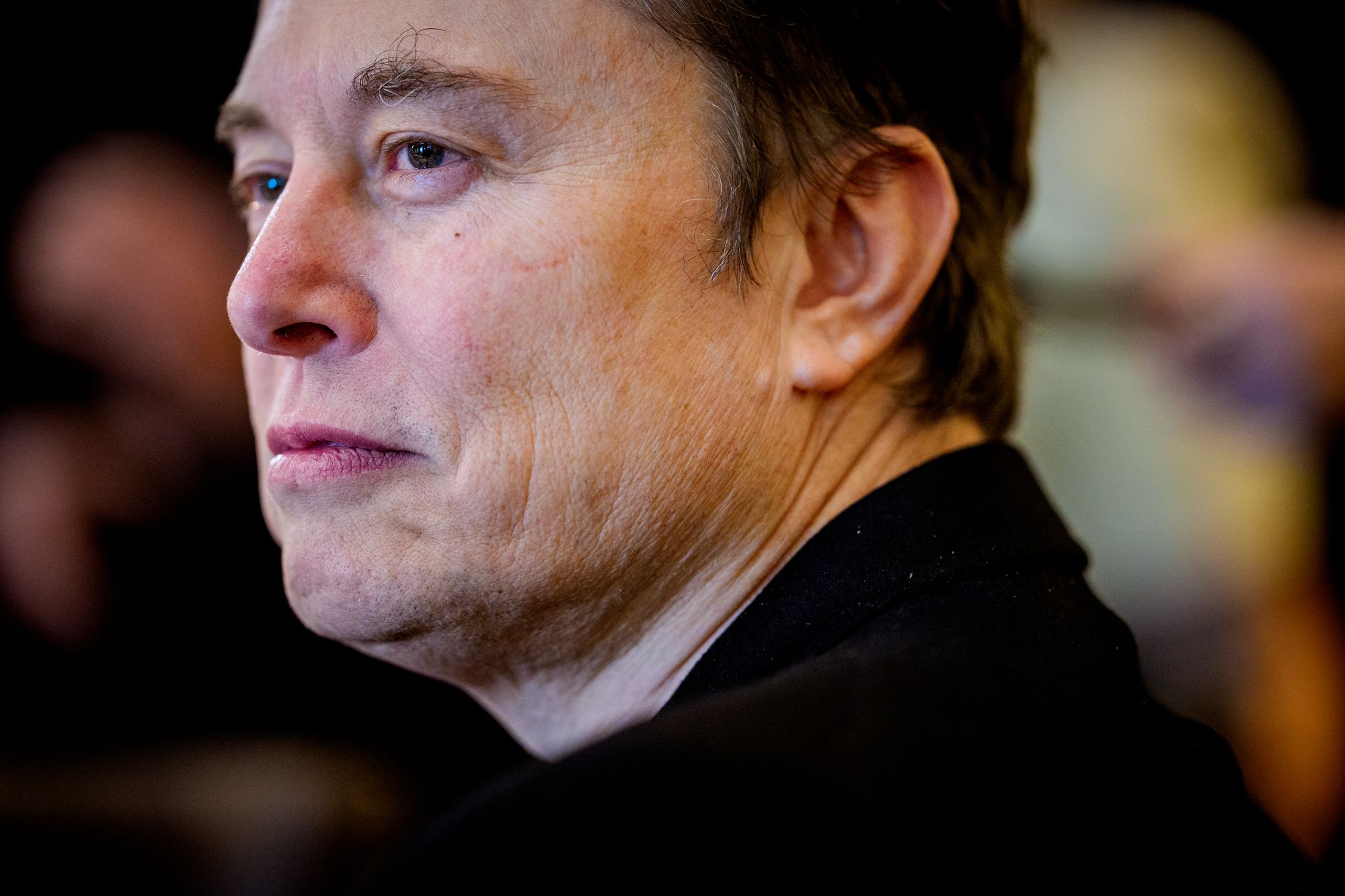
This unconventional timing is the latest example of Musk orchestrating a major Wall Street debut on his own terms. SpaceX allocated an unusually large 30 percent of shares to retail buyers and determined the offering price before the traditional roadshow, which bankers and investors typically use to negotiate IPO terms.
Rick Meckler, partner at Cherry Lane Investments in New Vernon, New Jersey, noted, “The SpaceX pricing is really in uncharted territory. I’ve never seen the price announced instead of the normal process of price discovery based on orders. There’s such an emphasis on retail which is probably a little indifferent to the pricing.”
Musk also pushed for early index inclusion and structured the company’s governance to ensure strong founder control, retaining 82 percent of SpaceX’s voting power post-IPO.
The U.S. IPO market is poised for a significant rebound this year, with Goldman Sachs forecasting proceeds could quadruple to a record $160 billion by 2026, driven by a pipeline that includes not only SpaceX but also artificial intelligence companies OpenAI and Anthropic.
SpaceX, founded in 2002, defines its mission as “to build the systems and technologies necessary to make life multiplanetary, to understand the true nature of the universe, and to extend the light of consciousness to the stars.”
The company claims a market opportunity spanning $28.5 trillion, which it calls the largest in human history. Its space operations have been responsible for over four-fifths of the mass launched into orbit in the past three years, while its Starlink internet unit connects “millions of consumer, enterprise, and government customers across 164 countries, territories and other markets,” accounting for most of SpaceX’s revenue.
While its xAI venture is often seen as trailing competitors like OpenAI and Anthropic, SpaceX asserts that the combination of its AI computing infrastructure, its model, and access to real-time data on X “creates a significant strategic advantage.”
However, skepticism remains regarding the company’s financial outlook. Kim Forrest, chief investment officer at Bokeh Capital Partners in Pittsburgh, observed, “The financial forecasts are uncertain, because of the reliance on large amounts of government contracts.
People buying the stock are buying into the future and mankind escaping the Earth – not really investing in a company.”
The immense valuation also faces challenges from rivals such as Jeff Bezos’ Blue Origin, which is accelerating its efforts to commercialize space and secure government contracts, aiming to unlock new markets beyond Earth. Goldman Sachs, Morgan Stanley, BofA Securities, Citigroup, and J.P. Morgan served as joint book-running managers for the offering.