The deadly Ebola virus can remain unnoticed in recovered patients’ nervous system, and relapse months or even years later to start a new outbreak, scientists warn in a new study.
Ebola is one of the deadliest viruses in history, capable of killing 90 per cent of infected people, and recurring outbreaks have so far claimed a total of over 28,000 lives.
Previous studies have shown that survivors of acute Ebola infections can sometimes suffer relapses or develop inflammation months or even years after recovery.
Scientists have for long suspected that the virus had the ability to hide out in certain regions of the body where the immune system is deliberately restrained from conducting surveillance to protect vulnerable tissues.
Now, a new study using lab-grown mini brains has found that the virus can hide out inside cerebral tissue away from the immune system’s surveillance mechanism.
The Ebola virus could also infect the brain’s resident immune cells, astrocytes and microglia, researchers found.
Immune system-related molecules produced within the lab-grown brain models could not clear the Ebola virus from samples, they found.

The latest findings indicate that current treatments may not eliminate the virus completely from the body.
“This observation is consistent with the fact that some Ebola virus disease survivors develop inflammation of the eye, meninges, or brain months after infection with Ebola virus,” said César Muñoz-Fontela, an author of the study published in the journal Nature Microbiology.
Researchers also confirmed a prevailing theory that the virus survives in the body in a mutated, weakened, but long-lasting form.
They found defective viral genomes in late-stage persistently infected lab-grown brain models.
“Many of these mutations had been proposed to reduce or prevent viral replication in naturally occurring infections,” said Gustavo Palacios, another author of the study.

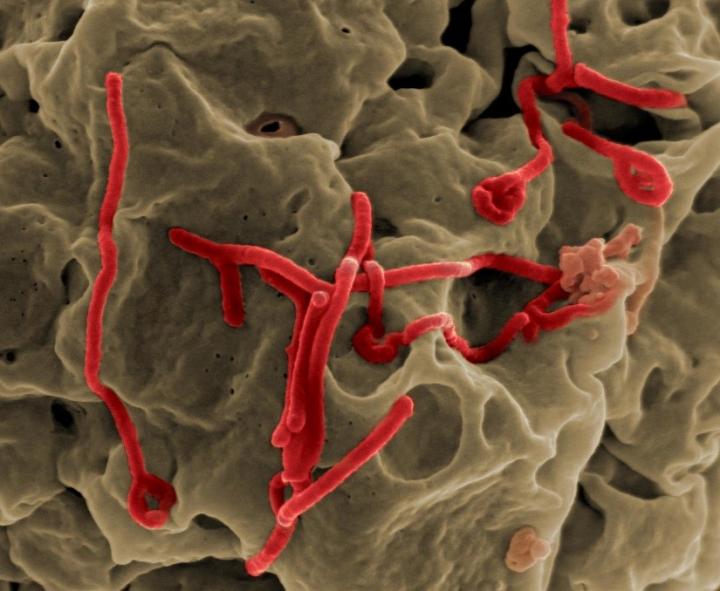
Scientists hope to conduct more studies to determine whether these mutations actually lead to persistence of the Ebola virus and its filovirus family of viruses in human patients.
“Further studies are now important to investigate the long-term interactions between virus and host, expanding our studies towards less-studied filoviruses like Reston, Taï Forest, Bombali, and Bundibugyo virus, and to deepen our understanding of filoviral persistence mechanisms,” Dr Palacios said.
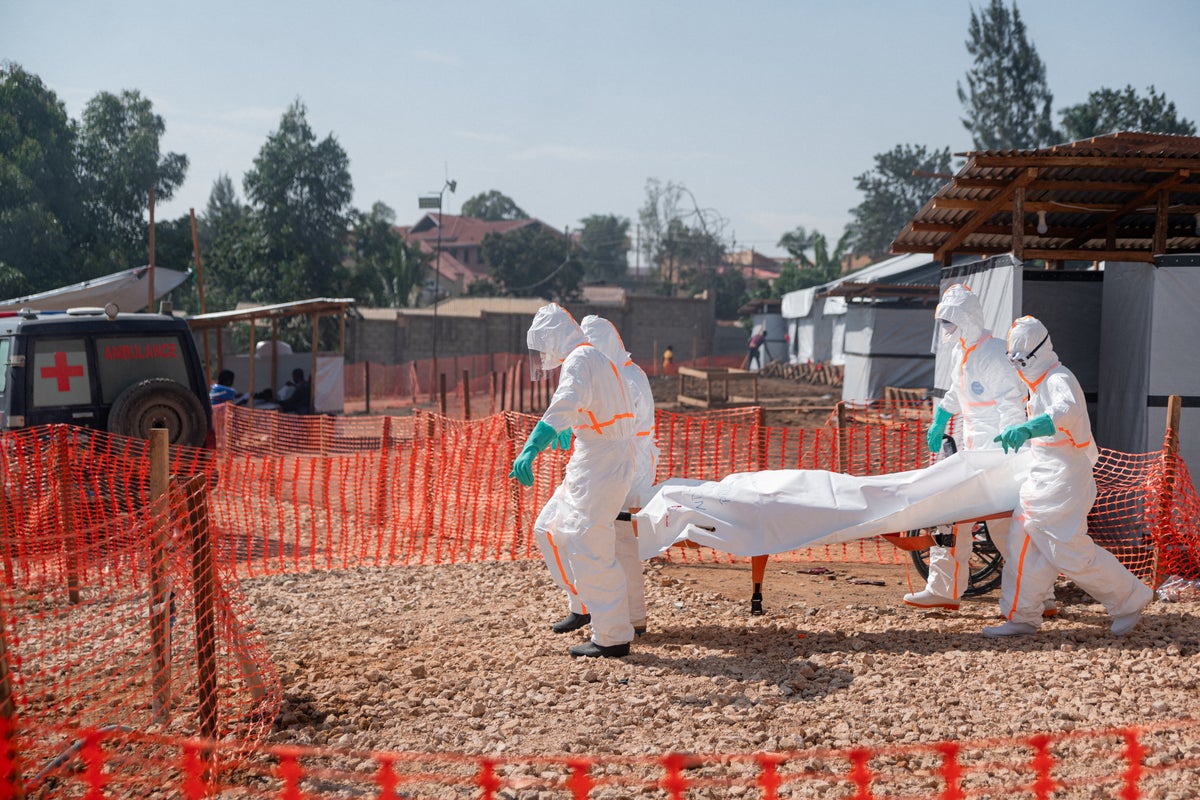
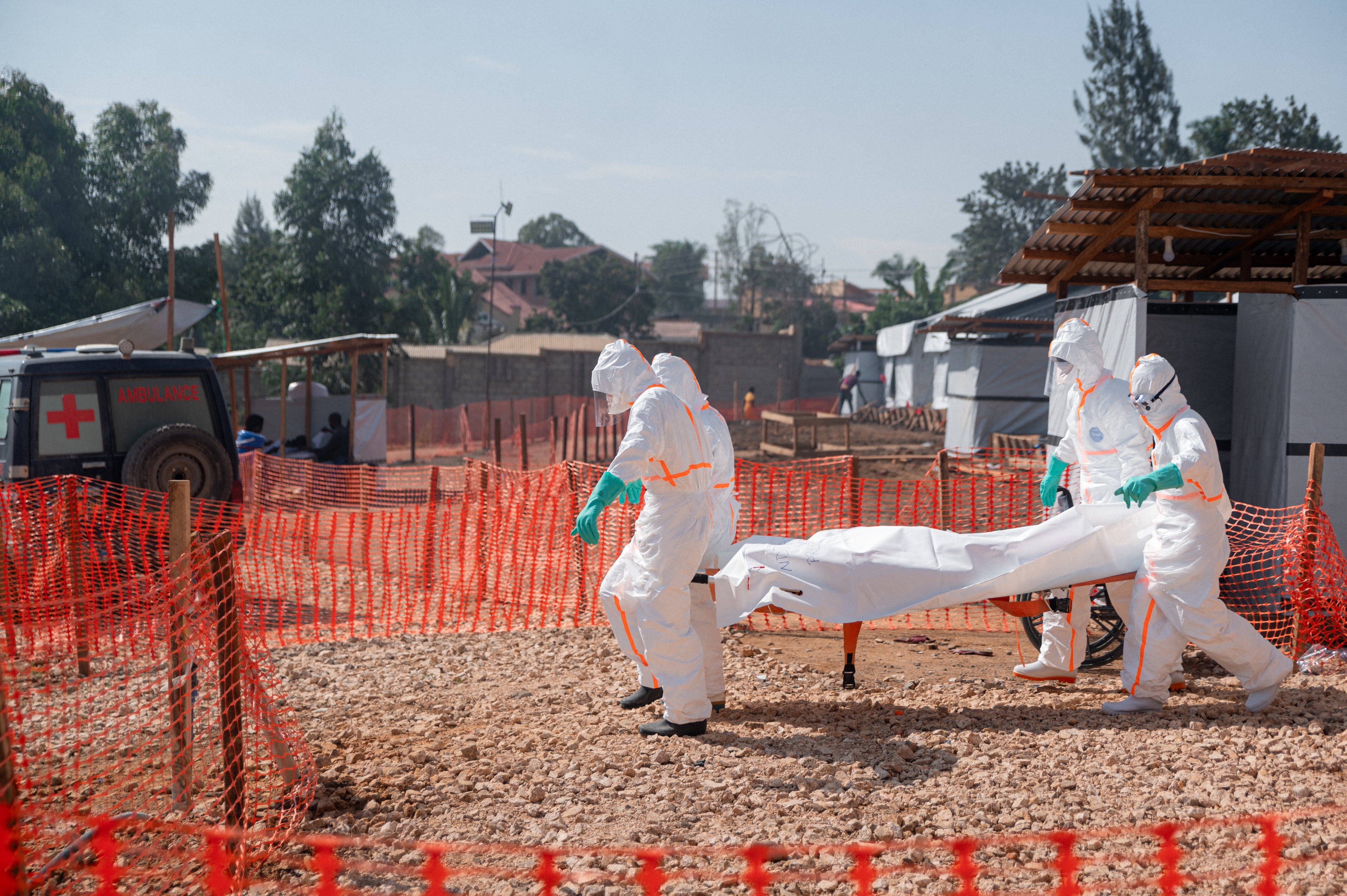
The study comes amid an ongoing Ebola outbreak in Africa, with nearly 200 deaths and hundreds of cases reported in the Democratic Republic of the Congo (DRC), and a growing number of cases identified across the border in Uganda.