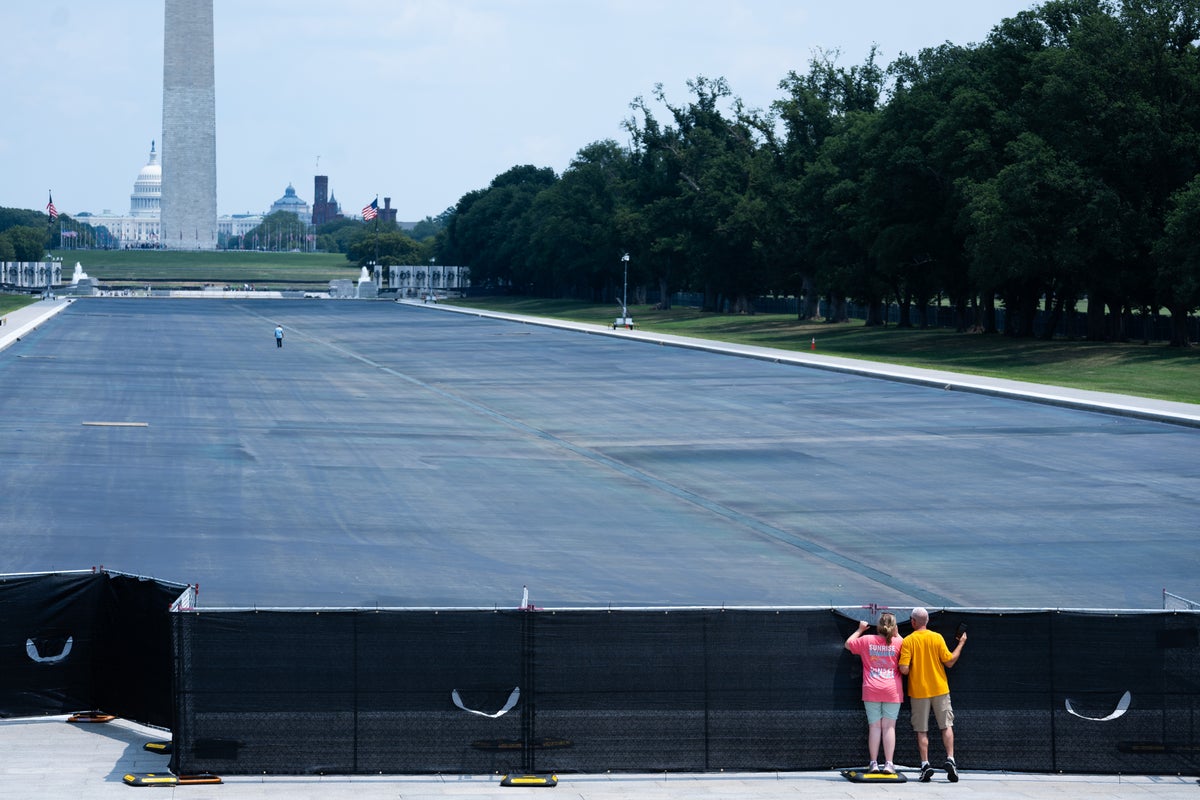


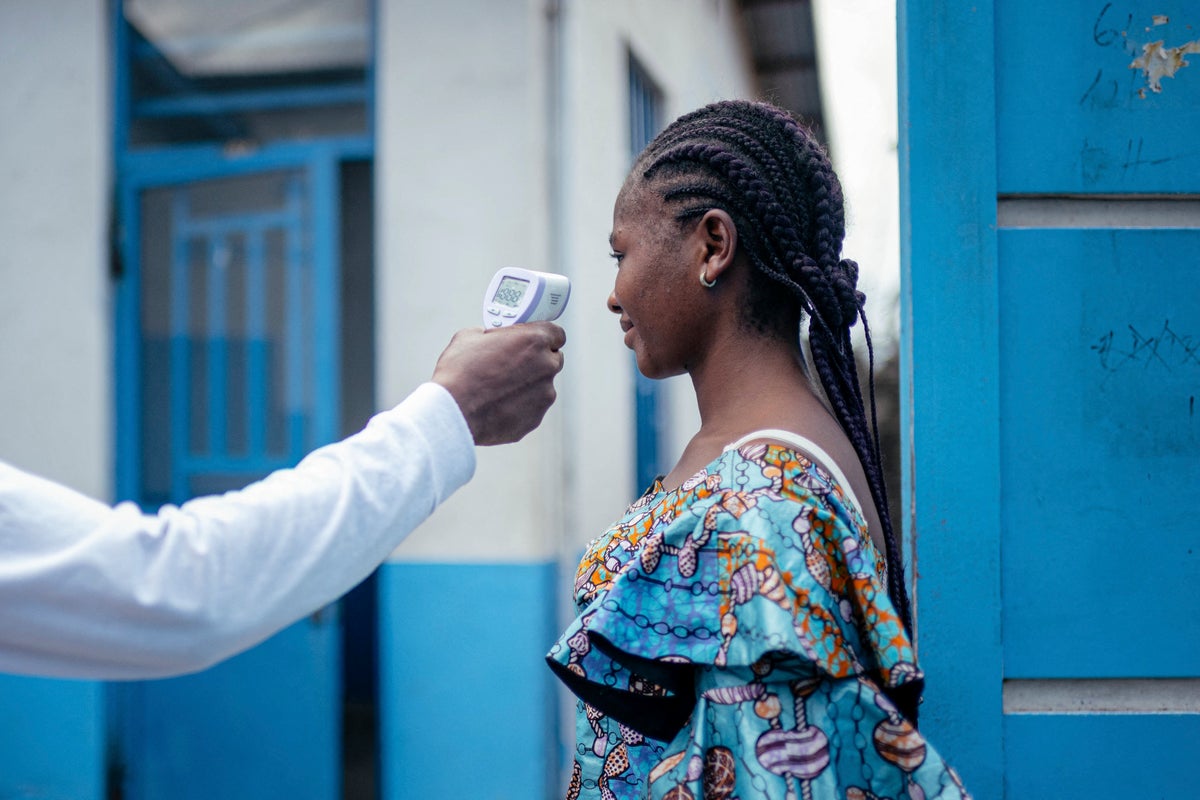
The United States is implementing a 30-day travel suspension for people arriving from the Democratic Republic of Congo, Uganda and South Sudan as global concerns mount over a new Ebola outbreak in central Africa.
The Centers for Disease Control and Prevention confirmed the measure Monday even as it assured Americans that the immediate risk remains low. The CDC issued an order halting the entry of travellers who have been in the DRC, Uganda, or South Sudan within the past 21 days, irrespective of their country of origin.
This directive follows a declaration by the World Health Organization of a public health emergency in eastern DRC, where medical personnel are battling the outbreak.
The emergency was prompted by fears of wider spread after two cases were confirmed in neighboring Uganda, with the outbreak suspected to have claimed approximately 80 lives in recent weeks.
The new restrictions, effective for 30 days, do not apply to U.S. citizens, U.S. nationals, lawful permanent residents, members of the U.S. military, government personnel overseas, or their spouses and children.
Other exceptions include individuals deemed exempt by customs officers and non-citizens approved for entry by the Department of Homeland Security.
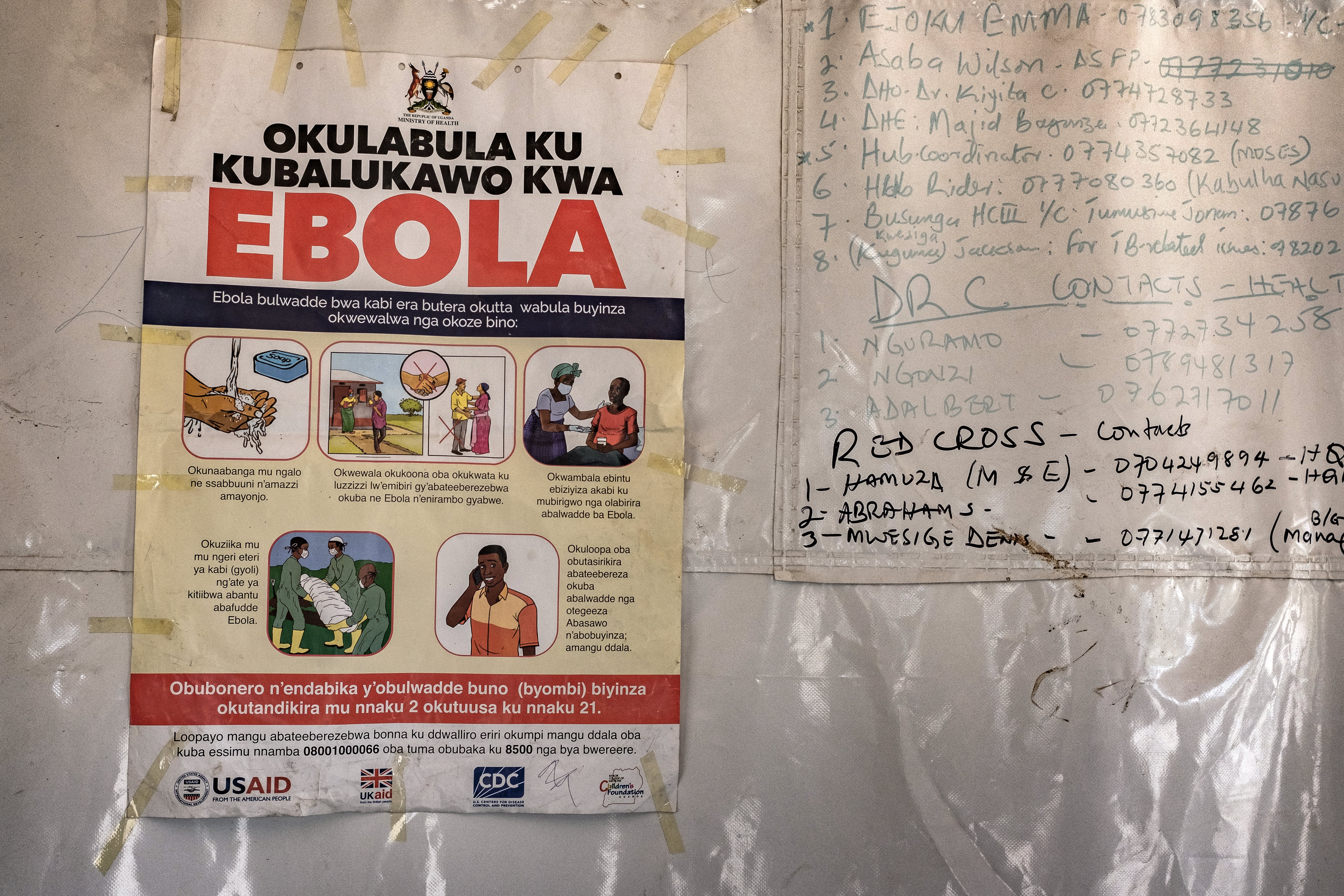
The CDC wrote, “The risk of Bundibugyo (Ebola) virus disease introduction into the United States is heightened by the virus’ incubation period, which can extend up to 21 days, allowing infected individuals to travel internationally while asymptomatic and therefore unlikely to be detected through routine symptom-based screening measures.”
The order was issued under Title 42, a U.S. public health law empowering federal authorities to bar migrants to prevent contagious disease spread.
Beyond the travel ban, the agency will enhance screening and monitoring for travelers from affected regions, bolster contact tracing, increase laboratory testing capacity, and improve hospital readiness nationwide. It will also coordinate with airlines and port-of-entry officials to identify and manage potentially exposed travelers.
The CDC affirmed its continued deployment of personnel to support containment efforts in affected regions.
“At this time, CDC assesses the immediate risk to the general U.S. public as low, but we will continue to evaluate the evolving situation and may adjust public health measures as additional information becomes available,” the agency said.
The CDC says symptoms of Ebola disease may appear two to 21 days after contact with the virus. People typically begin showing symptoms eight to 10 days after exposure. At first, symptoms are generic and are known as “dry” symptoms.
Dry symptoms include:
- Fever
- Aches and pains in the muscles and joints
- Severe headache
- Weakness and fatigue
- Sore throat
After four to five days of illness, patients can progress to “wet” symptoms as they become sicker.
Wet symptoms include:
- Loss of appetite
- Unexplained bleeding
- Gastrointestinal symptoms
- Nausea
- Abdominal pain
- Diarrhea
- Vomiting
Other symptoms may include chest pain, shortness of breath, confusion, red eyes, skin rash, hiccups and seizures.


-and-Peter-Johnstone-in-1987.png?trim=34,0,36,0&width=1200&height=800&crop=1200:800 "‘I investigated one of Britain’s most notorious missing person cases – I never gave up’ – UK Times")