.png?trim=0,0,0,0&width=1200&height=800&crop=1200:800 "Over 150 cruise guests and crew sick after norovirus outbreak – UK Times")


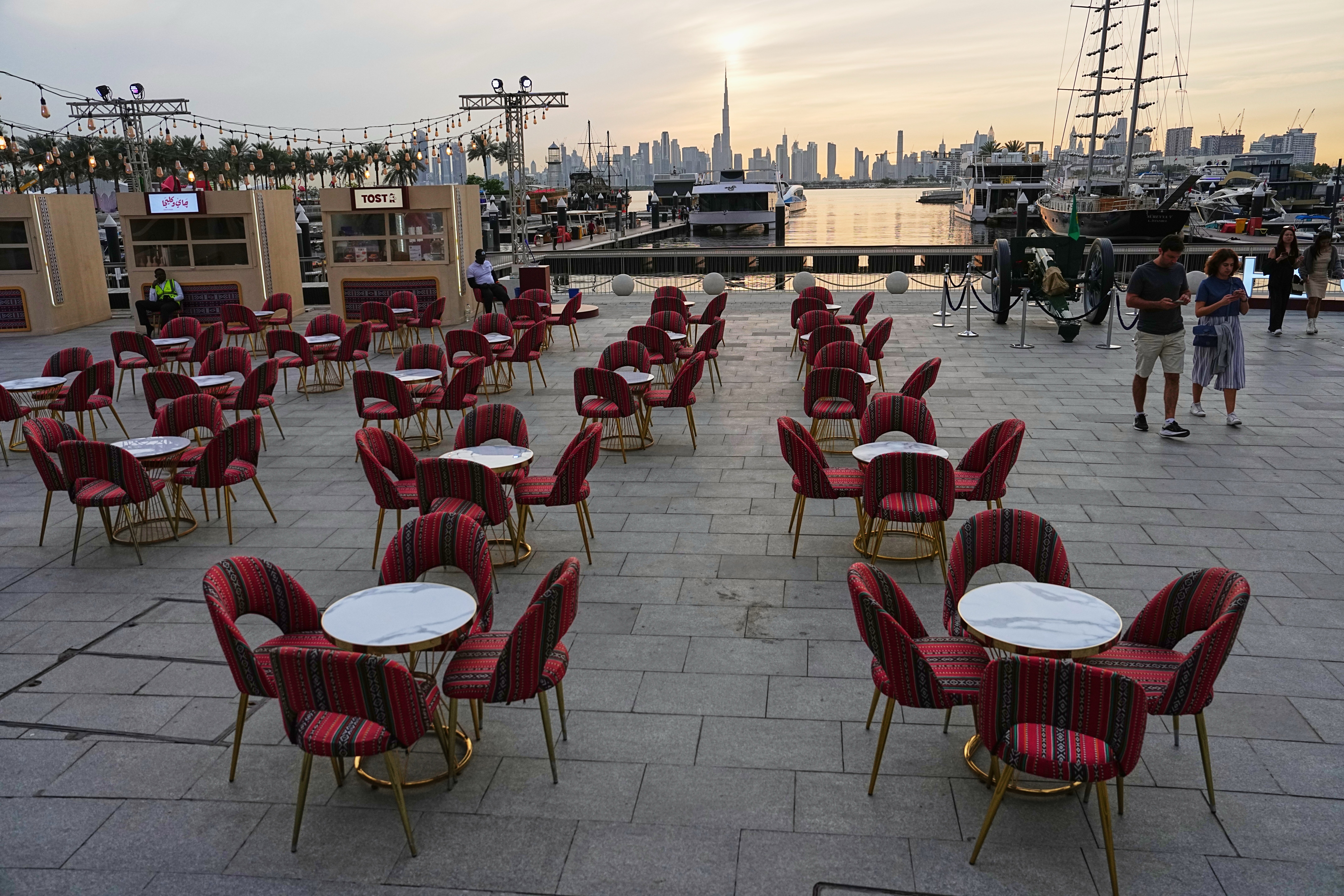
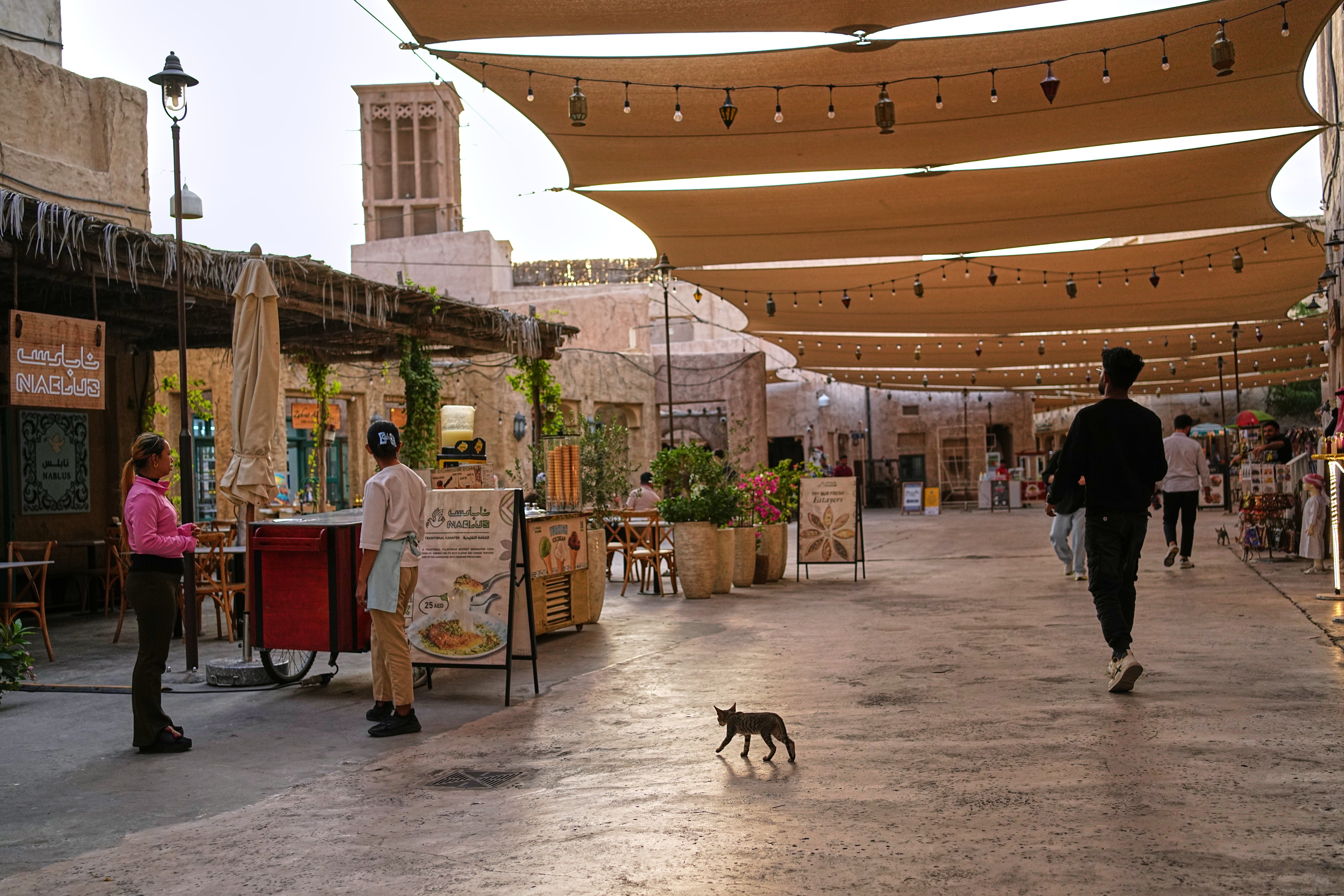
Dubai, typically a bustling hub during its peak tourism season, is experiencing an uncharacteristic quietness across its renowned markets, beaches, and waterfront promenades.
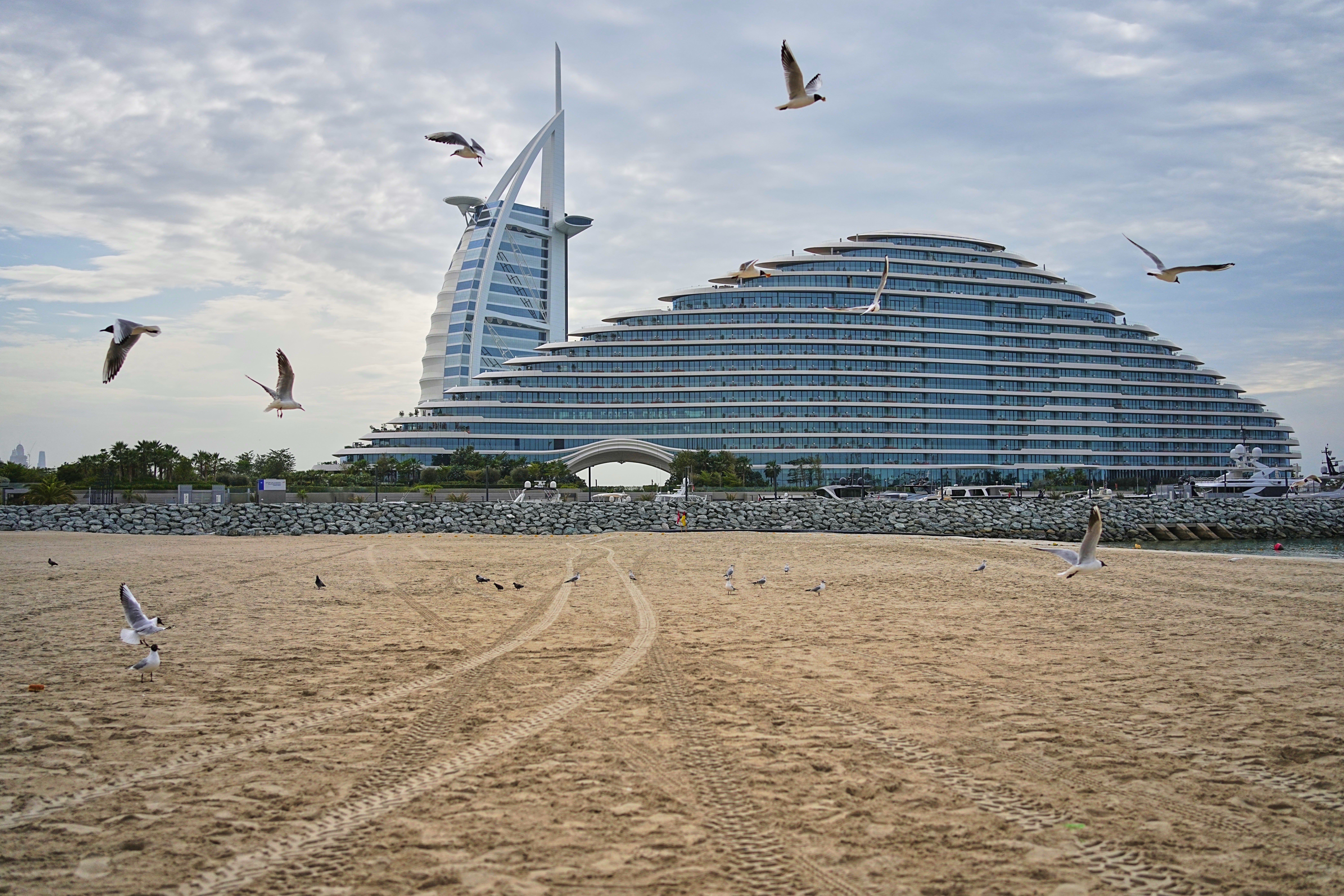
The vibrant energy usually found in places like the Al Seef waterfront market along Dubai Creek and the shores near luxury hotels such as the Burj Al Arab has significantly diminished.
The downturn is a direct consequence of the spillover from the Iran conflict, which has disrupted air travel across the Middle East.
Iranian drone and missile attacks targeting sites within the United Arab Emirates have tarnished the United Arab Emirates’ reputation as one of the region’s safest destinations.
The result is a landscape of near-empty markets, quiet restaurant terraces, and sparsely visited beaches, as Dubai’s vital tourism sector grapples with the ripple effects of wider instability.
The Foreign Office has warned against all but essential travel to the United Arab Emirates, saying that the regional escalation poses significant security risks.

“Stay away from areas around security or military facilities and US or Israeli government facilities,” its advice says.
“Iran continues to strike civilian infrastructure across the region such as hotels, roads, bridges, energy facilities, financial institutions, oil production sites, water systems, and airports.
“Follow the instructions of the local authorities and monitor local and international media for the latest information.”

There are a limited number of commercial flights out of the United Arab Emirates, as many airlines have cancelled flights to and from the Middle East amid the growing crisis.
“If your presence in UAE is not essential, you may wish to consider departing – if you judge you can access these options safely,” the Foreign Office says.
“Travel within or out of UAE is at your own risk.”

Dubai’s air defences have faced down more than 260 ballistic missiles, 15 cruise missiles and 1,514 drones, according to the Ministry of Defence.
As of 10 March, the UAE’s defence system had intercepted more than 90 per cent of all projectiles.
However, some have nonetheless gone on to strike targets in the country’s most populous city.