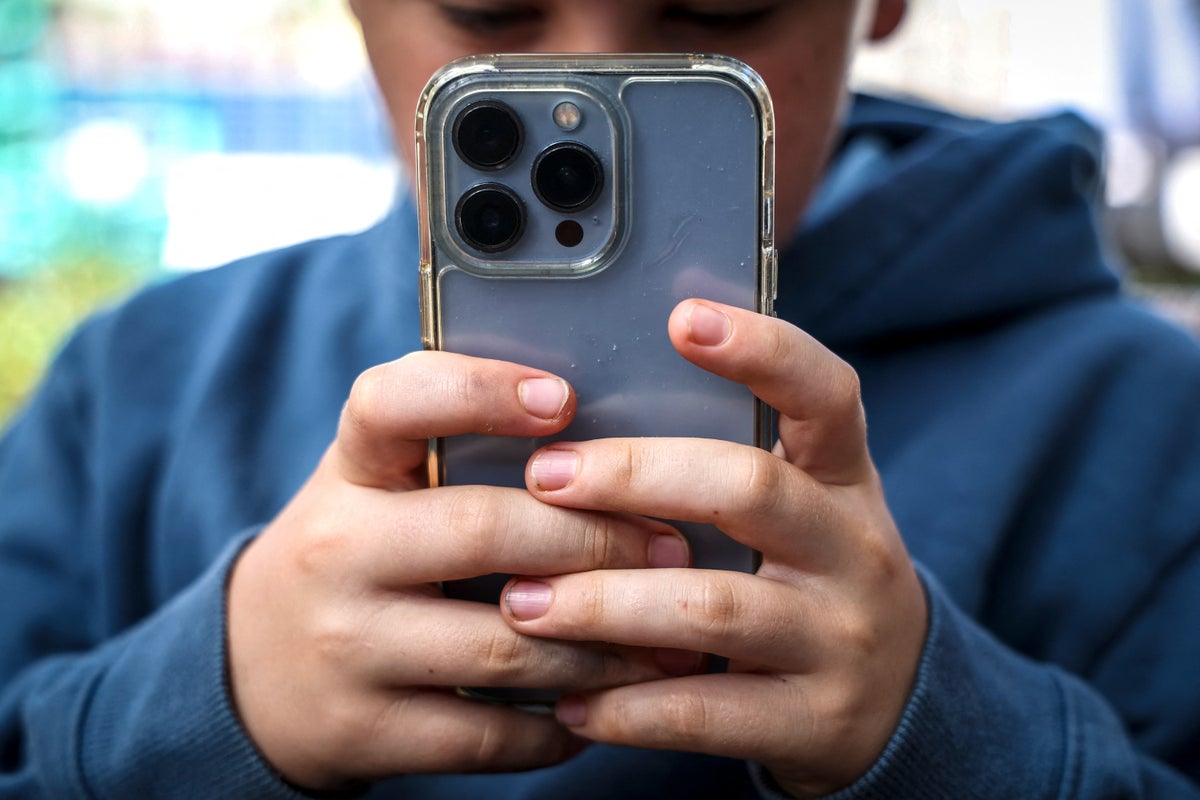
Is the time teenagers spend on social media really damaging their wellbeing and mental health? Around the globe, youth mental health problems are on the rise. This has coincided with an ever-increasing amount of time teenagers spend on platforms such as TikTok, Instagram, X and Snapchat.
In the public discourse, at least, this correlation has been interpreted to mean one thing: social media damages the mental health of our young people. But what does the evidence actually say?
Unfortunately, the scientific community has been unable to provide a definitive answer. Many studies report on the negative effects social media use has on teenagers. Many others provide evidence of the positive effects, or even highlight no effects at all. The evidence base is mixed and inconsistent.
For instance, one recent study followed more than 100,000 Australian adolescents for three years. It found that moderate social media use was associated with positive wellbeing outcomes. Another large-scale study highlights the positive relationship between adolescent self-esteem and using social media for social support.
By contrast, other research has found a consistent link between social media use and poorer mental health outcomes for adolescents, particularly for girls.
Further adding to the complicated picture, other studies conclude that the link between social media and adolescent wellbeing is weak and cannot be considered clinically relevant.
Looking at the variables
In my own recent research, I used a method called specification curve analysis (SCA) to analyse a publicly available lifestyle dataset of nearly 3,000 15- and 16-year-olds living in the west of Ireland. SCA is a computational method which reveals the associations between all theoretically relevant variables in a dataset.
For example, my study assessed the links between the time teenagers spend on social media each day and a range of outcomes such as self-esteem, perceived stress, anxiety, depression and diet, as well as their physical activity and sleep quality.
When all the combinations of relevant variables are considered, more than 50,000 different pathways linking social media to teenage health outcomes were assessed in my study. Below is the specification curve relating the amount of time those teenagers spend on social media to their health behaviour.

The blue dots represent a combination of variables which suggest the association between social media time and health behaviours is beneficial, and that association is statistically significant. The red dots represent variable combinations where the association is negatively correlated with more social media time. The grey dots are combinations where the relationship between social media time and health behaviours are not statistically significant.
For example, when we look exclusively at the amount of time teenage boys in this dataset spend on social media, and the amount of time they spend engaging in physical exercise, the correlation is positive, hence a blue dot. More time on social media equals more time doing physical exercise.
However, when ethnicity and family wealth are removed as control variables from the analysis – meaning the data is no longer adjusted for these differences – then that statistical connection disappears, hence a grey dot. When all control variables are removed, such as age, ethnicity, school grade and family wealth, the relationship between social media and physical activity for boys becomes negative and statistically significant: a red dot. Essentially, looking at the same data in different ways produces different results.
When all possible associations are considered, the overall finding from my study is that yes, time on social media is linked with poorer health outcomes for teenagers. In this graph, when all the possible ways of looking at the data are assessed, 64% suggest more time on social media is associated with poorer health.
However, the strength of those associations are small. When I compared these effects to other influences, such as feeling safe at school or having supportive parents, the effects of social media are quite modest. In fact, time spent on social media is one of the least powerful predictors of adolescent health in this dataset.
This challenges the popular narrative that social media platforms are the main culprits behind rising mental health problems. Indeed, a recent report from the US National Academies reached a similar conclusion: there’s no strong evidence that social media causes widespread harm.
While the results of my study align with this view, these results should be interpreted with caution and may not reflect the experience of all teenagers. There are risks associated with social media platforms for young people, and those do deserve attention. And importantly, if we conclude that the amount of time that teens spend online does not cause significant damage to their wellbeing, we also have to acknowledge that it does not enhance their wellbeing either.
If the goal is healthier, happier teens, interventions should target what really matters: safe school environments, strong family support and tackling bullying. The teenagers in my study reported spending an average of 2.5 hours per day on social media platforms. Reducing that time in favour of activities proven to enhance youth wellbeing – physical exercise, creative activities, volunteering – would be an effective way forward.