


The Democratic National Committee has released a long-withheld “autopsy” report examining the party’s failure in the 2024 presidential election, when Kamala Harris lost every swing state to Donald Trump following Joe Biden’s last-minute decision to withdraw from the race.
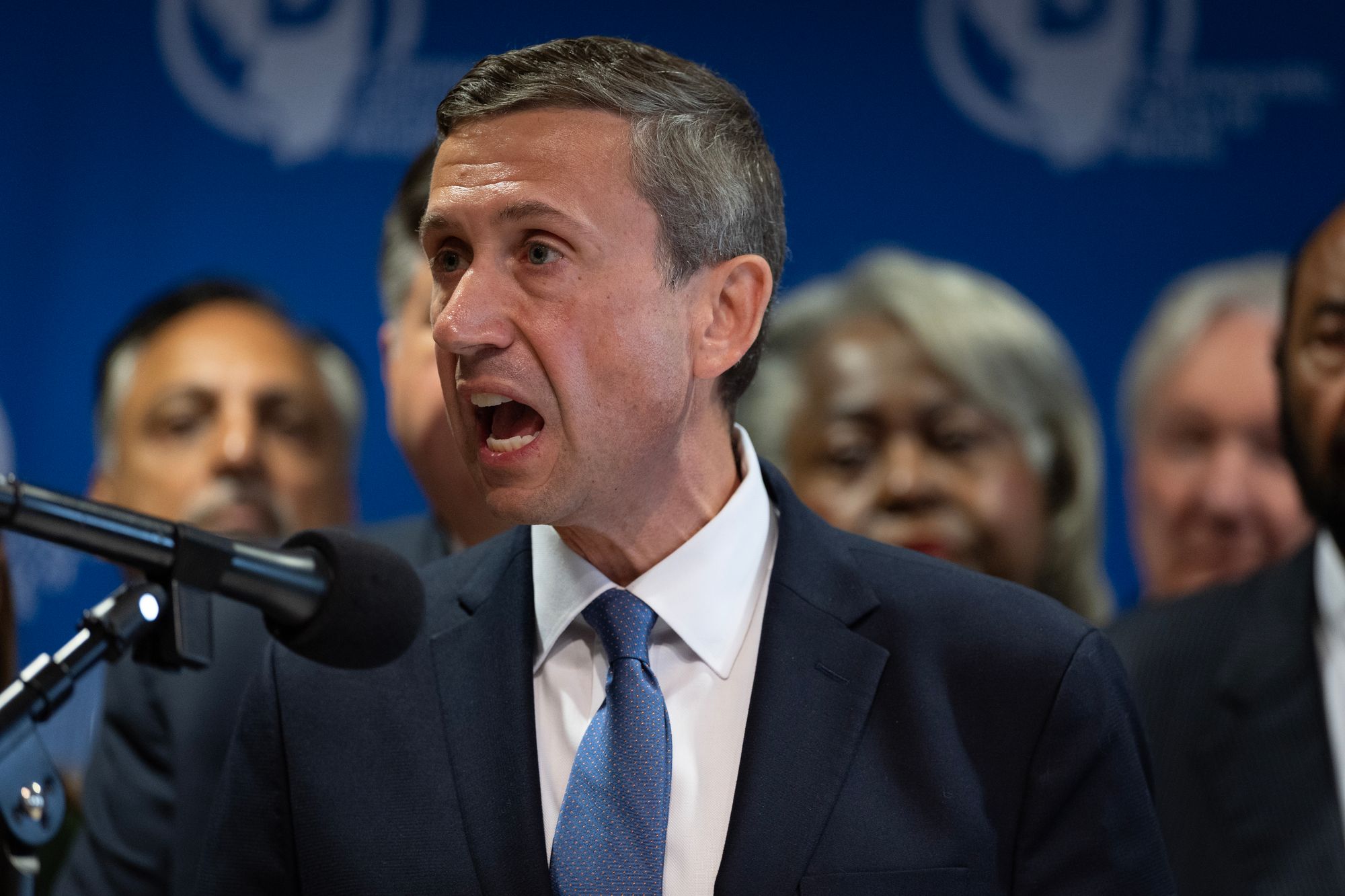
DNC Chair Ken Martin published the report Thursday, a move that marked a notable reversal from his earlier stance. In December, he had said he would not release the postmortem, dismissing it as a “distraction.”
“When I received the report late last year, it wasn’t ready for primetime. Not even close,” Martin said in a statement, adding that neither he nor the DNC endorses its conclusions even now.
“But transparency is paramount,” he continued. “So, today I am releasing the report as I received it – in its entirety, unedited and unabridged – with annotations for claims that couldn’t be verified.”
The 192-page document, constructed by hundreds of organizations and individuals, lays out a series of lessons to be learned from the party’s resounding defeat.
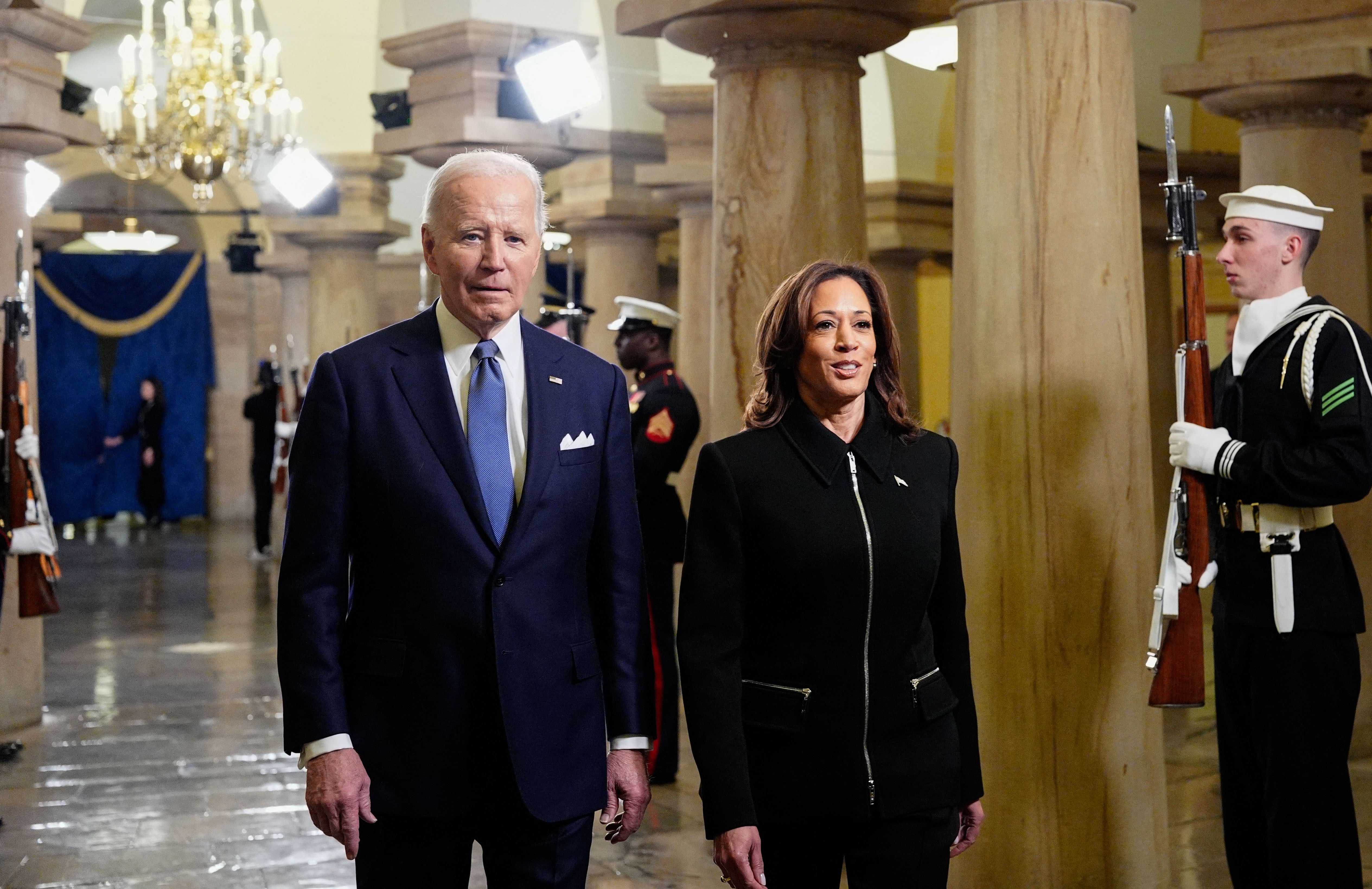
“The national campaign did not effectively drive Trump’s negatives, and the White House did not effectively support Vice President Harris over three and half years to improve her standing before the candidate switch,” the report said. “The retrospective job approval for Trump was too high and the campaign and allies failed to remind voters of his incompetence.”
The report argues that the Democratic Party fell short in appealing to male voters, observing that “the Harris campaign appears to have focused heavily on women.” It also criticizes the campaign’s approach to non-urban voters, stating bluntly that “Harris wrote off rural America, assuming urban/suburban margins would compensate.”
Harris also struggled to define herself beyond being the non-Trump option, it notes. But, Biden’s eleventh-hour decision to drop out — giving the Harris campaign just over 100 days to make a case — “didn’t help.”
“The Harris campaign appears to have relied on Trump being unacceptable rather than building an affirmative case for Harris. Base voters needed reasons to vote FOR Harris as well as against Trump,” the report read. “Without an effective contrast with a difficult (and unaffordable) status quo, the obvious contrast with Trump was not a sufficient motivator, especially since there was not sufficient negative messaging about how horrible Trump was (and still is) for and to most Americans.”
However, the released report was not complete as sections were missing. It also included several notes that the claims were not backed up by evidence, or contradicted in other parts of the report.
Further, the report addresses media strategy, warning that traditional avenues — including network television and newspapers — cannot carry a campaign alone. It states that “investments in legacy media” will not pay dividends with young Americans.
Under the “bottom line” section, the document states: “Elections remain winnable with the right candidates and strategies, even in difficult environments. Demographics are tendencies, not destiny, and voter support is impacted – good and bad – through campaign choices.”
“The late switch to Harris limited messaging and organizing options and produced predictable results. Down ballot Democrats who took different approaches performed significantly better. Defining the opponent works best if the candidate driving the message has already introduced themselves to voters through an effective framework,” the report stated.
Notably absent from the postmortem is any mention of Israel or Gaza — despite a February Axios report that the autopsy concluded Harris “lost significant support” over the Biden administration’s handling of the war in Gaza. In her memoir of the campaign, Harris wrote that Biden’s response to the war was “inadequate.”
In spite of her loss in 2024, Harris has recently expressed openness to running again in 2028. She told Reverend Al Sharpton last month: “I might. I am thinking about it.”
Early polling suggests she could be well positioned to win the Democratic nomination, though the primaries remain far off. A Harvard/Harris survey released this month found that 50 percent of Democrats support her running in 2028, compared with 22 percent for California Governor Gavin Newsom and 9 percent for Pennsylvania Governor Josh Shapiro.