
The Department of Defense announced on Friday a significant reduction in the number of religious affiliations it officially recognizes.
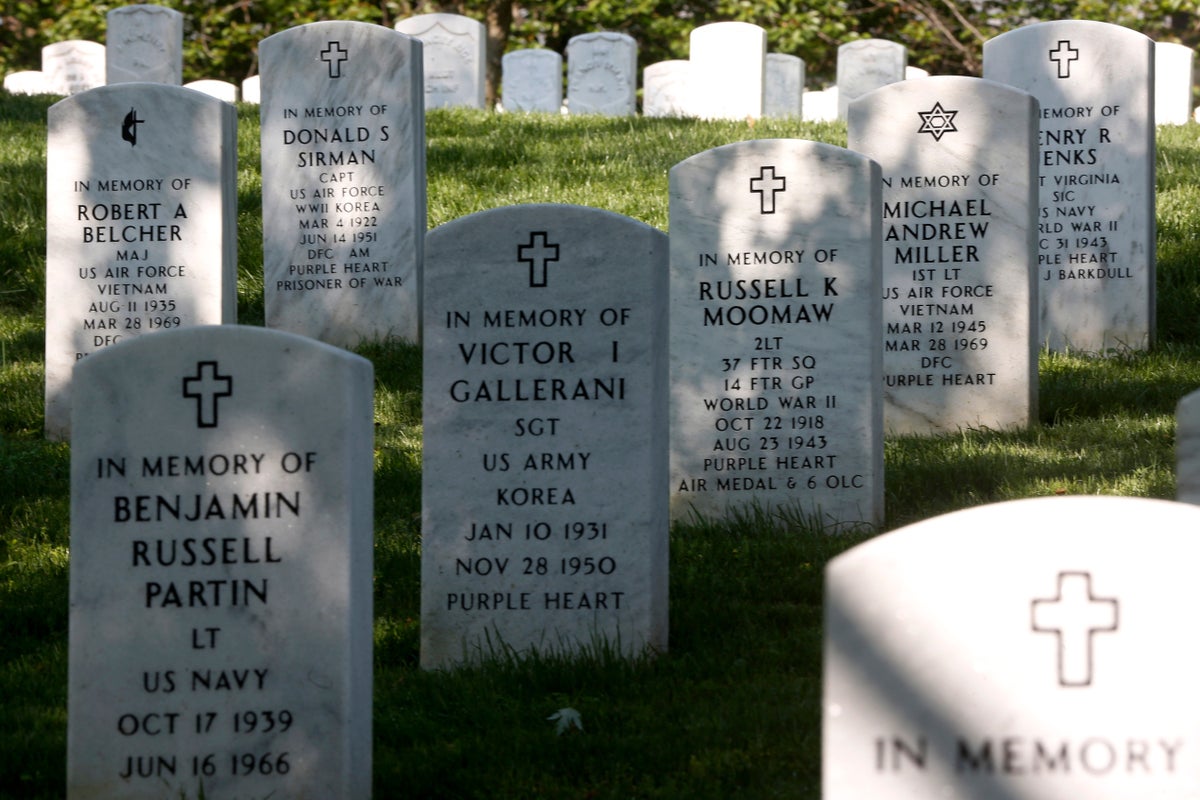
The new list of 31 is down from more than 200 previously recognized traditions that troops could choose from. The list no longer includes atheists, Unitarian Universalists, pagans and Wiccans.
“This decrease in religious affiliation codes is not designed to make any claims on the legitimacy of any faith or religious belief, nor is it intended to provide a list of ‘officially approved’ religions,” Pentagon spokesperson Sean Parnell said in a statement. “Rather, it is designed to allow chaplains to quickly look at the religious composition of their units and determine how they structure resources to best provide for warfighters of all faith groups.”
Parnell added the department values the free exercise of religion and chaplains facilitate service members’ “ability to freely exercise their religion of choice, or no religion at all.”
The list creates broad categories of some Christian traditions — Baptist, Presbyterian, Methodist — without specifying denominations within those traditions, which can span the theological and ideological spectrum.
Service members can choose to identify as “no religion,” “other religions” or agnostic. Also included are Buddhism, Islam, Judaism, Hinduism, Sikhism, the Baha’i faith and The Church of Jesus Christ of Latter-day Saints.
The Unitarian Universalist Association, which was cut from the list, said in a statement, “This may make it more difficult for our uniformed UUs to access the spiritual care that they need.” The denomination said it is working on a strategic response to support UU service members.
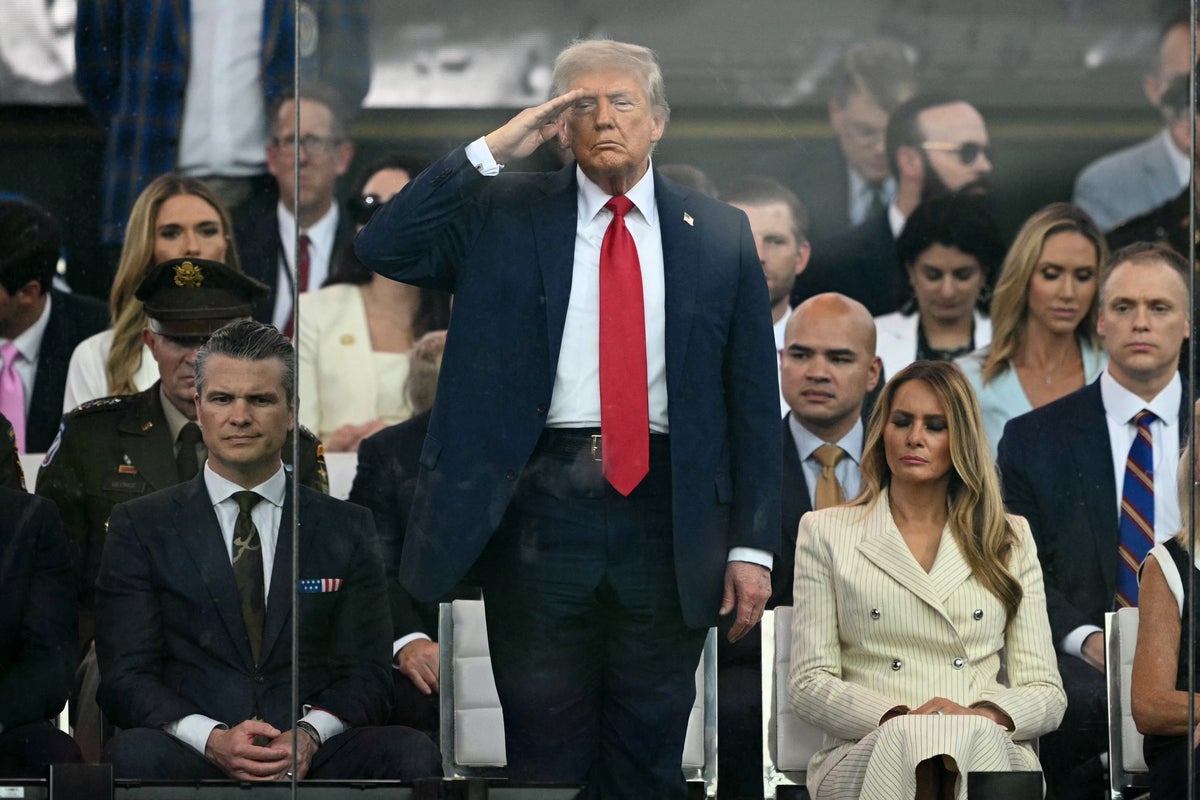
Defense Secretary Pete Hegseth has infused his evangelical Christianity with his leadership of the Pentagon, hosting worship services for employees and often speaking of the United States as a Christian nation.
He first announced the impending changes to the faith categories in December, saying the large number of faith codes had become unmanageable.
“Secretary Hegseth is not ‘streamlining’ anything. He is elevating one narrow religious worldview from the top of the chain of command,” said the Rev. Paul Raushenbush, a Baptist minister and head of the progressive Interfaith Alliance. “The First Amendment does not allow the government to create a hierarchy of faiths, and it certainly does not allow the Pentagon to decide which beliefs are worthy of recognition.”
The military is religiously diverse, and nearly 70% of troops identify as Christian, according to a 2019 congressional report. Almost a quarter of troops were listed as other, unclassified or unknown.
“As a member of a minority religion, I think it’s really important that we be counted,” said Irene Glasse, a pagan religious professional and Marine Corp veteran. “It erases us, and so many of us have served so proudly, so well, and so honorably.”
___
AP reporter Konstantin Toropin contributed to this report.
___
Associated Press religion coverage receives support through the AP’s collaboration with The Conversation US, with funding from Lilly Endowment Inc. The AP is solely responsible for this content.

.jpeg?trim=0,0,0,0&width=1200&height=800&crop=1200:800 "What is ‘wildflowering’? The latest dating trend that promotes stronger connections – UK Times")