.png?trim=0,0,0,0&width=1200&height=800&crop=1200:800)
Deep-fried food is set to be entirely removed from school menus across England, while sugary treats will face strict limitations, under a comprehensive overhaul of standards designed to combat childhood obesity and widespread tooth decay.
The proposed changes, unveiled by the Government, aim to significantly improve the nutritional quality of meals served to pupils.
Under the new guidelines, desserts such as ice cream and waffles, alongside baked goods like puddings and cakes, will be restricted to once a week and must contain a minimum of 50 per cent fruit.
Schools will also be prohibited from offering unhealthy “grab and go” options, including sausage rolls and pizza, on a daily basis. Instead, fruit will be required for the majority of the week, replacing less healthy alternatives.
Sample menus provided suggest a shift towards more wholesome main courses, featuring dishes such as cottage pie with root-and-veg mash, Mexican-style burritos, jerk chicken with rice and peas, and spaghetti bolognese.


Each meal must be accompanied by at least one portion of vegetables and salad. Sides cooked using fat or oil, such as chips and hash browns, will be limited to no more than twice a week.
While deep-fried items are banned, breadcrumb-coated or batter-coated options like fish and chips will still be permitted once a week.
A “phased” introduction is planned for secondary schools, allowing two portions of desserts or sweet treats weekly from September next year, reducing to one by 2028.
These new standards, the first update since 2014, have been developed with input from health experts and nutritionists. They seek to boost fibre intake by ensuring a greater provision of fruit, vegetables, and wholegrains, applying to all breakfasts and lunches served in schools.
To enhance compliance, each school will be required to publish its menus online. The proposals are now open for a nine-week public consultation, which began on Monday.
The reforms come as statistics reveal that approximately one in three children leave primary school overweight or obese, and tooth decay remains the leading cause of hospital admissions for youngsters aged five to nine.
The Prime Minister, speaking ahead of a visit to a school breakfast club in Greater Manchester, stated: “We’re improving the quality of food served in schools so parents can count on their children getting healthy meals. This is about easing the cost of living today and supporting better health for the future.”
Education Secretary Bridget Phillipson hailed the proposals as “the most ambitious overhaul of school food in a generation” and described them as “long overdue”.

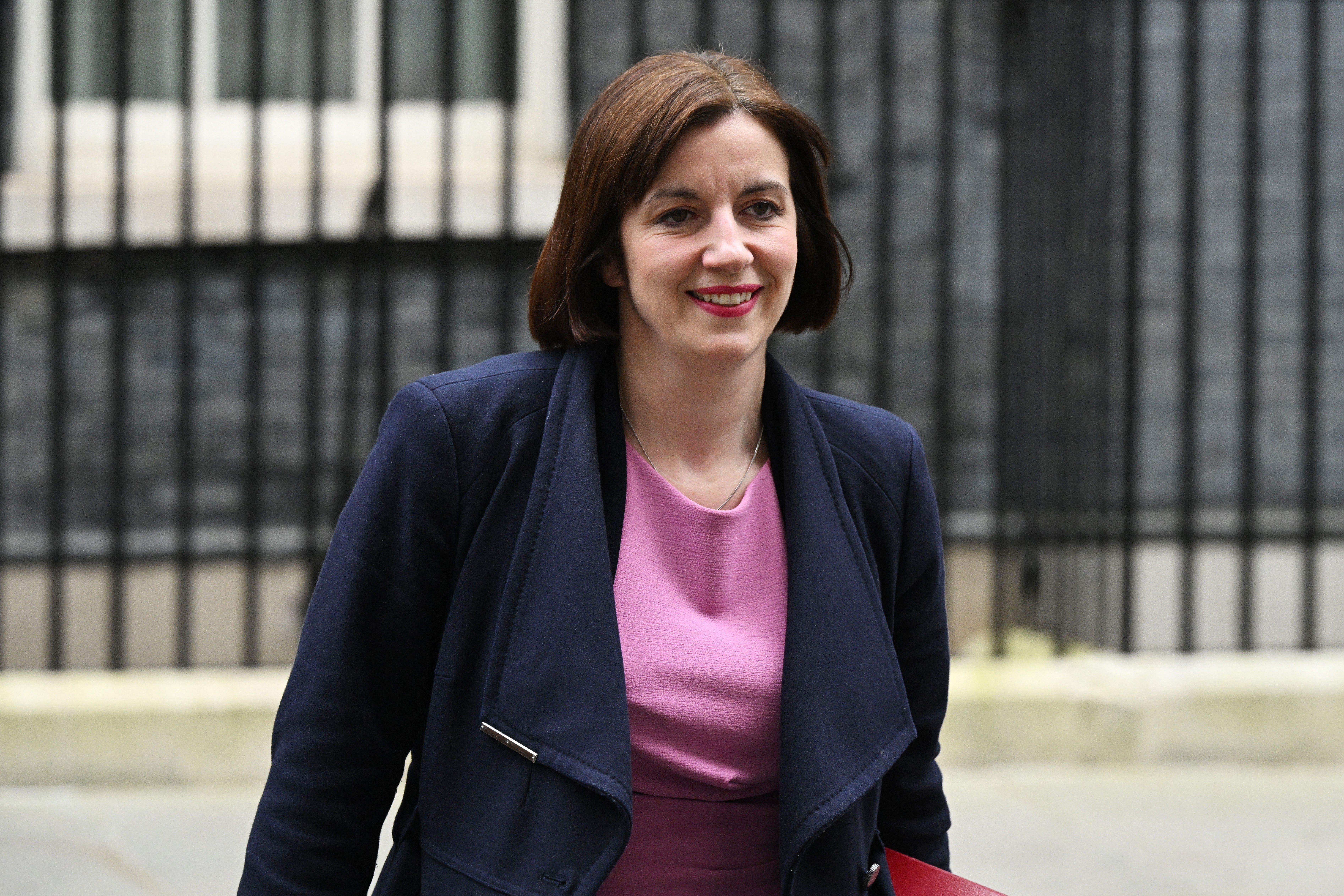
She added: “Every child deserves to have delicious, nutritious food at school that gives them the energy to concentrate, learn and thrive – meals that children will actually recognise and enjoy, backed by robust compliance so that good standards on paper become good food on the plate.”
The changes have garnered support from prominent figures, including actress Dame Emma Thompson, Leon co-founder Henry Dimbleby, and chef Tom Kerridge.
Dame Emma, a campaigner for the Food Foundation charity, expressed her delight: “I am absolutely thrilled that the Government is changing the school food standards to make sure that every child has delicious, nutritious school food that they deserve.
“School meals are a golden opportunity to support children’s health, learning and wellbeing – and getting this right means children across the country can truly thrive. This is a landmark moment for families, for the NHS, and for the future of our young people.”
Henry Dimbleby, who previously served as government food tsar, cautioned that the standards would only succeed “if the Government sticks to the timetable set out today – and if schools and caterers are backed to deliver, and held to it.”
He believes that “done right it will boost children’s health, their academic outcomes and their chances of success in later life.”
Chef and campaigner Jamie Oliver also welcomed the move, calling school food “the UK’s most important restaurant chain” and a “massive opportunity to improve health at scale.”
He added: “My Good School Food Awards prove that world-class meals are possible right now, and every child deserves that same quality. So, I’m delighted this Government is now updating and enforcing these standards.”


Meanwhile, Sir Keir Starmer is set to promote the plans, alongside the expansion of free breakfast clubs, during a visit to Greater Manchester on Monday.
His visit coincides with the doubling of breakfast clubs across the region, with 33 new clubs launching this week to provide 10,000 more children with a free morning meal.
The Labour leader will meet local residents to discuss the pressures they face, particularly concerning rising energy prices due to the Iran war and the broader cost-of-living crisis.
Sir Keir stated: “I know what it’s like to grow up in a family that works hard but still feels the squeeze when the bills come in. Right now, that pressure is being felt more than ever, with global events pushing up the cost of everyday essentials, especially food. I’m not waiting to act.
“We’re expanding free breakfast clubs in places like Greater Manchester because they’re a proven way to help families save up to £450 a year, while giving parents back precious time in the morning.”