





Meningitis is continuing to spread in the U.K., sickening 27 people and resulting in the deaths of two students in the south of England.
One of the U.K. outbreaks has been tied to a rare bacterial form of meningitis known as meningitis B, which can result in a life-threatening infection of the membranes around the brain and spinal cord.
Meningitis B is caused by meningococcal disease, which kills 10 to 15 infected people out of every 100, even when it is treated, according to the U.S. Centers for Disease Control and Prevention. Meningococcal disease is any illness resulting from the throat and nose bacteria called Neisseria meningitidis.
Meningitis B, also known as “MenB,” has become the leading cause of meningococcal disease across Europe and America. But officials say the danger of spreading cases in the U.S. remains low for now.
“If someone who is exposed to these bacteria travels to the United States, there’s the possibility of the outbreak strain of the bacteria spreading. However, meningococcal bacteria don’t spread easily,” a spokesperson for the CDC told Newsweek.

“Transmission requires exchange of respiratory or throat secretions (saliva) during close or lengthy contact, especially if living in the same household,” they said.
The CDC says that menB is “relatively rare” in America, though there have been outbreaks at several U.S. colleges over the course of the past decade.
Symptoms to watch out for include fever, headache, a stiff neck, nausea, vomiting, sensitivity to light and confusion. It can first appear as a flu-like illness and then rapidly worsen.
“Looking at the data, meningitis B is not very common, but when you get it, it is very serious,” Dr. Allison Messina, chief of the Division of Infectious Disease at Johns Hopkins All Children’s Hospital, explained in a statement.
“You have a young person who is alive one day and dead the next and that gets people’s attention.”
Vaccines can help to prevent serious illness, but the protection wanes “fairly quickly after vaccination,” according to the CDC.
“However, healthcare providers and parents should discuss the risk of the disease and weigh the risks and benefits of vaccination,” the agency says.
Earlier this year, the Trump administration made changes to recommendations for vaccines preventing meningitis A, C, Y and W, now only recommending the vaccine for certain high-risk groups. Recommendations for menB did not change, according to health policy group KFF.
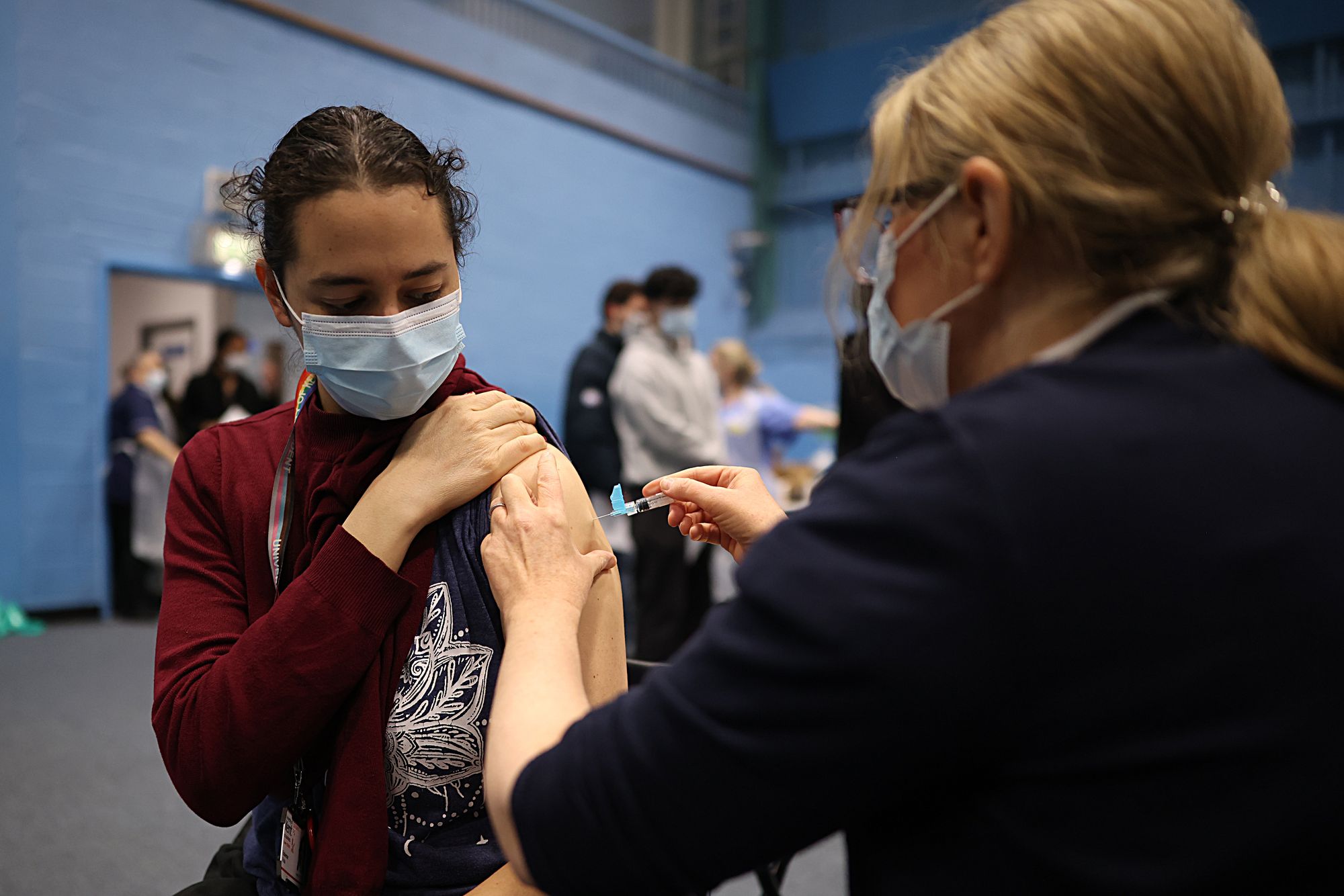
The CDC recommends that people 10 years and older who are at risk in an outbreak get vaccinated for MenB, the CDC spokesperson told Newsweek.
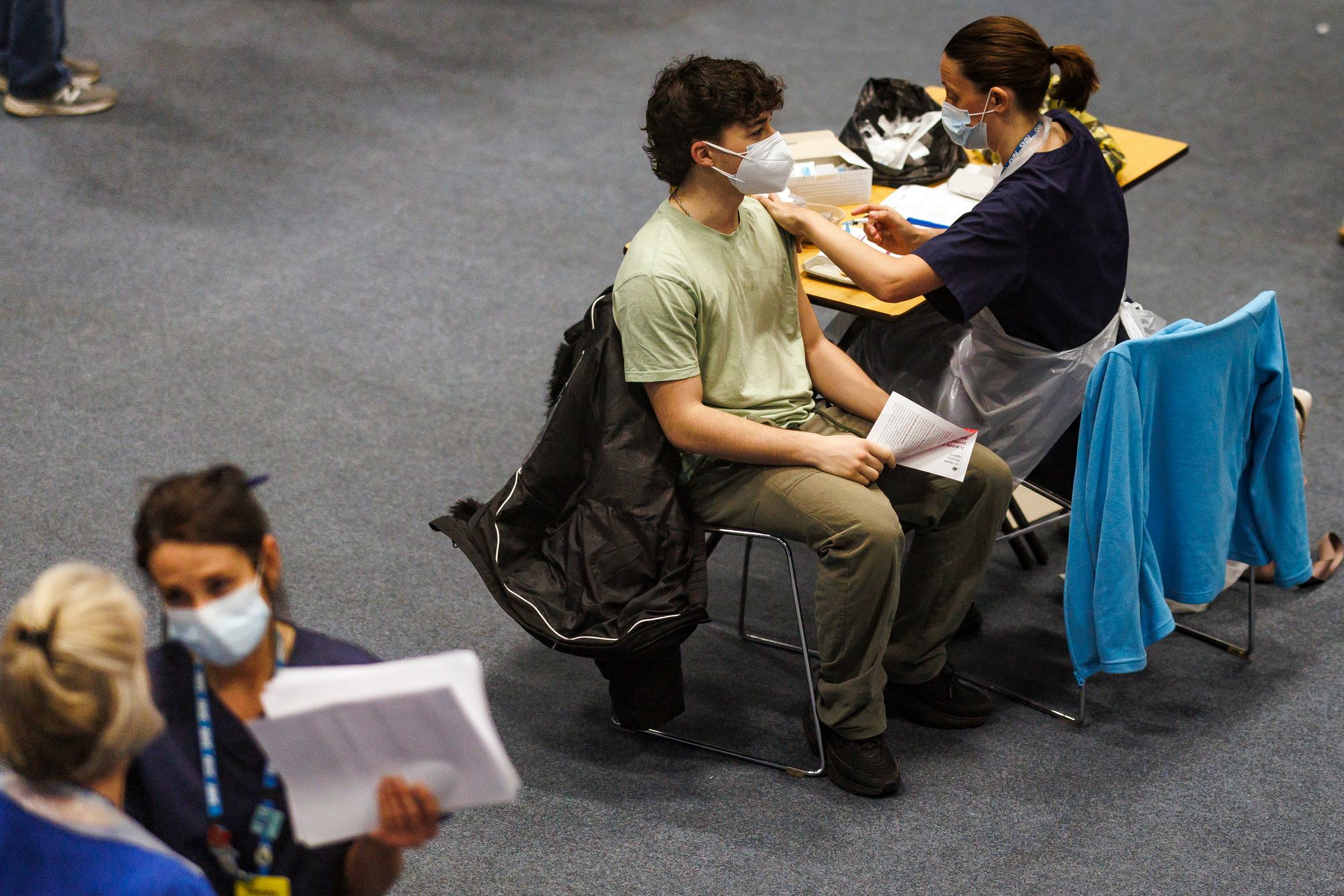
“For the most complete protection I would recommend giving teens both meningitis vaccines even though the meningitis B is optional on the CDC schedule,” Messina added. “This vaccine is so important because this disease is so fatal, and there is almost no time to intervene once your child becomes ill.”
Close contacts of someone with meningococcal disease should also receive antibiotics to prevent them from getting sick, at the instruction of a healthcare provider or health department.
Still, even with antibiotics, one in five survivors will have long-term disabilities, such as brain damage, deafness, a loss of limbs or nervous system problems.
And certain people are at increased risk for meningococcal disease, including children younger than one year old, teens and young adults and adults over the age of 65.
Colleges are places of heightened risk, as well as microbiology labs and military training facilities.
“Outbreaks most often occur where you have people living in close quarters. College students living in dorms and military members in barracks are at higher risk,” Messina said. “Sharing cigarettes or drinks, kissing or other intimate contact also increase risk.”
Rates of meningococcal disease in the U.S. have risen sharply since 2021.
In 2024, there were more than 500 confirmed and probable cases reported to the CDC: the largest number of U.S. meningococcal disease cases reported since 2013.


