


Denmark is set to hold an early general election on 24 March, prime minister Mette Frederiksen announced on Thursday.
Her decision comes as the nation continues to navigate the aftermath of US president Donald Trump’s controversial interest in Greenland, a semi-autonomous Danish territory.
Citizens across the Scandinavian country, a key member of both Nato and the European Union, will cast their votes for the Folketing, Denmark’s parliament.
The legislative body comprises 179 seats, with 175 allocated to representatives from Denmark itself, and two seats each for lawmakers from Greenland and the Faroe Islands, the kingdom’s other semi-autonomous region.
“It is now up to you, the voters, to decide what direction Denmark will take over the next four years. And I am looking forward to it,” Ms Frederiksen, 48, said during her parliamentary announcement.
The past year presented a significant challenge for the Danish government, largely due to Mr Trump’s pursuit of US control over Greenland. This culminated in his brief threat in January to impose new tariffs on Denmark and several other European nations.

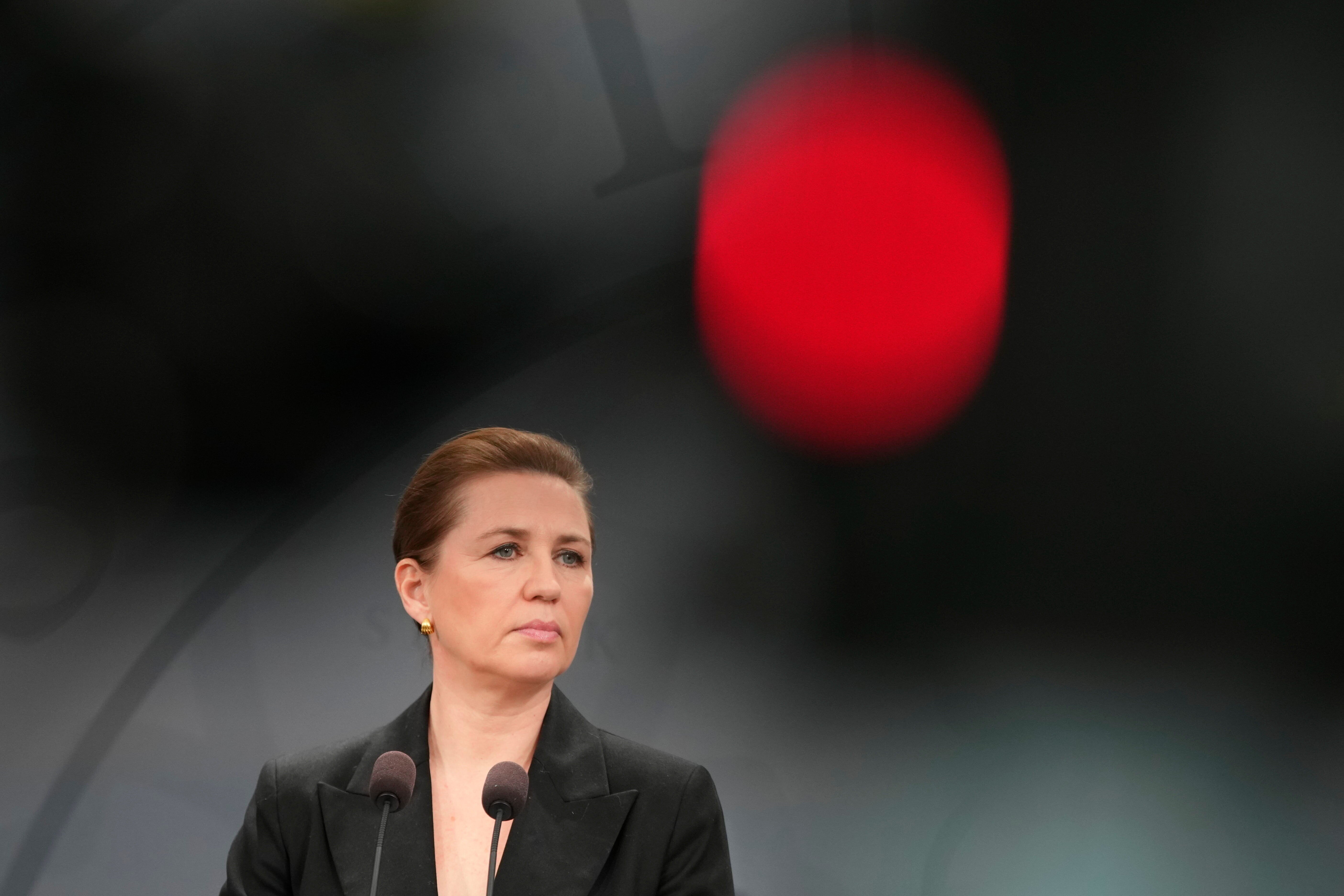
Ms Frederiksen likely hopes her firm and direct handling of the Greenland crisis will resonate positively with Danish voters. She recently issued a stark warning, suggesting that an American takeover of Greenland could ultimately lead to the dissolution of the Nato military alliance.
Polls also show a bump in the popularity of the prime minister’s Social Democrats during recent weeks, which were dominated by the looming Greenland crisis.
Some Danish citizens have been so upset with the US president’s frequent talks about seizing Greenland that they participated in protests and even boycotted American goods in supermarkets.
As she announced the election on Thursday, Ms Frederiksen said in parliament: “This will be a crucial election for us, because in the next four years, we as Danes and as Europeans will really have to stand on our own two feet.”
“We must define our relationship with the US. We must arm ourselves to ensure peace on our continent. We must keep Europe together,” she added, referring to Russia’s ongoing war on Ukraine, which is now in its fifth year.
PM’s strict immigration policies
After Trump backed down on his Greenland threats in January, the US, Denmark and Greenland started technical talks on an Arctic security deal.
Still, Ms Frederiksen made clear earlier this month that she remains wary about the Greenland issue. Asked at the Munich Security Conference whether the crisis had passed, she replied: “No, unfortunately not. I think the desire from the US president is exactly the same. He is very serious about this theme.”
Frederik Hjorth, an associate professor for political science at the University of Copenhagen, said: “The Greenland crisis has played a major part in the noticeable bump that the government parties have received over the last couple of months.”
While Trump would likely not feature in a major way in the election campaign, “he will be sort of a background theme in the campaign because that speaks to the government message of the importance of having competent people in charge”.
Ms Frederiksen, a centre-left Social Democrat, has become known for her strict immigration policies, which are among the toughest in Europe.
In January, her government unveiled a legal reform allowing the deportation of foreigners who have been sentenced to at least one year of unconditional imprisonment for serious crimes.
She pitched such ideas years before other countries on the continent tried to outsource asylum request procedures to third countries or set up “return hubs” for rejected asylum seekers outside the European Union.
Beyond that, the cost of living in Denmark will probably also become a prominent campaign topic, Mr Hjorth said.
A general election must be held at least every four years, but the prime minister can call one at any time. The last election was held on 1 November 2022 and resulted in a three-party coalition that crosses the left-right divide.
Ms Frederiksen has led Denmark since mid-2019. She currently heads a government with the Liberal Party of defence minister Troels Lund Poulsen and the centrist Moderate party of foreign minister Lars Løkke Rasmussen, a former prime minister. If she gets re-elected, it would be her third term.