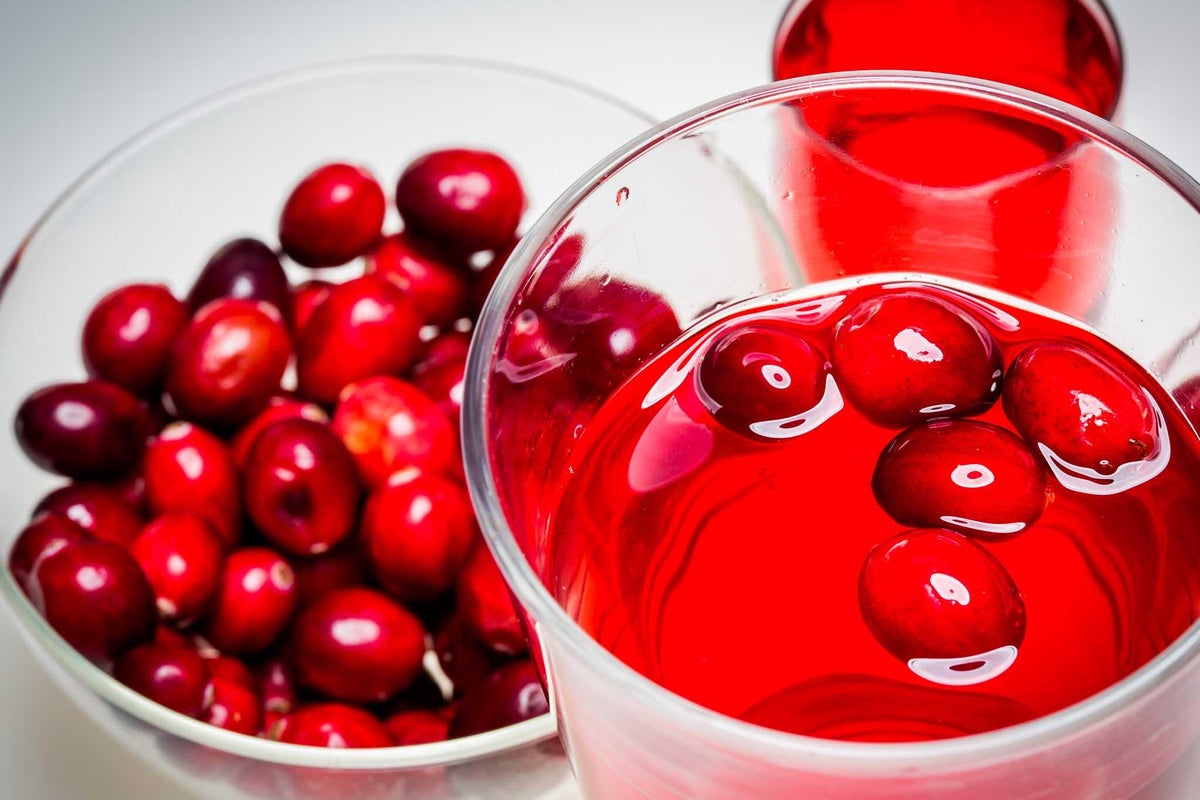
Drinking cranberry juice could help boost the antibiotics used to treat urinary tract infections (UTIs) against drug resistant bacteria, a new study has found.
Approximately half of all women in the UK will experience at least one UTI in their lifetime, causing pain or burning when urinating, a frequent need to wee and a high temperature.
Most UTIs are caused by pathogenic strains of Escherichia coli bacteria, and the antibiotic fosfomycin is often prescribed as the first line of treatment. But the rise of antibiotic resistance makes the infection more difficult to treat.
There is no evidence that cranberry juice alone can treat a UTI. However, new research has suggested it may lend a helping hand to antibiotics.
Researchers exposed lab-grown strains of the bacteria that causes UTIs to cranberry juice and findings suggest that compounds in the juice makes resistant strains more sensitive to antibiotic treatment.
Microbiologist behind the study, Dr Eric Déziel at the Institut National de la Recherche Scientifique in Montreal, Canada, cautioned the results are preliminary, and whether cranberry juice offers an antibiotic boost in people requires further study.
He explained the study doesn’t show, for example, if drinking cranberry juice gives the same results. “We don’t know if the metabolites will reach the infection,” he said. But if they could, then juice may increase the efficacy of antibiotic treatment, he added.

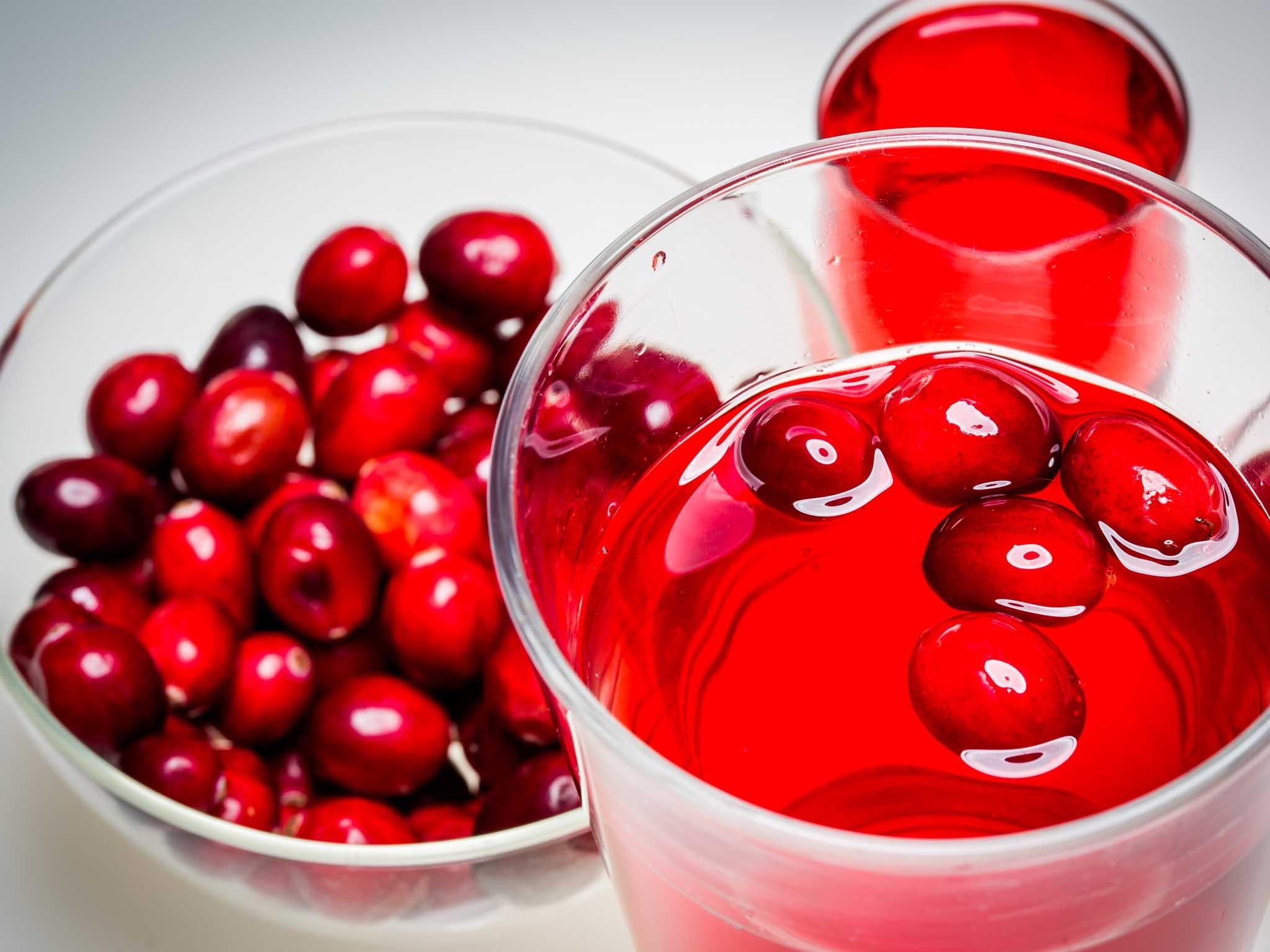
The study published in the journal Applied and Environmental Microbiology found that in 72 per cent of uropathogenic E. coli strains tested, cranberry juice both boosted the antibiotic activity of fosfomycin and suppressed the emergence of mutations related to resistance.
Dr Déziel acknowledged that cranberry juice has long been regarded as a folk remedy for preventing and treating urinary tract infections, but scientists originally attributed the benefit to the high acidity of the juice.
However, researchers have recently linked its effect to compounds in the juice that can block bacteria from attaching to cells lining the urethra. Now, experts have studied how the juice interacts with antibiotics.
Researchers explained that fosfomycin enters bacterial cells through the same entry channels used by the microbes to acquire some sugars. It’s not yet known what, but something in the cranberry juice induces the bacteria to increase its uptake of sugars within one of those channels, which means it also absorbs more fosfomycin.
Dr Déziel noted that the new study doesn’t establish a connection between drinking juice and antibiotic potency, but it is promising enough to warrant more research into new ways to treat dangerous infections.
“With the challenge of multi-drug resistance,” Dr Déziel said, “we need to work from many different directions.”