



Beer could come with a “surprising health benefit”, according to a new report from the BBC. This must be pleasing news for beer drinkers everywhere. But what did the new study the BBC report was based on actually say? And does it stand up to scrutiny?
The study, published in the Journal of Agricultural and Food Chemistry, set out to assess the vitamin B6 content of alcohol-free and full-strength beers. Vitamin B6 is an essential nutrient with important roles in the body, but there are problems with how these findings are framed.
The numbers are technically true but misleading in context. Saying that a beer provides 15% of your daily vitamin B6 sounds impressive, but it ignores the wider dietary picture.
Most people in the UK are not deficient in vitamin B6. And the same amount, or more, can easily be obtained from a standard healthy diet. A number of foods, such as potatoes, chickpeas, fortified cereals, grains, meat and vegetables, provide vitamin B6 without the need for alcohol.
The paper also links vitamin B6 to important neurological functions, but does not provide evidence that beer consumption meaningfully improves brain health. It correctly states that vitamin B6 is involved in making the brain chemicals serotonin and dopamine, and confirms that beer contains measurable amounts of B6. However, the interpretation that beer is therefore “brain boosting” is problematic.
The study does not measure brain health outcomes of any kind (not cognition, mood or neurological effects), so such conclusions are not supported by the data. The B6 intake from beer is modest, and this narrative overlooks the well-established harms associated with alcohol consumption.
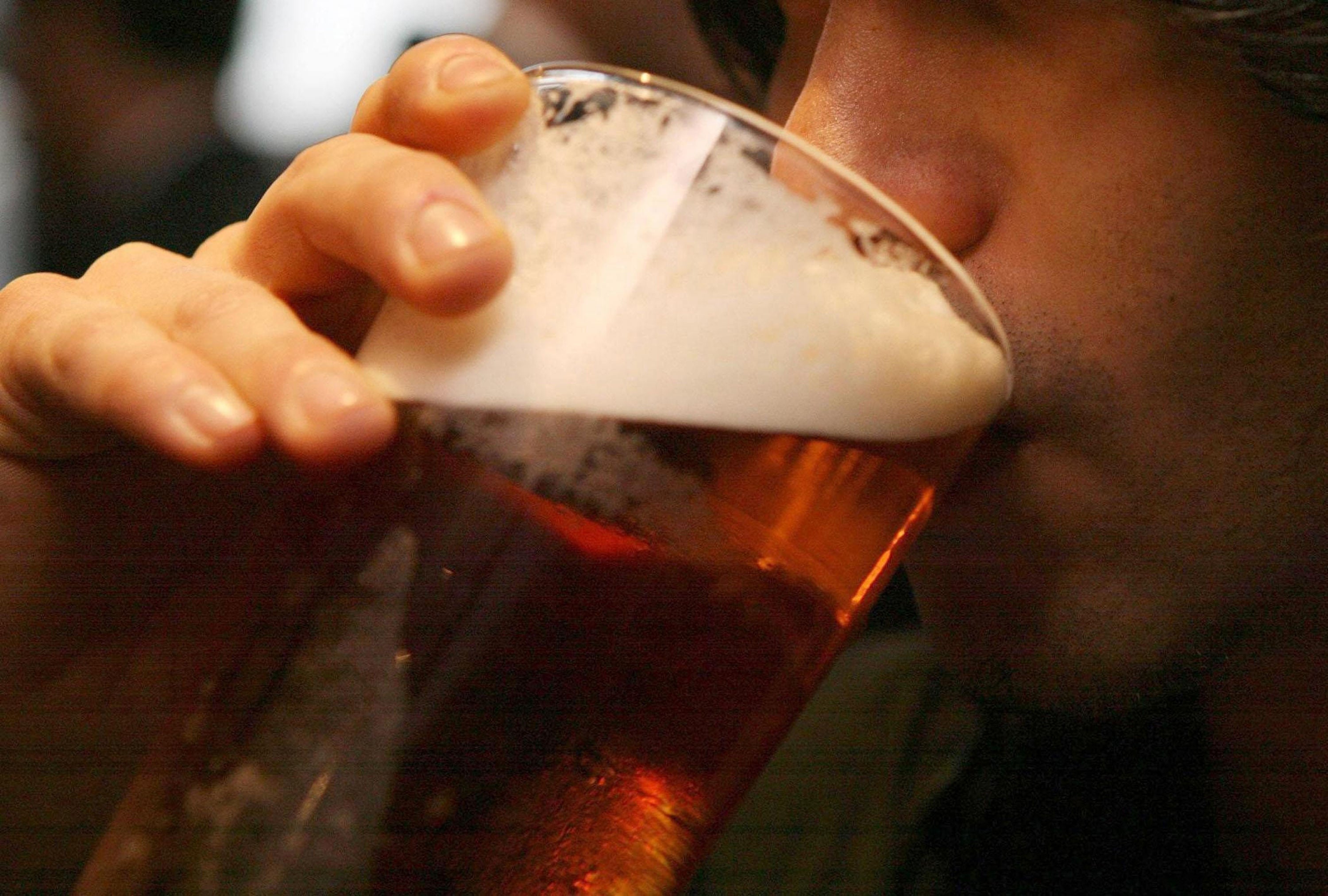
The serving size framing is also concerning. The study refers to “a serving” and, in some cases, volumes of up to a litre. Drinking at those levels on a regular basis would clearly conflict with NHS guidance on alcohol consumption. A typical half-litre serving was reported to provide around 13–16% of daily vitamin B6 requirements. A beer would need to provide about one whole day’s worth of vitamin B6 in a standard pint to qualify for a health claim. None of the beers in the study came close to that.
The study also does not adequately emphasise alcohol’s downsides, including risks to the liver, brain and increased cancer incidence. In recognition of these harms, the World Health Organization states that there is no safe level of alcohol consumption. Although this is acknowledged in the paper, highlighting a small vitamin content without properly weighing it against these risks is misleading.
When drinks brands latch on to studies like this to make their products seem good for you, they’re putting marketing ahead of public health. At worst, they’re nudging people to drink more.
A familiar story: the red wine myth
This is not the first time narratives about the health benefits of alcohol have found their way into the media. The idea that a glass of red wine a day is good for your heart is one of the most enduring examples. While this claim has some scientific roots, it is now heavily debated.
The belief largely traces back to the so-called “French paradox”, coined following observations that people in France appeared to have relatively low rates of heart disease despite diets rich in saturated fat and regular alcohol consumption. Red wine, in particular, has been suggested to offer some health benefits because it contains natural compounds called polyphenols – especially one called resveratrol – which can act as antioxidants and help protect the body’s cells.
Later studies, however, have raised serious concerns about these claims. Researchers pointed out that other factors – like people’s diet, how active they are and their access to healthcare – may have influenced the results. There has also been a wider rethink of alcohol’s effects, with growing evidence that it can increase the risk of harm, especially from certain types of cancer.
Taken together, these issues help explain a pattern known as the “healthy user effect”. At first glance, observational data suggest that moderate alcohol consumption may be protective. Some studies report lower rates of heart disease among moderate drinkers compared with non-drinkers. But observational data can only show correlations, not cause and effect.
In reality, moderate wine drinkers often differ from non-drinkers in important ways. They are, on average, more likely to eat healthier diets, be more physically active, be wealthier, have more friends, and see their doctor more often.
Each of these factors independently reduces the risk of heart disease and stroke. When they are not fully accounted for, alcohol itself can mistakenly appear to be the protective factor.
When the wider body of evidence is considered, particularly research linking alcohol to cancer, liver disease and mental health problems, most reviews conclude that any potential benefits are small and probably outweighed by the risks. The nutritional contributions of beer and wine do exist, but they are minor and unlikely to translate into meaningful health improvements.
Polyphenols, antioxidants, vitamins and minerals can all be obtained more safely and reliably from fruits, vegetables, whole grains, legumes, olive oil and other whole foods, without the risks associated with alcohol.