

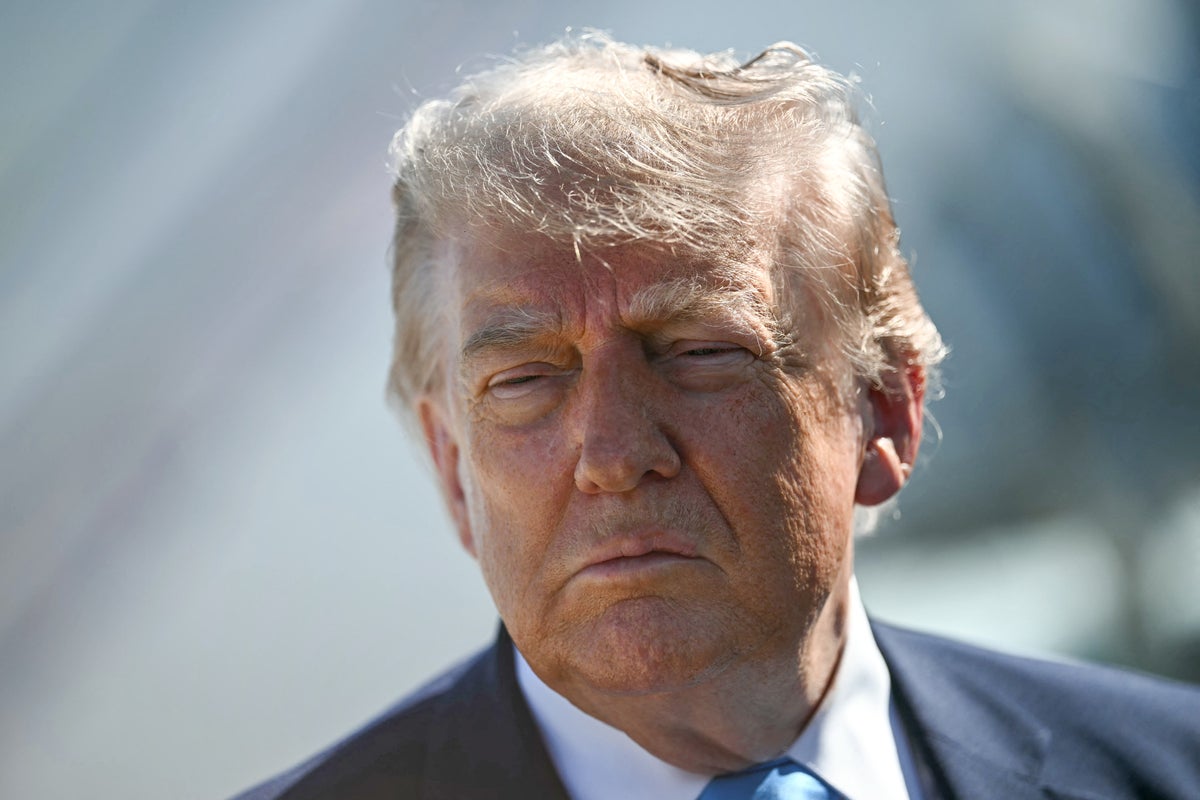
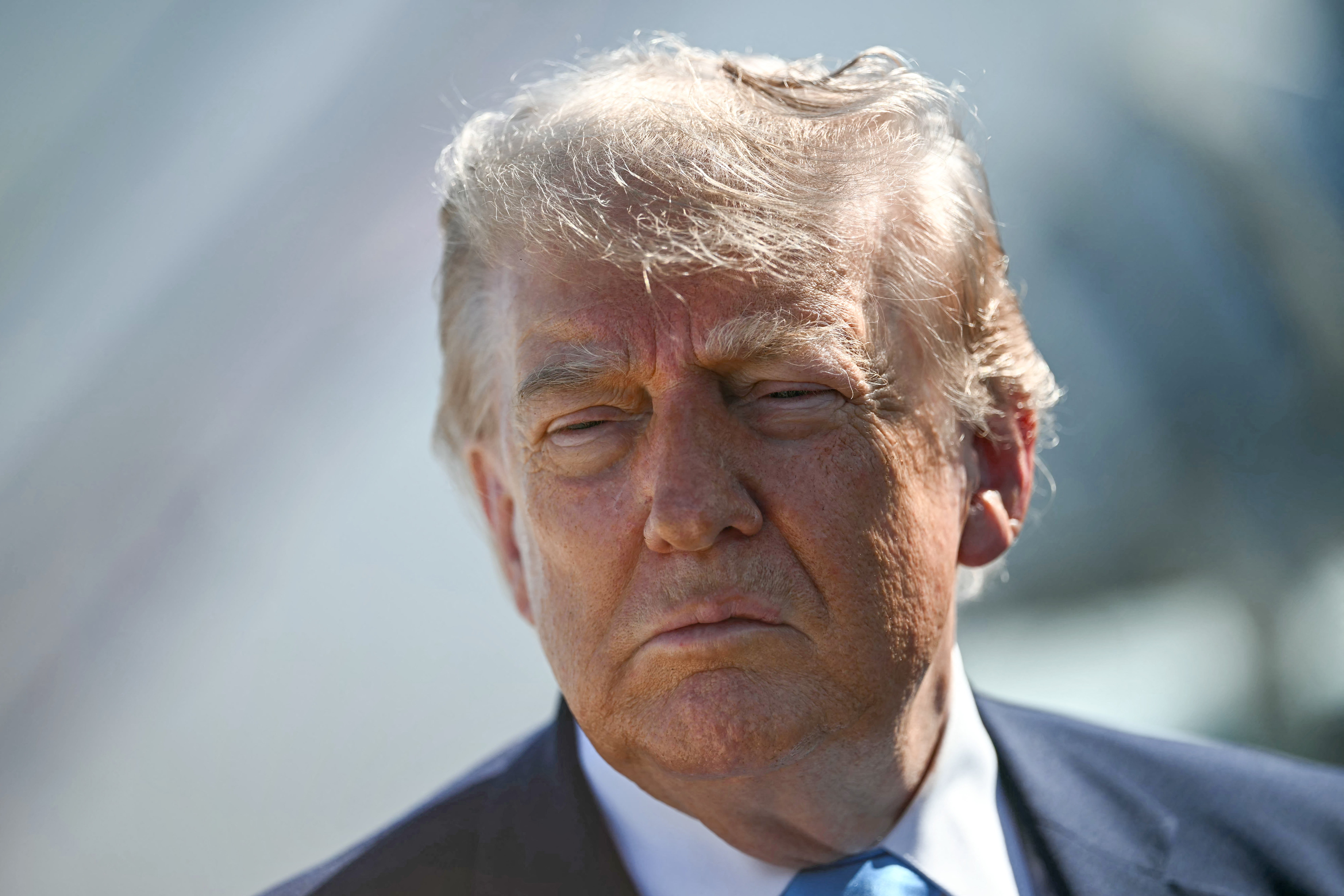
President Donald Trump may be liable for hundreds of millions of dollars in personal taxes on the controversial, $1.776 billion deal he struck with the IRS over his leaked returns, some experts say.
The unprecedented May 18 agreement calls for the creation of an “Anti-Weaponization Fund” to compensate what acting Attorney General Todd Blanche has called “victims of lawfare” by the Justice Department,
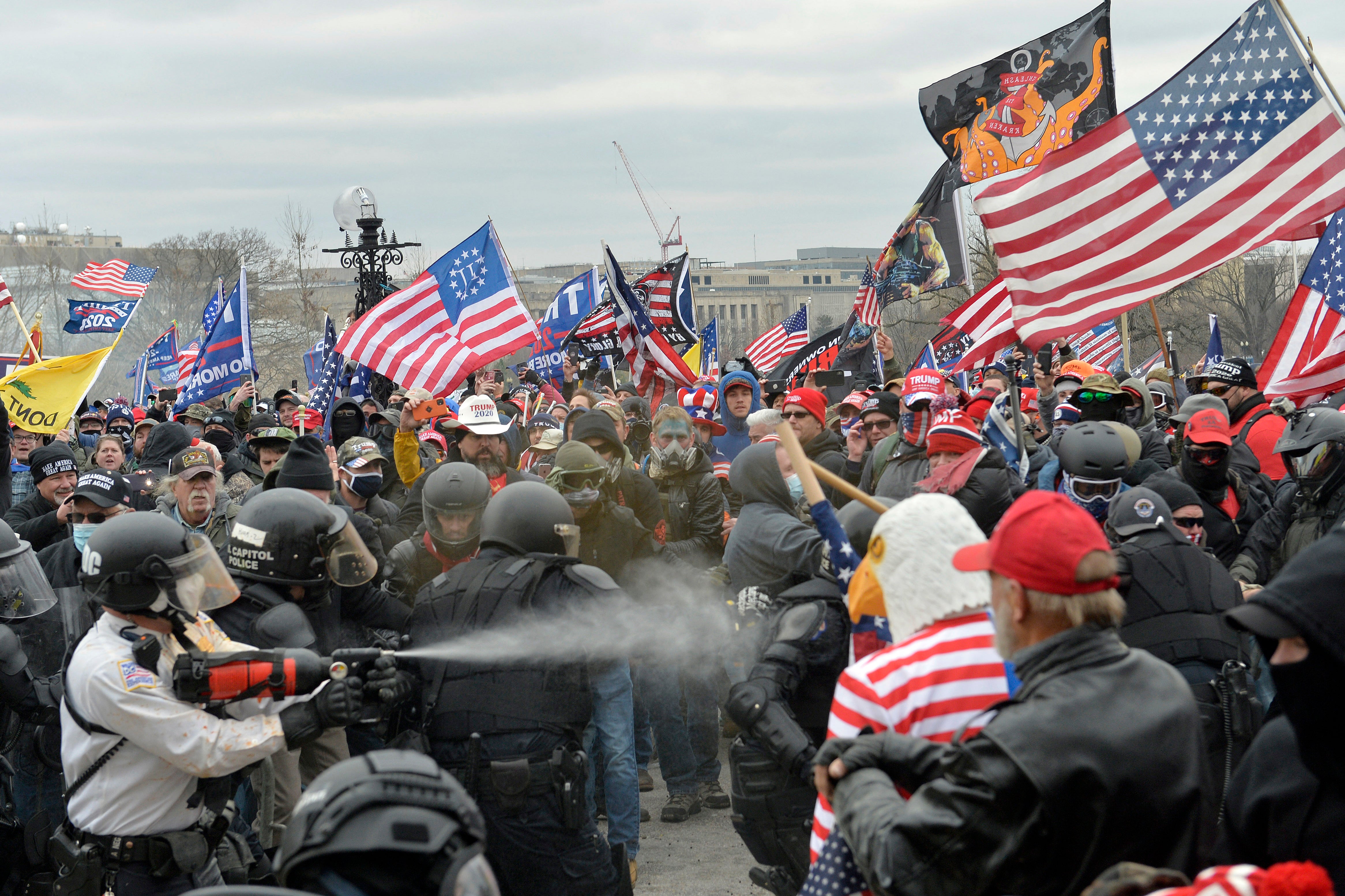
Terms of the deal say money for the fund — which critics claim would likely pay rioters who tried to keep Trump in office by storming the U.S. Capitol on Jan. 6, 2021 — isn’t “taxable income” for Trump because he won’t receive any “economic benefit” from it.
But tax experts are divided on the matter.
Lawrence Zelenak, a tax law professor at Duke University School of Law, told Politico it was “more likely than not” that Trump would, indeed, owe taxes on the settlement amount.

“It’s unique, and we haven’t really seen anything like this before,” Zelenak said. “But I think the tax analysis is actually not all that complicated.”
Brandon DeBot, policy director of the Tax Law Center at New York University School of Law, agreed.
“Trump, his family, his business and DOJ should not be able to turn off the consequences of the standard tax rules through their private agreement,” he said.
Another tax law professor, Andy Grewal of the University of Iowa, sided with Trump, telling Politico that under the agreement, he “has no control over whom the money goes to, and so it would not be income to him.”
The White House declined to comment on Friday and referred The Independent to the Justice Department, which said the named plaintiffs in a class-action lawsuit against the Agriculture Department didn’t have to pay taxes on money distributed to others under a 2010 settlement agreement.
Trump, sons Don Jr. and Eric, and the Trump Organization sued the IRS and Treasury Department for $10 billion last year over the leak of their tax returns by an IRS contractor.

The leak led to a 2020 report by The New York Times that revealed that huge losses claimed by Trump let him pay just $750 in federal income tax for 2016 and 2017, his first year in the White House, and no income tax in 10 other years.
Trump dropped the lawsuit after the federal judge in the case questioned whether a conflict of interest existed because he was suing “entities whose decisions are subject to his direction.”
On Thursday, 35 former federal judges urged U.S. District Judge Kathleen Williams to reopen the case because she wasn’t informed about the deal to settle Trump’s claims, which they said “raise profound questions about the parties’ candor toward the court and manipulation of the judicial system.”
In addition to providing money for the Anti-Weaponization Fund, the settlement agreement bars the federal government from pursuing legal action against Trump, his sons and company over any alleged past wrongdoing.