

The UK has reaffirmed its sovereignty over the Falkland Islands after a memo leaked from Washington indicated that the US could withdraw its support.
A leaked internal Pentagon email suggested Washington could review its position on Britain’s claim to the islands as part of a wider punishment for Nato allies not showing support for the US war in Iran.
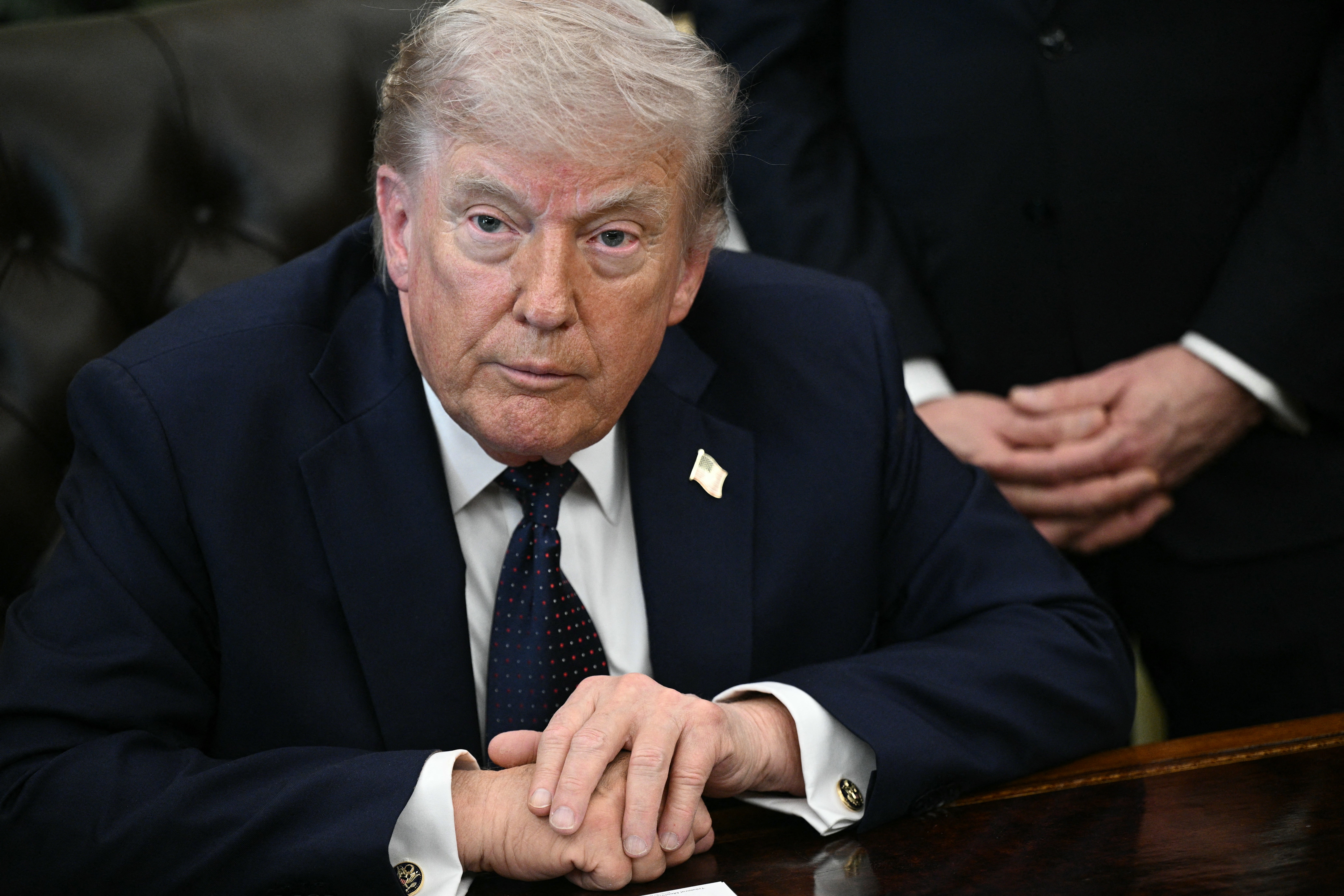
Donald Trump has repeatedly criticised Nato for a lack of support since he launched his offensive in the Middle East, threatening to withdraw altogether as he branded the alliance a “paper tiger.”

The confidential memo, which also considers suspending Spain from the alliance, floats the idea of reassessing Washington’s diplomatic support for European “imperial possessions,” such as the Falklands.
A spokesperson for British prime minister Sir Keir Starmer reaffirmed the UK’s sovereignty over the islands: “We could not be clearer about the UK’s position on the Falkland Islands. It is long standing, it is unchanged.
“Sovereignty rests with the UK and the islands’ right to self-determination is paramount. It’s been our consistent position and will remain the case,” the spokesperson said, adding that Britain had expressed that position “clearly and consistently to successive US administrations”.


More than 3,600 people reside in the Falkland Islands, a small archipelago in the South Atlantic per the 2021 census. Argentina invaded and occupied the the islands for 10 weeks in 1982 after long-running negotiations with Great Britain collapsed over ownership of the Islands. The Reagan administration publicly supported Britain through the conflict.
Experts have told The Independent that losing US support for British sovereignty would have no impact in practical terms.
Admiral Lord West of Spithead – the commanding officer of HMS Ardent, a ship which was sunk in the Falklands War – told said that militarily, losing US support for British sovereignty would have “no impact”.
“The recognition or otherwise by the US does not make the Islands less secure”, the former Royal Navy commander-in-chief added.
Philip Ingram MBE, a former colonel, told The Independent that Washington’s withdrawal of support could not undermine international law – and the will of the Falkland citizens.


“Under international law the fate of the Falklands is down to the will of its people, no matter what Trump says – so their sovereignty is not under any threat,” he said.
“Argentina is many many years off developing a capability that could threaten the Falklands and the small force the UK has there could be reinforced quickly even given the pressures on our armed forces. This is simply Trump click baiting and nothing else.”
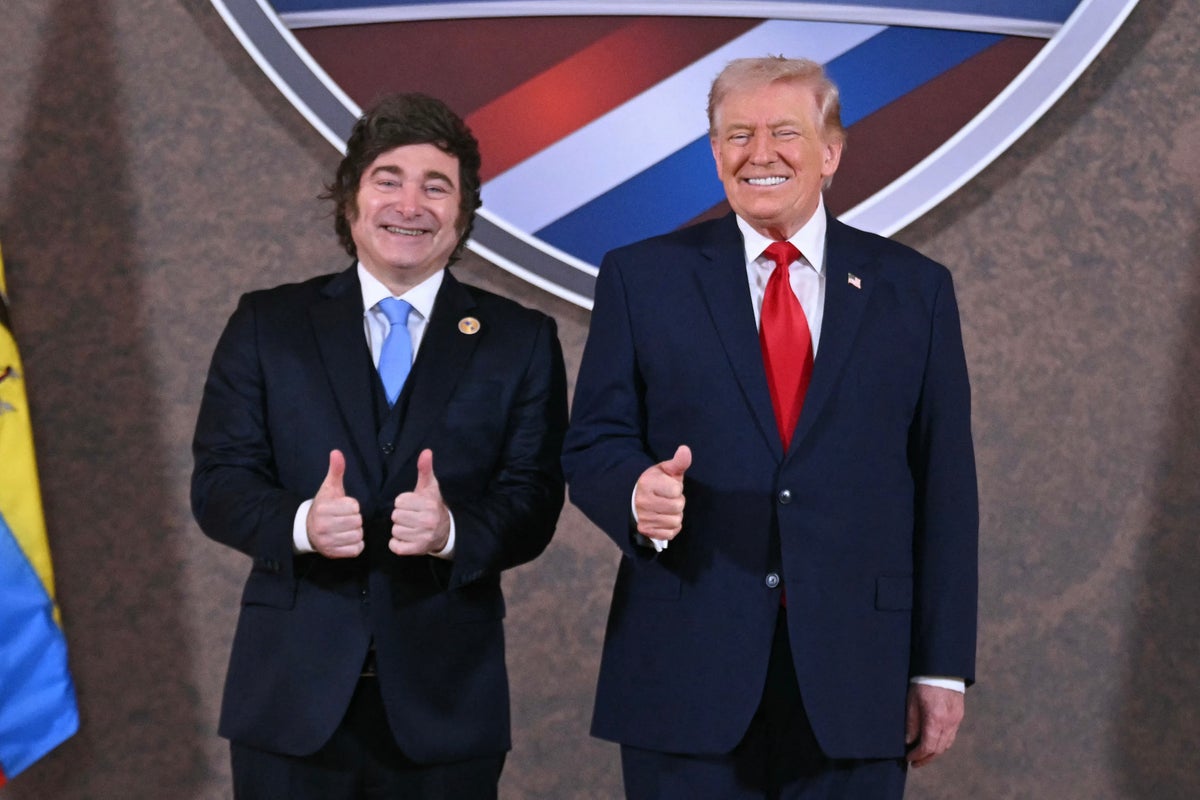
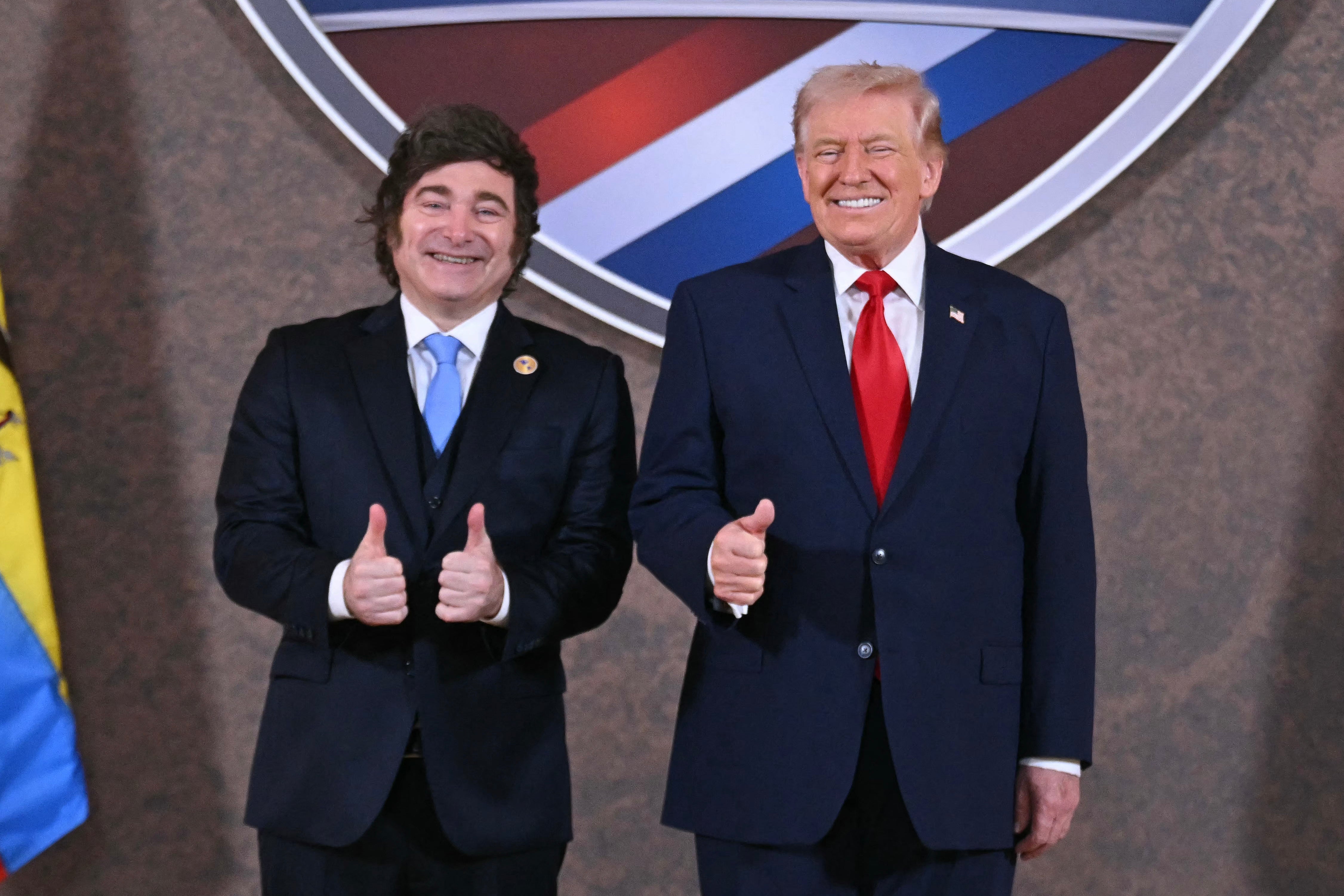
Questions have amped up around UK sovereignty over the Falklands since Argentine president Javier Milei took office in 2023. The populist leader, who has a strong relationship with the US president, has repeatedly claimed Argentine sovereignty over the islands.
President Milei said earlier this month: “I wish to reaffirm our right to the full exercise of sovereignty over the Malvinas Islands, South Georgia, and the South Sandwich Islands and the surrounding maritime spaces,” according to South Atlantic news agency MercoPress.

Residents of the Falklands Islands voted overwhelmingly in favour of remaining a UK overseas territory during a sovereignty referendum in 2013.
Of 1,517 votes cast in the two-day referendum – on a turnout of more than 90 per cent – just three votes were against.
In a speech marking the 44th anniversary of the 1982 conflict, The Argentinian president said that the war “did not alter the legal nature of this dispute, which continues to be recognized by the United Nations as a special and particular colonial situation that must be resolved through mature and sincere dialogue between Argentina and the United Kingdom.”
A total of 255 British Armed Forces personnel and 649 Argentine military personnel were killed during the Falklands War, which ended after 74 days when Argentina surrendered control back to Britain. Argentina has still not been able to rebuild its navy.
The Falkland Islands have been under British administration since 1833, but Argentina has long disputed this claim. The islands were believed to have been uninhabited prior to European discovery in the 17th century.
In 1765, British captain John Byron claimed the islands for Britain. Various French, British, Spanish and Argentine settlements existed on the islands prior to the UK re-establishing its sovereignty.

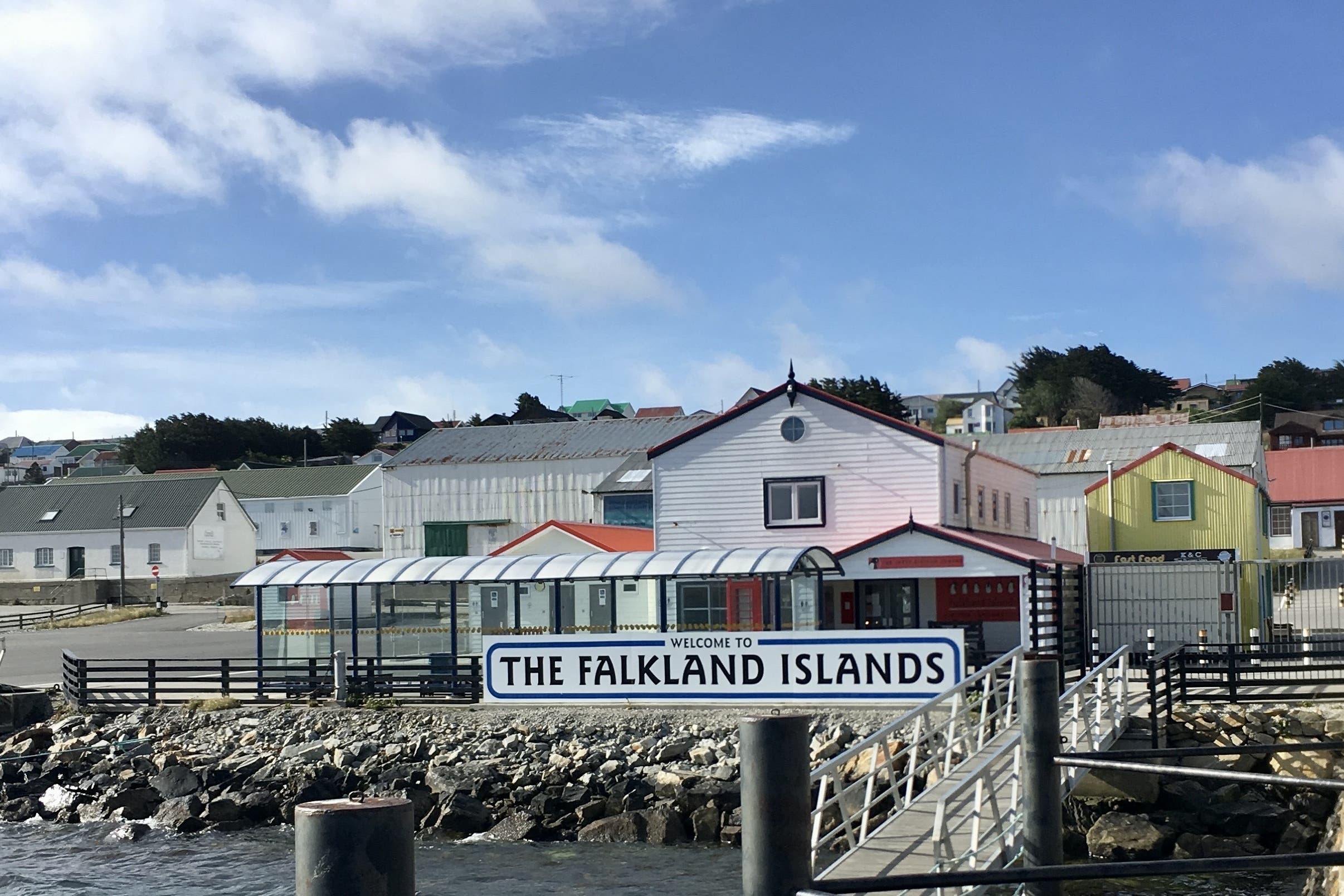
While it appears that Washington’s potential threat could have no real impact on the sovereignty of the Falklands, it does indicate a further breakdown in relations between the UK and the US.
President Trump said on Thursday that King Charles’ state trip at the end of this month could help repair strained relations after criticising Sir Keir Starmer as weak and indecisive.
Asked about his intervention and whether the pair can fix their relationship, Trump said: “If he opened the North Sea and if his immigration policies became strong, which right now they’re not, he can recover, but if he doesn’t, I don’t think he has a chance.”