

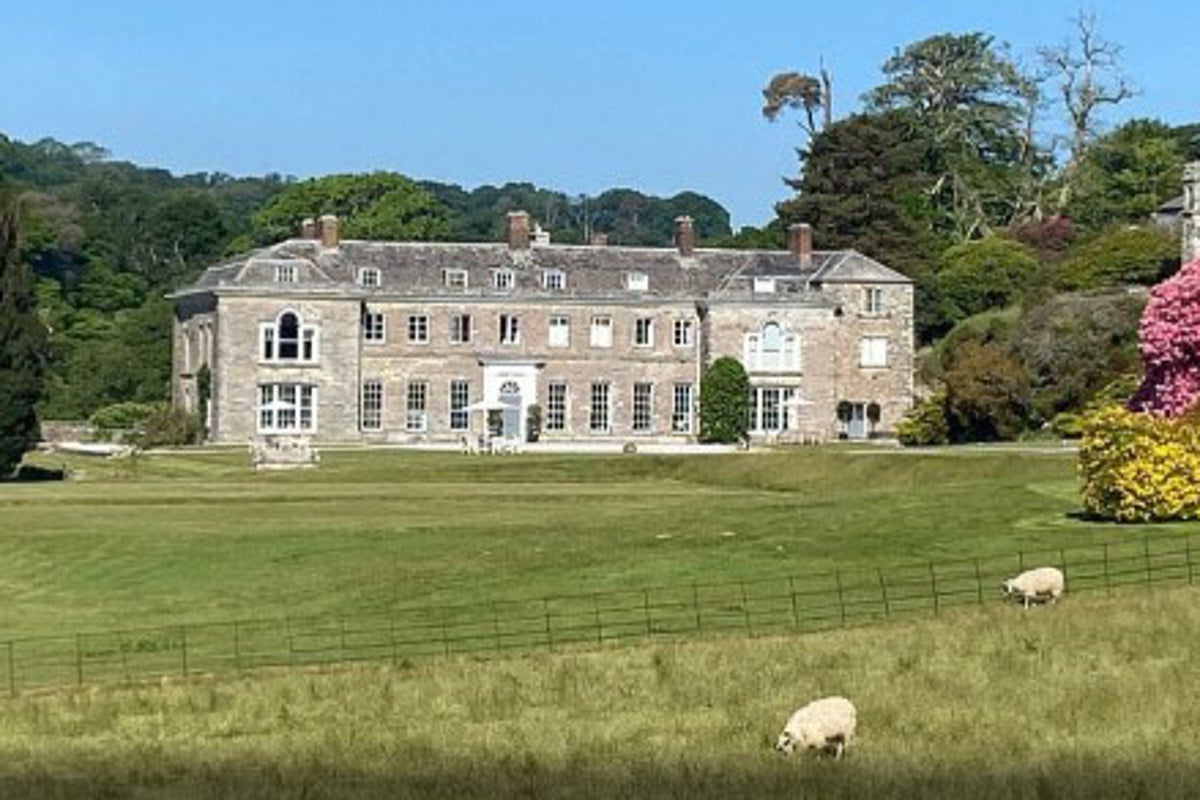
A historic Cornish estate, owned by the family of the prime minister who abolished slavery in Britain, has been saved from a £1.2m inheritance tax bill following a High Court ruling.
The Fortescue family successfully challenged a “mistake” that threatened the future of their ancestral home.
The family are direct descendants of a nephew of William Wyndham, Lord Grenville, the Whig prime minister credited with stamping out the British slave trade in 1807.
Their family seat, the Boconnoc Estate in Cornwall, holds a unique history, having been acquired through the sale of a £60m diamond that later adorned Napoleon’s sword.
In 2000, current matriarch Elizabeth Fortescue and her late husband Anthony embarked on an ambitious 12-year, multimillion-pound project to restore the main manor house. Their aim was to preserve the estate for future generations, transforming it into a luxury wedding venue.
However, these plans faced a “terrible blow” after Anthony’s death in 2015. In an attempt to minimise inheritance tax, Elizabeth made a “mistake” by transferring a life interest in estate properties, valued at approximately £4.4m and held in family trusts, to her daughter Claire.


This error left the family, described as “property rich but cash poor”, facing the prospect of breaking up the centuries-old estate by selling properties to meet a £1.2m tax demand.
A High Court judge has now granted permission to reverse the process, allowing the aristocratic family to avoid the “grave and unintended tax consequences” of the blunder.
Grade-II listed Boconnoc House was built in the 18th century, beginning in 1721 by Thomas “Diamond” Pitt, ex-Governor of Madras, using the proceeds of sale of a giant Indian diamond, which was originally stolen from a murdered slave before being bought by Pitt.
The diamond, which became known as the “Pitt Diamond” or “Regent Diamond”, is a 140 carat-plus stone which ended up mounted in the crossguard of Napoleon’s sword and is now on display in the Louvre, valued at £60m.

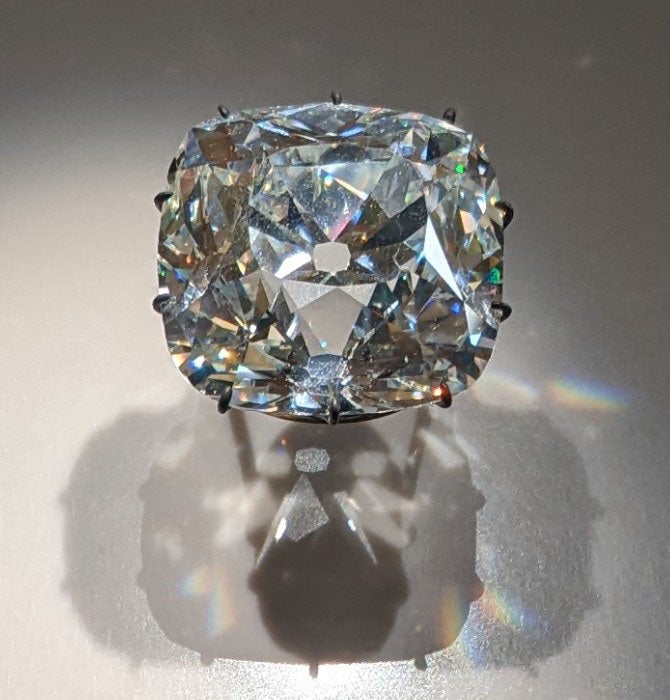
Thomas Pitt’s great great granddaughter and heir Anne Pitt – a cousin of William Pitt the Younger – later married William Wyndham, Lord Grenville, who, as prime minister, was famous for abolishing the slave trade.
On her death in 1864, the estate was bequeathed to George Matthew Fortescue, the son of Lord Grenville’s sister, Hester, and it has remained in the Fortescue family ever since.
The estate, surrounding the River Lerryn, includes the largest landscaped deer park in Cornwall and is the home of the Boconnoc Cricket Club.
Family matriarch of the current generation Elizabeth Fortescue inherited a life interest in the trusts in which the family estate is held after the death of her husband Anthony. After taking advice in 2017, she attempted to release her interest in £4.4m worth of estate properties to one of her daughters, Claire, in a way that would avoid any inheritance tax so long as Elizabeth survived for seven more years.
But despite having been given correct tax planning advice initially, there were blunders in the process she actually followed, the court heard.


Mrs Fortescue’s barrister Oliver Conolly told Deputy Master Joanna Lampert: “It’s crystal clear this was a clear mistake. This was [a] conscious thought process that this was an exempt transfer and that was clearly mistaken.
“There’s no way in which this can be seen as artificial tax avoidance. This is plain vanilla tax mitigation gone wrong.
“This is an estate which has been in the family for a long time. A huge amount of time and effort has been spent by Elizabeth and her late husband restoring the historic building and putting it on a stable footing. The restoration of the main manor house took 12 years.
“It is Elizabeth who made the mistake. If she had known the effect, she would never have done it.”
Saying the £1.2m bill threatened the future of the estate, the barrister told the judge that “to pay £1.2m in tax, the trusts would have to sell properties”.
The judge, allowing Elizabeth’s claim, said the mistake had created “an unintended tax consequence”.
“Elizabeth was advised that if she released her interest in [the trusts] it would be potentially exempt [from IHT] after seven years,” she said.
“It appears that the advice was right, but that the process used to give effect to it was both wrong and unnecessary.
“She believed that no IHT would be payable on the released properties provided she survived seven years. That belief proved to be mistaken. Instead, they gave rise to a 20 per cent tax charge.”
“I shall make an order that the deeds of release be set aside and that the deeds of advancement are invalid,” she said.
Claire Fortescue, who, along with the trustees of the family trusts, were the defendants in the action, did not oppose the making of the orders sought by Elizabeth.