


.jpg?trim=0,0,0,0&width=1200&height=800&crop=1200:800)
A conservative think tank that backed President Donald Trump’s anti-DEI push has its sights set on a new target.
The Manhattan Institute has been a front-line supporter of Trump’s efforts to dismantle diversity, equity and inclusion programs across the U.S. It also championed “broken windows” policing, the idea that cracking down on smaller offenses like vandalism can help deter more serious crimes.
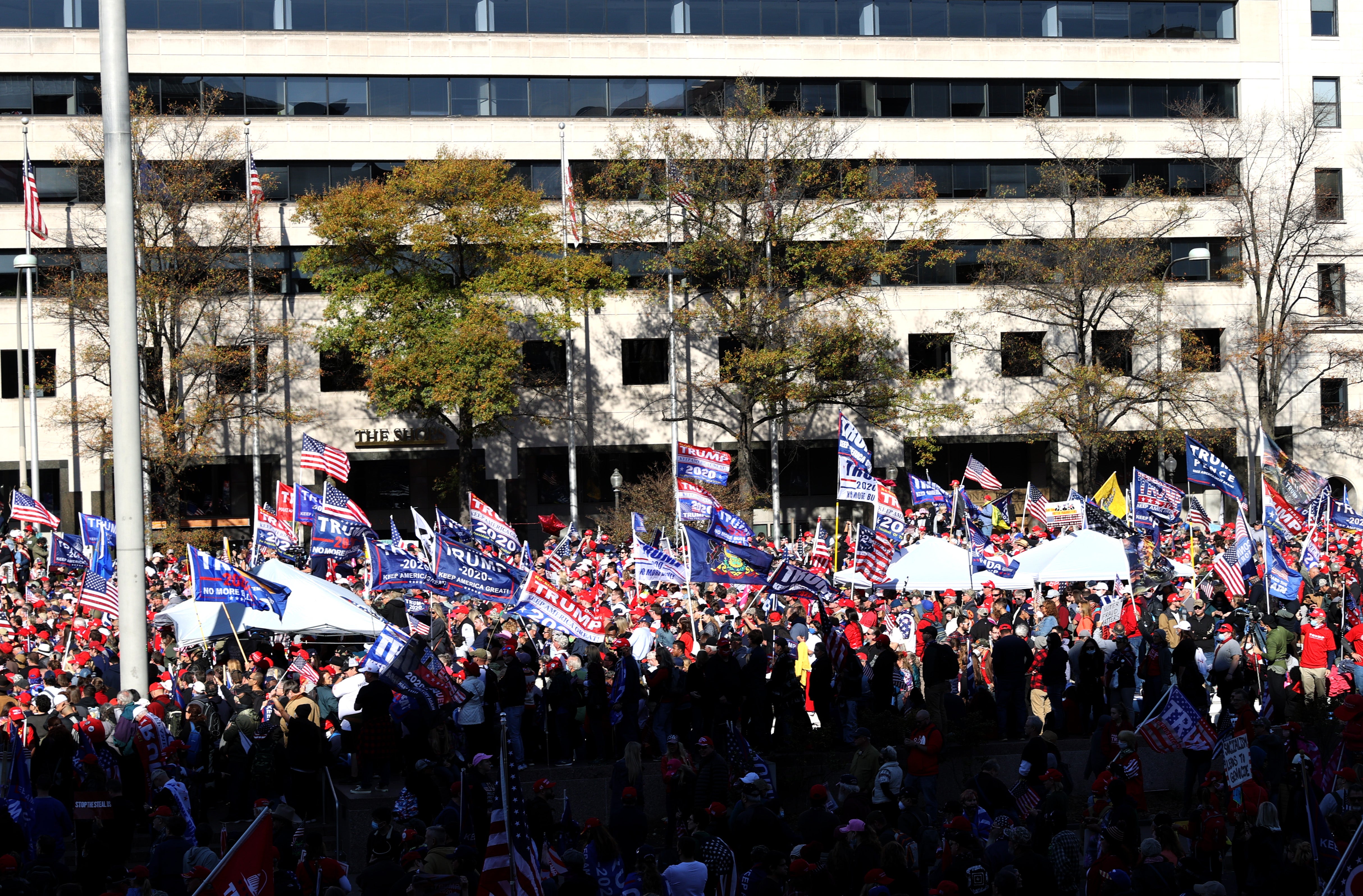
Now, they’re advocating for state lawmakers to target protest-related crimes by introducing harsher penalties for groups of demonstrators who commit offenses like vandalism, blocking roads or property destruction.
Protests have long been a target for the right, and Trump has repeatedly blamed violent demonstrations on the “radical left” in the U.S. And now, this latest push by the Manhattan Institute, which was first reported by Wired, has some legal experts worried.
“This is aimed at trying to silence public demonstrations, public assemblies, and really give those in power tools to dismantle systems and groups who are trying to even the playing field for the public and hold those in power accountable,” Darrell Hill, the policy director for the American Civil Liberties Union of Arizona, told The Independent.

.jpg)
Tal Fortgang, a legal policy fellow at the Manhattan Institute, is urging state lawmakers to introduce bills that would classify protest-related crimes, like disorderly conduct or vandalism, as felony “civil terrorism” offenses.
Since these crimes are typically treated as misdemeanors, upgrading them to felonies would likely mean harsher consequences for offenders, such as years-long prison sentences and higher fines. A felony conviction can also impact your ability to vote, own a gun and get a job.
Fortgang defines “civil terrorism” as the “mass commission of minor crimes to intimidate or coerce people into adopting a policy,” he told The Independent. Earlier this month, he published “Model Legislation: An Act to Combat Civil Terrorism,”with the intention that lawmakers can use it as a blueprint to draft their own “civil terrorism” laws.
“Civil terrorists identify misdemeanors that are minor when committed in conventional ways, but can be enormously disruptive and even dangerous when committed in creative ways. The prime example of this is blocking a road. One person intentionally blocking a road is a nuisance, and has committed the minor crime of disorderly conduct. A large group of people blocking a road, however, is dangerous,” he said.

Fortgang argued there’s a “mismatch between the severity of the crimes committed by civil terrorists and the punishments currently codified in state law,” and that those laws need to be “updated.”
“That is what our model legislation does. Identifying the exacerbating elements, and making misdemeanors into felonies when they are present, is a logical way to (a) deter this illegal behavior in the first place and (b) ensure that prosecutors actually see arrests through to convictions,” he added.
Fortgang’s ideas have already caught on in some states, including Arizona, where lawmakers are considering a bill that would establish the criminal classification of “civil terrorism,” a class 5 felony, and enhance penalties for protest-related crimes.
But Hill, from the state’s ACLU chapter, said he’s concerned these heightened penalties would have a “chilling” effect on people’s willingness to protest. He also said it’s also possible that protesters who aren’t directly involved in illegal acts may face charges due to the “broad way these laws are written.”
“Some of what has been proposed by lawmakers who are in Arizona, who are working with groups like the Manhattan Institute, would really criminalize protest activity and criminalize people who aren’t directly involved in criminal activity,” Hill explained.

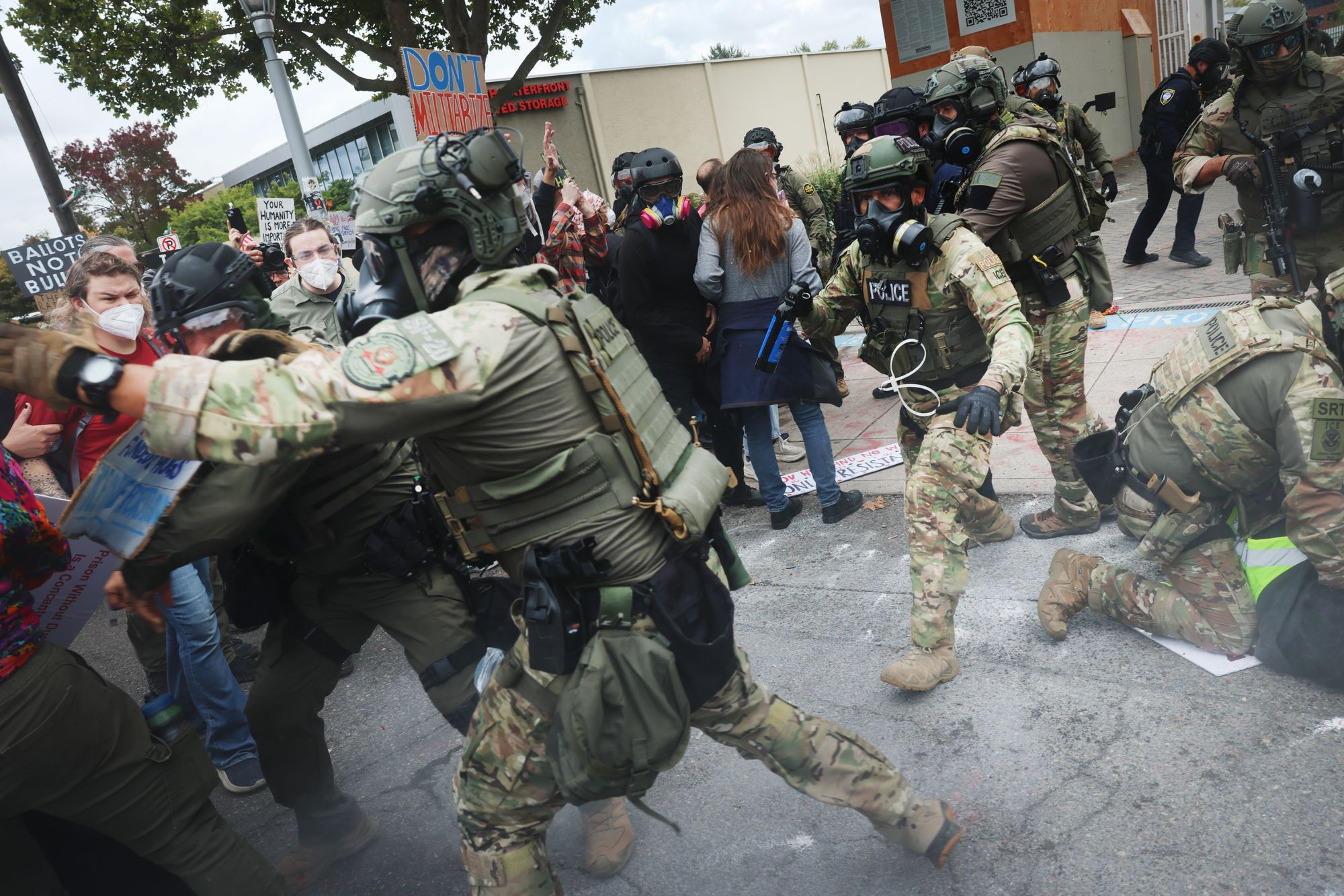
“If you’re at a protest and a person picks up a water bottle and throws it at a car, that could be used to charge all the people who are at the protest, or helped organize the protest, with some type of criminal penalty, even though they had no specific intent to commit that act of aggression themselves.”
He added: “That’s really the chilling part. It’s not just the criminal penalties, it’s that you can be charged or labeled a civil terrorist just for participating in a protest, not for any kind of disruptive or criminal act you do yourself.”
Representative Michael Way, the Arizona state lawmaker who sponsored the bill, did not respond to The Independent’s request for comment. The bill has already been approved by the Arizona House of Representatives, and is now under consideration by the state’s Senate.
In response to critics, Fortgang said his “civil terrorism” framework “would not change anyone’s right to protest in any way.”
“The First Amendment does not mean you can break whatever laws you want as long as you are being expressive or protesting. You can’t block roads. You can’t vandalize. You can’t trespass. Our model legislation does not criminalize any currently lawful behavior. It just raises the penalties for knowingly engaging in illegal behaviors in especially destructive ways,” he said.

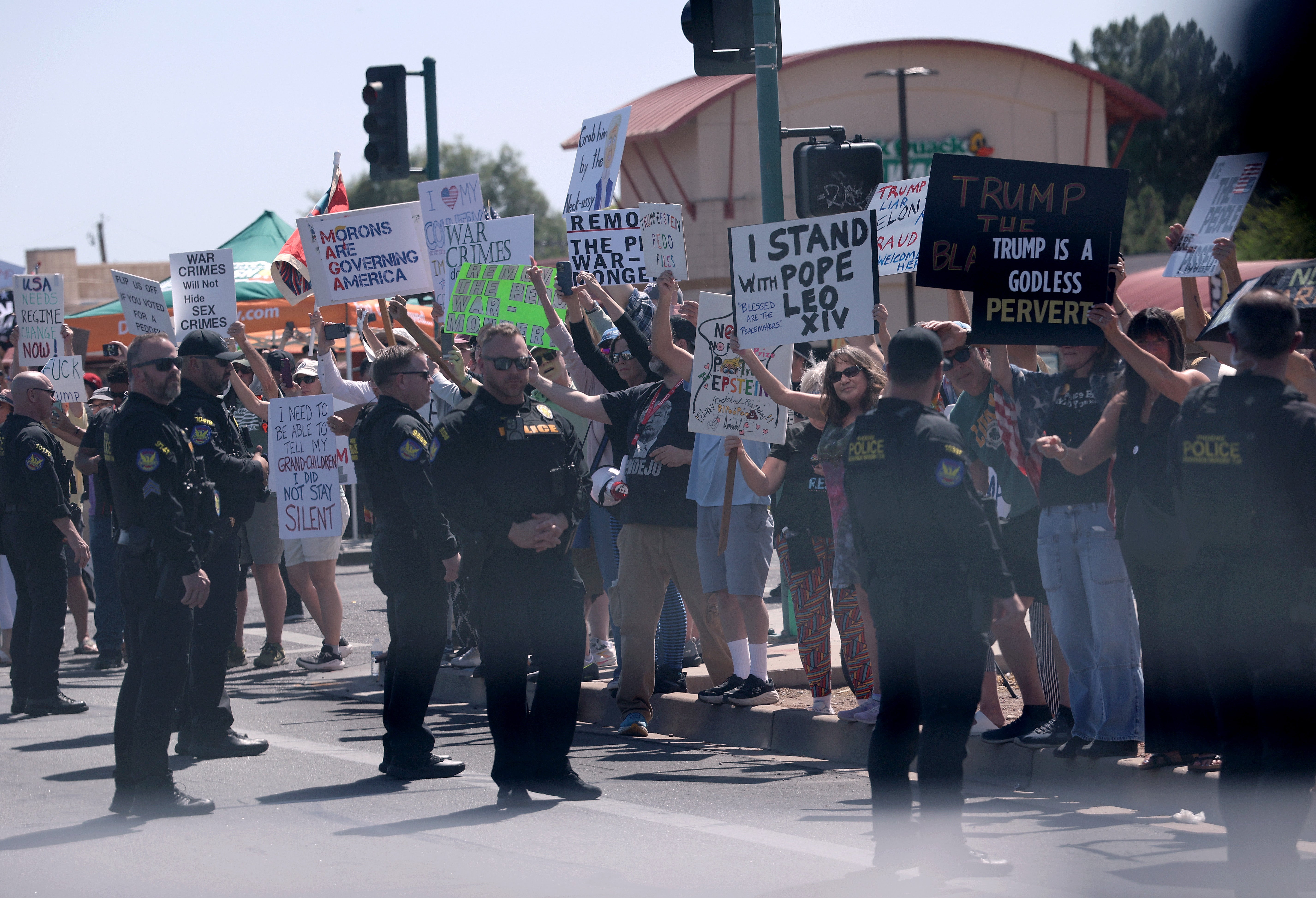
“What actually chills legal speech is conflating the actual First Amendment right to protest with illegal conduct done while expressing oneself,” he added.
In Utah, lawmakers have already adopted legislation introducing harsher penalties for protesters who block roads or commit crimes while wearing masks. The bill, signed by Governor Spencer Cox in March, passed with broad bipartisan support.
The state’s ACLU chapter expressed concern before the bill was passed, noting that it “may have a significant chilling effect on the public’s willingness to engage in lawful protest for causes they believe in.”
The Utah law can serve as a “model” for other states “looking to protect public order and safeguard genuine freedom of speech,” Fortgang wrote in City Journal, the Manhattan Institute’s policy magazine.
“Utah’s bill passed the state house without a single vote against, garnering bipartisan support despite misleading media coverage and dissembling arguments that conflate protest with lawlessness,” he wrote.