


The impacts of the escalating climate crisis are already “completely changing” the nature of poverty in developing countries, Patrick Watt, the CEO of NGO Christian Aid, has told The Independent in a new interview – in which he also warned that much more needs to be done to tackle developing country debt to help countries fund their climate responses.
Last year, Christian Aid spent just shy of £80m on aid projects across some 29 countries around the world, with a large chunk of that money coming from a network of more than 4,500 churches across the UK. Those projects directly helped improve the lives of some 4.1m people directly and some 12.4m people indirectly.
According to Mr Watt, warming temperatures and extreme weather are now hugely altering the challenges faced by the people that Christian Aid supports, and the NGO has been significantly adapting its programming as a result.
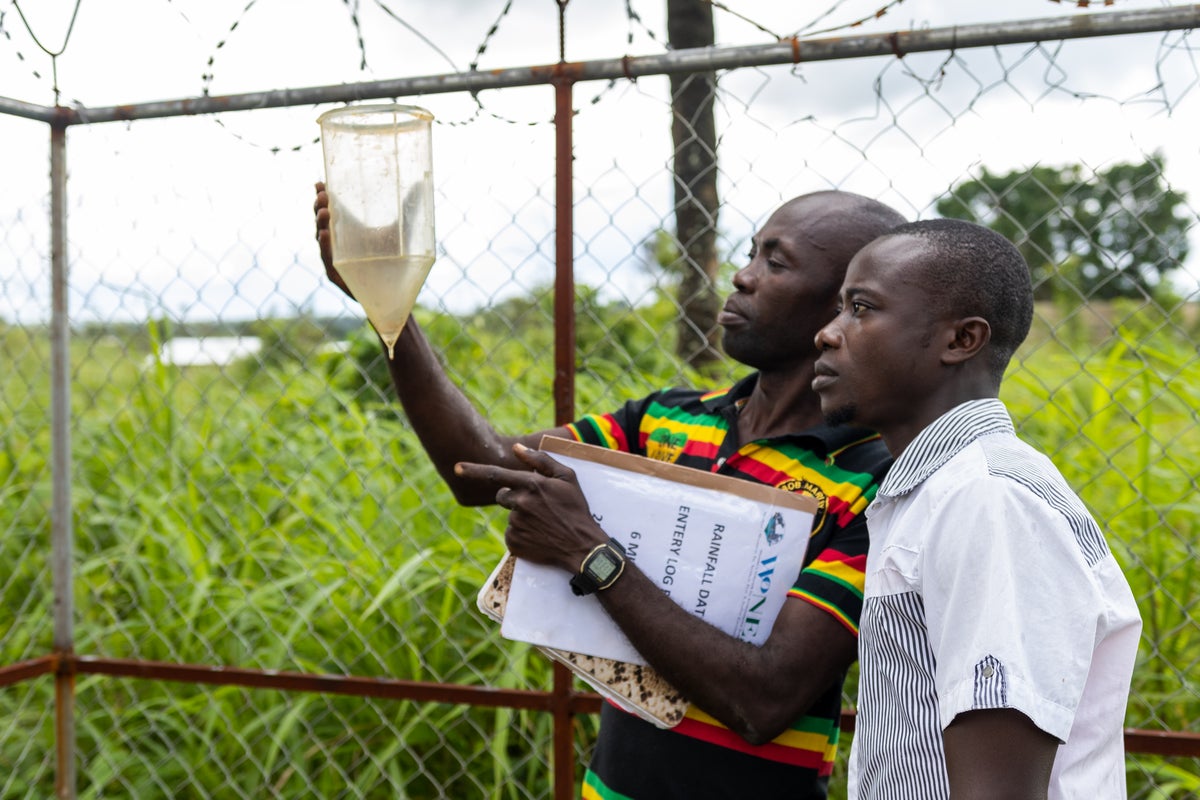
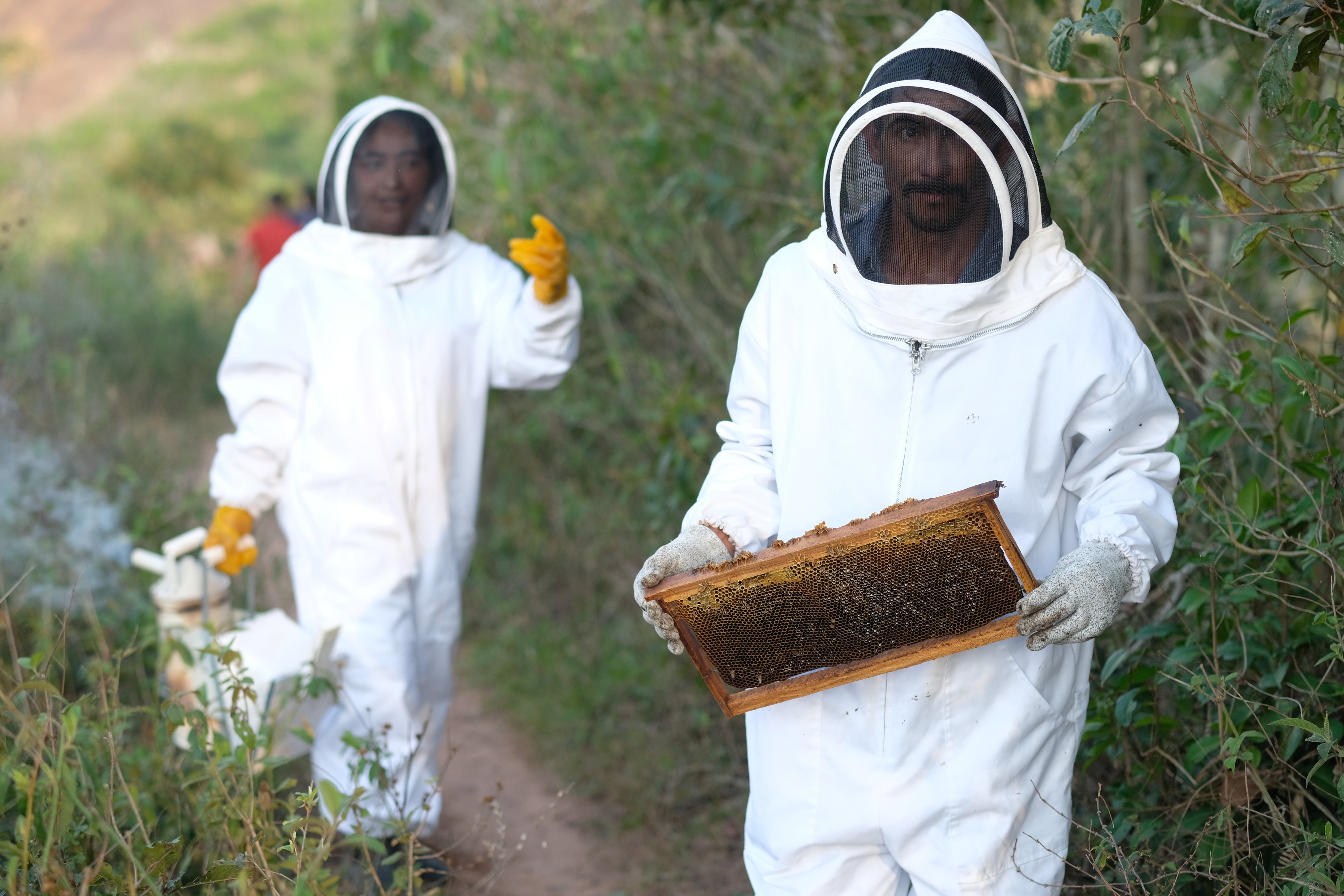
“Climate change is completely changing the whole landscape of poverty and the nature of efforts to end poverty,” he said. “We have, for example, a long history of working with small-scale rural farmers, who we help to organise and gain access to new market opportunities.
“But in the past 10 years, we have, out of necessity, changed our approach here to encompass climate adaptation, which can be everything from encouraging people to grow climate-resilient crops, to building warehouses that can withstand floods, or introducing more sustainable water management practices.”
Mr Watt’s comments on poverty echo warnings from organisations, including the World Bank and UN Development Programme, that climate change has become a primary driver of poverty around the world, with nearly 80 per cent of the world’s poor – some 887 million people – living in regions exposed to extreme heat, flooding and other climate hazards. Other studies point to how the climate crisis will hugely disrupt food security in developing countries, and also increase the risk of death from health problems like diarrhoea and malaria.
With commitment to tackling fossil fuel emissions – by far the single biggest contributor to climate change – seemingly faltering in some quarters, Mr Watt warned that countries need to rediscover a sense of “urgency” in UN climate talks. The world’s poorest countries, he said, are not able to afford to adapt to the climate crisis, and therefore, much more needs to be done to decarbonise.
“The Paris Agreement target has almost been jettisoned because it is clear it is going to be missed. There is a risk, now, that the rich world now invests more in climate adaptation and soft-pedals on climate mitigation,” he said. “But the danger if we take the urgency out of decarbonisation efforts is that there are a large number of countries – most of whom have barely contributed to climate change – that cannot afford to adapt to climate change.”
To illustrate his point, Mr Watt described how, during a visit to Malawi in the aftermath of Cyclone Ana in 2022, he saw how the main road north out of the country to the port of Dar es Salaam in Tanzania remained impassable to heavy freight four months after the storm. “Impacts like this are really stark for poor, landlocked countries like Malawi, which are struggling even before climate shocks hit,” he said.
Alongside its work helping to address poverty around the world, Christian Aid has in recent years become one of the loudest voices calling for rich countries like the UK to do more to develop an effective debt relief programme for developing countries. ;
Low-income countries are widely seen as being in the midst of a debt crisis, spending an average of 18 per cent of government revenue servicing foreign debts each year, compared with just 5 per cent in 2014. Some 3.3 billion people around the world now live in countries that spend more on debt payments than on education or health, while The Independent has also reported how poor countries are now collectively paying billions more to cover debts than they receive in aid to fight the climate crisis.
With countries including the UK slashing grant-based foreign aid for developing countries to address climate change, there is now a situation where “a lot of poor countries are borrowing more to pay for climate adaptation,” said Mr Watt. Such a situation is completely unsustainable given the already-unmanageable levels of debt in many of these countries, he added.
“We’re advocating for two things: For existing debts to be cancelled to a level where they’re sustainable, and then for a system going forward that enables poorer countries to borrow sustainably and grow their economies and invest in people,” Mr Watt said. Back in the 1990s, during the previous Jubilee debt relief campaign spearheaded by Gordon Brown, the first of these problems was tackled, but because the second was not, which is why we are now back in the same situation again, he added.
The situation is seen as being more complex than it was 30 years ago, because many of today’s creditors are private companies and pension funds rather than governments. But Mr Watt is unperturbed: “Private creditors need to take a haircut with everybody else, because if they don’t then it won’t actually deal with the underlying fiscal situation for the poorest countries,” he said.
The current conflict in the Middle East, he continued, is set to only worsen challenges around debt in developing countries, as it has caused many African currencies to depreciate against the dollar, raising the local-currency cost of servicing dollar-denominated debt. Just one month of war added nearly $4.4bn (£3.4bn) to Africa’s annual debt burden, according to one economist.
Price rises stemming from the closure of the Strait of Hormuz are also set to be particularly damaging for African countries, as many are highly dependent on trade with Gulf states for supplies of energy and fertiliser. This will not only hurt the hundreds of millions of smallholder farmers and other consumers across the continent, but could also worsen inflation and government finances, leading investors to demand higher interest rates and further worsening debt crises.
“The net effect of this war is undoubtedly going to be extremely negative,” said Mr Watt, who pointed to a recent UN report that suggests that it could push over 30 million people into poverty. “Like the Covid-19 pandemic before it, there is a real risk that this shock will drive a further divergence between the fortunes of the poorest and richest countries of the world.”
Christian Aid Week 2026 takes place from 10-16 May 2026
This article was produced as part of The Independent’s Rethinking Global Aid project