

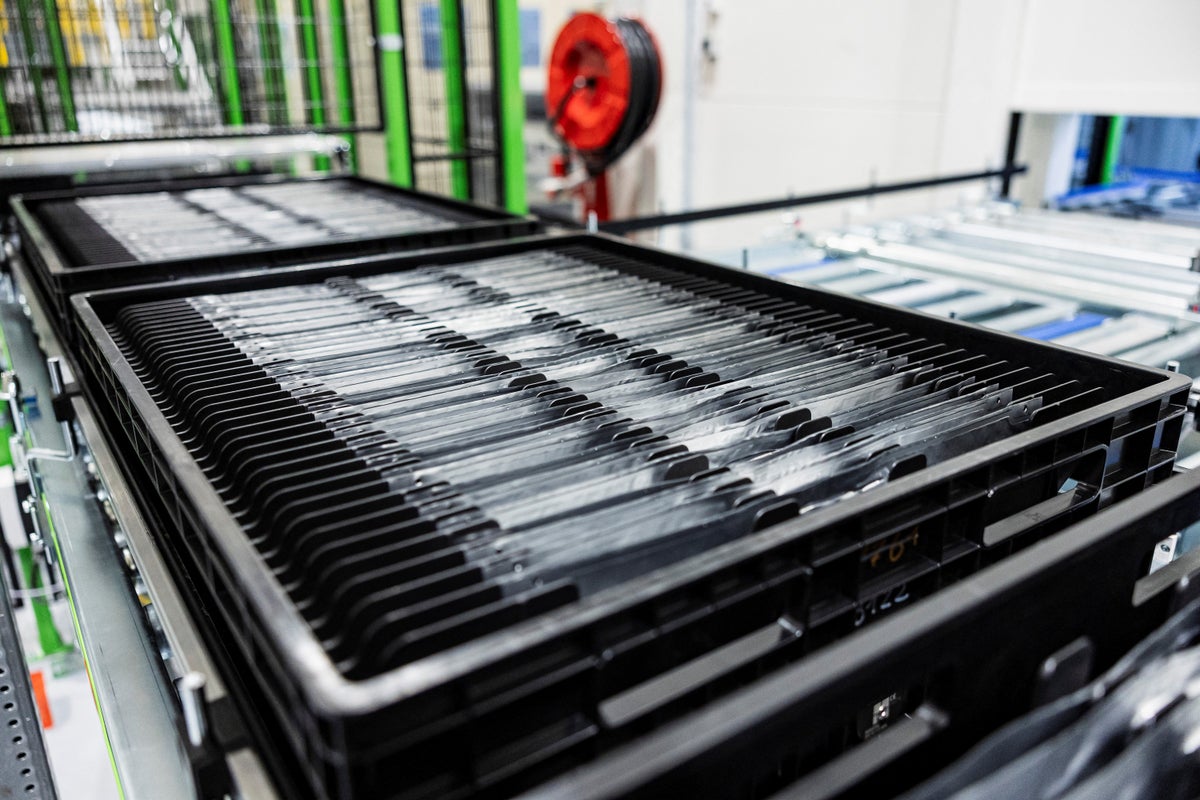
Chinese scientists have developed a ceramic-based lithium-ion battery that can withstand high temperatures, an advance that they claim offers “superior safety”.
Lithium-ion batteries are widely used in electric vehicles as well as in gadgets like smartphones, watches and medical implants.
These batteries are hard to shrink beyond a certain size and pose safety concerns as their liquid electrolytes can leak and the devices may catch fire if damaged.
So, there’s a demand for batteries that are small in size, possess high energy density, and are safe to use in harsh environments.
Scientists at Tsinghua University say their ceramic lithium-ion micro-battery offers superior safety and operates stably at temperatures of up to 150C.
The new battery can even withstand short-term thermal shocks of up to 300C without compromising performance, according to a study published in the journal Matter.
This is several degrees higher than conventional lithium-ion batteries which operate safely within the temperature range of minus 20C to 60C.
“The resulting battery delivers stable, pressure-free operation across a wide temperature range,” the study notes, “offering a safe and mechanically robust power solution for miniaturised electronics.”

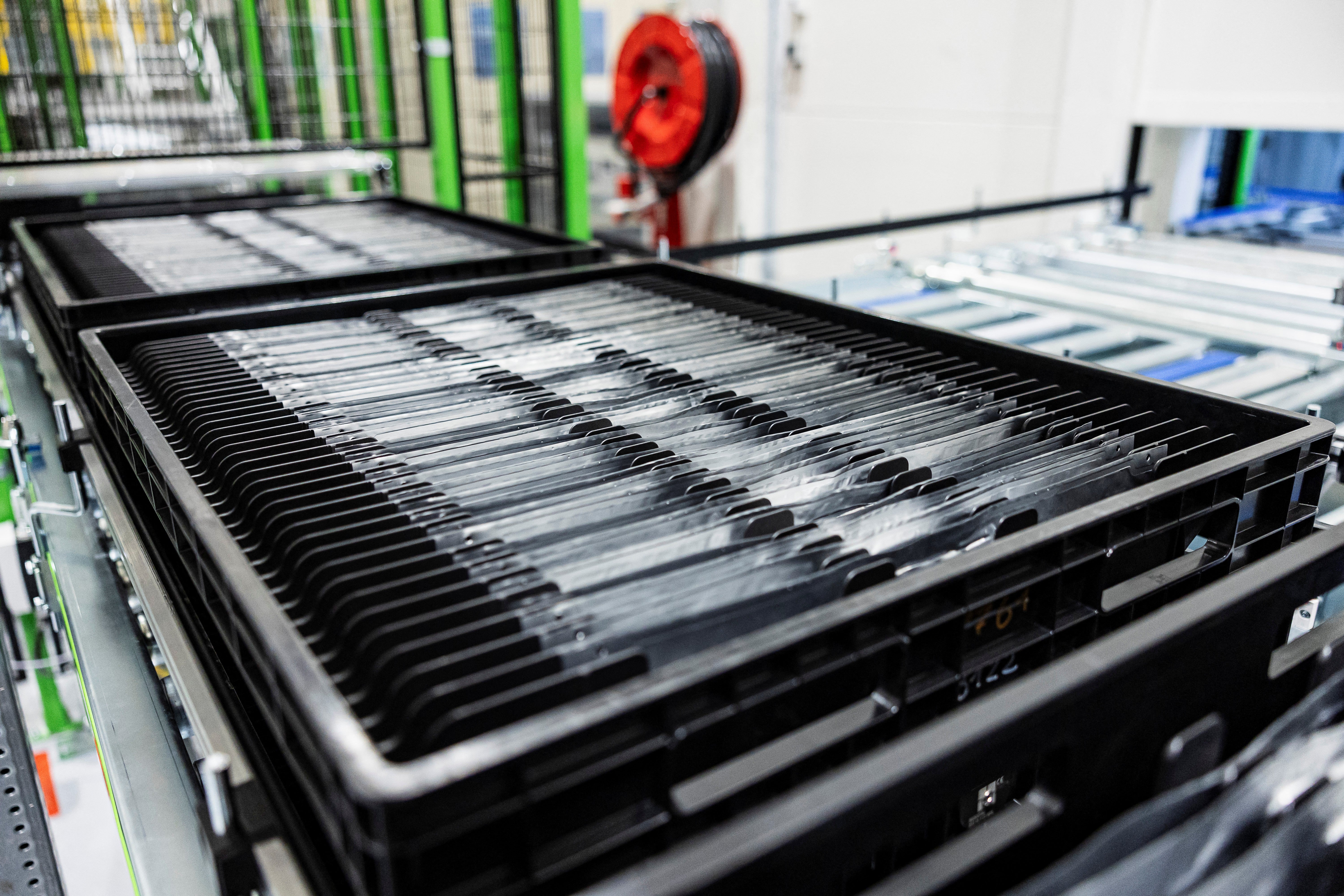
In conventional batteries, lithium ions move through a liquid electrolyte to generate electric current, but exposure to high temperatures or physical damage can cause the electrolyte to leak or catch fire.
As a result, scientists say, these batteries “fall short in security and thermal robustness”.
“This severely restricts their use in critical applications such as fire alarm and monitoring systems, industrial Internet of Things sensors, aerospace equipment, and military and defence applications,” researchers noted in the study.
In comparison, solid-state lithium cells use a solid charge-carrying medium instead of a liquid electrolyte, offering superior safety. But they pose a “critical thickness-strength trade-off” as developing thinner versions can compromise their mechanical integrity.
To overcome this challenge, the Chinese scientists created a multilayer, all-ceramic micro lithium-ion battery with enhanced contact between layers to improve performance.
The result was a stackable battery, whose layers could be adjusted for different applications.
“It is completely non-combustible and maintains structural integrity under sustained external combustion and has excellent thermal stability in air,” they said of the new device, “significantly outperforming batteries with liquid, polymer or composite electrolytes in terms of safety.
“In the long term,” they added, “this technology promises to power wearable sensors, IoT devices, and aerospace electronics, especially in high-temperature environments.”